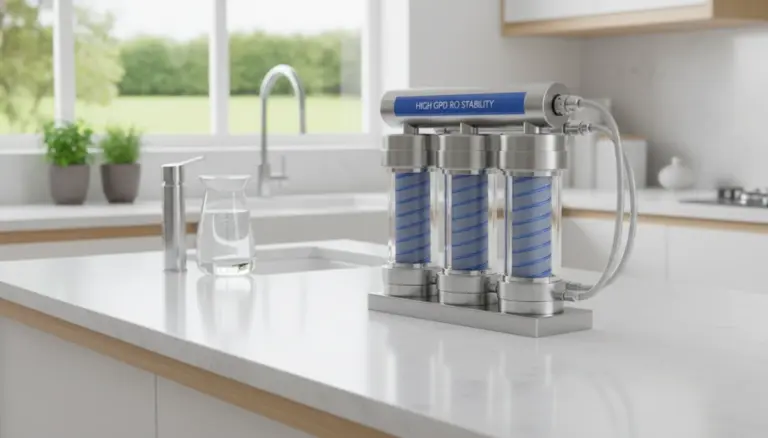


















The article delves into the pH of RO water, detailing its typical range between 5.0 and 7.0 and explaining why it tends to be slightly acidic. It highlights factors like source water quality, CO2 content, and membrane efficiency that influence the pH of RO water. The article also discusses various methods to test the pH at home, such as using pH strips, digital meters, and pH testing kits.
You will benefit from this article by gaining a comprehensive understanding of the factors affecting the pH of RO water and how to accurately test it. Additionally, the article provides practical solutions to adjust the pH, making the information highly useful for those looking to optimize their water quality for drinking, cooking, or specific applications like aquariums. The keyword “ph of ro water” is seamlessly integrated into the content, ensuring relevance and clarity.
Key Points
- RO water pH: 5.0 – 7.0
- RO water slightly acidic
- pH scale: 0 to 14
- Source water quality affects pH
- CO2 lowers pH
- Membrane efficiency influences pH
- Post-treatment adjusts pH
- Storage conditions impact pH
- Test pH with strips, meters, kits
- Alkaline filters raise pH
- Baking soda increases pH
- pH drops adjust pH
- Mixing with mineral water balances pH
- Remineralization cartridges add minerals
- Aeration slightly raises pH
- Slightly acidic RO water is safe
- pH changes over time due to air
- RO water suitable for aquariums with adjustments
“‘ .
What is the Typical pH Level of RO Water?
Reverse Osmosis (RO) water is known for its purity, accomplished by passing water through a semi-permeable membrane layer that removes a significant quantity of contaminants and impurities. Consequently, the pH degree of RO water generally ranges in between 5.0 and 7.0. This pH level can vary because of a number of factors, consisting of the resource water’s initial top quality and the effectiveness of the RO system.
The pH scale ranges from 0 to 14, where 7 is considered neutral. Water with a pH much less than 7 is acidic, while a pH more than 7 is alkaline. Because RO water frequently drops listed below the neutral pH of 7, it is generally slightly acidic. This acidity is mostly because of the removal of mineral web content, which functions as a barrier to neutralize the water’s pH.
| pH Level | Water Kind |
|---|---|
| 0 – 3 | Very Acidic |
| 4 – 6 | Acidic |
| 7 | Neutral |
| 8 – 10 | Alkaline |
| 11 – 14 | Highly Alkaline |
One important indicate note is that while RO water is lacking many contaminations, it also does not have essential minerals such as calcium and magnesium, which are usually located in all-natural water resources. These minerals add to the buffering capacity of water, assisting to preserve a much more neutral pH. Without these minerals, RO water has a tendency to be extra prone to mild pH adjustments when revealed to air, as carbon dioxide can dissolve into the water, creating carbonic acid and hence decreasing the pH.
Recognizing the pH level of RO water is essential for numerous applications, especially in markets requiring accurate water high quality, such as drugs and electronics. In house setups, the slightly acidic nature of RO water is usually thought about safe for intake, though some people may favor to readjust the pH for particular health or preference choices.
Elements Impacting the pH of RO Water
Reverse osmosis (RO) water typically has a neutral to slightly acidic pH, but numerous factors can influence its exact pH degree. Understanding these variables is essential for preserving the preferred water top quality.
1. Resource Water High Quality
The pH of the source water plays a significant role in figuring out the pH of the RO water. If the resource water has a high or low pH, the RO procedure will partially lower its extremes, yet the first pH level will still have a visible influence on the last pH of the RO water.
2. CO2 Content
The concentration of carbon dioxide in the water can considerably affect its pH. Throughout the RO procedure, CARBON MONOXIDE2 can travel through the membrane layer extra conveniently than other liquified solids, bring about a boost in acidity. This leads to a lower pH degree of the filtered water.
3. Membrane Type and Performance
The type and effectiveness of the RO membrane layer used can additionally influence the pH. Different membrane layers have varying abilities in denying ions and other pollutants, which can bring about mild variations in the pH of the result water. More reliable membranes typically generate water with a pH closer to neutral.
4. Post-Treatment Processes
After the RO process, the water usually goes through additional treatment, such as remineralization or alkalization, which can adjust its pH. These post-treatment techniques are used to improve the preference and raise the pH to a preferred level. Typical approaches consist of adding minerals back right into the water or making use of alkaline filters.
5. Storage Conditions
The problems under which RO water is saved can additionally influence its pH. If the water is stored in containers that leach compounds, such as plasticizers or particular metals, this can change the water’s pH. Additionally, prolonged exposure to air can enhance carbon monoxide2 absorption, more lowering the pH.
Exactly how to Examine the pH of RO Water in your home
Checking the pH of RO water in your home is an uncomplicated procedure that can be achieved with a couple of readily offered devices. Making certain the precision of the pH degree is critical, as it can influence both the high quality of the water and its suitability for different usages. Below, I describe a number of approaches you can make use of to test the pH of your RO water.
1. Using pH Test Removes
pH examination strips are a simple and budget friendly choice for determining the pH of your RO water. These strips alter shade based upon the acidity or alkalinity of the water. To use them:
- Dip a pH examination strip right into a sample of your RO water.
- Get rid of the strip and tremble off any type of excess water.
- Compare the shade modification on the strip to the color graph given with the examination strips.
This method provides a quick and general sign of the water’s pH level.
2. Digital pH Meter
A digital pH meter uses more exact analyses than test strips. These tools are normally a lot more expensive yet supply higher precision. To utilize a digital pH meter:
- Calibrate the meter according to the manufacturer’s directions, usually making use of a buffer solution.
- Rinse the electrode with distilled water to avoid contamination.
- Submerse the electrode into an example of the RO water.
- Wait for the analysis to maintain and keep in mind the pH value displayed on the meter.
Routine calibration of the meter is necessary to preserve its precision.
3. pH Testing Packages
pH screening packages frequently include a liquid reagent that changes shade when blended with the water sample. To utilize a pH screening package:
- Fill a small container with a sample of your RO water.
- Add a few decreases of the reagent to the water example.
- Shake or mix the blend to make sure extensive blending.
- Compare the shade change to the provided pH shade chart.
This technique is simple to utilize and supplies a clear visual indication of the water’s pH degree.
Table of Typical pH Examining Methods
| Approach | Accuracy | Cost | Ease of Usage |
|---|---|---|---|
| pH Test Strips | Reduced to Tool | Reduced | High |
| Digital pH Meter | High | Tool to High | Medium |
| pH Checking Sets | Medium | Low to Medium | High |
Each of these techniques has its very own benefits and negative aspects. Depending on your needs and spending plan, you can choose the one that best suits your circumstance. Exact pH screening of RO water is essential to ensure it fulfills your demands for usage or various other applications.
Techniques to Change the pH of RO Water
Changing the pH of RO (Opposite Osmosis) water is crucial for different applications, including drinking, food preparation, and aquariums. Here are some efficient techniques to readjust the pH of RO water:
1. Making Use Of Alkaline Filters
An alkaline filter is among the most common techniques to raise the pH of RO water. These filters commonly contain minerals like calcium, magnesium, and potassium, which naturally raise the water’s alkalinity. Mounting an alkaline filter post the RO system can effectively boost the pH degree, making the water better for usage.
2. Adding Sodium Bicarbonate
Baking soft drink (sodium bicarbonate) is an easily offered and user friendly choice for increasing the pH of RO water. By adding a percentage, usually a quarter teaspoon per gallon, you can substantially elevate the pH. Nevertheless, this method requires cautious measurement to avoid making the water as well alkaline.
3. Utilizing pH Decrease
pH drops are a hassle-free solution to adjust the pH of RO water. These drops include alkaline minerals and can be conveniently included to water. The number of decreases required relies on the current pH level and the desired pH. This technique is fast and effective, making it excellent for individual use.
4. Blending RO Water with Mineral Water
Another method to adjust the pH is by mixing RO water with mineral water. Mineral water has natural minerals that can help balance the pH degree. The ratio of mixing will certainly depend on the first pH degrees of both the RO water and the mineral water.
5. Using a Remineralization Cartridge
A remineralization cartridge, mounted after the RO membrane layer, adds crucial minerals back into the water, therefore boosting its pH. These cartridges are made to gradually release minerals such as calcium and magnesium, giving a consistent boost in pH degrees.
6. Oygenation
Aeration is a procedure of enhancing the oxygen content in water, which can a little raise the pH level. This method includes subjecting RO water to air using an aerator. While not as effective as other methods, it can be valuable in mix with other methods.
| Approach | Performance | Ease of Usage |
|---|---|---|
| Alkaline Filters | High | Easy |
| Sodium bicarbonate | Modest | Modest |
| pH Decline | High | Easy |
| Combining With Mineral Water | Modest | Easy |
| Remineralization Cartridge | High | Easy |
| Aeration | Low | Easy |
FAQs on pH of RO Water
What is the typical pH range of RO water?
The pH level of Reverse Osmosis (RO) water typically ranges between 5.0 and 7.0. This range can vary depending on factors such as the quality of the source water and the efficiency of the RO system.
Why is RO water slightly acidic?
RO water is often slightly acidic because the process removes minerals like calcium and magnesium, which normally act as buffers to maintain a neutral pH. Additionally, exposure to air can cause carbon dioxide to dissolve into the water, forming carbonic acid and lowering the pH.
How can I test the pH of my RO water at home?
There are several methods to test the pH of RO water at home:
- pH Test Strips: Affordable and easy to use, but less accurate.
- Digital pH Meter: Offers precise readings but requires regular calibration.
- pH Testing Kits: Involves adding a reagent to the water and comparing the color change to a chart.
What factors affect the pH of RO water?
Several factors can influence the pH of RO water:
- Source Water Quality: The initial pH of the source water impacts the final pH of RO water.
- CO2 Content: Higher carbon dioxide levels can lower the pH.
- Membrane Type and Efficiency: Different membranes have varying capabilities in rejecting ions, affecting pH.
- Post-Treatment Processes: Methods like remineralization can adjust the pH.
- Storage Conditions: Exposure to air and certain container materials can alter pH.
How can I adjust the pH of my RO water?
There are several methods to adjust the pH of RO water:
- Alkaline Filters: Adds minerals to increase alkalinity.
- Baking Soda: A small amount can raise the pH.
- pH Drops: Convenient and effective for personal use.
- Mixing with Mineral Water: Balances the pH by adding natural minerals.
- Remineralization Cartridge: Adds essential minerals back into the water.
- Aeration: Exposes water to air, slightly raising the pH.
Is slightly acidic RO water safe to drink?
Yes, slightly acidic RO water is generally safe for consumption. However, some individuals may prefer to adjust the pH for specific health or taste preferences.
Why does the pH of RO water change over time?
The pH of RO water can change over time due to exposure to air, which allows carbon dioxide to dissolve into the water, forming carbonic acid and lowering the pH. Storage conditions and the materials of the storage containers can also influence pH changes.
Can I use RO water for my aquarium?
Yes, you can use RO water for your aquarium, but it is often necessary to adjust the pH and add essential minerals to match the specific needs of your aquatic life.