













What Is a Reverse Osmosis Water Filter System?
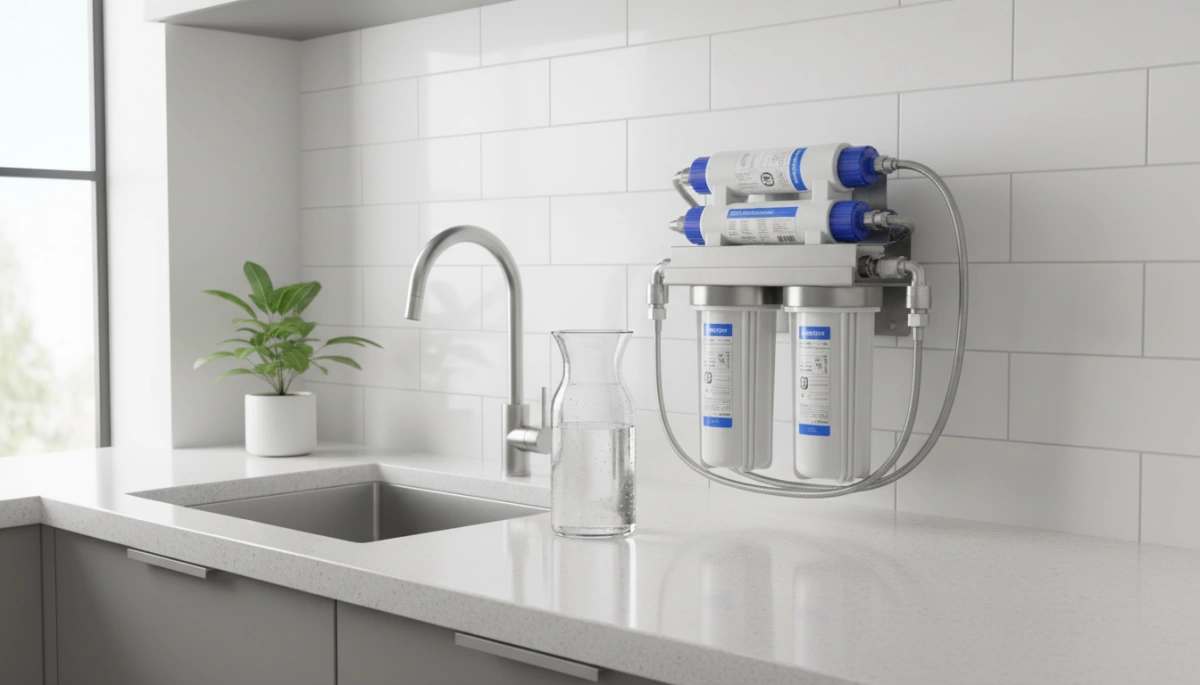
A reverse osmosis water filter system is a home water purification setup that pushes tap water through a semipermeable membrane to remove dissolved contaminants. It’s one of the few filtration methods capable of eliminating tiny particles like PFAS, heavy metals, nitrates, dissolved solids, and chemicals that standard carbon filters can’t handle.
How Reverse Osmosis Filtration Works
Reverse osmosis filtration uses pressure to force water through an ultra‑fine membrane. This membrane rejects contaminants based on size and molecular weight, leaving clean, low‑TDS drinking water on the other side.
How it works in simple steps:
- Pre‑filters remove sediment and chlorine.
- Water moves through the RO membrane.
- Dissolved contaminants are flushed out as waste.
- Post‑filters polish the water for better taste.
Basic process table:
| Step | Function |
|---|---|
| Pre‑filtration | Removes sediment and chlorine |
| RO membrane | Blocks dissolved solids and chemicals |
| Waste line | Flushes rejected contaminants |
| Post‑filtration | Improves taste and clarity |
Benefits of RO Over Other Filtration Methods
Reverse osmosis offers cleaner water than carbon filters, UV systems, and basic sediment filters because it removes both physical particles and dissolved substances.
Key advantages:
- Removes up to 99% of dissolved solids
- Effective against PFAS, lead, arsenic, and fluoride
- Consistent purification regardless of tap water quality
- Noticeably better taste and clarity
Why RO Is the Most Effective Home Water Purification Technology
RO is widely considered the best home water purification technology because it targets the full spectrum of contaminants—chemical, physical, and dissolved. Unlike carbon filters that only reduce chlorine and some VOCs, reverse osmosis tackles contaminants at the molecular level.
Why RO stands out:
- Ultra‑fine membrane offers superior contaminant removal
- Delivers reliable purification for city or well water
- Provides safer drinking water for cooking, infants, and pets
This combination of precision, reliability, and broad contaminant reduction is why homeowners increasingly choose the best reverse osmosis water filter system for their daily water needs.
Key Features of the Best Reverse Osmosis Systems
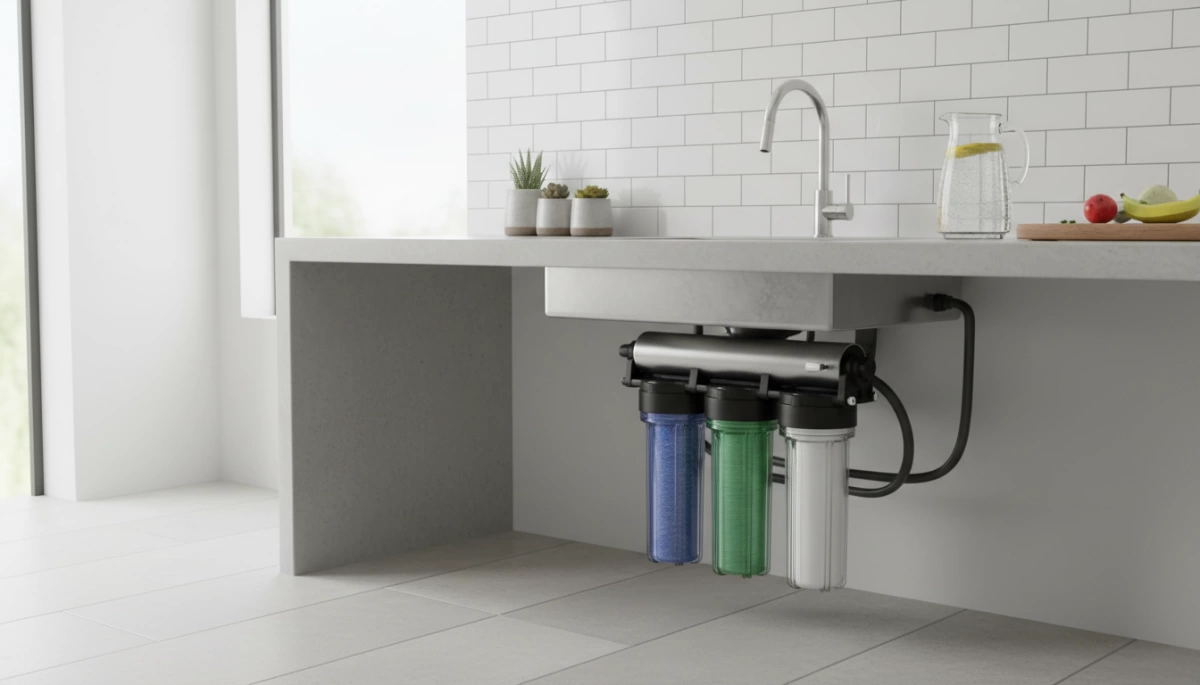
The best reverse osmosis water filter system always delivers clean, great‑tasting drinking water with smart design, strong performance, and low upkeep. When customers in the U.S. shop for an RO system, these are the features that matter most.
Multi-Stage Filtration for Maximum Purity
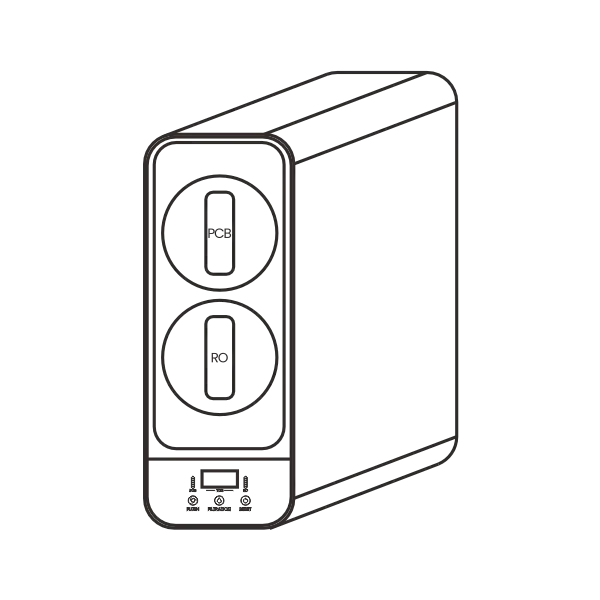
A top‑tier reverse osmosis system uses multi‑stage RO filtration to target sediment, chlorine, chemicals, PFAS, and dissolved solids. A typical setup includes:
- Sediment and carbon pre‑filters
- RO membrane filtration for contaminant removal
- Post carbon or remineralization filters
This layered design ensures stronger purification than simple carbon filters or pitcher systems.
Efficiency and Water Waste Ratio
High‑efficiency RO systems now offer better water waste ratios than older models. Tankless reverse osmosis units especially deliver:
- Faster flow
- Less wastewater
- More stable pressure
If your home deals with well water issues like high iron, pairing RO with a pre‑treatment system (similar to the methods shown in the iron water filtration guide at) can improve performance.
Certifications and Performance Standards
A reliable RO system should be independently tested. Look for:
- NSF/ANSI 58 for RO membrane performance
- NSF/ANSI 42 and 53 for chlorine, taste, odor, and contaminant reduction
- A clear performance data sheet
These certifications verify that the system removes contaminants at the levels claimed.
Remineralization and Taste Enhancement
Since pure RO water can taste flat, many of the best systems include a remineralization filter. This adds back healthy minerals like calcium and magnesium, improving both flavor and pH balance to make the water smoother and more enjoyable.
Ease of Installation and Maintenance
Under‑sink RO filters and tankless RO systems are designed for simple DIY setup. Key features include:
- Quick‑connect fittings
- Twist‑lock filter replacements
- Built‑in leak detection
- Clear maintenance indicators
This makes routine upkeep fast, clean, and hassle‑free—ideal for busy U.S. households looking for low‑maintenance home water purification.
Types of Reverse Osmosis Water Filter Systems
Under-Sink RO Systems
Under-sink reverse osmosis systems are the most common choice for homes because they stay out of sight, deliver high-purity drinking water, and offer strong contaminant removal. They’re ideal for families who want a dedicated, long-term under-sink RO filter with steady flow and high capacity. Many advanced residential units, like our high-flow under-sink RO systems available in models ranging from 800 to 2000 GPD, provide fast water delivery without compromising filtration quality. You can explore options such as our high-capacity under-sink reverse osmosis filtration system at
Countertop RO Systems
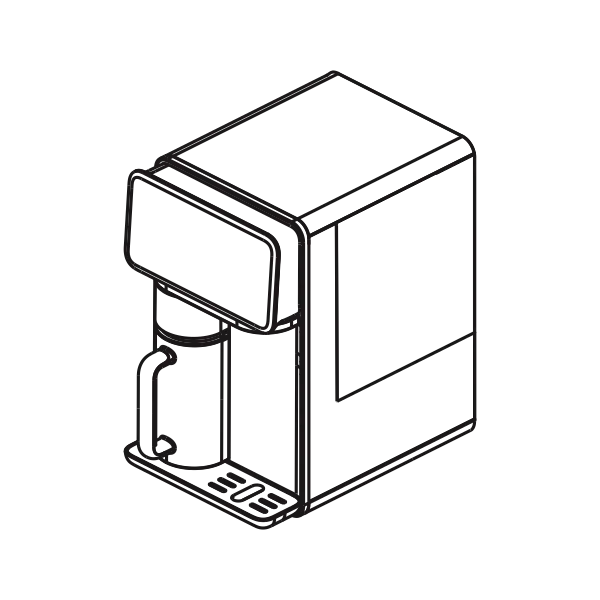
Countertop reverse osmosis systems are plug-and-play purifiers designed for apartments, rentals, and small kitchens. They don’t require plumbing changes, making them a great choice for anyone who wants portable reverse osmosis filtration without installation. Although they tend to produce less water than under-sink systems, they still offer strong RO membrane performance and clean drinking water with minimal setup.
Tank vs. Tankless RO Systems
Traditional RO systems use a storage tank to hold purified water, ensuring there’s always water ready. They’re reliable but take up cabinet space. Tankless reverse osmosis systems eliminate the tank and offer faster flow, better hygiene, and a slimmer footprint. A tankless RO system is ideal for modern kitchens or users who want high flow rates and reduced water waste. Tank systems still work well for wells or low-pressure homes, while tankless systems deliver cleaner lines and instant water production.
Each type fits a different lifestyle, but all rely on the same RO membrane technology to deliver clean, great-tasting water.
Choosing the Best RO System for Your Needs

Best for Home and Residential Use
For most U.S. households, the best reverse osmosis water filter system is an under-sink RO system with a multi-stage membrane and carbon setup. It delivers clean drinking water right at the tap and handles common issues like chlorine, PFAS, lead, and dissolved solids. Many families also prefer tankless reverse osmosis units for faster flow and a smaller footprint. If you’re comparing RO to other home solutions, looking at how it performs versus options like faucet filters can help, and the breakdown in the benefits of faucet filtration systems at gives a helpful reference point.
Best for Commercial and Large-Scale Applications
Commercial settings need higher flow rates, stronger pumps, and larger RO membranes. A commercial RO filtration system is built to run longer hours, handle heavier contaminant loads, and support multiple water points at once. Restaurants, labs, and manufacturing facilities usually choose high-flow RO systems or modular setups that can scale with demand.
Well Water Considerations
Well water often requires extra pre-filtration before the RO membrane. High sediment, iron, or bacteria can clog or damage a membrane quickly. A well water setup may include:
- Sediment pre-filters
- Iron/manganese filters
- UV disinfection if bacteria are present
Pairing these with a strong under-sink RO system like the options discussed in the under-sink water purification systems guide at ensures dependable performance and longer membrane life.
A properly matched RO setup gives you consistent, clean water whether you’re in a home, business, or rural well environment.
Why Choose driplife RO Systems?
driplife RO systems stand out because I focus on high-quality manufacturing, smart customization options, and reliable supply. Every reverse osmosis system is built to deliver clean, safe water with long-term performance you can count on.
High-Quality Manufacturing and Customization
I design and produce each reverse osmosis system using durable components, strict QC checks, and performance-tested RO membranes. This keeps every unit
Installation, Maintenance, and Troubleshooting Tips
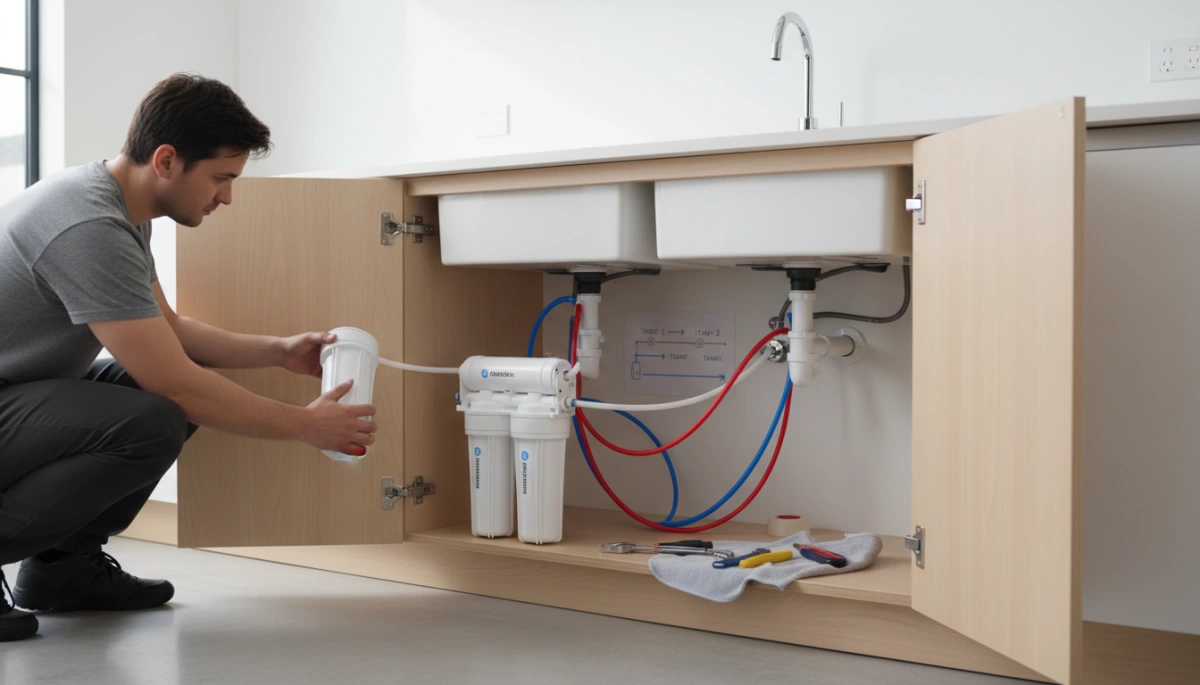
Setting up the best reverse osmosis water filter system is straightforward if you follow a few core steps. Most under-sink RO systems and tankless reverse osmosis units come with quick-connect fittings, so you can handle installation with basic tools. If you’re switching from a standard under-sink filter, you may want to review how a carbon filter works by checking guides like the one on
Frequently Asked Questions (FAQ)
Here are quick answers to the most common questions about choosing the best reverse osmosis water filter system for home or business use.
Does a reverse osmosis system remove all contaminants?
A high‑quality RO system removes dissolved solids, PFAS, chlorine, heavy metals, and other contaminants through its RO membrane and multi‑stage filtration. Some systems also add a remineralization filter for better taste.
Is a tankless reverse osmosis system better than a traditional tank system?
Tankless RO systems offer faster flow, take less space, and reduce the risk of secondary contamination. Tank systems usually cost less and work well for homes with inconsistent water pressure.
How often do RO filters need to be replaced?
Sediment and carbon filters usually last 6 to 12 months. RO membranes typically last 2 to 3 years depending on water quality and usage. Under‑sink systems like our advanced configurations at driplife make filter changes simple.
Can reverse osmosis water taste flat?
Yes, because RO strips out all minerals. A remineralization filter solves this and improves overall flavor. If you want to learn more about how RO compares to alkaline filtration, see our breakdown of alkaline versus reverse osmosis differences at driplife.
Is installation difficult?
Most under‑sink RO units install in about an hour with basic tools. For reference on compact drinking‑water solutions, check out our ultrafiltration faucet filter, which uses a similar installation style.
Is RO good for well water?
Yes, but homes with high sediment, iron, or microbial contamination may need pre‑filtration before the RO system to protect the membrane.
Can I private label or OEM an RO system?
Yes. driplife supports OEM and private label partnerships with full customization and stable production.
Links added naturally: