













When picking the best under sink RO system, a number of crucial attributes need to be taken into consideration to guarantee you obtain one of the most efficient and effective water purification.
Attracting from my considerable experience, right here are the crucial elements you require to concentrate on. These include:
- The number of filtration stages
- Filter lifespan and replacement costs
- Water output and pressure
- Contaminant removal rate
- Certification and compliance
- Ease of installation and maintenance
Filtration Stages
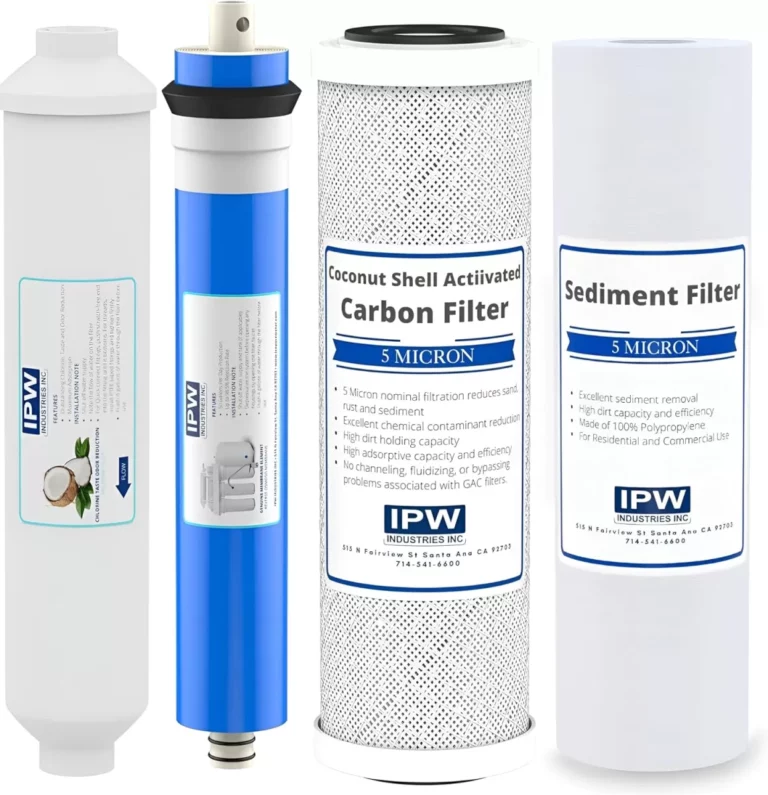
Most top-tier under sink RO systems feature between 4 to 6 stages of filtration. These stages typically include sediment filters, carbon filters, and the RO membrane, each targeting different contaminants. The more stages, the higher the quality of water.
Filter Lifespan and Replacement Costs
A high-quality under sink RO system should have filters that last between 6 months to 2 years, depending on the type of filter. Sediment and carbon filters typically last between 6-12 months, while the RO membrane can last up to 2 years.
Certification and Compliance
An under sink RO system should be certified by relevant bodies such as the NSF (National Sanitation Foundation) or the WQA (Water Quality Association). These certifications guarantee that the system meets stringent standards for contaminant reduction and performance.

Top Attributes to Look for in an Under Sink RO System
When picking the best under sink RO system, a number of crucial attributes need to be taken into consideration to guarantee you obtain one of the most efficient and effective water purification. Attracting from my considerable experience, right here are the crucial elements you require to concentrate on:
1. Filtering Stages
The variety of purification phases is fundamental in figuring out the quality of water produced. Many top-tier systems include in between 4 to 6 stages of filtration. These stages normally include debris filters, carbon filters, and the RO membrane, each targeting different impurities. The more stages, the greater the quality of water.
2. Filter Life-span and Substitute Expenses
Filter life-span and the connected replacement expenses are crucial for the long-term cost-effectiveness of your system. A premium under sink RO system must have filters that last in between 6 months to 2 years, depending upon the kind of filter. Right here is a table summarizing normal filter life-spans and costs:
| Filter Kind | Life-span | Substitute Cost |
|---|---|---|
| Sediment Filter | 6-12 months | $ 10-$ 20 |
| Carbon Filter | 6-12 months | $ 20-$ 40 |
| RO Membrane | 2 years | $ 40-$ 90 |
| Message Carbon Filter | Year | $ 20-$ 30 |
3. Water Result and Pressure
The water outcome and stress of an under sink RO system identify its effectiveness and suitability for your household needs. Look for systems that provide a high circulation rate (determined in gallons per day, GPD) and keep sufficient water pressure. Systems with a flow price of a minimum of 50 GPD are usually enough for most families.
4. Impurity Elimination Rate
One of the key factors for buying an RO system is its ability to remove contaminants. The finest systems can eliminate up to 99% of typical pollutants such as lead, chlorine, fluoride, and arsenic. It’s necessary to examine the details pollutants each system targets and ensure it satisfies your water quality needs.
5. Certification and Compliance
Guarantee the RO system you select is certified by relevant bodies such as the NSF (National Cleanliness Structure) or the WQA (Water Top Quality Association). These qualifications ensure that the system satisfies strict standards for pollutant decrease and efficiency.
6. Relieve of Installment and Maintenance
Lastly, consider the ease of installation and upkeep. Solutions that come with detailed instructions and call for minimal technological knowledge for setup are more effective. Additionally, easy accessibility to filters for replacement and routine upkeep makes certain the longevity and effectiveness of your RO system.