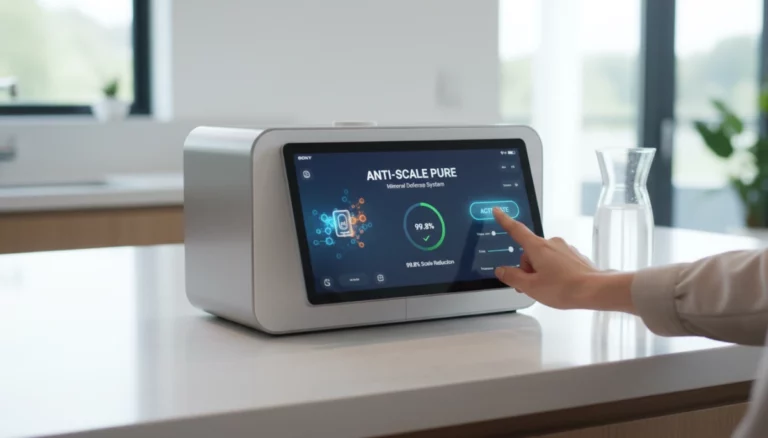


















The article provides an in-depth look at the production process of countertop water filters, covering everything from the selection of raw materials to the final packaging and distribution. It highlights the importance of materials such as activated carbon, ceramic, KDF, and ion exchange resins, detailing their specific roles in ensuring water purity. You will gain a thorough understanding of how these components work together to create an effective water filtration system.
By explaining the meticulous steps involved in manufacturing, including quality control and performance testing, the article reassures consumers about the safety and efficacy of these products. Those interested in the topic “How are countertop water filter produced?” will benefit from the comprehensive overview, which also emphasizes the importance of compliance with industry standards and certifications. This knowledge can help consumers make informed decisions when purchasing water filters.
Key Points
- Materials: Activated carbon, ceramic, KDF, ion exchange.
- Activated Carbon: Removes chlorine, VOCs, impurities.
- Ceramic Filters: Removes bacteria and sediment.
- Housing: Made from food-grade plastic or stainless steel.
- Manufacturing: Multi-step process for quality assurance.
- Activated Carbon Prep: Derived from organic sources.
- Quality Control: Rigorous testing for safety and efficacy.
- Performance Tests: Flow rate, filtration, durability checks.
- Certifications: Compliance with NSF/ANSI standards.
- Packaging: Protective, labeled, with user manuals.
- Distribution: Reliable logistics for global reach.
- Hygiene: Strict safety regulations in production.
Materials Used in Countertop Water Filters
In my substantial experience as a counter top water filter producer, recognizing the materials used is essential for guaranteeing item efficacy and security. The primary parts of these filters include the filtration media, housing, and numerous mechanical components. Each material is picked for its certain homes that add to the total efficiency and toughness of the filter.
The filtration media is the heart of any type of counter top water filter. Generally, this includes triggered carbon, ceramic, and occasionally sophisticated materials like KDF (Kinetic Degradation Fluxion) and ion exchange materials. Triggered carbon is renowned for its ability to remove chlorine, unpredictable organic substances (VOCs), and various other pollutants through adsorption. Ceramic filters, on the other hand, are highly efficient at removing microorganisms and sediment, making them a popular selection in numerous Chinese countertop water filter versions.
| Product | Function |
|---|---|
| Turned on Carbon | Eliminates chlorine, VOCs, and pollutants |
| Ceramic | Filters germs and sediment |
| KDF | Reduces heavy steels and controls scale |
| Ion Exchange Resin | Minimizes water solidity and hefty metals |
The housing of a countertop water filter is typically made from food-grade plastics, which are sturdy, light-weight, and resistant to corrosion. In some high-end designs, stainless-steel might be made use of for its premium sturdiness and aesthetic charm. The selection of product right here is important as it requires to guarantee the structural stability of the filter while being safe for prolonged contact with water.
Mechanical components, including the O-rings, gaskets, and fittings, are usually made from rubber or silicone. These materials are picked for their adaptability and capability to create closed seals that protect against leakages. Quality control in the choice of these materials is vital, as any concession can cause water contamination or filter failing.
In recap, the products used in kitchen counter water filters are picked based on their capacity to eliminate pollutants, preserve architectural integrity, and guarantee customer safety and security. At any kind of kitchen counter water filter manufacturing facility, strenuous screening and top quality control steps are in area to make sure these products fulfill market requirements and provide reputable performance.
Manufacturing Process of Countertop Water Filters
The manufacturing of countertop water filters involves a careful and multi-step procedure to guarantee the best and performance. The trip begins with the option of raw products, that include turned on carbon, ceramic, and different sorts of purification media. These materials are picked for their capability to successfully remove pollutants from water.
In the first stage, the raw materials are refined and prepared. Triggered carbon is typically acquired from coconut coverings or various other organic sources and is triggered via a series of high-temperature treatments to improve its adsorption abilities. Ceramic filters are created from all-natural clays, which are molded and afterwards fired in kilns to accomplish the called for porosity and strength.
When the products are ready, they transfer to the production line in the kitchen counter water filter manufacturing facility. Right here, the parts are meticulously put together into filter cartridges. The turned on carbon is typically granulated or developed right into blocks, while the ceramic aspects are shaped into cyndrical tubes or discs. The setting up procedure is highly automated in many Chinese kitchen counter water filter making centers, making certain precision and consistency.
The following crucial step involves integrating the filter cartridges into the filter real estate. This housing is typically made from state-of-the-art plastic or stainless steel to guarantee longevity and safety and security. During assembly, the filter cartridges are safely placed within the housing, and the devices are secured to avoid any leaks. Modern countertop water filter makers usually utilize ultrasonic welding strategies to accomplish a seamless and durable seal.
Before the filters are deemed prepared for market, they undergo rigorous quality assurance and screening. Each filter undergoes pressure examinations, flow price examinations, and contaminant removal performance tests to ensure they fulfill market standards. Any units that stop working to fulfill the rigid requirements are rejected and returned for rework or recycling.
Throughout the manufacturing process, stringent adherence to hygiene and safety and security policies is maintained. Workers in the assembly line are educated to take care of materials and devices with treatment, making sure that the end product is devoid of contamination and defects.
After passing all quality checks, the countertop water filters are cleaned, dried out, and gotten ready for packaging. The product packaging procedure consists of labeling, boxing, and palletizing the units for circulation. Reliable logistics and distribution networks are then used to provide the filters to sellers and clients worldwide, guaranteeing that consumers obtain their products in ideal problem.
FAQs on Countertop Water Filter Production
What materials are typically used in countertop water filters?
Countertop water filters primarily use activated carbon, ceramic, KDF (Kinetic Degradation Fluxion), and ion exchange resins. These materials are selected for their specific properties that help in removing contaminants, maintaining structural integrity, and ensuring user safety.
Why is activated carbon used in countertop water filters?
Activated carbon is highly effective at removing chlorine, volatile organic compounds (VOCs), and other impurities through adsorption. It is a crucial component in many water filters due to its high adsorption capacity.
What are the benefits of using ceramic filters?
Ceramic filters are excellent at removing bacteria and sediment from water. They are often used in conjunction with other filtration media to enhance the overall effectiveness of the water filter.
What materials are used for the housing of countertop water filters?
The housing is usually made from food-grade plastics or stainless steel. These materials are chosen for their durability, resistance to corrosion, and safety for prolonged contact with water.
What is the manufacturing process for countertop water filters?
The production process involves selecting and preparing raw materials, assembling filter cartridges, integrating them into the filter housing, and conducting rigorous quality control tests. The final products are then packaged and distributed to consumers.
How is activated carbon prepared for use in water filters?
Activated carbon is typically derived from coconut shells or other organic sources. It undergoes a series of high-temperature treatments to enhance its adsorption capabilities, making it effective in removing contaminants from water.
What quality control measures are in place during the manufacturing process?
Quality control measures include incoming material inspection, assembly line checks, performance testing, leak testing, and final inspection before packaging. These steps ensure that the filters meet industry standards and are safe for use.
What tests are performed on countertop water filters to ensure their performance?
Filters undergo flow rate tests, filtration efficiency tests, and durability assessments. They are tested with water containing specific contaminants to ensure they meet purification standards. Leak testing is also performed to ensure no water escapes from any part of the filter.
What is the role of certifications in the production of countertop water filters?
Manufacturers must ensure that their filters comply with national and international standards, such as NSF/ANSI certifications. Regular audits and third-party testing are conducted to maintain these certifications, which are mandatory for products to be sold in different markets.
How are countertop water filters packaged and distributed?
After passing quality checks, the filters are cleaned, dried, and packaged in protective materials. They are labeled with essential information and accompanied by user manuals. Reliable logistics partners are then employed to distribute the filters to retailers and customers worldwide.
What considerations are taken into account during the packaging process?
The packaging process includes thorough cleaning and inspection, protective packaging to prevent damage, and labeling with product information and usage instructions. This ensures that the filters reach consumers in optimal condition.
How do manufacturers ensure the safety and hygiene of the production process?
Strict adherence to hygiene and safety regulations is maintained throughout the manufacturing process. Workers are trained to handle materials and equipment with care, ensuring that the final product is free from contamination and defects.