

















You turn on the tap, fill your glass, and drink. But have you ever stopped to ask: is this water actually safe?
You might already know that municipal water travels through miles of aging infrastructure before it reaches your home. Along the way, sediment, chlorine, and invisible toxins often come along for the ride.
But what does a water filter do, exactly?
It’s not just a fancy sieve. Real filtration is a complex balance of science and engineering designed to protect your health.
In this guide, you’re going to learn exactly how modern filtration mechanisms work to strip away harmful contaminants like lead, PFAS, and bacteria—without stripping away the essential minerals your body needs.
Whether you’re concerned about better taste, cleaner skin, or long-term hydration, we’re breaking down everything you need to know.
Let’s dive right in.
How It Works: The Science Behind Water Filtration
The Core Mission
Ever turn on the tap, catch a whiff of chlorine, and hesitate to take a sip? You aren’t alone. We often take our water supply for granted, but the journey from the treatment plant to your glass is long. This is exactly what does a water filter do: it serves as the final, critical checkpoint for your hydration.
The Safety Barrier
At Driplife, we view a water filter as a protective barrier against contaminants in tap water. Whether it is rust from aging municipal pipes or residual chemicals used in treatment, a filter physically or chemically traps these impurities. It prevents them from entering your body, ensuring that what you drink supports your health rather than compromising it.
Primary Functions
While safety is paramount, the immediate benefit you will notice is the “drinkability.” Filters significantly improve aesthetic qualities, including taste, odor, and clarity. By removing chlorine and organic compounds, we turn flat, metallic-tasting water into a refreshing beverage.
There is often confusion between standard filtration and full purification. Here is a quick breakdown of how they differ:
| Feature | Standard Water Filtration | Advanced Purification |
|---|---|---|
| Primary Goal | Improve taste, remove chemicals & sediment | Remove biological threats & dissolved solids |
| Targets | Chlorine, rust, lead, VOCs | Bacteria, viruses, salts, heavy metals |
| Technology | Carbon blocks, mechanical mesh | Reverse Osmosis (RO), UV, Distillation |
While basic filtration handles particles and chemicals to make water safe and tasty, advanced systems (like those using ultrafiltration technology) include additional stages for broader protection against microscopic threats.
The Multi-Stage Defense System
To truly understand what does a water filter do, you have to look under the hood. It’s not magic; it’s a precise water filtration process relying on physics and chemistry. Most modern systems don’t rely on a single method. Instead, they use a “gauntlet” of technologies to strip away impurities while ensuring the water remains safe to drink.
Here is a breakdown of the primary mechanisms we use to clean your water:
- Mechanical Filtration:
Think of this as a microscopic sieve. Physical barriers, such as meshes or membranes, trap larger particulates like sediment, dirt, and rust. It acts as the first line of defense. Many systems utilize efficient ceramic water filters in this stage to physically block contaminants based on strict micron ratings, ensuring cloudy water becomes crystal clear. - Adsorption:
This is where activated carbon filtration shines. Carbon materials act like a magnet for chemicals. Through surface attraction, they capture chlorine, volatile organic compounds (VOCs), and foul odors. This is the stage responsible for fixing that chemical “swimming pool” taste common in city water. - Ion Exchange:
This process is crucial for dealing with hard water. It works by swapping specific ions—typically trading hardness minerals like calcium and magnesium for sodium or hydrogen ions. This softens the water and protects your plumbing from scale buildup. - Ultrafiltration (UF):
Ultrafiltration technology is a game-changer for biological safety. It uses hollow fiber membranes with pores small enough to block bacteria, viruses, and fine particulates. The best part? It filters out the threats while retaining beneficial minerals your body needs. - Reverse Osmosis (RO):
Often an optional advanced stage, a reverse osmosis system forces water through a semi-permeable membrane. This is the heavy artillery against dissolved solids, heavy metals, and fluoride, providing a deep clean for the most concerning contaminants.
What It Specifically Removes
When we look at contaminants removed by filters, we aren’t just talking about the visible grit you might see at the bottom of a glass. Modern filtration is a precision game, targeting invisible hazards that compromise safety and taste. As someone who deals with water quality daily, I can tell you that the stuff you can’t see is often what matters most.
Physical Threats
The first line of defense is handling the solid stuff. Old infrastructure in the US often contributes to microplastics filtration issues and particulate matter entering our homes.
- Sediment and Dirt: Basic turbidity that makes water look cloudy.
- Rust and Scale: Particles that flake off from aging municipal pipes.
- Microplastics: Tiny plastic fibers that are becoming increasingly common in tap water supplies.
Chemical Threats
This is where the heavy lifting happens. Chlorine removal from water is the most immediate benefit because it eliminates that harsh “swimming pool” taste and odor. However, high-quality filters go much deeper to address toxic compounds.
- Heavy Metals in Water: Dangerous elements like lead and mercury, which can leech from plumbing, are captured to prevent long-term health issues.
- Volatile Organic Compounds (VOCs): Pesticides, herbicides, and industrial solvents are adsorbed by carbon media.
- PFAS “Forever Chemicals”: Advanced filtration protects against PFAS forever chemicals, a growing concern in many American communities due to their persistence in the environment.
Biological Threats
While standard filters handle chemicals well, specialized systems (like those using ultrafiltration) are necessary to block biological risks. These act as a physical barrier against living organisms.
- Cysts: Parasites like Giardia and Cryptosporidium that are resistant to chlorine.
- Bacteria and Viruses: Only filters rated for microbiological purification can effectively stop these microscopic pathogens.
Understanding Limitations and Standards
It is important to note that a standard filter isn’t a magic wand for everything. For instance, while we remove harmful toxins, we often want to keep healthy minerals. Conversely, if your primary issue is hard water buildup rather than toxicity, you might actually need a dedicated soft water system rather than just a standard filter. Always look for NSF/ANSI certifications—these are the industry benchmarks that verify a filter actually does what it claims to do.
What It Keeps
A common misconception is that effective filtration strips water of everything, leaving it “dead” or flat. In reality, superior water filtration technology is designed to be selective. It acts like a smart sieve, removing harmful contaminants while preserving the beneficial properties that make water healthy and satisfying to drink.
Mineral Retention
One of the biggest advantages of standard filtration (like activated carbon or ultrafiltration) over aggressive purification methods is the retention of dissolved minerals. Your body actually appreciates the calcium and magnesium found naturally in tap water. These minerals contribute to:
- Natural Taste: Minerals give water a crisp, refreshing “mouthfeel.” Water completely void of minerals can taste slightly acidic or flat.
- Health Benefits: While we get most minerals from food, drinking mineral-rich water supplements your daily intake.
Unlike systems that strip everything out, selective filtration maintains these essential elements. This distinction is often the deciding factor in the water filter vs. purifier debate, as many families prefer the taste of mineral-rich water over the “empty” taste of fully purified distilled water.
The pH Balance
The pH level of your water significantly impacts how it hydrates you and how it tastes.
- Avoiding Acidity: Some purification processes (like standard Reverse Osmosis without a remineralization stage) can drop the pH, making the water slightly acidic.
- Promoting Alkalinity: Selective filters generally maintain the water’s natural pH or even slightly enhance it, keeping it neutral to slightly alkaline.
Maintaining this balance prevents that sharp, metallic sensation on the tongue and ensures the water is gentle on your digestive system. We focus on systems that don’t just clean the water, but optimize it for your body’s needs.
The Value Beyond Drinking: Everyday Benefits

When we talk about filtration, we often focus solely on safety, but the water filter benefits health and lifestyle in ways that go far beyond just removing contaminants. Installing a filtration system transforms how you interact with water in every room of your house, from the kitchen sink to the shower.
Kitchen Performance and Wellness
The most immediate impact is on your palate. Filters effectively eliminate chlorine and chloramines, which are responsible for that chemical “swimming pool” smell. This doesn’t just improve tap water taste for drinking; it elevates the flavor of your coffee, tea, and home-cooked meals.
- Hydration: Better taste encourages you and your family to drink more water.
- Cooking: Toxins and heavy metals are removed, ensuring your pasta and soups are made with pure ingredients.
- Safety: Reduced exposure to harmful chemicals supports better digestion and overall long-term wellness.
Skin & Hair Care
Water quality plays a massive role in your grooming routine. Unfiltered water often contains chlorine and hardness minerals that strip natural oils from your body. Using a shower water filter can prevent dry, itchy skin and brittle hair, acting as a beauty treatment that protects your body’s natural moisture barrier.
Appliance Longevity and Sustainability
Hard water and sediment are the enemies of household appliances. Scale buildup can ruin the heating elements in coffee makers and kettles, shortening their lifespan. By filtering water before it hits these machines, you protect your investment.
Furthermore, relying on a home system reduces dependence on bottled water. Integrating the best chilled water dispensers for home use into your kitchen not only provides instant access to cold, clean water but also drastically cuts down on single-use plastic waste.
Comparison: Unfiltered vs. Filtered Water Impact
| Feature | Unfiltered Tap Water | Filtered Water |
|---|---|---|
| Taste & Odor | Often tastes metallic or like chlorine | Clean, crisp, and odorless |
| Cooking | Can alter food flavors; potential contaminant absorption | Preserves natural food flavors |
| Appliances | High risk of limescale buildup | Reduced scaling; extends appliance life |
| Skin Feel | Can cause dryness or irritation | gentler on skin; retains natural oils |
| Environmental | often leads to buying plastic bottles | Sustainable; zero plastic waste |
Modern Innovations in Water Filtration
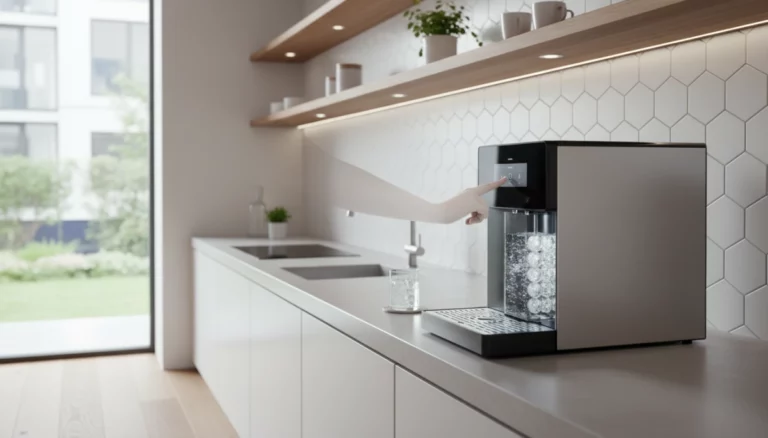
The water filtration landscape has shifted dramatically from simple pitchers to sophisticated, multi-functional appliances. We are seeing a surge in systems that do far more than just remove contaminants; they integrate seamlessly into modern lifestyles. Today’s consumers demand convenience, and manufacturers are responding with units that combine purification with hot/cold dispensing, ice-making, and even sparkling water options. Imagine having a single countertop device that not only ensures safety but also replaces your kettle and soda maker. For those interested in elevating their home beverage experience, exploring the best soda water dispenser options reveals how easily purification and carbonation can merge.
Beyond multifunctionality, capacity and speed are critical. High-capacity designs are now standard, with systems capable of delivering hundreds of gallons per day (GPD). This addresses the “slow drip” frustration of older models, ensuring fast flow rates for both whole-home and countertop setups. Whether it’s filling a large pot for pasta or grabbing a quick glass of water, waiting is no longer part of the equation.
At Driplife, we are pushing these boundaries further with professional-grade advancements. Our focus is on versatile solutions that fit every corner of the home, from countertop and under-sink units to specialized bathroom applications. By utilizing advanced UF (ultrafiltration) technology, we ensure that high-quality filtration isn’t limited to the kitchen. These systems are designed to bridge the gap between industrial-strength purification and user-friendly, lifestyle-centric features, providing robust protection without compromising on design or ease of use.
Choosing the Right Water Filter for Your Needs
Finding the perfect filtration solution isn’t just about picking the most expensive box on the shelf; it’s about matching the technology to your specific water profile and lifestyle. I always tell my customers that the first step is knowing exactly what you are up against. In the US, you can check your local Consumer Confidence Report (CCR) or use a home test kit to identify whether you are dealing with high chlorine levels, lead, or hard water minerals.
Assessing Form and Function
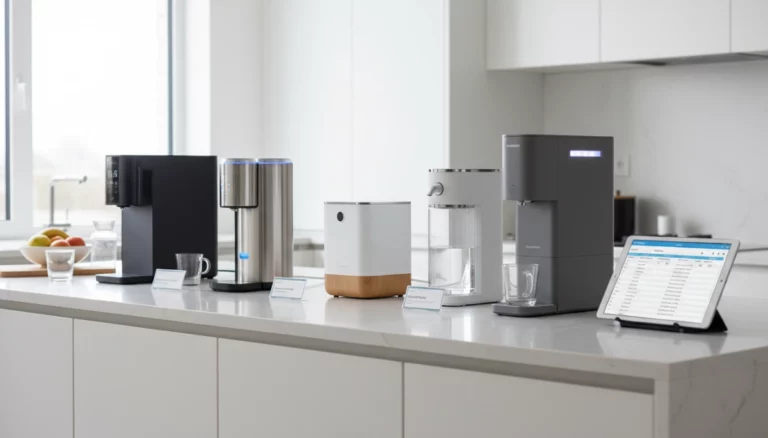
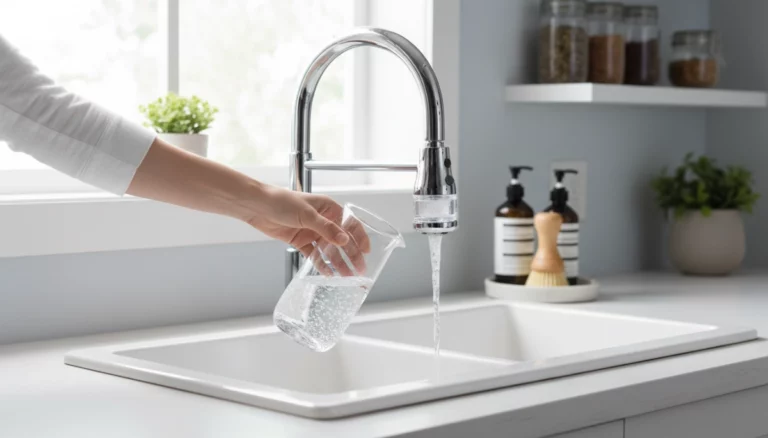
Once you know your contaminants, you need to decide on the delivery method. The market is filled with options ranging from basic pitchers and faucet-mounted units to comprehensive whole house filtration systems.
- Pitchers: Good for low-volume users who just want better taste, but they require frequent refills.
- Under-Sink & Countertop: Ideal for families who need a higher flow rate and dedicated filtration for cooking and drinking without the wait.
- Shower Filters: Often overlooked, installing effective shower filters is crucial for protecting your skin and hair from chlorine and harsh minerals.
Key Considerations for Performance
When comparing models, you need to look past the marketing fluff and focus on the specs that matter.
- Capacity (GPD): Gallons Per Day determines how much water the system can process. High-capacity units are essential for large households to avoid running dry.
- Flow Rate: This dictates how fast the water comes out. A low flow rate can make filling a pot for pasta frustratingly slow.
- Certifications: Always check for NSF certified filters. This ensures the system actually removes the contaminants it claims to, like lead or fluoride.
- Maintenance: Consider the filter lifespan. A cheaper system might end up costing more in the long run if you have to replace the cartridges every month.
If you find yourself constantly refilling a pitcher or waiting on a slow trickle, it is likely time to upgrade to a high-volume, multi-feature solution that can keep up with your daily hydration needs.
The Importance of Replacement

A water filter is only effective if you take care of it. I cannot stress this enough: regular maintenance is not optional; it is essential for safety. Think of your filter cartridge like a sponge. Once it is fully saturated with contaminants, it cannot absorb any more. If you ignore the replacement schedule, you risk “breakthrough,” where the filter actually begins releasing trapped toxins back into your drinking water, making it dirtier than the tap water you started with.
Signs Your Filter Is Expired
You don’t always need a calendar to know it’s time for a change. Your system will usually tell you through performance drops:
- Slower Flow Rate: This is the most common indicator. As mechanical filters trap physical debris, the pores get blocked. This is especially true for a fine 5 micron water filter, which captures tiny sediment particles but can clog up if your water quality is poor.
- Returning Odors or Tastes: If that distinct chlorine smell or a metallic taste creeps back into your water, the activated carbon stage is likely exhausted.
- Visually Dirty Cartridges: For transparent housing units, you can see the darkening of the filter media.
Pro Tips for Longevity
To get the most out of your water filtration process, follow these simple rules:
- Stick to the Schedule: Even if the flow seems fine, bacteria can grow inside a filter that has been used too long. Change it based on the manufacturer’s timeline (usually every 3 to 6 months).
- Flush New Filters: Always run water through a new cartridge for a few minutes to clear out loose carbon dust or air pockets.
- Sanitize Housings: When you swap the cartridge, clean the casing to prevent mold or bacterial buildup.
Frequently Asked Questions
Do water filters remove healthy minerals?
Generally, standard activated carbon filters are designed to leave beneficial minerals like calcium and magnesium in your water. These minerals contribute to the “crisp” taste we all enjoy. However, a powerful reverse osmosis system will remove everything, including minerals, though many modern units include a remineralization stage to add them back in before the water hits your glass.
What’s the difference between a water filter and a purifier?
While people often use the terms interchangeably, there is a technical difference. A “filter” typically relies on physical barriers or carbon to handle sediment, chlorine, and taste. A “purifier” goes a step further, targeting biological contaminants like viruses and excess dissolved solids. For example, undersink reverse osmosis systems are classified as purifiers because they strip water down to its purest form.
How often should I replace my water filter?
To keep your water filtration process effective, you have to stick to a schedule.
- Pitchers/Faucet mounts: Every 2 to 3 months.
- Under-sink filters: Every 6 to 12 months.
- Whole house filtration: Every 3 to 6 months for pre-filters.
Always follow the manufacturer’s filter maintenance tips, as using an expired cartridge can actually release trapped bacteria back into your water.
Can water filters remove bacteria and viruses?
Standard carbon filters do not remove bacteria or viruses. If you are worried about biological risks, you need ultrafiltration technology or UV purification. Understanding how UV light works in a water purifier is key here; it scrambles the DNA of microorganisms so they cannot reproduce, providing a level of safety that basic mesh filters can’t match.
Are water filters worth it for city water?
Absolutely. Even if municipal water meets federal standards, it often travels through aging pipes that can leach lead. Furthermore, city water is treated with sanitizers that leave a chemical aftertaste. Filters provide chlorine removal from water, handle heavy metals, and are increasingly important for tackling emerging threats like PFAS forever chemicals and microplastics filtration that standard treatment plants might miss.
Do shower filters really make a difference for skin and hair?
Yes, a shower water filter can be a game-changer. Municipal water contains chlorine, which is great for killing bacteria in pipes but terrible for the natural oils in your skin and hair. By neutralizing chlorine, these filters prevent dryness, itchiness, and brittle hair texture.