













Are you curious about how UV light transforms your water into a safe, clean drink? Choosing the right water purifier can feel overwhelming, but understanding UV purification makes it simple. As water quality experts, we know you want a reliable, eco-friendly solution for your home or business. That’s where Driplife’s UV water purifiers shine. In this guide, we’ll break down the science behind UV-C light disinfection, reveal why it’s a game-changer for eliminating waterborne pathogens, and show how Driplife delivers pure water without chemicals. Ready to dive into the world of chemical-free water treatment? Let’s get started!
What Is UV Light Purification
UV light purification uses ultraviolet light to clean water by killing harmful microorganisms. Ultraviolet light is a type of invisible radiation, and the specific kind used in water purifiers is called UV-C light. This UV-C light has a wavelength of about 254 nanometers, which is powerful enough to destroy bacteria, viruses, and other germs by breaking down their DNA or RNA.
Unlike other water purification methods such as reverse osmosis (RO) or chemical treatments, UV purification doesn’t remove particles or chemicals from water. Instead, it focuses only on disinfecting by neutralizing microbes. This means UV purification doesn’t change the water’s taste, odor, or chemical makeup. It’s a clean, chemical-free way to make water safer to drink without producing any harmful byproducts.
For more information on different water purification options, check out our guide on types of water purification methods.
The Science Behind UV Light in Water Purifiers
UV-C light works by targeting the DNA or RNA of harmful microorganisms like bacteria, viruses, and protozoa. When these tiny invaders pass through the water purifier, they get exposed to UV-C rays, which damage their genetic material. This stops them from reproducing and effectively kills them.
Here’s how it happens: water flows through a special chamber where a UV lamp is housed. Inside, a quartz sleeve protects the lamp while letting the UV light shine through. The chamber itself is often made of stainless steel to keep things durable and reflective, maximizing the light’s reach. Flow control is important, too—it ensures water moves at the right speed so every microbe gets enough exposure to the UV light.
This process destroys up to 99.99% of harmful microorganisms without changing the water’s taste, smell, or chemical makeup. It’s a clean, chemical-free way to keep your water safe without altering what you drink.
Benefits of UV Light Purification in Driplife Systems
Driplife’s UV water purifiers offer a range of benefits that make them a smart choice for keeping your water safe and clean. Here’s why UV purification stands out:
Chemical-Free
UV light kills harmful microorganisms without adding any chemicals. That means no strange taste or odor in your water and zero harmful byproducts.
Highly Effective
These systems target common waterborne pathogens like E. coli, Giardia, and Cryptosporidium. Driplife’s UV-C light disinfection destroys up to 99.99% of these microbes, giving you peace of mind.
Eco-Friendly
Using about the same energy as a 60-watt light bulb, UV purifiers are energy efficient. Plus, unlike some other systems, they don’t create wastewater, making them better for the environment.
Low Maintenance
With just an annual UV lamp replacement and simple upkeep, Driplife UV water purifiers are easy to care for. No complex parts to worry about.
Ideal for Various Water Sources
Whether your water comes from a well or municipal supply, UV purification handles microbial contamination effectively, making it a versatile choice across different situations common in U.S. households.
Limitations of UV Water Purification

While UV water purifiers are great at killing germs, they have some limits you should know. First, UV light doesn’t remove non-microbial contaminants like heavy metals, chemicals, or sediment. So if your water has stuff like lead or pesticides, you’ll need other filters to handle that.
Another point is UV systems work best with clear water. If the water is cloudy or murky, the UV rays can’t reach the microbes effectively. That’s why a good pre-filtration step is important to clear out particles before UV treatment.
UV water purifiers also depend on electricity to run the germicidal lamp. So during power outages, you won’t have disinfection unless you have backup power.
Finally, UV purification offers no residual protection. This means it only kills microbes while the water passes through the UV chamber. It doesn’t leave anything behind to keep water safe afterward, unlike some chemical disinfectants. So it’s best used where water can be consumed or stored safely right after purification.
How Driplife Enhances UV Purification
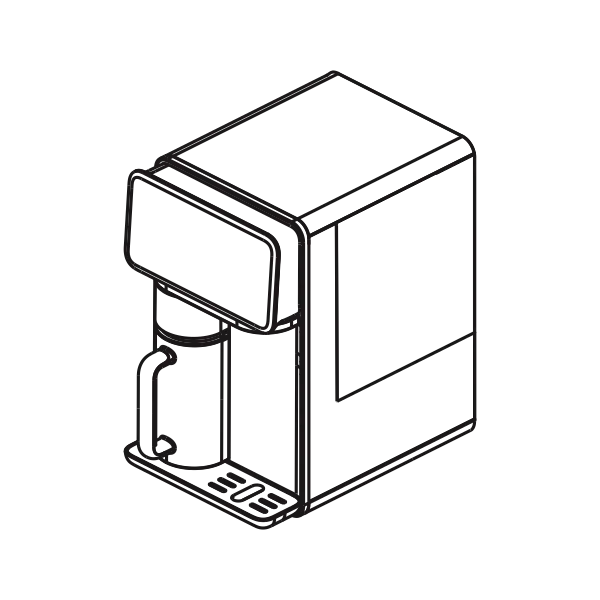
Driplife offers a range of UV water purifiers designed to fit different needs, including point of use models for kitchen taps and whole house systems that protect all your water outlets. This means whether you want clean water just for drinking or for your entire home, Driplife has you covered.
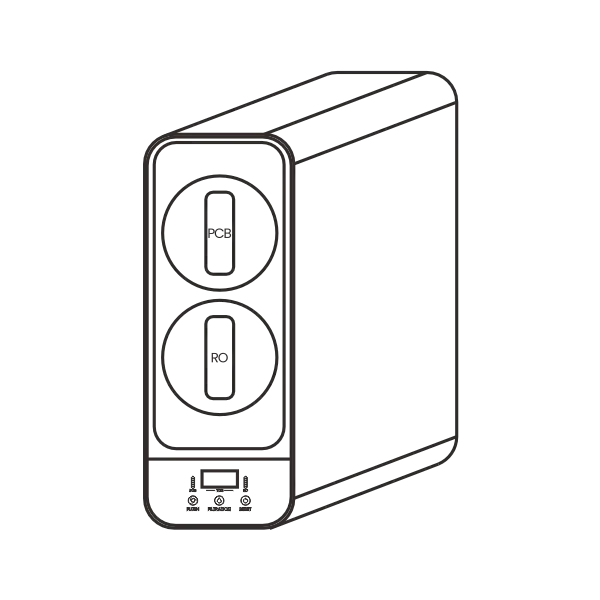
Their systems often work together with pre-filters to remove dirt and sediment before water reaches the UV lamp. This combo ensures the UV-C light can do its job effectively, providing a thorough and reliable water purification system.
Driplife focuses on user-friendly design—their units are easy to install and maintain, with clear instructions and minimal upkeep needed. You won’t have to worry about complicated setups or frequent service calls.
Plus, Driplife UV purifiers meet strict safety and regulatory standards like those from the EPA and NSF. This compliance guarantees you’re getting a trusted, eco-friendly water purifier that’s safe and effective for everyday use in US homes.
Applications of UV Water Purifiers
UV water purifiers are versatile and fit well in many settings around the U.S., especially where water safety is a priority. Here’s how they help:
Residential use
UV purifiers ensure your tap water is safe for drinking and cooking by killing bacteria, viruses, and other harmful microbes. This is especially important in homes relying on municipal water or private wells.
Well water treatment
Many homes get water from private wells, which can be prone to microbial contamination. UV systems provide a chemical-free way to disinfect well water, protecting your family from waterborne pathogens like E. coli and Giardia.
Commercial and industrial use
Businesses in food service, healthcare, and manufacturing use UV purification to meet strict safety and health regulations. It helps maintain clean water that prevents contamination and keeps operations running smoothly.
Emergency preparedness
During boil water advisories, natural disasters, or power outages, having a UV water purifier ensures reliable, on-demand disinfection. It’s a smart addition to any emergency kit, offering safe drinking water without needing chemicals or bottled options.
How to Choose the Right Driplife UV Purifier
Picking the right Driplife UV water purifier comes down to a few key factors that match your specific needs:
- Water source: Is your water from a well, municipal supply, or another source? Well water often needs more treatment, so a strong UV purifier with pre-filtration is ideal.
- Household size and flow rate: Bigger families or higher water use need units that handle greater flow without losing effectiveness.
- Budget: Driplife offers models at different price points. Balance your budget with features like flow rate and system type.
Point of use vs point of entry systems
- Point of use purifiers are installed at a single tap, perfect for drinking and cooking water.
- Point of entry systems treat all water entering your home, giving you whole-house protection.
Importance of pre filtration
UV purifiers work best with clear water. If your water is cloudy or has sediment, adding a pre-filter helps protect the UV lamp and ensures better disinfection.
Maintenance tips for your UV water purifier
- Replace the UV lamp annually to keep the germicidal effect strong.
- Clean the quartz sleeve regularly to stop buildup from blocking UV light.
Choosing the right Driplife UV purifier ensures safe, chemical-free water that fits your home’s size and source. For more on how UV systems work and their benefits, check out Driplife’s UV water purifier system.
Frequently Asked Questions
Is UV water purification safe
Yes, UV water purification is completely safe. It uses ultraviolet light to kill harmful microbes without adding chemicals or changing the water’s taste. It doesn’t produce any dangerous byproducts, making it a clean and reliable way to treat water.
How often should the UV lamp be replaced
Typically, you should replace the UV lamp once a year. Over time, the lamp’s effectiveness drops even if it still lights up. Regular replacement ensures your UV water purifier keeps killing 99.99% of waterborne pathogens.
Can UV purifiers treat cloudy water
UV light works best with clear water because particles can block the rays. If your water is cloudy or murky, it’s important to use a pre-filter to remove sediment before it reaches the UV system. This helps maintain its full germicidal power.
How does UV compare to RO or carbon filters
UV purification targets bacteria, viruses, and protozoa by disrupting their DNA, but it doesn’t remove chemicals, heavy metals, or sediments like RO (reverse osmosis) or carbon filters do. A UV water purifier is great for killing germs and is often used alongside RO or carbon filters for full water treatment.
What pathogens does UV light eliminate
UV-C light in a UV water purifier effectively kills a wide range of harmful microorganisms, including E. coli, Giardia, Cryptosporidium, and many viruses. It destroys about 99.99% of these waterborne pathogens, keeping your drinking water safe without affecting its chemistry.