
















Key Types of Water Methods
As a water expert, I have outlined the key types of water methods in this article. These methods are crucial in selecting the most effective water purifying solution for your needs. From filtration to reverse osmosis, each method has its own advantages, helping you make an informed decision based on their water quality concerns.
Benefits of Water Purifying Solutions
You will benefit from learning about the advantages of utilizing water purifying solutions, such as:
- Removing harmful contaminants
- Improving taste and odor
- Ensuring the safety of drinking water
By understanding the benefits of these solutions, individuals can make informed choices to protect their health, save money, reduce environmental impact, and enjoy access to clean water at all times.
Key Points
- Types of water methods
- Advantages of water purifying solutions
- How to select the right water purifying service
- Common issues and for water purifying solutions
Sorts Of Water Purification Methods
As a specialist in the field of water filtration, I have come across many approaches made use of to supply safe alcohol consumption water. Recognizing these techniques is important for picking the most efficient water purifying option for your demands. Below, I will certainly lay out the key sorts of water filtration methods.
Filtering
Filtering is one of the most usual and reliable techniques of detoxifying water. It includes passing water through a filter tool that eliminates impurities. Filters can vary from straightforward cloth filters to intricate systems using turned on carbon or ceramic filters. The performance of filtration depends upon the filter medium used and the pollutants existing in the water.
Reverse Osmosis
Reverse osmosis (RO) is an extremely efficient purification method that utilizes a semi-permeable membrane to eliminate ions, molecules, and larger fragments from drinking water. This approach is especially reliable at getting rid of impurities such as salts, germs, and chemicals. RO systems often integrate multiple phases of filtering to boost water quality.
Purification
Distillation entails boiling water to create vapor, which is then compressed back into liquid type, leaving contaminations behind. This technique is extremely effective at getting rid of a wide variety of contaminants, including hefty steels, salts, and microorganisms. Nonetheless, it can be energy-intensive and slow-moving contrasted to other approaches.
Ultraviolet (UV) Treatment
Ultraviolet (UV) therapy utilizes UV light to sanitize water by shutting down hazardous bacteria such as microorganisms, viruses, and protozoa. While UV treatment is very reliable for disinfection, it does not get rid of chemical contaminants or particulates. It is typically used in combination with other filtration methods.
Chlorination
Chlorination entails including chlorine or chlorine substances to water to kill bacteria and other pathogens. This approach is extensively utilized in metropolitan water treatment due to its efficiency and affordable. Nonetheless, it may leave an aftertaste and create byproducts that some locate unfavorable.
Turned On Carbon Adsorption
Triggered carbon adsorption makes use of activated carbon to eliminate organic substances, chlorine, and other chemicals from water. This method is generally utilized in home water purifiers and works at improving taste and smell. However, it does not remove all kinds of pollutants.
Ceramic Purification
Ceramic filtering utilizes permeable ceramic materials to filter out germs, sediment, and various other particulates from water. This approach is easy, economical, and suitable for both home and community-level water filtration.
| Approach | Performance | Secret Impurities Gotten Rid Of | Cost |
|---|---|---|---|
| Filtration | Modest to High | Particulates, Some Chemicals | Reduced to Moderate |
| Reverse Osmosis | Extremely High | Ions, Molecules, Big Particles | High |
| Purification | Extremely High | Heavy Metals, Salts, Microorganisms | High |
| UV Treatment | High | Microbes | Modest |
| Chlorination | High | Bacteria, Viruses | Low |
| Triggered Carbon Adsorption | Moderate | Organic Substances, Chlorine | Moderate |
| Ceramic Filtering | Modest to High | Microorganisms, Sediment | Low |
Each of these approaches uses special advantages and restrictions, making it necessary to take into consideration the certain water quality concerns you encounter when selecting a water purifying solution.
Advantages of Utilizing Water Purifying Solutions
When considering the quality of water for intake, water purifying remedies offer numerous benefits that are critical for making certain both safety and security and health. Primarily, these remedies are developed to get rid of damaging pollutants such as germs, infections, and chemical pollutants, which can trigger a variety of health and wellness problems. By eliminating these pollutants, purified water dramatically minimizes the threat of waterborne conditions, offering a crucial guard for public health and wellness.
Furthermore, water purifying remedies improve the preference, odor, and overall top quality of drinking water. Many faucet water resources can have an undesirable preference or smell as a result of chlorine, debris, or organic materials. Filtration processes such as carbon purification and reverse osmosis can effectively resolve these problems, leading to water that is not just secure to drink yet likewise much more pleasurable.
An additional substantial benefit of utilizing water detoxifying remedies is their capacity to get rid of hefty steels like lead and mercury, which are particularly hazardous over lasting direct exposure. These contaminants are frequently existing in maturing supply of water facilities and can position major health threats, particularly to susceptible populations like children and pregnant females. By utilizing innovative purification technologies, these services make sure that such unsafe components are effectively removed.
Moreover, the use of water detoxifying solutions can lead to considerable financial benefits. Although there is a first investment in buying and mounting these systems, they can reduce the dependence on bottled water, which is both expensive and environmentally detrimental. Over time, the savings from not having to buy bottled water can counter the initial expenses of the purification system.
Ecological sustainability is another crucial benefit. Bottled water consumption adds to plastic waste, which has substantial environmental effects. By taking on water cleansing remedies, houses and services can decrease their plastic footprint, promoting an extra lasting and green lifestyle.
Finally, these options provide ease and ease of access. Lots of modern filtration systems are made to be easy to use, calling for very little maintenance while supplying continual accessibility to clean water. This benefit makes sure that safe drinking water is conveniently offered in all times, improving overall high quality of life.
Exactly how to Select the Right Water Purifying Service
Selecting the ideal water cleansing service calls for a complete understanding of numerous aspects that influence the performance and suitability of different techniques. Here are essential considerations to lead your choice:
1. Water High Quality Assessment
Begin by analyzing the quality of your water resource. Different pollutants require different purification methods. For example:
| Pollutant | Advised Solution |
|---|---|
| Bacteria and Viruses | Ultraviolet (UV) Filters, Reverse Osmosis (RO) |
| Hefty Metals (e.g., Lead, Mercury) | Triggered Carbon Filters, RO |
| Chemical Pollutants | Turned On Carbon Filters |
| Tough Water (Calcium, Magnesium) | Water Conditioners, RO |
2. Filtration Capacity
Consider the quantity of water you require to purify daily. Family needs differ substantially from industrial needs. Make certain that the picked option can manage your water intake effectively.
3. Maintenance and Operational Costs
Examine both the preliminary investment and the continuous upkeep prices. Some systems, like RO, need routine filter replacements and eat even more energy. Budget plan for these persisting expenditures to stay clear of future troubles.
4. Installment Area and Needs
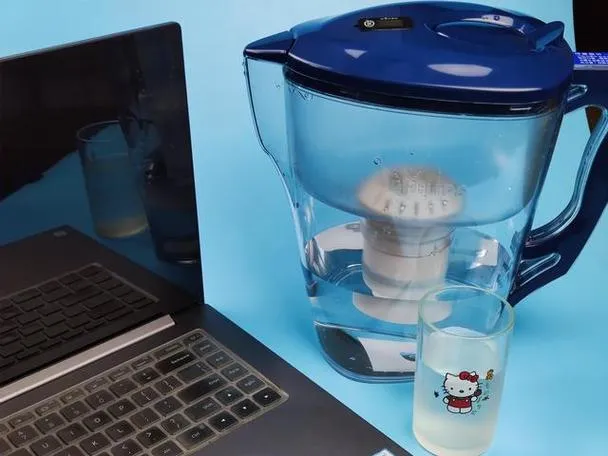
Different systems have differing area and setup requirements. A kitchen counter water filter could be perfect for a tiny kitchen, while an under-sink RO system calls for even more area and specialist setup. Analyze your available area prior to deciding.
5. Ecological Effect
Consider the ecological impact of your picked technique. For instance, RO systems generate wastewater, which can be a concern in areas with water scarcity. Choose for green options like gravity-based cleansers if lessening environmental impact is a concern.
6. Accreditation and Compliance
Guarantee that the water detoxifying service satisfies appropriate safety and security and quality standards. Try to find certifications from respectable organizations such as the NSF (National Hygiene Structure) or the WQA (Water Quality Association) to guarantee reputable performance and security.
7. User Evaluations and Suggestions
Study user testimonials and look for suggestions from relied on resources. Real-world experiences can provide useful insights into the performance, dependability, and convenience of use of various filtration techniques.
By taking into consideration these aspects, you can choose the most proper water cleansing service that satisfies your specific needs and ensures safe, clean alcohol consumption water.

Usual Issues and Troubleshooting for Water Purifying Solutions
When utilizing water purifying services, a number of common issues can occur, each calling for details fixing actions. Attending to these issues immediately makes certain the efficiency and longevity of your water filtration system.
1. Lowered Water Flow
One regular concern is an obvious decline in water flow. This can be due to clogged filters or accumulation of debris. To solve this, consistently check and replace filters as recommended by the producer. Cleansing the inlet and outlet points can additionally aid keep proper circulation.
2. Undesirable Preference or Odor
Another issue is the existence of an unpleasant preference or smell in the purified water. This can result from pollutants that the filter is not able to remove or the demand to alter the filter. Guarantee filters are changed on time and consider making use of a carbon filter to enhance preference and scent.
3. Filter Leakage
Leakages around the filter location can occur because of improper installation or worn-out seals. Verify that all parts are appropriately constructed and replace any kind of damaged seals or parts to stop leak.
4. Insufficient Filtration
Sometimes, water may not be fully detoxified, resulting in health dangers. This can be brought on by tired filters or system breakdowns. Regularly monitor the filtration system’s efficiency and abide by upkeep timetables. Making Use Of a TDS (Complete Dissolved Solids) meter can aid in evaluating water top quality.
5. Noise and Resonance
Too much noise or resonance can indicate mechanical concerns within the system. Examine the internal components for any kind of loose components and guarantee the system is safely placed. If noise lingers, consult the maker for possible part substitutes.
| Problem | Feasible Cause | Troubleshooting Steps |
|---|---|---|
| Decreased Water Flow | Clogged Filters, Sediment Accumulation | Inspect and replace filters, clean inlet and electrical outlet points |
| Unpleasant Preference or Smell | Impurities, Old Filters | Replace filters, make use of a carbon filter |
| Filter Leakage | Incorrect Setup, Worn Seals | Reassemble parts, replace seals |
| Incomplete Filtration | Overused Filters, System Breakdown | Screen performance, usage TDS meter, comply with maintenance schedule |
| Sound and Resonance | Mechanical Problems, Loose Parts | Inspect and safeguard elements, get in touch with manufacturer |
By being aware of these common problems and adhering to the proper repairing actions, you can guarantee that your water cleansing service continues to be reliable and reputable. Regular upkeep and prompt attention to problems will certainly aid provide risk-free and clean alcohol consumption water continually.
FAQs about Water Purifying Solutions
What are the primary types of water methods?
There are several primary types of water methods, including, reverse osmosis, distillation, ultraviolet (UV) treatment, chlorination, activated carbon adsorption, and ceramic. Each method has its own and based on the present in the water.
What are the benefits of using water purifying solutions?
Using water purifying solutions offers numerous benefits, including the of harmful, in taste and odor of drinking water, removal of heavy metals, economic savings,, and in accessing clean water.
How can I choose the right water purifying solution?
Choosing the right water purifying solution involves factors such as water quality, capacity, and costs, space and, impact, and, and user reviews and. By these factors, you can select a solution that meets your specific needs.
What are some common issues and tips for water purifying solutions?
Common issues with water purifying solutions include reduced water flow, taste or odor, filter leakage,, and noise and vibration. Troubleshooting steps include checking and replacing filters, cleaning inlet and outlet points, using carbon filters for taste, reassembling parts, system, and the for issues.