















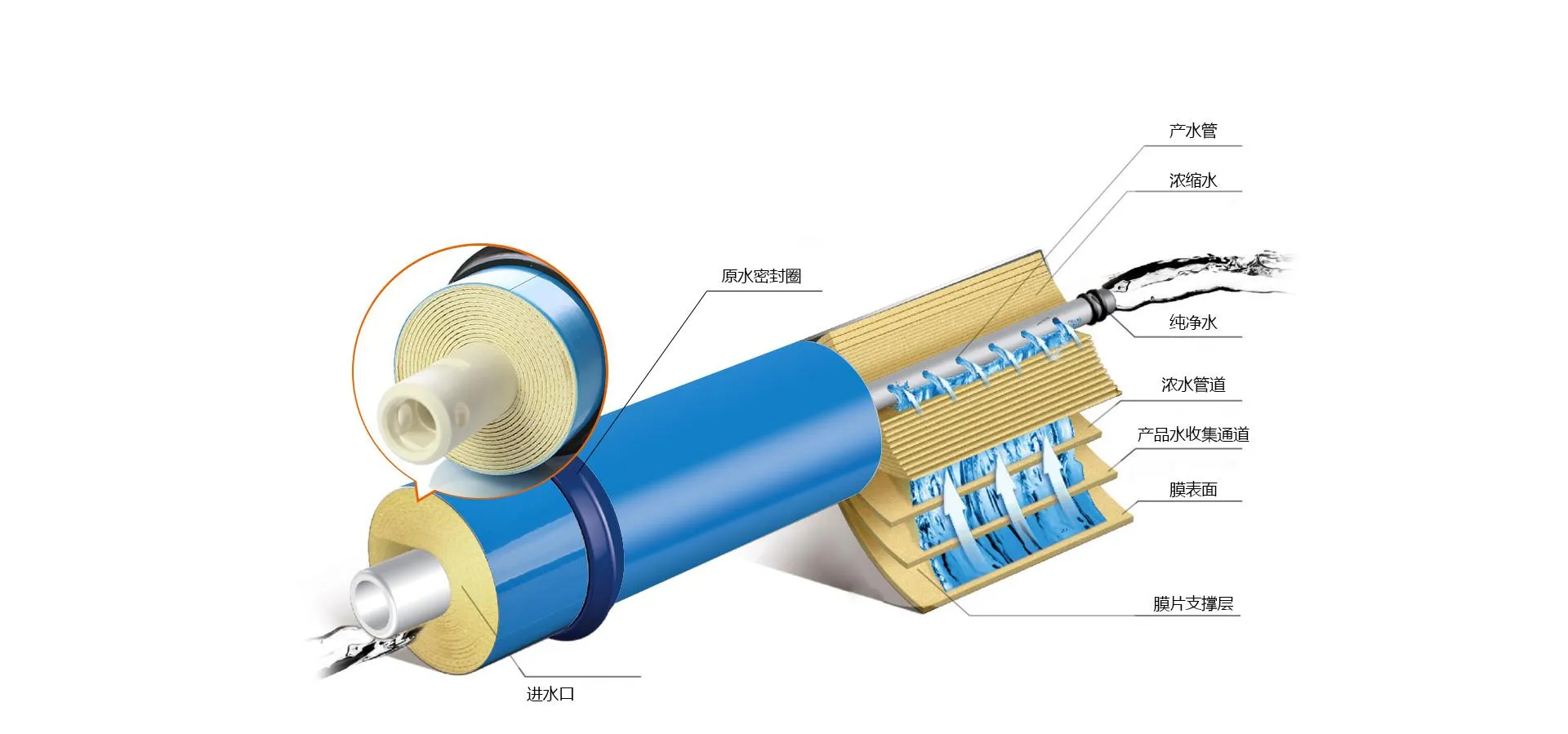
As someone with extensive experience in water purification, I will elucidate the vital differences between RO and UF filtering technologies. Understanding these differences is crucial for anyone looking to choose the most suitable filtration system based on specific requirements and resources.
You will benefit from learning about the purification mechanisms, membrane pore sizes, energy and water efficiency, complexity and maintenance, water quality, and cost and maintenance considerations of both RO and UF systems. This knowledge will help them make informed decisions when it comes to selecting the right water filtration technology for their specific needs.
Key Points
- RO uses semipermeable membrane, UF uses larger pore size
- RO pore size: 0.0001 microns, UF pore size: 0.01-0.1 microns
- RO requires more energy, produces more wastewater; UF consumes less energy, has higher water recovery rate
- RO systems are more complex, require higher maintenance; UF systems are simpler, require less maintenance
- RO produces highly purified water; UF does not produce the same level of purity
- RO suitable for wide range of contaminants; UF suitable for suspended solids, bacteria, viruses
- RO has higher initial and operating costs; UF has lower initial and operating costs, easier maintenance
- RO removes dissolved salts, heavy metals, bacteria, viruses, organic compounds; UF removes larger particles, bacteria, some viruses
Secret Distinctions Between RO and UF Filtering Technologies
When it comes to water purification, Reverse Osmosis (RO) and Ultrafiltration (UF) stand for 2 of the most popular innovations. Each system operates distinctive concepts and offers special benefits relying on the application. Below, I will certainly elucidate the vital differences between RO and UF filtering technologies, based upon my considerable experience in the field.
Purification Mechanism
The primary difference in between RO and UF depends on their filtration mechanisms. RO makes use of a semipermeable membrane layer to remove ions, molecules, and bigger particles from drinking water. This process involves applying pressure to get over osmotic stress, therefore allowing water particles to travel through while maintaining pollutants.
On the other hand, UF makes use of a membrane layer with larger pore sizes compared to RO. It runs under reduced stress and successfully removes suspended solids, germs, and some bigger organic particles. However, it does not eliminate dissolved salts or little molecules as successfully as RO.
Membrane Layer Pore Size
The effectiveness of these filtering systems is greatly established by the dimension of their membrane layer pores:
| Innovation | Pore Size | Common Contaminants Gotten Rid Of |
|---|---|---|
| RO | 0.0001 microns | Ions, heavy metals, liquified salts, bacteria, infections |
| UF | 0.01 to 0.1 microns | Bacteria, protozoa, some infections, big organic molecules |
Power and Water Performance
An additional important distinction remains in power consumption and water performance. RO systems normally require more energy because of the high pressure required to drive water via the membrane layer. Additionally, RO systems create a significant quantity of wastewater; for each gallon of detoxified water, numerous gallons may be lost.
UF systems, on the various other hand, operate at reduced pressure and for that reason take in much less energy. They also have a higher water recovery price, producing less wastewater contrasted to RO systems.
Complexity and Upkeep
RO systems are typically a lot more intricate due to the demand for high-pressure pumps and elaborate filtering arrangements. This complexity equates into higher upkeep demands and costs, including routine replacement of pre-filters, RO membrane layers, and post-filters.
UF systems are simpler in style and procedure. They require less upkeep, mostly involving regular cleaning of the membrane and less constant substitute contrasted to RO systems. This makes UF systems more easy to use and economical in regards to maintenance.
Water High quality
The high quality of water generated by each system varies dramatically. RO gives highly purified water, frequently made use of in applications calling for the removal of virtually all pollutants, including liquified salts and heavy steels. This makes RO suitable for drinking water systems, pharmaceutical applications, and industrial processes calling for high pureness water.
UF, while effective at getting rid of bigger bits and pathogens, does not generate the same degree of pureness as RO. It is better fit for applications where the key issue is the removal of germs and suspended solids, such as in local water treatment and pretreatment for other filtering systems.
To sum up, the selection in between RO and UF filtration modern technologies rests on certain needs pertaining to contaminant elimination, power performance, upkeep factors to consider, and water quality needs.
Applications and Viability of RO and UF Equipments
When contrasting RO (Opposite Osmosis) and UF (Ultrafiltration) systems, it is critical to understand their certain applications and suitability for different contexts. Each technology offers distinctive benefits depending upon the quality of the water source and the wanted result.
RO systems are specifically appropriate for applications calling for the elimination of a vast array of contaminants, including liquified salts, heavy metals, and numerous natural particles. These systems are commonly utilized in drinking water filtration for domestic, commercial, and industrial purposes. RO is likewise employed in applications such as desalination, where the removal of salt from salt water or briny water is needed to generate potable water.
On the other hand, UF systems are generally better for applications where the emphasis gets on eliminating put on hold solids, germs, and infections, instead than liquified ions. Ultrafiltration is often utilized in wastewater therapy, as it successfully eliminates microorganisms and particle matter, making the water secure for reuse or discharge. Additionally, UF is used in the food and beverage market, pharmaceutical manufacturing, and as a pre-treatment action for RO systems to protect the RO membrane layers from fouling.
One of the vital considerations in selecting between RO and UF systems is the high quality of the feed water. For water sources with high degrees of dissolved contaminants, RO systems are usually more efficient. Alternatively, for resources with lower degrees of dissolved compounds but greater concentrations of suspended particles and bacteria, UF systems supply an efficient and affordable solution.
It is likewise vital to take into consideration the certain application needs. For circumstances, in circumstances where water recuperation and waste minimization are important, UF systems might be favored due to their greater healing rates and lower waste production contrasted to RO systems. In comparison, for applications requiring high-purity water, such as in the semiconductor sector or laboratory settings, RO systems are usually crucial.
In summary, the viability of RO and UF systems relies on the nature of the water resource and the particular demands of the application. Recognizing these differences makes it possible for the choice of one of the most ideal filtration technology to attain the preferred water high quality results.
Expense and Maintenance Factors To Consider for RO and UF Filters
When assessing the difference in between RO and UF filtering, it is important to consider the expenses and maintenance demands of each system. These factors can substantially impact the lasting stability and benefit of the selected filtering method.
Preliminary Prices: The upfront expense of Reverse Osmosis (RO) systems is usually higher than that of Ultrafiltration (UF) systems. This is due to the complicated parts and advanced innovation entailed in RO purification, which includes multiple phases of filters and a high-pressure pump. In contrast, UF systems are normally simpler and extra affordable to mount.
Running Costs: The continuous operating budget likewise vary in between both modern technologies. RO systems call for more energy due to the high pressure needed to press water with the semi-permeable membrane layer. In addition, RO systems commonly generate wastewater that needs to be managed, which can raise operational prices. UF systems run at lower stress and do not produce wastewater, making them more energy-efficient and eco-friendly.
Upkeep Requirements: Both RO and UF systems require regular maintenance to make certain ideal efficiency, yet the specifics vary. RO systems have a lot more elements that need attention, such as pre-filters, membrane layers, and storage space tanks. These aspects should be routinely inspected and changed to keep water top quality. UF systems, with less elements, tend to be less complicated to maintain. Nonetheless, their membranes additionally need periodic cleaning or replacement to stop fouling and maintain purification effectiveness.
| Facet | RO Filtering | UF Purification |
|---|---|---|
| First Price | Greater | Reduced |
| Running Price | Greater | Reduced |
| Energy Usage | High | Reduced |
| Upkeep Complexity | High | Reduced |
| Waste Production | Yes | No |
Part Life-span: The life expectancy of filtration parts can additionally influence maintenance schedules and expenses. RO membranes usually last in between 2 to 5 years, depending on the water top quality and system usage. Pre-filters in RO systems need to be replaced a lot more frequently, around every 6 to one year. UF membranes, on the various other hand, can last up to 5 years with proper maintenance, and the regularity of cleansing or replacement depends upon the details water conditions and contamination degrees.
In summary, while RO systems might involve greater first and functional prices along with even more complex upkeep, they provide advanced filtration capacities that are important for eliminating a wider variety of impurities. UF systems, though less pricey and less complicated to maintain, appropriate for applications where reduced degrees of filtering are acceptable. Comprehending these differences is important for selecting the ideal filtration system based on certain requirements and resources.
Water Quality and Contaminant Elimination: RO vs. UF
When it involves water high quality and pollutant removal, the distinctions between Reverse Osmosis (RO) and Ultrafiltration (UF) are substantial. Comprehending these distinctions is important for picking the ideal system for your particular needs.
Reverse Osmosis (RO) is recognized for its ability to get rid of a wide variety of pollutants, including dissolved salts, hefty metals, microorganisms, infections, and natural compounds. This high level of filtration is achieved with a semi-permeable membrane that allows only water molecules to go through, effectively getting rid of fragments as little as 0.0001 microns. As a result, RO systems can generate water that is nearly pure, making them suitable for applications needing top notch water, such as in laboratories, pharmaceuticals, and certain industrial procedures.
In contrast, Ultrafiltration (UF) utilizes a membrane with larger pores, generally around 0.01 to 0.1 microns, which allows it to filter out bigger particles, bacteria, and some viruses, however not dissolved salts or smaller sized natural molecules. UF systems are effective in enhancing the aesthetic top quality of water by eliminating turbidity, particulates, and microbial contaminants. They are often utilized in applications where the removal of these pollutants suffices, such as in community water therapy, residential water purification, and pre-treatment for RO systems.
| Filtration Approach | Pore Size | Pollutants Removed | Normal Applications |
|---|---|---|---|
| Reverse Osmosis (RO) | 0.0001 microns | Dissolved salts, heavy metals, bacteria, infections, organic substances | Laboratories, drugs, industrial processes |
| Ultrafiltration (UF) | 0.01-0.1 microns | Particulates, bacteria, some infections | Metropolitan water therapy, property purification, pre-treatment for RO |
One of the essential differences hinges on the kinds of contaminants each system can properly get rid of. While RO gives a detailed purification efficient in creating almost distilled water, UF concentrates on getting rid of bigger pollutants and boosting water quality and microbial safety. As a result, selecting between RO and UF mostly depends upon the details impurities existing in the water and the desired high quality of the output water.
Additionally, the selection in between RO and UF can influence the preference and mineral material of the water. RO systems, by eliminating most liquified minerals, can lead to water that tastes flat to some consumers. On the various other hand, UF systems maintain these minerals, commonly leading to water that is more tasty while still being secure to drink.
In recap, the choice in between RO and UF must be based on an analysis of the water’s present high quality and the specific requirements of completion use. Both technologies have their staminas and are fit to different scenarios, making it vital to examine the requirements very carefully to choose one of the most suitable system.
FAQs About RO and UF Filtration Technologies
What is the primary difference between RO and UF filtration mechanisms?
The primary difference lies in their filtration mechanisms. RO uses a semipermeable membrane to remove ions, molecules, and larger particles from drinking water, while UF uses a membrane with larger pore sizes to remove suspended solids, bacteria, and some larger organic molecules.
How do the membrane pore sizes of RO and UF systems differ?
RO systems have a membrane pore size of 0.0001 microns, while UF systems have a pore size ranging from 0.01 to 0.1 microns.
What are the energy and water efficiency differences between RO and UF systems?
RO systems typically require more energy due to high pressure and produce more wastewater, while UF systems operate at lower pressure, consume less energy, and have a higher water recovery rate.
How do the complexity and maintenance requirements of RO and UF systems differ?
RO systems are more complex and require higher maintenance due to intricate filtration setups, while UF systems are simpler in design and operation, requiring less maintenance.
What are the differences in water quality produced by RO and UF systems?
RO provides highly purified water, suitable for applications requiring the removal of virtually all contaminants, including dissolved salts and heavy metals. UF, while effective at removing larger particles and pathogens, does not produce the same level of purity as RO.
What are the specific applications and suitability of RO and UF systems?
RO systems are well-suited for applications requiring the removal of a wide range of contaminants, including dissolved salts, heavy metals, and various organic molecules. UF systems are generally more suitable for applications where the focus is on removing suspended solids, bacteria, and viruses, rather than dissolved ions.
How do the initial costs, operating costs, and maintenance requirements of RO and UF systems differ?
RO systems have higher initial and operating costs and require more complex maintenance, while UF systems have lower initial and operating costs and are easier to maintain.
What are the differences in water quality and contaminant removal between RO and UF systems?
RO systems can remove a broad range of contaminants, including dissolved salts, heavy metals, bacteria, viruses, and organic compounds, while UF systems focus on removing larger particles, bacteria, and some viruses, but not dissolved salts or smaller organic molecules.