As someone deeply acquainted with the ins and outs of water filtration, I can with confidence support for the benefits of reverse osmosis water for home use. Reverse osmosis (RO) systems offer an array of benefits that can significantly improve the top quality of the water you take in and utilize daily.
First and leading, RO water systems are extremely efficient at removing impurities. These systems use a semi-permeable membrane to remove contaminants such as lead, mercury, chlorine, fluoride, and numerous other liquified solids. The outcome is water that is not just safe but likewise tastes and scents much better.
Benefits of Reverse Osmosis Water for Home Usage
The health and wellness advantages are considerable. By removing unsafe compounds, reverse osmosis water helps in reducing the threat of waterborne illness and exposure to potentially toxic components. This is particularly essential for households with youngsters, the senior, or anyone with endangered immune systems.
In terms of environmental impact, making use of an RO system can be much more sustainable than counting on mineral water. It reduces plastic waste and the carbon footprint connected with production and carrying bottled water.
Expense effectiveness is an additional major advantage. While the first investment in an RO system may seem high, it often pays for itself with time. The cost per gallon of purified water is dramatically less than buying mineral water, causing long-lasting financial savings.
| Advantages | Information |
|---|---|
| Contamination Elimination | Eliminates lead, mercury, chlorine, fluoride, and liquified solids |
| Health and wellness Perks | Lowers risk of waterborne conditions and poisonous aspect exposure |
| Environmental Effect | Decreases plastic waste and carbon impact |
| Cost Performance | Lower long-lasting cost per gallon compared to mineral water |
In recap, the benefits of integrating a reverse osmosis water system right into your home are multifaceted. From boosting the safety and taste of your water to offering environmental and economic advantages, RO systems stand for a worthwhile financial investment in your family members’s health and wellness and health.
Just How Reverse Osmosis Systems Work
Reverse osmosis (RO) systems are extremely reliable in supplying clean and risk-free drinking water for home usage. At their core, these systems utilize a semipermeable membrane layer to eliminate contaminations and pollutants from water, guaranteeing that the water you eat is of premium quality. Recognizing exactly how these systems job can assist you make notified decisions concerning their setup and upkeep.
The Refine of Reverse Osmosis
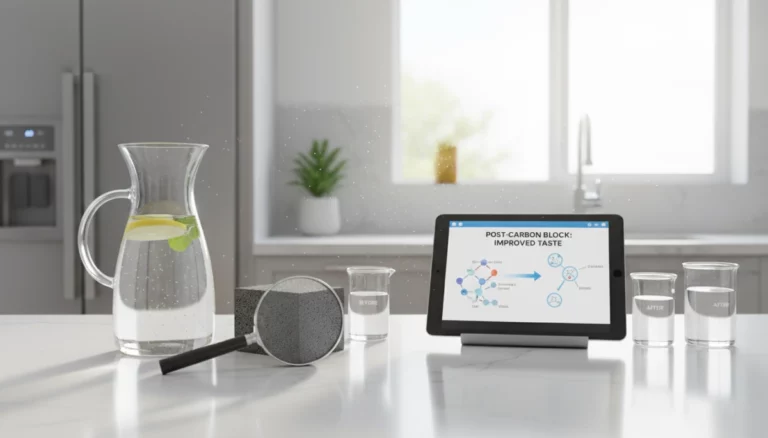
The reverse osmosis procedure includes a number of phases, each created to strain various types of contaminants. Initially, water goes through a pre-filtration phase where sediment and larger bits are gotten rid of. This phase typically consists of a carbon filter that assists in eliminating chlorine and other chemicals that can damage the RO membrane layer.
The following essential step is where the reverse osmosis membrane layer comes into play. Water is compelled through this semipermeable membrane layer under pressure. The membrane’s tiny pores enable only water particles to go through while rejecting liquified salts, organic molecules, and other impurities. This stage is vital for reducing impurities such as lead, mercury, fluoride, arsenic, and a host of various other unsafe materials.
Post-Filtration and Storage space
After travelling through the RO membrane, the water experiences a post-filtration phase. This usually entails one more carbon filter that brightens the water, eliminating any staying tastes or smells. The clean water is then stored in a tank, all set for use.
When you switch on your tap, the cleansed water is attracted from the tank and travels through one final filter prior to it reaches your glass. This makes certain that the water you drink is fresh and devoid of any type of recurring contaminants that could have been grabbed during storage space.
Performance and Waste Management
One of the considerations with reverse osmosis systems is the administration of waste water. The procedure produces wastewater that has the focused contaminants turned down by the membrane. Usually, for each gallon of cleansed water generated, an RO system may release 2 to 3 gallons of drainage. However, modern systems are becoming extra reliable, with some high-end models considerably lowering the quantity of drainage produced.
In recap, reverse osmosis systems resolve a detailed multi-stage filtration procedure, leveraging the residential or commercial properties of a semipermeable membrane layer to make certain the water in your home is tidy, safe, and positive to drink. By understanding the operations of these systems, house owners can much better value their benefits and manage their maintenance better.