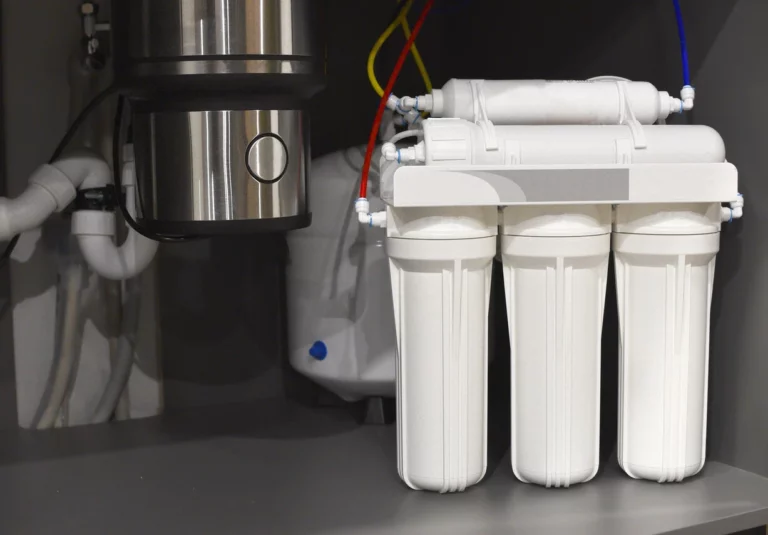


















This article delves into the extensive benefits of RO water, highlighting its impact on health, environment, and economy. By effectively removing contaminants, RO water improves digestive health, supports kidney function, and provides a safer drinking option for vulnerable populations. It also helps in reducing bottled water consumption, thereby cutting down plastic waste and conserving water.
You will benefit from understanding how RO water can lead to significant cost savings by reducing the need for bottled water and extending the lifespan of household appliances. Additionally, the article outlines the environmental advantages, such as minimizing contamination of natural water bodies and lowering energy usage with modern RO systems. Embracing RO water can enhance both personal well-being and contribute to broader ecological sustainability.
Key Points
- RO water effectively removes contaminants.
- It enhances digestive health by reducing harmful microbes.
- RO water improves kidney function.
- It provides safe drinking water for vulnerable groups.
- Reduces bottled water consumption, cutting plastic waste.
- Promotes water conservation with efficient systems.
- Minimizes contamination of natural water bodies.
- Reduces energy usage with modern RO systems.
- Cost savings on bottled water and appliance maintenance.
- Extends the lifespan of household appliances.
- Improves the efficiency of cleaning appliances.
- Prevents corrosion in plumbing systems.
- Significant savings for businesses using high-quality water.
Health Benefits of RO Water
As a professional in the area, I can with confidence go over the countless health and wellness benefits of RO water. Reverse Osmosis (RO) water is known for its ability to effectively remove contaminants, making it a highly beneficial option for drinking water. One of the key health and wellness benefits of RO water is its capacity to get rid of a large range of contaminations, consisting of hefty steels, pesticides, and chlorine, which can have detrimental results on wellness gradually.
RO water is particularly helpful for people with compromised body immune systems, such as the elderly or those with persistent health problems, as it gives a safer and cleaner drinking choice. By getting rid of impurities that can trigger stomach problems, RO water helps in maintaining a much healthier digestive system. Furthermore, it considerably lowers the presence of damaging microbes, thereby lowering the danger of waterborne illness.
Another key health and wellness benefit of RO water is its contribution to preserving ideal kidney function. By reducing the intake of harmful materials, the kidneys are much less burdened, permitting them to function more efficiently. This is particularly crucial for individuals prone to kidney rocks or various other kidney-related issues.
| Wellness Benefit | Description |
|---|---|
| Elimination of Contaminants | Eliminates heavy steels, chemicals, and chlorine |
| Enhanced Digestive Health | Lowers intestinal concerns by eliminating unsafe microbes |
| Improved Kidney Function | Reduces the worry on kidneys by reducing consumption of harmful substances |
| Safe for Vulnerable Groups | Supplies cleaner alcohol consumption water for the senior and those with chronic health problems |
In recap, the health benefits of RO water are considerable, making it a superb selection for anyone wanting to enhance their total health through much safer and cleaner drinking water.
Environmental Advantages of Using RO Water
Utilizing reverse osmosis (RO) water offers a number of significant environmental advantages that add to a healthier planet. One of the primary benefits is the decrease of bottled water consumption. By utilizing RO systems, houses and organizations can substantially reduce the acquisition of single-use plastic bottles, consequently decreasing plastic waste and its involved ecological impact. This reduction in plastic waste not just assists in conserving aquatic ecological communities but also lowers the energy usage and carbon exhausts associated with the production, transportation, and disposal of plastic containers.
In addition, RO water supply boost water conservation initiatives. Conventional water treatment approaches often lead to substantial water loss; nevertheless, advanced RO systems are designed to be more reliable, lessening the quantity of water thrown away throughout the purification procedure. This improved performance is crucial in locations facing water scarcity, as it promotes the lasting use offered water resources.
One more vital ecological advantage of RO water is its role in minimizing the contamination of natural water bodies. By filtering out damaging pollutants, hefty metals, and chemicals, RO systems protect against these toxins from being released into rivers, lakes, and seas. This adds to the protection of marine life and the preservation of biodiversity. In addition, making use of RO water in farming techniques can bring about healthier crop production without the unfavorable influences of polluted irrigation water, further supporting sustainable farming methods.
Finally, the execution of RO water systems can cause a decrease in power usage. Traditional water filtration and desalination processes can be highly energy-intensive. On the other hand, modern-day RO systems are created to be more energy-efficient, which not only reduces electrical power use however likewise reduces greenhouse gas emissions. This energy performance is a critical aspect in alleviating the general environmental influence of water treatment procedures.
Economic Benefits of RO Water Systems
Among the most engaging factors to spend in a Reverse Osmosis (RO) water supply is its financial benefits. These systems, while calling for a preliminary financial investment, deal significant price financial savings in time.
First of all, the price of bottled water can be a substantial cost for houses and companies. By mounting an RO water system, the need for purchasing bottled water is considerably lowered or gotten rid of, resulting in considerable cost savings. For instance:
| Expense | Annual Cost |
|---|---|
| Bottled Water (Family of Four) | $ 600 – $1200 |
| RO System Maintenance | $ 100 – $200 |
| Total amount Savings | $ 500 – $1000 |
Additionally, an RO system can prolong the life-span of family appliances such as coffee manufacturers, ice machines, and humidifiers. Difficult water, which has high degrees of minerals, can create scaling and build-up, resulting in boosted upkeep expenses and much shorter appliance life expectancies. With RO water, these home appliances experience less concerns, reducing fixing and substitute costs.
Furthermore, pipes systems take advantage of making use of RO water. Tough water can cause clogged pipes and minimized water circulation, necessitating pricey plumbing repair services. RO water aids to minimize these troubles, causing less upkeep expenditures. The complying with table shows possible financial savings:
| Expense | Cost Without RO Water | Cost With RO Water |
|---|---|---|
| Home appliance Maintenance | $ 150 – $300 | $ 50 – $100 |
| Pipes Repairs | $ 200 – $500 | $ 50 – $100 |
Moreover, services that count on top quality water, such as restaurants and food handling plants, can see substantial economic advantages. RO water ensures a constant and premium water, which can improve item top quality and decrease waste, adding to far better productivity.
RO Water and Its Impact on Household Appliances and Plumbing
Reverse osmosis (RO) water can dramatically improve the long life and performance of family home appliances and plumbing systems. By getting rid of impurities and minerals, RO water aids to avoid scale build-up and corrosion, which are typical problems in devices like coffee makers, dish washers, and water heating units. This can bring about fewer fixings and a longer life-span for these devices.
Additionally, making use of RO water can enhance the efficiency of home appliances. As an example, dishwashing machines and washing equipments that utilize RO water have a tendency to cleanse extra successfully, as the lack of minerals enables cleaning agents to function a lot more efficiently. This not just boosts the tidiness of recipes and clothes but likewise lowers the quantity of detergent needed, providing both economic and ecological advantages.
When it involves plumbing, RO water can play an essential role in preserving the stability of pipelines and components. The removal of impurities such as chlorine, which can be destructive, helps to decrease the deterioration on plumbing materials. This reduction in deterioration converts to fewer leaks and plumbing concerns in time, eventually conserving home owners cash on repair and maintenance.
| Advantage | Impact |
|---|---|
| Range Buildup Prevention | Extends home appliance lifespan |
| Enhanced Cleaning Efficiency | Better efficiency of dishwashers and washing machines |
| Lowered Detergent Usage | Economic financial savings and ecological advantages |
| Minimized Corrosion | Fewer plumbing issues and fixings |
On the whole, the use of RO water provides multiple benefits for home devices and plumbing systems, making it a useful investment for property owners aiming to secure their property and improve the performance of their home utilities.
FAQs about the Benefits of RO Water
What are the primary health benefits of RO water?
RO water effectively removes contaminants like heavy metals, pesticides, and chlorine, which can be harmful to health. It also reduces the presence of harmful microorganisms, decreasing the risk of waterborne diseases and gastrointestinal issues.
How does RO water benefit individuals with compromised immune systems?
RO water provides a safer and cleaner drinking option for the elderly and those with chronic illnesses by removing contaminants that could otherwise exacerbate health issues.
Can RO water help in maintaining kidney health?
Yes, by reducing the intake of harmful substances, RO water lessens the burden on the kidneys, allowing them to function more efficiently and potentially reducing the risk of kidney stones and other kidney-related problems.
What environmental benefits does using RO water offer?
Using RO water reduces the consumption of bottled water, thereby decreasing plastic waste and its environmental footprint. RO systems are also more water-efficient and help in conserving natural water bodies by filtering out harmful contaminants.
How does RO water contribute to energy efficiency?
Modern RO systems are designed to be more energy-efficient compared to traditional water purification methods, which helps in lowering electricity usage and reducing greenhouse gas emissions.
What are the economic benefits of investing in an RO water system?
Installing an RO system can lead to significant cost savings by reducing the need for bottled water and extending the lifespan of household appliances. It also decreases maintenance costs for plumbing systems by preventing scale buildup and corrosion.
How does RO water affect household appliances?
RO water prevents scale buildup and corrosion in appliances like coffee makers, dishwashers, and water heaters, leading to fewer repairs and longer lifespan. It also improves the cleaning efficiency of dishwashers and washing machines.
What impact does RO water have on plumbing systems?
By removing contaminants such as chlorine, RO water helps to minimize corrosion and wear and tear on plumbing materials, reducing leaks and plumbing issues over time.
Can businesses benefit from using RO water?
Yes, businesses like restaurants and food processing plants can see significant economic advantages from using RO water, as it ensures a consistent high-quality water supply, improves product quality, and reduces waste.
Is there a significant cost difference between using bottled water and an RO system?
Yes, using an RO system can lead to substantial savings. For a family of four, the annual cost of bottled water can range from $600 to $1200, whereas the maintenance cost of an RO system is typically around $100 to $200, resulting in significant savings.