What Is Reverse Osmosis

Simple explanation of the reverse osmosis process
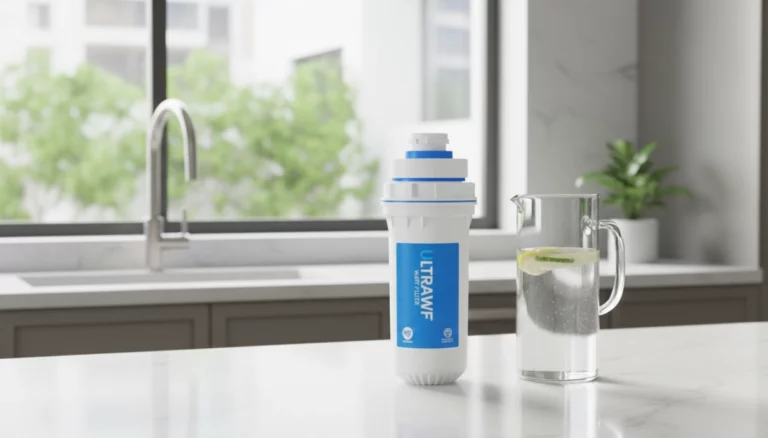
Reverse osmosis (RO) is a water purification method that uses a semi-permeable membrane to remove unwanted substances from water. In simple terms, water is pushed through this special membrane under pressure, allowing only water molecules to pass through while blocking contaminants like dissolved salts, metals, and impurities.
It works in the opposite way of natural osmosis, where water naturally moves from a low concentration to a high concentration. In RO, we apply pressure to force water in the opposite direction—hence the term “reverse osmosis”—producing clean, great-tasting drinking water.
Components of a reverse osmosis system
A typical RO water filtration system has multiple stages working together to maximize contaminant removal. While the exact setup can vary, most systems include:
- Sediment filter – Removes dirt, rust, and larger particles
- Carbon filter – Reduces chlorine, chemicals, and unpleasant tastes or odors
- Reverse osmosis membrane – The heart of the system, filtering out dissolved solids and microscopic impurities
- Post-carbon filter – Polishes the water for improved taste after storage
- Storage tank – Holds filtered water for on-demand use
- Faucet – A dedicated point of delivery for your purified water
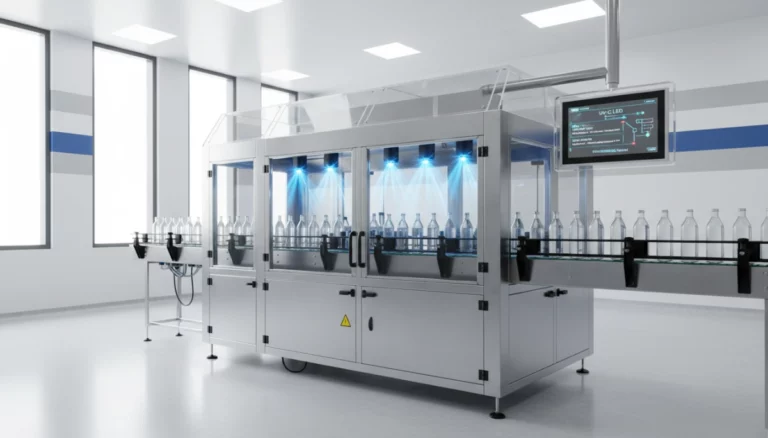
Some advanced models, such as driplife’s RO systems, combine these with UV sterilization or remineralization stages for even better performance and taste.
How reverse osmosis differs from other filtration methods
Not all water filters are created equal. Reverse osmosis stands out for its ability to remove extremely small contaminants that many standard filters miss. Here’s how it compares:
- Versus carbon filters – Carbon filters are great for removing chlorine, odors, and some chemicals but do not remove dissolved salts or most heavy metals. RO does.
- Versus sediment filters – Sediment filters only trap larger particles like sand or rust; they cannot remove microscopic contaminants. RO targets particles thousands of times smaller.
- Versus water softeners – Softeners mainly reduce hardness minerals like calcium and magnesium but do not purify water. RO removes a wider range of impurities.
If you’re specifically wondering what contaminants reverse osmosis removes, RO is one of the most comprehensive at-home filtration options available today, delivering water that is both clean and safe for drinking.
The Science Behind Reverse Osmosis Filtration

Role of the Semi Permeable Membrane
At the heart of any reverse osmosis system is a semi-permeable membrane. This thin yet highly engineered layer works like an incredibly fine filter, allowing only water molecules to pass through while blocking contaminants. The pores in the membrane are so small—around 0.0001 microns—that they can trap most dissolved salts, metals, microorganisms, and impurities. This is what makes an RO water filter far more effective than standard sediment or carbon filters.
How Pressure Drives the Process
Reverse osmosis works by using water pressure to push tap water through the membrane. In most home systems, the incoming water pressure (or a built-in pump if needed) forces water against the membrane surface. Contaminants are left behind on one side, while clean water passes through to the other side. This pressure-driven process is what separates reverse osmosis filtration from regular filtration—it doesn’t just trap particles, it separates them at the molecular level.
Strengths of the Membrane
- High removal efficiency for a wide range of contaminants
- Can handle dissolved solids and chemicals most other filters miss
- Long lifespan when paired with pre-filters and proper maintenance
Limitations of the Membrane
- Not ideal for dissolved gases or certain very small organic molecules (like some VOCs)
- Requires steady water pressure—low pressure may need a booster pump
- Performance drops if maintenance or pre-filtration is skipped, as it can clog or foul over time
The membrane is the real workhorse in an RO system for home use, but it works best when paired with multi-stage filtration to cover what it can’t catch. That’s why many systems, including ours, include carbon filters and UV sterilizers alongside the RO membrane.
What Contaminants Does Reverse Osmosis Remove
Reverse osmosis (RO) is known for its high contaminant removal rate, making it one of the most effective water filtration methods for homes in the United States. It can take out a wide range of impurities found in tap water, well water, and even some municipal supplies. Here\’s a breakdown of what RO systems, like driplife’s multi-stage units, can remove and how effective they are.
Dissolved Salts and Minerals
RO membranes can remove up to 99% of dissolved salts including sodium, chloride, calcium, and magnesium.
- Beneficial for reducing hard water scale buildup in pipes and appliances.
- Helps improve taste and clarity of drinking water.
Heavy Metals
Known toxins like lead, arsenic, mercury, and cadmium are removed at rates of 95–99%.
- This is especially important in older homes with aging plumbing or areas with industrial contamination.
Chemicals
RO removes a variety of chemical contaminants:
- Fluoride – up to 95% removal
- Nitrates and nitrites – over 90% removal
- Chlorine and chloramine – nearly 100% when paired with a carbon pre-filter
- Pesticides and herbicides – typically >95% depending on molecular size
This is a big plus for households near agricultural areas or where local water treatment adds high chlorine levels.
Microorganisms
While RO’s semi-permeable membrane isn’t a replacement for UV disinfection, it can block:
- Bacteria (E. coli, Salmonella) – >99% removal
- Viruses – up to 99% removal depending on size and type
- Cysts (Giardia, Cryptosporidium) – >99% removal
Adding a UV sterilizer enhances microbial protection.
Other Impurities
RO also takes care of everyday troublemakers like:
- Sediment, rust, and dirt particles – nearly 100% with sediment pre-filters
- Cloudiness and bad taste caused by suspended solids
Reverse Osmosis Removal Efficiency Table
| Contaminant Type | Examples | Typical Removal Rate |
|---|---|---|
| Dissolved Salts/Minerals | Sodium, Calcium, Magnesium, Chloride | 95–99% |
| Heavy Metals | Lead, Arsenic, Mercury, Cadmium | 95–99% |
| Chemicals | Fluoride, Nitrates, Chlorine | 90–99% |
| Microorganisms | Bacteria, Viruses, Cysts | >99% |
| Physical Impurities | Sediment, Rust, Dirt | ~100% |
When set up with driplife’s advanced multi-stage RO membranes, these performance levels are consistent and reliable, even in areas with high contamination levels or hard water problems common across many U.S. cities.
What Reverse Osmosis Does Not Remove
Reverse osmosis is one of the most effective water filtration methods available, but it’s not a catch-all solution. While it can filter out the vast majority of dissolved solids, heavy metals, and microorganisms, there are certain contaminants it doesn’t fully handle on its own. Knowing these limits helps you decide whether to pair your RO system with extra filtration stages like activated carbon or UV sterilization.
Dissolved Gases That Pass Through RO Membranes
RO membranes are designed to block larger particles and molecules, but some dissolved gases slip through because their molecules are too small or they don’t bind with water in a way that the membrane can catch. This can include:
- Radon – a naturally occurring radioactive gas in groundwater in some U.S. regions.
- Volatile Organic Compounds (VOCs) – such as industrial solvents or fuel-related chemicals, which evaporate easily and may remain in treated water.
Certain Small-Molecule Chemicals
While reverse osmosis handles many pesticides and herbicides, some with extremely small molecular sizes can pass through. For example:
- Certain pesticide residues from agricultural runoff.
- Highly soluble herbicide compounds used in some rural and suburban areas.
These are less common in public-treated water but can show up in private wells or certain farming communities.
Why Post-Filtration Matters
To fill those gaps, many high-quality RO systems—like driplife’s multi-stage setups—add extra filtration stages. Pairing your RO membrane with:
- Activated Carbon Filters – Ideal for removing VOCs, chlorine, and lingering tastes or odors.
- UV Sterilizers – Effective for neutralizing bacteria, viruses, or pathogens that might get past the RO stage.
This layered approach ensures broader protection against a wider range of contaminants, especially if you live in an area with unique water quality concerns.
Benefits of Using driplife Reverse Osmosis Systems
When it comes to reverse osmosis contaminants removed, not all systems perform the same. driplife’s RO units are designed for U.S. homes and water conditions, which means you get cleaner water without the guesswork.
Advanced Membrane Technology
Our exclusive RO membranes are built to target a wider range of impurities than standard systems. They’re engineered for higher rejection rates of heavy metals, dissolved salts, chemicals, and microorganisms while keeping flow steady. This means cleaner water without slow fill times.
Multi Stage Filtration
Every driplife system uses multiple filtration stages, each focusing on a different group of contaminants:
- Sediment filter – Removes dirt, sand, and rust
- Carbon block – Reduces chlorine, bad taste, and odor
- RO membrane – Filters out dissolved solids, metals, and pathogens
- Post carbon filter – Polishes taste for drinking water
This layered approach increases removal rates and extends the life of the RO membrane.
Certified Quality and Compliance
All driplife reverse osmosis systems meet NSF/ANSI standards for safety and performance. That means what we promise—like fluoride removal, heavy metal reduction, and bacteria filtration—is independently tested and verified.
Customization for Local Water Conditions
Water issues vary from state to state. Some areas have hard water minerals, others battle industrial discharge or agricultural runoff. driplife offers:
- Pre-configured setups for municipal or well water
- Optional add-ons like UV sterilizers for extra germ control
- Hardness treatment options to protect your RO system and improve taste
Example Results from Customers
- Texas homeowner: Reported a 97% drop in total dissolved solids after installing driplife RO
- California family: Noted a cleaner taste and smell in drinking water previously affected by chlorine
- Midwest farm household: Successfully reduced nitrates from well water to safe drinking levels
Table – Common Contaminant Removal with driplife RO Systems
| Contaminant Type | Typical Removal Rate |
|---|---|
| Dissolved salts | 95–99% |
| Lead and arsenic | 96–99% |
| Fluoride | 94–97% |
| Nitrates | 90–95% |
| Chlorine/chloramine | 98%+ |
| Bacteria & viruses | 99%+ |
Common Local Water Quality Issues and How Reverse Osmosis Helps

Water quality problems vary depending on where you live in the U.S., but reverse osmosis systems can address many of them effectively. By pushing water through a semi-permeable membrane, RO removes a wide range of contaminants common in city and well water.
Hard Water Minerals
- Many regions, especially in the Midwest and Southwest, deal with high calcium and magnesium levels in their water.
- While these minerals aren’t harmful in small amounts, they cause scaling on pipes, appliances, and fixtures, and can make water taste chalky.
- RO systems remove most dissolved minerals, resulting in softer, cleaner tasting water.
Industrial Contamination
- In areas near industrial or manufacturing zones, trace amounts of heavy metals like lead, arsenic, and mercury can end up in water supplies.
- Reverse osmosis is highly effective at removing these metals—often by up to 99%—providing safer drinking water for families.
Agricultural Runoff
- In rural areas, particularly across the Midwest and California’s Central Valley, nitrates from fertilizers and pesticide residues are common in groundwater.
- RO membranes filter out these contaminants, which are especially dangerous for infants and those with certain health conditions.
Chlorine and Chloramine in City Water
- Many municipalities disinfect water with chlorine or chloramine. While effective for killing bacteria, these chemicals can leave unpleasant taste and smell, and chloramine is harder to remove than chlorine.
- A multi-stage RO system with carbon pre-filters can strip these chemicals for better taste and odor.
Regional Examples
| Region | Common Issue | How RO Helps |
|---|---|---|
| Southwest | Hard water minerals, arsenic | Removes minerals, filters heavy metals |
| Midwest | Agricultural runoff (nitrates) | Filters out nitrates and farm chemicals |
| Northeast | Lead from aging pipes | Removes lead to safe levels |
| West Coast | Industrial pollution, chromium-6 | Reduces toxic metals & chemical pollutants |
| Southeast | Sediment, chlorine taste | Removes sediment and improves taste |
Why RO Works Well Across the U.S.
No matter where you are—whether your issue is contaminants in rural groundwater or chemical treatments in city water—a properly maintained RO system offers a reliable layer of protection. By combining sediment filtration, carbon filtration, and RO membranes, systems like driplife’s advanced models target local problems head-on while improving the taste, smell, and safety of your drinking water.
Maintenance and Longevity of Reverse Osmosis Systems

Keeping a reverse osmosis system in top shape is key to making sure it keeps removing contaminants effectively. Even the best RO systems need routine care to work at peak performance for years.
Filter Lifespan and Replacement Schedules
RO systems usually have multiple filters and a membrane, and each has its own service life:
- Sediment pre-filter: Replace every 6–12 months (protects the membrane from dirt, rust, and silt).
- Carbon pre-filter: Replace every 6–12 months (removes chlorine and chemicals that can damage the membrane).
- RO membrane: Replace every 2–5 years, depending on water quality and usage.
- Post-carbon filter: Replace every 12 months for best taste quality.
The actual replacement cycle depends on local water conditions and how much water you filter daily. Hard water or water with high sediment levels can shorten filter life.
Importance of System Upkeep for Effective Removal
Regular maintenance directly impacts contaminant removal efficiency. Neglecting filter changes can:
- Reduce membrane life and overall system lifespan
- Let impurities (like heavy metals or bacteria) pass through
- Lower water flow and cause pressure issues
- Affect water taste and odor
Following the manufacturer’s schedule is the easiest way to keep RO water quality high and to ensure the system keeps removing substances like lead, arsenic, chlorine, and fluoride effectively.
driplife Maintenance Services and Support
driplife offers tailored maintenance plans for U.S. households so owners don’t have to track filter changes themselves. Services include:
- Automatic filter delivery based on your usage and water quality
- Certified technician visits for installation, membrane checks, and leak prevention
- Performance testing to confirm contaminant removal is within optimal range
- Phone and online support for troubleshooting or part replacement
If you want to make sure your RO system is always running at 100%, driplife’s professional upkeep takes the guesswork out of maintenance.
Frequently Asked Questions About What Reverse Osmosis Removes
Does reverse osmosis remove beneficial minerals
Yes, reverse osmosis removes most minerals from water — and that includes some beneficial ones like calcium and magnesium. That’s because the RO membrane filters out particles and dissolved solids down to a very fine level.
While this means you get very pure water, some people prefer to add minerals back after filtration for taste or health reasons. Many modern RO systems — including driplife units — can be paired with remineralization filters to restore a balanced mineral profile.
Is RO water safe to drink
Absolutely. RO water is safe and meets EPA drinking water standards when the system is maintained properly. The removal of harmful contaminants like lead, arsenic, and pesticides makes it safer than what comes from many tap sources. If you enjoy the taste of spring water, you may want to consider an alkaline remineralizer to improve flavor.
How much wastewater does an RO system produce
Standard RO systems create wastewater as part of the filtration process because they rinse contaminants away from the membrane.
On average:
- Older systems: 3 to 4 gallons of wastewater per gallon of filtered water
- High-efficiency systems like driplife: 1 gallon or less of wastewater per gallon of filtered water
This ratio can vary depending on water pressure, temperature, and local water quality. High-efficiency RO units with permeate pumps or water-saving designs help reduce waste significantly.
Can RO remove fluoride completely
Yes. Reverse osmosis is one of the most effective methods for removing fluoride, with removal rates typically in the 90–95% range. This makes it a trusted option for homeowners who need fluoride reduction. For even higher removal rates, pairing RO with an activated alumina filter can help reach 98–99% effectiveness.
You can learn more about RO filtration performance in our detailed guide on reverse osmosis vs carbon filter to see how the methods compare. Also check our reverse osmosis system for home recommendations to find the right fit for your water quality needs.