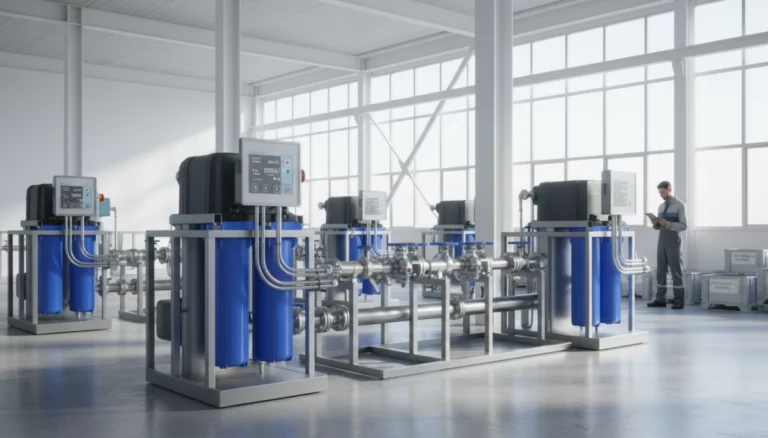
















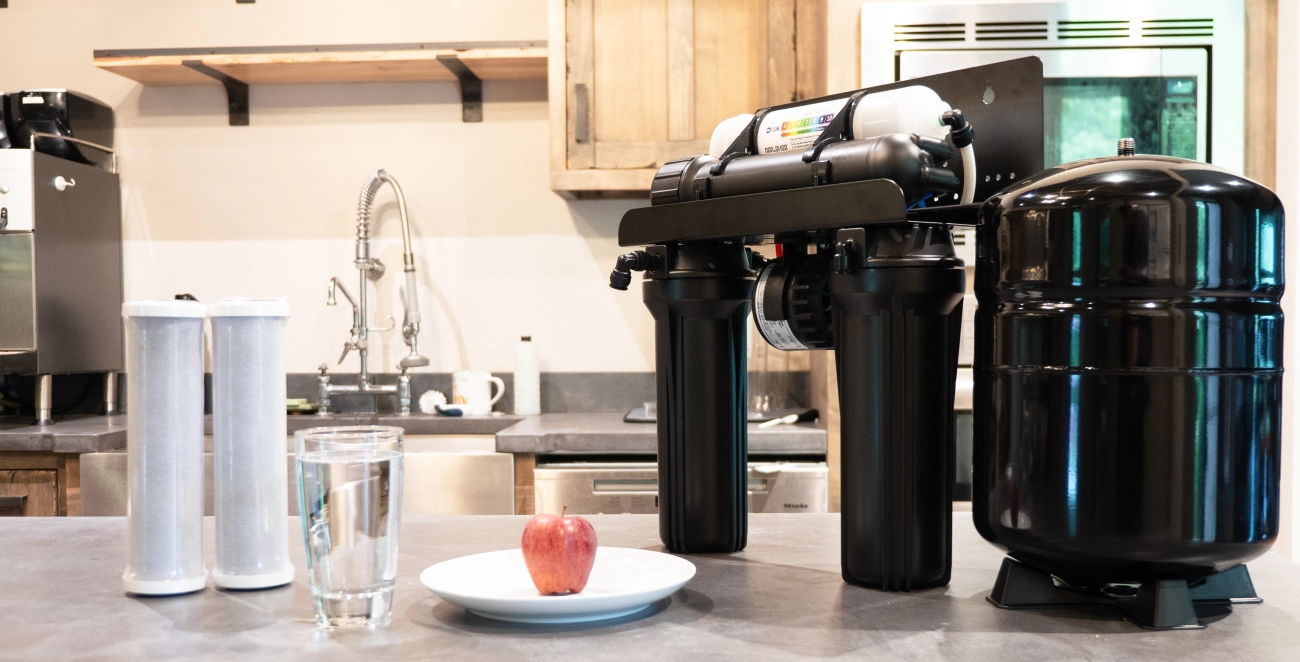
Are you wondering if a reverse osmosis water softener really exists—or if these are two completely different systems? You’re not alone. Many homeowners confuse reverse osmosis (RO) with water softening, thinking one can replace the other. The truth is, they target different water problems, and knowing how they work (and when to combine them) can make all the difference in your home’s water quality. In this guide, you’ll learn exactly how RO compares to a water softener, which one works best for hard water, and how to get the purest, cleanest water possible. Let’s get started.
Hard Water and Its Effects
Hard water is water that contains a high concentration of dissolved minerals, mainly calcium and magnesium. While these minerals are naturally occurring and not harmful in moderate amounts, their presence in excess can cause a wide range of household and appliance issues.
How Hard Water is Formed
Hard water typically comes from groundwater that passes through limestone, chalk, or gypsum deposits. These materials dissolve into the water supply, increasing water hardness levels and altering how the water behaves in your home.
Common Problems Caused by Hard Water
When hard water runs through your plumbing and appliances, the minerals can leave behind scale deposits. Over time, these build-ups can cause:
- Scale on faucets, showerheads, and tile surfaces, creating a cloudy or chalky appearance.
- Reduced water flow in pipes due to internal buildup.
- Shortened lifespan of appliances like dishwashers, washing machines, and water heaters.
- Poor lathering and soap scum on dishes, laundry, and skin because minerals interfere with soap’s cleaning ability.
Impacts on Household Appliances
Hard water can be particularly damaging to appliances that heat water, such as water heaters and coffee makers. Scale acts as an insulating layer, making it harder for heating elements to work efficiently, which raises energy bills and shortens the equipment’s life.
Effects on Skin and Hair
While hard water is generally safe to drink, it can dry out skin and hair due to mineral residue left after bathing. The buildup can also make hair feel rough, dull, or harder to manage.
What is a Water Softener
A water softener is a system designed to remove hardness minerals — mainly calcium and magnesium — from your household water. These minerals are the reason hard water leaves stubborn white spots on dishes, scale on faucets, and buildup inside pipes and appliances. The main goal of a water softener is to stop scale from forming, make cleaning easier, and extend the life of your plumbing and appliances.
How a Water Softener Works
Most traditional water softeners use an ion exchange process. Here’s the simple breakdown:
- Hard water in: Tap water flows through a tank filled with resin beads.
- Ion exchange: The resin beads are charged with sodium or potassium. As water passes through, calcium and magnesium ions swap places with sodium or potassium ions.
- Soft water out: What comes out is softened water with the hardness minerals removed.
- Regeneration cycle: Over time, the resin beads need to be “recharged” with salt from the brine tank, so the system can keep softening effectively.
Common Uses in US Homes
Many homeowners choose water softeners when:
- They notice white scale buildup on faucets, sinks, or shower doors.
- Their washing machine and dishwasher aren’t performing well or are wearing out faster.
- Soap and detergent aren’t lathering properly.
- They’re facing high repair bills on water heaters or plumbing due to scale clogging.
Key Benefits of Using a Water Softener
- Prevents limescale in pipes and appliances, reducing costly repairs.
- Improves cleaning — no more soap scum or cloudy glassware.
- Extends appliance lifespan (especially water heaters, dishwashers, and coffee makers).
- Better efficiency — appliances heat and operate more efficiently without mineral buildup.
- Smoother skin and softer laundry thanks to mineral-free water.
If you’re dealing with serious hard water problems, a water softener is a go-to solution. In fact, many people combine them with reverse osmosis systems for complete home water treatment and better overall water quality. You can learn more about pairing both systems in our guide on water softener and reverse osmosis combination.
What is Reverse Osmosis RO

Reverse Osmosis (RO) is a water purification process that pushes water through a semi-permeable membrane to filter out impurities. Unlike simple sediment filters, RO forces water under pressure through microscopic pores small enough to block most dissolved substances.
How Reverse Osmosis Works
- Pre-filtration – Removes larger particles like sand, silt, and chlorine that could damage the RO membrane.
- Membrane stage – The core of the system. Tiny pores (~0.0001 micron) block contaminants while allowing water molecules to pass.
- Post-filtration – A final polishing filter enhances taste and odor.
This process physically separates clean water (permeate) from waste water (concentrate), sending the waste stream—with the trapped contaminants—down the drain.
What RO Removes
RO systems target a wide range of contaminants including:
- Minerals and salts: calcium, magnesium, sodium
- Heavy metals: lead, arsenic, chromium
- Chemicals: nitrates, fluoride, some pesticides
- Microorganisms: certain bacteria, protozoa, viruses
- Other pollutants: sediment, bad-tasting compounds, odors
| Contaminant Type | Examples Removed by RO |
|---|---|
| Dissolved Minerals | Calcium, magnesium, sodium |
| Metals | Lead, arsenic, copper |
| Chemicals | Nitrates, fluoride, chlorine by-products |
| Microbes | Certain bacteria, protozoa, viruses |
Reverse Osmosis vs Water Softening
While both RO systems and water softeners improve water quality, they work very differently:
| Feature | Reverse Osmosis | Water Softener |
|---|---|---|
| Main Goal | Purify and improve taste by removing contaminants | Remove hardness minerals to prevent scale buildup |
| Process | Membrane filtration | Ion exchange (calcium & magnesium replaced with sodium or potassium) |
| Removes Minerals | Yes, but not designed mainly for scale prevention | Yes, specifically targets hardness minerals |
| Best Use | Drinking and cooking water | Whole-home scale control and plumbing protection |
RO can reduce hardness by removing calcium and magnesium along with other impurities, but it’s not a direct replacement for a water softener—especially for whole-home scale prevention. Many homeowners combine the two for optimal results.
Can Reverse Osmosis Soften Hard Water
What Softening Really Means
When we talk about softening water, we mean removing hardness minerals like calcium and magnesium. In a practical sense, “soft” water won’t leave chalky spots on glassware, won’t build limescale in pipes or appliances, and makes soap and detergents work better. A traditional water softener does this by swapping hardness minerals with sodium (or potassium) through a ion exchange process.
How Reverse Osmosis Reduces Hardness
A reverse osmosis (RO) system works differently. It pushes water through a semi-permeable membrane that removes a wide range of dissolved substances — including some calcium and magnesium. RO can lower water hardness, especially when hardness levels are moderate, but it’s not designed specifically for softening.
- RO filtration removes minerals along with salts, heavy metals, and certain chemicals.
- Most hardness in water will be caught by the membrane, but the efficiency depends on the incoming water quality.
- RO water often tastes “cleaner” because it has fewer dissolved solids overall.
Key Difference from Water Softeners
- Softeners: Specifically target hardness minerals to stop limescale at the source.
- RO systems: Target a broad range of contaminants, reducing minerals incidentally.
If your water is very hard (above ~7 grains per gallon), an RO unit alone can struggle. Hardness buildup will shorten the RO membrane’s lifespan and reduce performance over time.
Limitations of RO for Hard Water Scale Prevention
- Not intended for heavy hardness — scale can still form before water enters the RO unit.
- Membrane damage risk — mineral deposits can clog and damage the membrane, raising maintenance costs.
- Pre-treatment required — in high-hardness areas, pairing an RO with a water softener is recommended to protect the system and appliances.
Tip: If you notice frequent RO filter clogs or reduced flow, it’s often due to hard water scale — a sign you need a softener in front of it.
Pros and Cons of Using Reverse Osmosis vs Water Softeners

When it comes to hard water treatment systems, reverse osmosis (RO) and water softeners work in totally different ways — and each has strengths and drawbacks. If you’re deciding between them, here’s how they stack up.
Effectiveness on Hardness
- Water softeners: Extremely effective at removing calcium and magnesium ions, which cause scale buildup. This stops spotting on dishes, keeps plumbing clear, and protects appliances.
- Reverse osmosis: RO systems can reduce hardness by filtering out a portion of dissolved minerals, but they’re not designed to prevent scaling in the same way. If your water is very hard, you’ll usually need a water softener before an RO system to protect the RO membrane from damage.
Impact on Water Taste and Purity
- Water softeners: Make water “silky” and scale-free, but don’t remove other contaminants like chlorine, lead, or pesticides.
- Reverse osmosis: Produces pure-tasting water by removing up to 99% of dissolved solids, salts, and many contaminants. It not only improves taste but also makes it better for cooking and drinking. However, some people find RO water tastes “flat” because it has fewer minerals.
Maintenance and Cost Differences
| Feature | Water Softener | Reverse Osmosis |
|---|---|---|
| Average Lifespan | 10–15 years | 7–10 years |
| Maintenance | Add salt pellets regularly; clean resin tank occasionally | Replace filters every 6–12 months; replace RO membrane every 2–4 years |
| Initial Cost | Moderate | Moderate to high (depending on stages) |
| Ongoing Cost | Low to medium | Medium to high (filters + membrane) |
Environmental Factors
- Water softeners: Use salt brine, which can lead to salt discharge into local wastewater systems, an environmental concern in some areas (and even restricted in certain cities).
- Reverse osmosis: Uses more water than it produces — typical waste ratio is 3-4 gallons down the drain for every gallon of filtered water (wastewater can sometimes be reused for irrigation). It doesn’t add salt to the environment, but the water waste factor is worth considering in drought-prone regions.
For many U.S. households with high hardness and drinking water concerns, the most effective solution is a water softener combined with a reverse osmosis system, so you get both scale prevention and high water purity. If you’re curious about combining both, you can check out our guide on the best water softener for RO systems for a deeper look at setup options.
Do You Need Both Reverse Osmosis and a Water Softener
When we talk about hard water treatment systems, a lot of homeowners ask if they need a reverse osmosis system and a water softener. In many homes across the U.S., the answer is often yes—especially if your tap water is both very hard and contains other contaminants.
When Combining Both Systems Makes Sense
You might benefit from using both if:
- Your water hardness is high (over 10–12 grains per gallon) and you also want to remove contaminants like lead, nitrates, or chlorine.
- You rely on well water that contains minerals and potential pollutants.
- You want to protect appliances from scale buildup and also ensure your drinking water tastes pure.
- You live in areas with extreme hard water (Arizona, Texas, parts of the Midwest) where a softener alone won’t address all water quality issues.
Why the Softener Goes First
In a sequential setup, the water softener comes before the RO unit. Here’s why:
- Softener’s job: Removes calcium and magnesium through ion exchange, preventing scale inside the RO membrane.
- RO system’s job: Filters out salts, dissolved solids, and other contaminants that a softener can’t remove.
- Result: The RO membrane lasts longer because it’s not dealing with heavy mineral buildup.
Benefits of This Combination
- Maximum water quality – Softener tackles hardness, RO handles fine filtration.
- Longer equipment life – RO membranes and pipes stay cleaner for years.
- Better taste – No mineral aftertaste, no metallic or salty notes.
- Lower maintenance costs – Less frequent membrane changes and reduced plumbing repairs.
If you’re not sure how hard your water really is, your local water quality report or an in-home test is the best place to start. Once you have that info, you can decide if you need just one system—or both. For more tips, check out our guide on home water purification and softening solutions.
Factors to Consider When Choosing Your Water Treatment System Locally

When deciding between a reverse osmosis water softener setup, a standalone softener, an RO unit, or both, keep in mind that the best choice depends heavily on your local water conditions, home setup, and usage habits. Here’s what to evaluate before making a decision.
Check Your Local Water Hardness Levels
Water hardness can vary greatly from city to city and even neighborhood to neighborhood.
- Mild Hardness (0–60 ppm) – RO may be enough if taste and purity are your main concerns.
- Moderate Hardness (61–120 ppm) – A softener will help protect plumbing and fixtures, while RO can handle drinking water.
- High Hardness (120+ ppm) – A softener is essential before RO to prevent scale damage.
You can get hardness data from:
- Your city’s annual water quality report (usually posted online)
- A local water test kit – fast, inexpensive, and accurate for pinpointing issues
Review Your Local Water Quality Report
Knowing hardness is a start, but you should also check for:
- Chlorine or chloramine levels – may damage RO membranes
- Dissolved solids – affects RO system performance
- Sediment or rust – you may need pre-filters before either system
Understand Plumbing Codes and Requirements
Some areas have rules on installing water treatment systems, especially where brine discharge from salt-based softeners is regulated. Certain states like California and Texas have extra discharge limits.
- Permit requirements – Some cities require an installation permit for whole-house systems.
- Drain connection rules – Affects where RO or softener waste lines can hook in.
Tailoring to Your Region
Dry Western States: Hardness is often high, but water conservation is critical — look for efficient systems with less water waste.
Midwest Well Water Homes: Iron and manganese can be a problem; you may need an iron filter before a softener.
Older Homes in the Northeast: Low water pressure may affect RO efficiency — check for systems designed to work in lower pressure environments.
Southern States: Heavy mineral content plus higher usage in summer — whole-house softener before RO keeps appliances lasting longer.
Quick Local Checklist Before You Buy
- ✅ Get a local hardness reading
- ✅ Check water quality report for other contaminants
- ✅ Verify local plumbing codes and discharge rules
- ✅ Consider your household’s daily water use
- ✅ Match system capacity to your home’s size and needs
How Driplife Can Help You Solve Hard Water Issues
If you\’re dealing with hard water in the U.S., Driplife offers complete water treatment solutions that tackle both the mineral buildup from calcium and magnesium and other water quality concerns. Whether you need a traditional water softener, a reverse osmosis system, or a combination setup, Driplife tailors systems to match your local water conditions and household needs.
Complete Product Range
- High-efficiency water softeners – Designed to remove calcium and magnesium, prevent scale buildup, and protect plumbing and appliances.
- Advanced reverse osmosis units – Remove dissolved salts, heavy metals, chlorine, and other contaminants for clean, great-tasting water.
- Integrated softener + RO systems – Ideal for homes that need both scale prevention and high-purity drinking water.
Custom Water Testing and Consultation
Before suggesting any product, Driplife performs local water testing or reviews your municipal water report to pinpoint your water\’s exact hardness level and contaminant profile. This ensures you get a system designed for your specific water issues instead of relying on one-size-fits-all solutions.
Professional Installation and Maintenance
Driplife’s certified technicians handle full installation, from plumbing connections to system calibration. They also offer ongoing maintenance, including:
- Salt refills for water softeners
- Filter changes for RO systems
- Annual inspections to maintain peak efficiency
- Rapid-response service for repairs or adjustments
Customer Support and Long-Term Value
With a dedicated U.S.-based support team, Driplife provides clear guidance on system operation and troubleshooting. Customers appreciate the transparent pricing and warranty-backed products, helping them save money on appliance repairs and bottled water costs in the long run.
Proven Success Across Different Regions
From high-hardness well water in Arizona to chlorine-heavy city water in Texas, Driplife customers have shared success stories of:
- 90% fewer scale deposits on faucets and showers
- Better-tasting water directly from the tap
- Extended lifespan of dishwashers, water heaters, and coffee makers
If you’re unsure whether you need a reverse osmosis system, a water softener, or both, Driplife’s specialists can guide you with the right hard water treatment method for your home.
FAQ on Reverse Osmosis and Water Softener Systems
Does reverse osmosis remove all hard minerals
Reverse osmosis (RO) can remove a large portion of calcium and magnesium, the minerals that cause hardness, but it doesn’t technically “soften” water the same way an ion exchange water softener does. RO membranes filter out dissolved minerals along with other contaminants like salts, metals, and some chemicals. If your water is very hard, a water softener before the RO unit ensures better performance and extends membrane life.
How often should I maintain my RO and water softener units
- Reverse Osmosis: Replace pre-filters every 6–12 months, RO membranes every 2–5 years (varies by water quality and usage).
- Water Softener: Add salt as needed (usually monthly), clean the brine tank every 6–12 months, and service the system once a year.
Staying on schedule helps both systems work at peak efficiency and prevents costly repairs.
Is salt free water softening an option
Yes. Salt-free systems (often called water conditioners) reduce scale buildup but do not remove hardness minerals from the water. They work well for mild hardness and in areas where salt use is restricted. If you want true soft water for appliances, laundry, and bathing, a traditional salt-based system is still the most effective.
Can hard water damage my RO membrane
Yes. High levels of calcium and magnesium can cause scale buildup inside the RO membrane, which clogs pores and reduces output. That’s why in many setups—especially in regions with very hard water—a water softener is installed first. This keeps your RO running smoothly and lasting longer.
What is the average lifespan of a water softener vs an RO system
| System | Average Lifespan | Notes |
|---|---|---|
| Water Softener | 10–15 years | Lifespan depends on resin quality, usage, and maintenance. |
| RO System | 10–15 years for the full unit; membranes last 2–5 years | Pre-filters usually need replacing more often. |
If you’re wondering which system is right for your home—and whether you should combine a reverse osmosis and water softener—check your local water hardness level and usage needs. You can also read our guide on hard water treatment systems for more details.