

















Characteristics of Club Soda
Unlike tonic water, which includes quinine, or flavored carbonated water, soda water is usually unflavored, although it might consist of various minerals to improve its taste. The main minerals added to club soft drink include:
- Salt bicarbonate
- Salt chloride
- Potassium sulfate
These minerals not just add to the slightly salty preference of the drink but also separate it from other kinds of carbonated waters.
Does Club Soda Contain Caffeine?
Among one of the most typical questions about club soda is whether it consists of caffeine. To resolve this, it is crucial to note that soda water does not contain caffeine. It is a caffeine-free drink, making it a suitable choice for individuals who are sensitive to caffeine or prefer to prevent it for health and wellness reasons. This is a significant distinction from other carbonated beverages such as sodas and power drinks, which commonly have varying amounts of high levels of caffeine.
What is Soda water?
| Component | Presence in Soda Water |
|---|---|
| Carbon Dioxide | Yes |
| Salt Bicarbonate | Yes |
| Sodium Chloride | Yes |
| Potassium Sulfate | Yes |
| Caffeine | No |
In summary, club soft drink is a carbonated beverage that is mostly made up of water and included minerals. Its absence of caffeine makes it an attractive choice for those searching for a refreshing, bubbly beverage without the stimulating effects of high levels of caffeine.
Ingredients Typically Discovered in Club Soft Drink
Soda water, a prominent carbonated drink, is frequently taken pleasure in for its crisp and rejuvenating taste. It is important to comprehend the components that comprise this drink to establish its health effects and how it contrasts to other drinks. Among the most typical concerns postured by customers is: does soda water have high levels of caffeine!.?.!? The response is no; club soft drink does not include high levels of caffeine.
The key ingredient in club soft drink is carbonated water. This is just water that has been instilled with carbon dioxide gas under pressure, creating the characteristic bubbles that are linked with all soft drinks. The carbonation procedure offers soda water its effervescence, making it a popular choice for both drinking by itself and as a mixer in different cocktails.
Along with carbonated water, club soft drink generally consists of minerals such as salt bicarbonate, salt chloride, and potassium sulfate. These minerals are added to boost the taste of the beverage. Salt bicarbonate, likewise called sodium bicarbonate, presents a somewhat salted taste, while sodium chloride (common salt) and potassium sulfate add to the total mineral account. These additives additionally aid to balance the pH levels of the beverage, making it less acidic than other carbonated beverages.
Some brands of club soda may consist of added ingredients such as citric acid or all-natural tastes. Citric acid is typically utilized to include a mild flavor to the drink, enhancing its refreshing high quality. Natural tastes might be contributed to give a subtle preference variation, though these are generally marginal and do not significantly change the key flavor account of the soda water.
It is critical to note that unlike some other carbonated drinks, soda water does not include any caffeine or sweeteners. This makes it an ideal alternative for those looking to avoid these compounds while still enjoying a carbonated beverage. The lack of high levels of caffeine likewise suggests that soda water can be consumed at any type of time of day without affecting sleep patterns or causing the jitteriness that some people experience with caffeinated drinks.
Comparing Club Soda with Other Carbonated Beverages
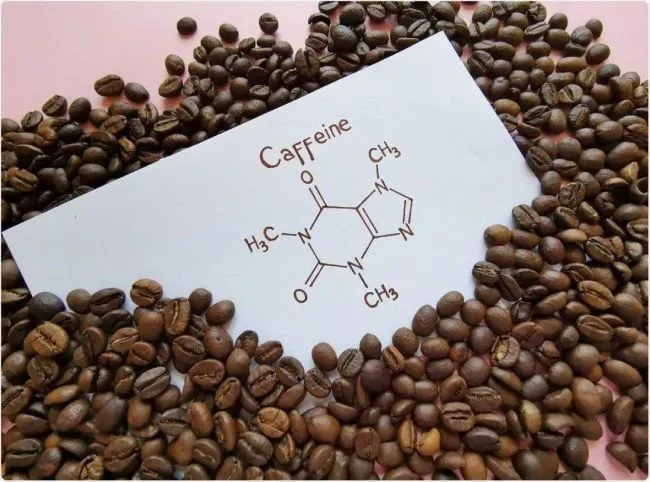
When comparing club soda with other carbonated beverages, it is essential to consider several factors, including their ingredients, nutritional content, and potential health impacts. Club soda, also known as carbonated water, typically contains water, carbon dioxide, and added minerals such as sodium bicarbonate, sodium chloride, and potassium sulfate. One crucial aspect to highlight is that club soda does not contain caffeine.
In contrast, many other popular carbonated beverages, such as colas and energy drinks, do contain caffeine. This stimulant is often added to provide an energy boost and to enhance the beverage’s flavor profile. The table below provides a comparative analysis of club soda and other common carbonated drinks:
| Beverage | Contains Caffeine | Common Ingredients |
|---|---|---|
| Club Soda | No | Water, Carbon Dioxide, Sodium Bicarbonate, Sodium Chloride, Potassium Sulfate |
| Cola | Yes | Water, High Fructose Corn Syrup, Caramel Color, Phosphoric Acid, Natural Flavors, Caffeine |
| Energy Drink | Yes | Water, Sugar, Caffeine, Taurine, B Vitamins, Natural Flavors |
| Sparkling Water | Varies | Water, Carbon Dioxide, Natural Flavors (caffeine content varies by brand) |
Another key difference is the calorie content. Club soda generally has zero calories, making it a preferred choice for those looking to avoid caloric intake. On the other hand, many colas and energy drinks contain significant amounts of sugar, contributing to their higher calorie counts. This distinction can be critical for individuals managing their weight or blood sugar levels.
Moreover, the addition of minerals in club soda can affect its taste, often giving it a slightly salty flavor. This contrasts with the sweeter taste profiles found in colas and energy drinks, which are often achieved through the addition of sugars and artificial sweeteners.
In summary, while club soda and other carbonated beverages share the characteristic of being fizzy, their ingredient compositions and health implications vary significantly. Notably, the absence of caffeine in club soda sets it apart from many other popular carbonated drinks.