
















The Core Heat Source: Thick Film Replaces Bulk Insulation
Rare-Earth Thick Film Heating Element Technology
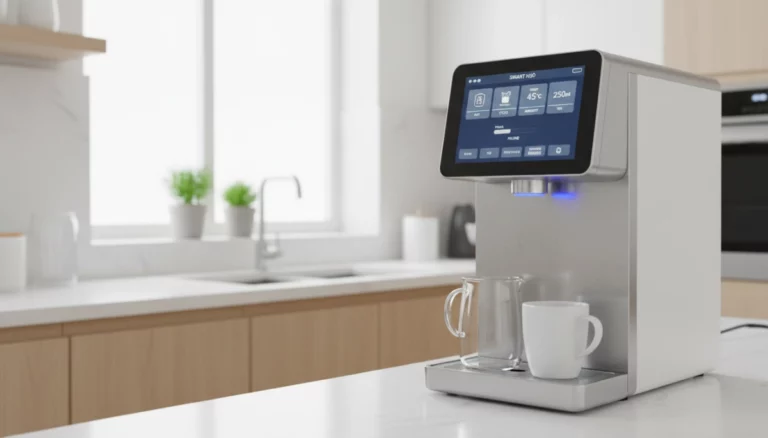
Traditional water dispensers are essentially energy vampires. They rely on bulky foam insulation to keep a large tank of water boiling all day, fighting a losing battle against heat dissipation. We took a completely different approach with our engineering. Instead of insulating a reservoir, we integrated a rare-earth thick film heating element. This isn’t your standard immersion coil; it involves printing resistive tracks directly onto the exterior of a stainless steel flow tube.
This design creates a 360-degree heating surface that energizes the water instantly as it passes through. By maximizing the surface area contact, we achieve a 3-second rapid heating technology capability. We don’t need to wrap a tank in fiberglass because we don’t store hot water—we create it on demand.
Eliminating Standby Heat Loss and Thermal Inertia
In the context of thermal insulation engineering in instant hot countertop RO water dispensers, the most efficient insulation strategy is to eliminate the heat source during standby. Old boiler systems suffer from high thermal inertia; they consume massive amounts of power to reach boiling point and then cycle on and off to maintain it. This “keep-warm” cycle is where efficiency dies.
Our instantaneous water heating module operates with near-zero thermal inertia. The system remains at ambient temperature until the user engages the interface. This shift in architecture delivers critical B2B and consumer benefits:
- 98%+ Thermal Efficiency: The direct transfer of energy from the thick film to the water flow minimizes resistance, optimizing the Energy efficiency ratio (EER).
- Zero Standby Consumption: There is no “hot tank” leaking energy into the chassis, removing the need for heavy lagging or expensive insulation jackets.
- Space Optimization: By removing bulky insulation materials, we free up internal volume for larger, longer-lasting filtration components.
Structural Thermal Engineering: Protecting the RO Membrane
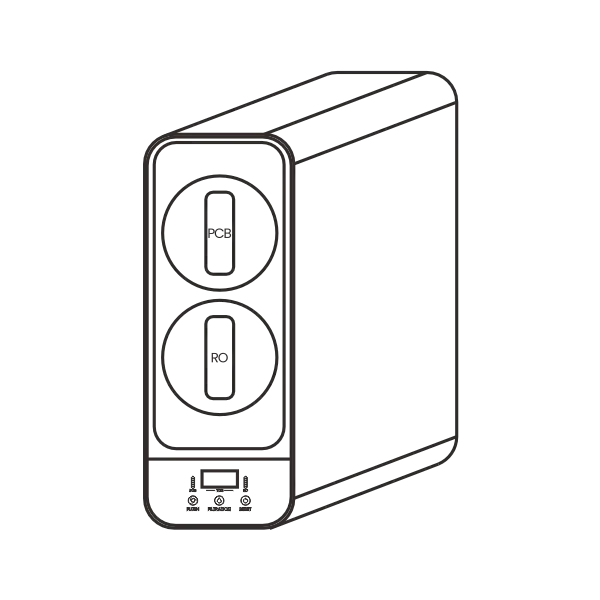
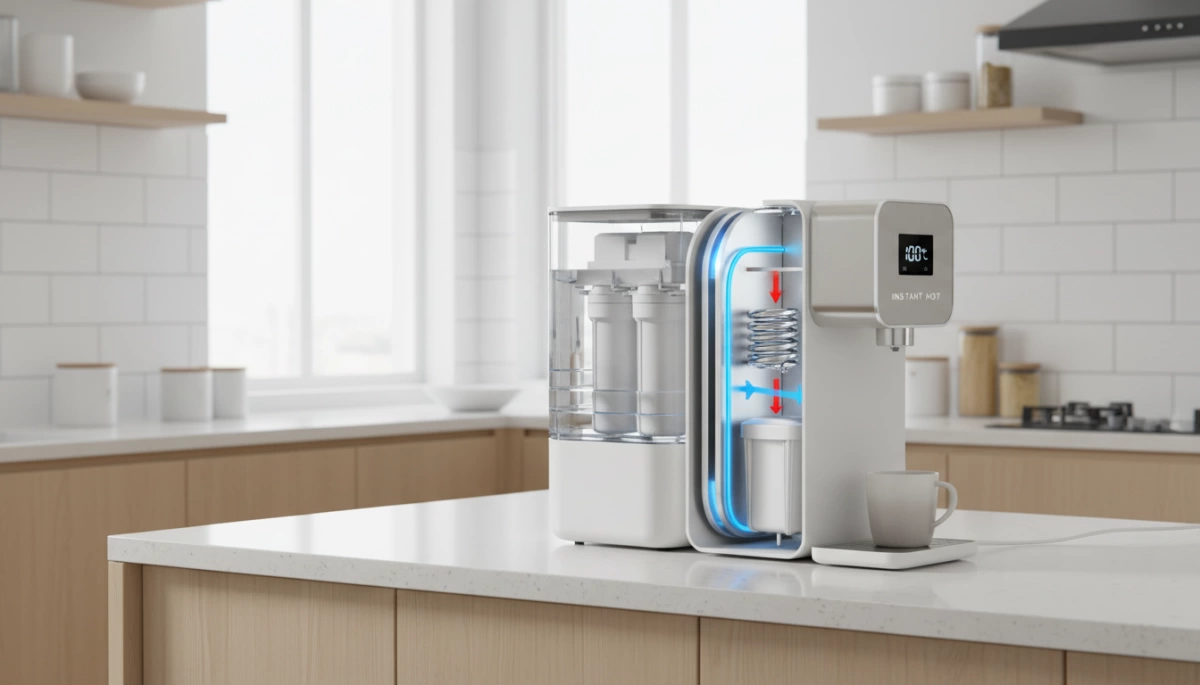
In compact countertop systems like our G5 and G6 series, the biggest engineering challenge isn’t just heating water—it’s keeping that heat away from the filtration system. We utilize advanced thermal insulation engineering to create a strict separation between the device’s “Hot Zone” and “Cold Zone.” This internal architecture is critical because standard RO membranes have a low RO membrane thermal tolerance; exposure to temperatures consistently above 45°C (113°F) can permanently damage the membrane’s pore structure, compromising filtration quality.
To mitigate this, we employ thermal bridging reduction techniques within the chassis. Instead of allowing heat to radiate freely from the heating element to the filtration bay, we use physical barriers and heat-resistant baffles. These structural components act as a firewall, ensuring that the intense energy generated by the rare-earth thick film heater remains isolated.
Our design also relies on flow logic to maintain thermal equilibrium. Cold water is drawn from the tank and pushed through the system components—similar to how booster pumps in compact RO units manage pressure—but it only enters the heating module at the exact moment of dispensing. This prevents hot water from sitting stagnant near the filters. By combining physical insulation with smart fluid dynamics, we protect the integrity of the 0.0001-micron filtration while delivering instant boiling water on demand.
Material Selection for Safety and Efficiency
When engineering high-performance water systems, the materials we choose are just as critical as the heating technology itself. We focus on insulation material selection for RO water dispensers that balances thermal retention with absolute user safety. This approach ensures that our devices deliver boiling water instantly without becoming a hazard in the kitchen or office.
Hydro-Electric Separation Design
Safety is non-negotiable. Our heating modules utilize a rigorous hydro-electric separation design. This architecture physically isolates the water flow path from the electrical heating circuit using specialized internal insulation layers inside the heating tube.
- Zero Leakage Current: Prevents electrical faults from reaching the water.
- Maximized Heat Transfer: Allows heat to pass through efficiently while blocking electricity.
- Long-Term Durability: Protects the heating element from scale and corrosion.
Cool-Touch Chassis Engineering
A common complaint with traditional boilers is a hot exterior. We solve this with cool-touch chassis engineering. By utilizing high-grade, heat-resistant ABS plastics and applying internal thermal coatings, we ensure the device remains cool to the touch, even during continuous heating cycles. This is a vital feature for families with children and is a key selling point when expanding your market share with smart countertop RO water filter technology.
Piping Insulation and Thermal Bridging Reduction
To guarantee that the water temperature at the nozzle matches the setting on the display, we minimize heat loss during dispensing. We employ food-grade silicone thermal isolation and Teflon lining for the internal outlet piping. This significantly reduces thermal bridging, ensuring that heat stays in the water rather than dissipating into the machine’s internal components.
Energy Efficiency: The “No-Reboil” Advantage
The “Thousand-Point Water” Issue
In the water dispensing industry, we often talk about the hidden cost of traditional hot tanks. Standard dispensers rely on a reservoir of water that is kept hot 24/7. Even with heavy lagging, thermal bridging occurs, causing the water temperature to drop. The machine detects this and kicks the heater back on—over and over again throughout the day.
This cycle creates what is known as “Thousand-Point Water” (repeatedly re-boiled water). Not only does this negatively impact the taste profile by altering the dissolved oxygen content, but it also represents a massive failure in thermal insulation heating chamber RO purifier efficiency. The insulation is constantly fighting a losing battle against ambient temperatures, turning the appliance into an energy vampire.
The Instant Hot Solution
We engineered our Countertop RO systems to bypass this inefficiency entirely. By utilizing instant heating technology, we eliminated the need to store hot water. There is no “keep warm” function because the heating element is only active for the exact duration of the dispense.
This on-demand approach means we don’t need to wrap a tank in inches of foam or worry about standby energy consumption. The energy is directed 100% into the water flow, achieving a high energy efficiency ratio (EER). This fundamental shift in engineering is why tankless is the competitive edge against big box retailers who are still pushing outdated, tank-based technology.
kWh Consumption: Instant vs. Tank Systems
When you look at the data, the difference in power draw is stark. We focus on eliminating the passive waste that drives up utility bills in American households and offices.
- Traditional Hot Tank: Consumes electricity continuously to maintain 190°F+. Even in standby mode, heat loss through the chassis requires frequent reheating cycles, leading to significant daily kWh usage even if no water is dispensed.
- Driplife Instant System: Zero energy consumption for heating during standby. The rare-earth thick film heating element only draws power during the 3-second rapid heating window.
- Thermal Efficiency: Our systems achieve 98%+ thermal efficiency because the heat is generated directly within the flow channel, not wasted heating a metal tank or the surrounding air.
By removing the thermal mass of a hot tank, we ensure that every watt of electricity is used solely for the cup of water being poured right now, not the one you might drink four hours later.
The Role of NTC Sensors in Thermal Management
Heating water in three seconds is impressive, but doing it with pinpoint accuracy requires intelligent engineering. In our systems, we rely on NTC temperature sensor accuracy to bridge the gap between raw power and precise control. Unlike old-school bimetallic strips that react slowly, Negative Temperature Coefficient (NTC) sensors provide real-time resistance changes based on temperature fluctuations. This allows the instantaneous water heating module to adjust energy output milliseconds before the water even leaves the nozzle.
Precision Control and Feedback Loops
The brain of our hot water dispenser with filter is a closed-loop feedback system. The NTC sensors constantly monitor the water temperature as it passes through the rare-earth thick film heater. If the sensor detects the temperature rising too fast, it immediately signals the control board to modulate power. This prevents thermal runaway protection mechanisms from needing to trigger a hard shutdown, ensuring smooth operation.
- Real-Time Monitoring: Sensors detect temperature shifts instantly, allowing for micro-adjustments during the 3-second heating window.
- Material Protection: By preventing overheating, we reduce thermal stress on the heating element and surrounding insulation, extending the device’s lifespan.
- Energy Optimization: The system only uses the exact amount of electricity needed to reach the set temperature, avoiding energy waste common in “dumb” heating coils.
Consistency From First to Last Cup
For the end-user, this engineering translates to reliability. Whether you are dispensing 45°C water for baby formula or 95°C for coffee, the precision temperature control ensures the output matches the setting exactly. Without high-quality NTC integration, the first cup might be lukewarm while the second is scalding. Our approach guarantees that the thermal insulation and heating elements work in perfect sync, delivering a stable temperature profile every single time you press the button.
FAQs: Thermal Engineering in RO Dispensers
How does thermal insulation affect the lifespan of the RO membrane?
Proper thermal isolation is critical for the longevity of any countertop water filter. Reverse osmosis membranes are highly sensitive to heat; exposure to temperatures consistently above 45°C (113°F) can permanently damage the pore structure, ruining filtration accuracy. Our engineering focuses on RO membrane thermal tolerance by creating a strict physical separation between the heating module and the filtration bay. By preventing thermal bridging, we ensure the membrane stays in a “cold zone,” maintaining peak performance for 12 to 24 months regardless of how often you dispense boiling water.
What is the difference between thick film heating and traditional hot tank insulation?
The difference lies in efficiency and speed. Traditional dispensers use a boiler tank that requires heavy foam lagging to keep water hot all day, constantly reheating and wasting power. In contrast, our Rare-earth thick film heating element is an instantaneous water heating module. We don’t need to insulate a storage tank because we don’t store hot water. Instead, we apply high-density heat to the water flow only when you press the button, eliminating the need for bulky thermal retention materials found in older models.
Is the outer casing safe to touch while dispensing boiling water?
Absolutely. We prioritize safety through Cool-touch chassis engineering. Even when the internal heating tube reaches boiling temperatures, the exterior housing remains at room temperature. This is achieved through a combination of Hydro-electric separation design and internal air gaps that act as natural insulators. You can place these units in a family kitchen without worrying about accidental burns from touching the side of the machine during operation.
How does “instant hot” technology reduce standby energy consumption?
It eliminates the “vampire draw” of keeping water hot. Traditional systems have a poor Energy efficiency ratio (EER) because they fight ambient cooling 24/7. Our 3-second rapid heating technology ensures zero energy is used for heating when the machine is idle. By removing the need to maintain a thermal reservoir, we drastically cut standby energy consumption, meaning you only pay for the electricity used to heat the exact cup of water you drink.