














You already know that replacing old fountains with modern bottle fillers is a smart move for sustainability…
But are your specifications actually compliant?
Navigating the complex maze of Water Efficiency Compliance Requirements for Public Bottle Filling Station Installations can feel like a full-time job.
Miss a flow rate standard? You risk losing LEED certification points.
Ignore sensor calibration? You face costly utility fines.
Overlook the plumbing code? Your project fails inspection.
As a manufacturing expert in the hydration industry, I’ve decoded the regulatory jargon so you don’t have to.
In this guide, you’re going to get a technical roadmap to ensuring your hardware meets every strict local and international mandate.
From laminar flow technology to Green Building standards, it’s all here.
Let’s dive right in.
The Regulatory Landscape: What Water Efficiency Actually Means
Compliance in the hydration sector is no longer just about meeting basic plumbing codes; it is about adhering to strict water efficiency compliance bottle filling station standards that impact a building’s operational costs and sustainability profile. We see many facility managers caught off guard by evolving regulations, facing potential fines or the inability to secure occupancy permits due to non-compliant fixtures. True efficiency is defined by the ratio of water delivered to the user versus water lost to drainage, requiring a shift from passive delivery to active flow management.
Defining the Metrics: Gallons Per Minute (GPM) vs. Liters Per Minute (LPM)
To achieve water saving regulation public hydration station compliance, we must first speak the language of flow rates. In the United States, the standard metric is Gallons Per Minute (GPM), whereas international projects often utilize Liters Per Minute (LPM).
- The Sweet Spot: For bottle fillers, we engineer units to operate typically between 1.0 and 1.5 GPM.
- The Trade-off: A flow rate below 1.0 GPM frustrates users with slow fill times, while anything above 1.5 GPM often results in “splash-out” waste, negating conservation efforts.
- Calibration: We prioritize precise hydration station GPM ratings to ensure that every drop is accounted for, balancing speed with waste reduction.
Green Building Certifications: LEED v4, BREEAM, and WELL Standards
Achieving certification under Green building plumbing codes requires hardware that actively contributes to point totals. Installing standard fountains is often insufficient for modern sustainability goals.
- LEED v4 Water Use Reduction: This is the industry benchmark. To secure points here, fixtures must demonstrate a percentage reduction over baseline usage. Our units support this by utilizing precise laminar flow to eliminate waste.
- WELL Building Standard: Focuses on the availability and quality of water. Compliance here requires water efficiency documentation public drinking equipment tender packages that prove the unit encourages hydration without excessive resource consumption.
- BREEAM: Assesses the overall environmental performance, rewarding facilities that implement sustainable facility management practices, including leak detection and flow monitoring.
Navigating Local and Federal Mandates: EPA WaterSense and WELS
Navigating the web of water conservation regulation hydration station procurement can be complex. While the EPA WaterSense program primarily targets residential fixtures like toilets and showerheads, its principles are increasingly applied to commercial hydration via local municipal codes.
- EPA Guidelines: We align our manufacturing tolerances with EPA efficiency goals to ensure our partners are future-proofed against tightening federal standards.
- WELS (Water Efficiency Labeling and Standards): For our global partners, adhering to WELS star ratings is critical. This international standard is influencing US manufacturing by pushing for stricter testing on flow consistency.
- Local Mandates: Many states now require water efficiency certification bottle filler equipment to be submitted prior to installation, verifying that the unit includes automatic shut-off capabilities to prevent “ghost flow.”
Critical Hardware Specifications for Compliance
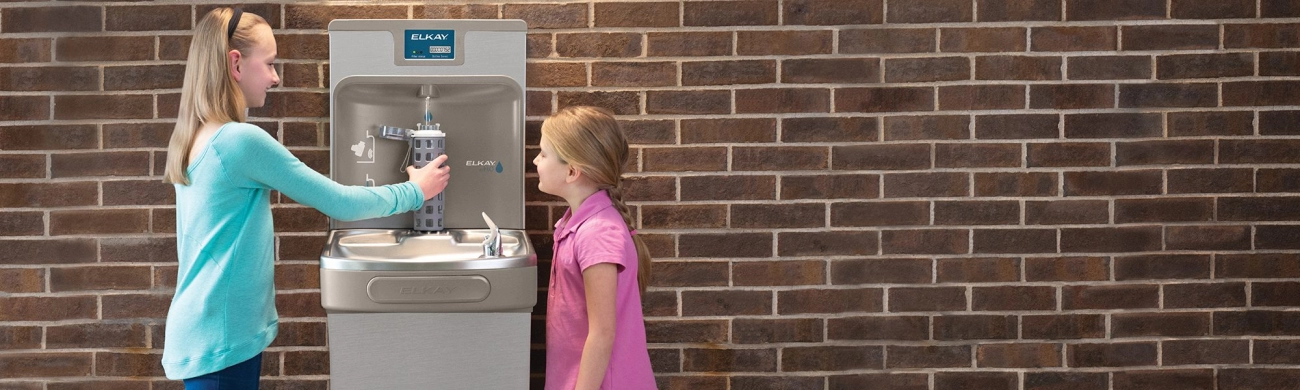
Meeting the strict water efficiency compliance requirements for public bottle filling station installations isn’t just about policy; it comes down to the nuts and bolts of the machine. You cannot achieve modern conservation standards with outdated mechanics. We focus on specific hardware components that physically prevent waste and ensure every drop ends up in the user’s bottle, not the drain.
Laminar Flow Technology: Precision Streams for Waste Reduction
The biggest source of water waste in older fountains is “splash-out.” This happens when an aerated stream hits the narrow neck of a reusable bottle and sprays everywhere. To combat this, we utilize laminar flow bottle filler designs.
Laminar flow creates a solid, non-aerated column of water. It looks like a glass rod. This precision ensures that water enters the bottle smoothly without turbulence. By eliminating splash, we significantly reduce the volume of water that bypasses the container, which is a key factor in meeting green building plumbing codes. While a standard tap with filter water setup works for kitchens, high-traffic public stations require this specialized flow dynamic to maintain hygiene and efficiency.
Sensor Activation and Auto-Shutoff: Eliminating Ghost Flow
Manual buttons are notorious for sticking, leading to “ghost flow” where water runs long after the user has walked away. Touchless sensor activation technology is the industry standard for compliance.
- IR Sensors: Detect the presence of a bottle instantly.
- Zero-Lag Shutoff: The moment the bottle is removed, the flow stops.
- Safety Timeout: Most compliant units feature a 20-second auto-shutoff to prevent overflow if an object is left in the sensor zone (anti-vandalism).
Programmable Solenoid Valves: Regulating Pressure Internally
The heart of the flow control system is the electronic water shut-off valve, or solenoid. In compliant units, we use programmable solenoids that can regulate flow rates regardless of the building’s incoming water pressure.
If a building has high pressure (e.g., 80 PSI), a cheap mechanical valve might blast water out at 1.5 GPM, violating efficiency codes. A high-quality solenoid regulates this down to the compliant 1.0 or 0.5 GPM, ensuring consistent performance. This internal regulation is vital for maintaining WaterSense partnership requirements.
Real-Time Usage Data: Digital Counters for Sustainability Reporting
You cannot manage what you do not measure. Modern compliance often requires proof of performance. We integrate real-time water usage monitoring systems directly into the unit’s fascia.
Hardware Data Capabilities:
| Feature | Function | Compliance Benefit |
|---|---|---|
| Green Ticker | Counts 20oz plastic bottles saved | Visual proof for LEED/BREEAM reporting |
| Flow Totalizer | Tracks total gallons/liters dispensed | Verifies actual water consumption vs. utility bills |
| Filter Monitor | Tracks gallon throughput for filter changes | Ensures flow rate doesn’t drop due to clogging |
These digital counters provide the hard data facility managers need to validate their water efficiency compliance requirements for public bottle filling station installations during audits.
The Procurement Checklist: Sourcing Compliant Equipment
Sourcing the right hardware is where your sustainability goals meet reality. When I’m overseeing a project, I don’t just look at the aesthetics of the unit; I look at the spec sheet to ensure it meets every water efficiency compliance checklist hydration station requirement. If the paperwork doesn’t stack up, the installation won’t pass inspection, and you lose out on potential green building credits.
Essential Certification Documentation: NSF/ANSI 61 and Efficiency Ratings
The first thing to verify is the safety and efficiency documentation. You cannot install a unit in a public space in the US without NSF/ANSI 61 certification. This standard guarantees that the equipment does not leach lead or other harmful contaminants into the drinking water. It is the baseline for safety.
Beyond safety, you need to verify the water saving approval bottle filling station ratings. I always look for:
- Environmental Product Declarations (EPD): These documents reveal the lifecycle impact of the product.
- WaterSense Partnership: While primarily for residential fixtures, commercial units often use similar third-party testing to prove flow rate consistency.
- Energy Star: Essential if the unit includes a chiller.
The Retrofit vs. New Install Dilemma
One of the biggest decisions facility managers face is whether to replace the entire infrastructure or upgrade existing units. Retrofitting drinking fountains is often the more sustainable choice because it reduces construction waste and utilizes existing plumbing lines.
- Retrofit Kits: These attach to existing fountains, converting a standard bubbler into a bottle filler. This is cost-effective but requires ensuring the existing drain line can handle the flow of a bottle filler without backing up.
- New Recessed Units: These offer a cleaner look and better ADA integration but require significant wall demolition.
In some retrofit scenarios, especially in office breakrooms or smaller commercial spaces where wall space is tight, you might need to integrate compact cooling solutions. Using a high-performance under sink water chiller dispenser can sometimes be the answer to adding chilled water capability to a custom setup without the bulk of a traditional freestanding fountain.
The Intersection of ADA Compliance and Water Efficiency
You cannot sacrifice accessibility for efficiency. ADA compliant drinking fountains and bottle fillers must meet specific height and reach requirements, but the flow rate also plays a role here.
If the water pressure is dialed down too low in the name of “efficiency,” the stream becomes weak, making it difficult for users with limited mobility to fill a bottle quickly or drink from the bubbler without leaning in too far.
- Sensor Placement: Must be within the ADA reach range (maximum 48 inches high).
- Activation Force: Manual buttons must require less than 5 lbs of force, though touchless sensors are preferred for both hygiene and ease of use.
- Flow Timing: The unit must fill a vessel reasonably quickly so a user in a wheelchair doesn’t have to hold a heavy bottle in a difficult position for an extended period.
Balancing these factors ensures your station is legally compliant on all fronts—safe, accessible, and efficient.
Installation and Commissioning for Maximum Efficiency
Getting the hardware to the job site is only half the battle. To truly meet Water Efficiency Compliance Requirements for Public Bottle Filling Station Installations, the commissioning phase is where we make or break the system’s performance. You can buy the most efficient unit on the market, but if it isn’t calibrated to the building’s specific hydraulic conditions, you will still see waste and inefficiency. We focus on three critical areas during setup: pressure, filtration balance, and safety shutoffs.
Pressure Calibration: Adjusting Units to Building Specifics
Every facility has a different “heartbeat” when it comes to water pressure. We never assume the static pressure at the rough-in matches the dynamic pressure needed for operation. If the pressure is too high, the laminar stream breaks apart, causing splashing and water loss down the drain. If it’s too low, the fill time drags on, frustrating users and leading to abandoned fills.
We adjust the internal regulators to handle the building’s specific PSI range. For most sustainable facility management goals, we dial the unit in to deliver a consistent stream between 40 and 60 PSI. This ensures the 1.1 GPM (Gallons Per Minute) target is hit precisely without the “ghost flow” that occurs when high pressure forces water past the solenoid after deactivation.
Filtration Integration: Balancing Flow Rates with Water Quality
Integrating commercial water filtration systems is standard for modern hydration stations, but filters act as a brake on water flow. A dense carbon block filter removes lead and chlorine, but it also creates a significant pressure drop. When we install a high-traffic wall-mounted drinking fountain with a bottle filler, we have to account for this resistance.
We verify that the flow rate remains compliant even with the filter media in place. The goal is to maintain that efficient 1.1 to 1.5 GPM speed. If the flow is too restricted by the filter, users tend to pull their bottles away early, triggering the sensor repeatedly and wasting water. We balance the regulator output to compensate for the filter’s drag, ensuring the user gets clean water fast without compromising the unit’s efficiency rating.
Leak Detection Systems: Modern Requirements for Auto-Shutoffs
Modern compliance codes are increasingly demanding active protection against catastrophic waste. It is no longer enough to just control the dispensing; we need to control the supply. We install an electronic water shut-off valve upstream of the unit. These systems monitor for abnormal flow patterns—like a solenoid that sticks open—and cut the water supply instantly.
Commissioning Checklist for Water Efficiency:
| Checkpoint | Action Required | Efficiency Impact |
|---|---|---|
| Static Pressure | Measure incoming PSI at the angle stop. | Prevents regulator damage and leaks. |
| Dynamic Flow | Adjust regulator while unit is dispensing. | Ensures consistent GPM and reduces splash waste. |
| Sensor Range | Calibrate activation distance (2-3 inches). | Eliminates false starts and “ghost” activation. |
| Safety Valve | Test auto-shutoff trigger. | Prevents thousands of gallons of waste during failure. |
Proper commissioning transforms a piece of plumbing equipment into a compliant, water-saving asset. We don’t sign off on an install until the digital counters are logging accurate usage and the stream is perfect.
Maintenance: Keeping the Station Compliant Over Time
Installing a high-efficiency unit is just the first step; keeping it compliant requires a proactive maintenance strategy. I’ve seen too many facility managers install top-tier equipment only to let it drift out of compliance within a year because they ignored the basics of upkeep. To maintain water efficiency compliance for bottle filling stations, you need a schedule that addresses mechanical drift, filtration resistance, and sensor clarity.
Regular Calibration Checks: Preventing Flow Rate Drift
Hardware doesn’t stay static. Over time, diaphragm wear in solenoid valves and fluctuations in building water pressure can cause your flow rate to drift. A unit initially set to a precise 1.1 GPM might creep up to 1.5 GPM, silently violating LEED v4 water use reduction standards, or drop so low that it frustrates users.
I recommend a quarterly check using a simple flow gauge cup. If the flow deviates by more than 10%, re-adjust the regulator immediately. This simple step ensures your water usage reporting for drinking fountain compliance remains accurate and prevents unnecessary waste.
Filter Lifecycle Management: Impact on Efficiency and Speed
Filters are the choke point of any hydration station. As they capture sediment and chlorine, the pressure drop across the filter increases. While we want clean water, a clogged filter drastically reduces flow, leading to longer fill times and potential backups in the system. Conversely, removing a filter without recalibrating the pressure can result in a high-pressure stream that splashes, wasting water.
For commercial water filtration systems, sticking to the manufacturer’s gallon rating isn’t always enough. You need to monitor the flow speed. If you notice a significant drop before the gallon limit is reached, it’s time to swap it out to maintain the balance between water quality and speed.
Cleaning Sensors: Preventing Calcium Buildup and False Starts
Touchless sensor activation technology is fantastic for hygiene, but it has an Achilles’ heel: hard water. In areas with high mineral content, calcium and lime deposits can form a film over the infrared lenses. This “fog” can trick the sensor into thinking a bottle is present, triggering “ghost flow” where the unit dispenses water into an empty drain.
To stop this, wipe down the sensor eyes weekly with a mild descaling solution. If you are battling persistent mineral issues in your facility, understanding hard water modification and limescale prevention is crucial for protecting these sensitive electronic components from permanent damage. Keeping these sensors clean ensures the auto-shutoff works instantly, preserving your water saving approval for bottle filling stations.
How Driplife Supports Global Compliance Standards
At Driplife, we understand that meeting water efficiency compliance requirements for public bottle filling station installations isn’t just about slapping a “green” sticker on a metal box. It requires precision engineering and adaptability. As a manufacturer, we don’t just ship products; we build solutions that align with the strict water saving regulation public hydration station mandates found in the US and international markets. We take the guesswork out of compliance so you can focus on installation.
OEM/ODM Capabilities: Customizing Flow Rates for Regional Laws
One size rarely fits all when dealing with local plumbing codes. Federal mandates like the EPA WaterSense in the US set a baseline, but local municipalities often have stricter green building plumbing codes.
We leverage our OEM/ODM capabilities to customize the internal hardware before it ever leaves our factory floor. We don’t force you to adapt to our specs; we adapt to yours.
- Precision Valve Tuning: We can adjust solenoid valves and flow restrictors to hit exact GPM or LPM targets required by your local water efficiency compliance checklist hydration station standards.
- Custom Sensor Calibration: We tweak sensor range and shut-off timing to minimize water waste, ensuring the unit meets specific water conservation regulation hydration station procurement criteria.
If you are looking to develop a product line that meets specific regional certifications, you can contact our team to discuss custom engineering solutions that ensure your equipment is compliant right out of the box.
Rigorous Factory Testing: Burst Pressure and Flow Consistency Assurance
Documentation is useless if the hardware fails in the field. To support sustainable facility management, we subject our units to aggressive testing protocols that simulate years of heavy public use.
- Burst Pressure Testing: We push our internal plumbing components to pressures far exceeding standard municipal lines. This ensures the unit won’t develop leaks that ruin water usage reporting drinking fountain compliance metrics.
- Flow Consistency Checks: We verify that the laminar flow bottle filler maintains a clean, splash-free stream even as filter pressure changes. This consistency is vital for accurate water efficiency documentation public drinking equipment tender submissions.
- Electronic Reliability: We test the electronic water shut-off valve for thousands of cycles to prevent “ghost flow” and ensure the auto-shutoff triggers instantly every time.
Frequently Asked Questions About Bottle Filler Compliance
Navigating the Water Efficiency Compliance Requirements for Public Bottle Filling Station Installations can feel like walking through a maze of acronyms and codes. As we work with facility managers across the US, certain questions come up constantly regarding how to balance speed, sustainability, and strict regulations. Here is the breakdown of the most critical inquiries.
What is the ideal GPM flow rate for public bottle fillers?
The sweet spot for hydration station GPM ratings usually sits between 1.0 and 1.5 Gallons Per Minute (GPM).
If the flow is too slow, you create lines and frustration; too fast, and you get splashing and water waste. To meet strict efficiency standards without sacrificing user experience, we rely on laminar flow bottle filler technology. This ensures a clean, solid column of water that hits the bottle directly without turbulence, maximizing every drop.
- Standard Efficiency: 1.5 GPM (Common for non-refrigerated units)
- High Efficiency: 1.1 GPM (Often required for stricter green building codes)
How do sensor-activated fillers contribute to LEED points?
Touchless sensor activation technology is a major driver for achieving LEED v4 water use reduction credits. Unlike manual buttons that users might hold down too long, sensors cut the water the exact moment the bottle is removed.
To secure these points, your equipment typically needs to demonstrate:
- Precise Metering: Automatic shut-off to prevent overflow.
- Usage Tracking: A digital counter that logs the number of plastic bottles saved, providing the data needed for sustainable facility management reporting.
- 20% Reduction: Meeting the baseline prerequisite for indoor water use reduction.
Can older drinking fountains be retrofitted to meet new water efficiency codes?
Yes, retrofitting drinking fountains is often a viable and cost-effective strategy. Many facilities choose to install a bottle filling attachment onto existing plumbing rather than ripping out the entire unit.
However, you must ensure the retrofit maintains compliance:
- ADA Compliance: The new height and reach ranges must still meet ADA compliant drinking fountains standards.
- Drainage Capacity: The existing drain must handle the higher volume of a bottle filler compared to a standard bubbler.
- Filtration: Retrofits are the perfect time to upgrade water quality. Ensuring the system provides clean and safe drinking water is often mandated alongside efficiency updates.
What certifications are required for government procurement of hydration stations?
For federal or state projects, documentation is everything. You cannot simply claim efficiency; you have to prove it.
Essential Certifications Checklist:
- NSF/ANSI 61 & 372: Non-negotiable for lead-free components and health effects.
- WaterSense Partnership Requirements: While WaterSense is huge for toilets and faucets, look for EPA-recognized efficiency standards for hydration units.
- UL Certification: For electrical safety on sensor units and chillers.
- Environmental Product Declarations (EPD): Increasingly requested to verify the lifecycle impact of the product.