














The Chemistry of the Crunch: Why Limescale Forms
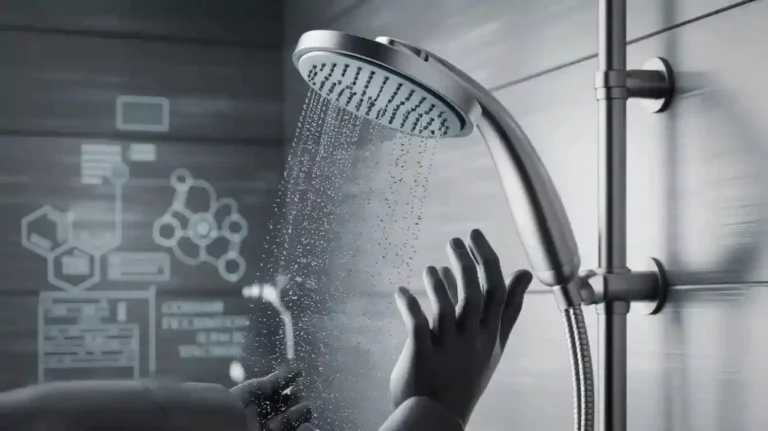
Have you ever stepped into the shower only to be greeted by a crusty, clogged showerhead? That white, chalky residue isn’t just annoying; it is the result of a specific chemical reaction happening right in your bathroom. At Driplife, we spend our time in the lab analyzing exactly why this happens so we can engineer better filtration solutions. Understanding the science behind the scale is the first step to stopping it.
Calcium Carbonate Transformation
The process begins with Calcium Carbonate Transformation. Hard water is naturally packed with dissolved minerals like calcium and magnesium. While these are harmless in cool, standing water, the environment changes the moment you turn on the hot tap.
When hard water is heated or depressurized—exactly what happens in a shower system—the chemical balance shifts. The minerals can no longer stay dissolved, so they precipitate out of the liquid and solidify. This transformation turns invisible minerals into the hard deposits you see on your fixtures.
The Villain: Calcite
Not all calcium deposits are created equal. The primary enemy of a clean shower is a crystal form called Calcite.
- Sticky Structure: Unlike soft mineral dust that washes away, Calcite forms a rigid, blocky crystal structure.
- High Adhesion: It acts like a microscopic glue, adhering aggressively to metal, chrome, and plastic surfaces.
- Rapid Growth: Once a layer of Calcite forms, it provides a rough surface for more crystals to grab onto, accelerating the buildup.
Impact on Infrastructure: Pipe Protection and Fixture Damage
The consequences of Calcite formation go beyond ugly white spots. It creates a tangible threat to your plumbing infrastructure. As scale buildup reduction fails, the deposits narrow the pathways inside your plumbing and showerhead nozzles.
This restriction forces water pressure to build up behind the blockage, which can lead to leaks, bursts, or permanent damage to the fixture’s internal mechanisms. Effective pipe protection is critical because once that scale hardens inside the fine channels of a high-performance shower filter or showerhead, it is incredibly difficult to remove without damaging the equipment. We design our systems to tackle these minerals before they have a chance to settle and destroy your hardware.
Physical Water Treatment (PWT): The Science of Modification
We often assume that to fix hard water, we have to remove the minerals entirely. However, our approach at Driplife focuses on Physical Water Treatment (PWT), a method that alters the physical properties of minerals without chemical additives. This is distinct from traditional softening; it is true Hard Water Modification. By changing how minerals interact with surfaces, we prevent the stubborn adhesion that ruins fixtures, all while retaining the mineral content in the water.
Aragonite vs. Calcite: The Crystal Switch
The core of this technology lies in understanding Aragonite vs Calcite. In untreated hard water, calcium carbonate naturally precipitates as Calcite. Calcite crystals are blocky and adhesive, acting like microscopic glue that bonds to showerheads and glass doors.
Through our filtration engineering, we force a structural change. We convert that sticky Calcite into Aragonite. Aragonite crystals are needle-like and smooth. Unlike their sticky counterparts, they don’t bond to surfaces. Instead of forming a hard crust, they remain harmless microscopic particles. This distinction is crucial when comparing purified water vs. filtered water, as modification focuses on behavior rather than extraction.
Template Assisted Crystallization (TAC)
To achieve this crystal switch, we utilize Template Assisted Crystallization (TAC). This advanced media acts as a catalyst. It provides a “template” on the surface of the media beads that attracts dissolved calcium and magnesium ions.
- Nucleation: The minerals form micro-crystals on the template rather than on your pipes.
- Release: Once the crystals reach a certain size, they release back into the water flow as stable Aragonite.
- Efficiency: This process requires no salt and generates no wastewater, aligning with modern efficiency standards.
Suspension vs. Adhesion: Keeping Minerals Moving
The ultimate goal of Hard Water Modification is shifting from adhesion to suspension. When calcium remains as Calcite, it adheres to the nearest surface—your expensive shower fixtures. By converting it to Aragonite, we ensure the minerals stay in suspension.
This means the minerals flow freely through the water stream and down the drain. This results in significant scale buildup reduction, ensuring that water pressure remains consistent and cleanup becomes a matter of a simple wipe rather than aggressive scrubbing. Our R&D labs rigorously test these flow dynamics to ensure our filters deliver consistent protection for high-end bathroom infrastructure.
Advanced Filtration Solutions: The Driplife Approach
At Driplife, we don’t just assemble parts; we engineer comprehensive water solutions. Our approach to Hard Water Modification: Preventing Limescale in Showers focuses on compact, high-efficiency designs that fit the modern American lifestyle. We leverage over 15 years of R&D experience to create systems that protect both your plumbing infrastructure and your skin without the complexity of whole-house industrial units.
Beyond Basic Softening: Salt-Free Solutions
Many US households want to avoid the slippery feel and maintenance hassle of traditional salt-based softeners. We focus on water conditioning technology that modifies the physical structure of minerals rather than chemically stripping them from the water. This salt-free approach is ideal for shower applications, as it prevents limescale adhesion while maintaining a stable pH balance. By utilizing advanced media that encourages hardness mineral sequestration, our filters ensure that calcium and magnesium pass through the showerhead without bonding to the surface, effectively stopping the “crunch” before it starts.
UF (Ultrafiltration) Technology
To elevate the standard of shower filtration, we integrate Ultrafiltration (UF) devices into our premium product lines. Unlike basic mesh screens that only catch large sediment, UF technology uses a membrane barrier to filter water at a microscopic level. This ensures that even fine particulates and bacteria are physically removed from the water stream. Understanding the mechanics of physical barriers, similar to how efficient ceramic water filters work, highlights the importance of precision manufacturing. Our state-of-the-art facility ensures every UF membrane meets strict porosity standards, delivering cleaner water without sacrificing the high-flow experience users expect.
KDF & Polyphosphate Media Integration
Effective scale buildup reduction requires the right chemical environment. We combine Kinetic Degradation Fluxion (KDF) media with high-quality polyphosphates to tackle multiple water issues simultaneously.
- Polyphosphates: These coat hardness minerals to prevent them from crystallizing into destructive calcite, keeping your fixtures clean.
- KDF Media: This creates a redox reaction that neutralizes chlorine and heavy metals, which are common irritants in municipal water.
This dual-action strategy not only extends the lifespan of the shower unit but also provides a noticeable improvement in water quality for skincare. By controlling the chemistry inside the filter cartridge, we provide a “set it and forget it” solution that keeps water flowing freely.
Tangible Benefits of Water Modification
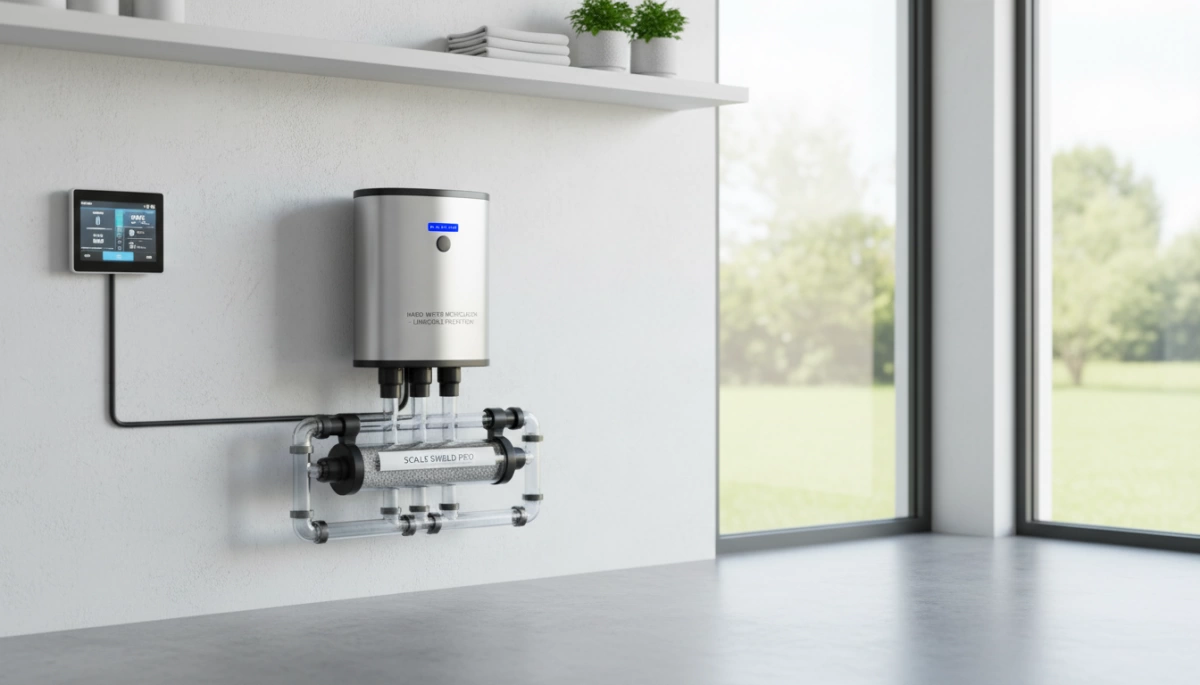
When we implement Hard Water Modification: Preventing Limescale in Showers, the results go far beyond just protecting the plumbing. By altering the physical structure of minerals, we create an immediate improvement in the daily user experience. At Driplife, we design our filtration solutions to deliver these tangible changes, ensuring that the water feels as clean as it looks.
Soap Scum Prevention
The stubborn, sticky residue known as soap scum is actually calcium stearate—a byproduct of hard water minerals reacting with the fatty acids in soap. This reaction reduces the lathering ability of soaps and shampoos, forcing users to use more product to get clean. Through effective water modification, we prevent calcium ions from bonding with these fatty acids. This directly leads to soap scum prevention, allowing soap to lather freely and rinse away completely without leaving a film on shower walls or glass doors.
Skin and Hair Health: The Softening Sensation
For the US market, where personal care is a priority, the impact of water quality on skin is a critical selling point. Unmodified hard water leaves a mineral residue on the skin that can clog pores and strip away natural oils, leading to dryness and irritation. By neutralizing the adhesive properties of these minerals, our systems provide a distinct softening sensation. This process supports the performance of UF (Ultrafiltration) devices, ensuring that water is not only free from contaminants but also gentle enough for sensitive skin and treated hair.
Maintenance Reduction: Wipe, Don’t Scrub
The most practical advantage for homeowners is the drastic reduction in cleaning time. Traditional calcite scale bonds aggressively to chrome and glass, requiring harsh chemicals and scrubbing to remove. Because our modification technology encourages the formation of non-adhesive aragonite crystals, scale buildup reduction is significant. Instead of crusty deposits, the minerals form a fine powder that flows down the drain. Any remaining residue sits loosely on the surface, allowing for a simple “wipe, don’t scrub” maintenance routine.
| Feature | Hard Water (Untreated) | Modified Water (Treated) |
|---|---|---|
| Surface Adhesion | High (Calcite sticks to fixtures) | Low (Aragonite flows off) |
| Cleaning Effort | Heavy scrubbing required | Simple wipe-down |
| Soap Efficiency | Poor lather, high scum formation | Rich lather, zero scum |
| Skin Feel | Dry, “squeaky” friction | Smooth, hydrated feel |
Evaluating Quality: What to Look for in a Shower Filter
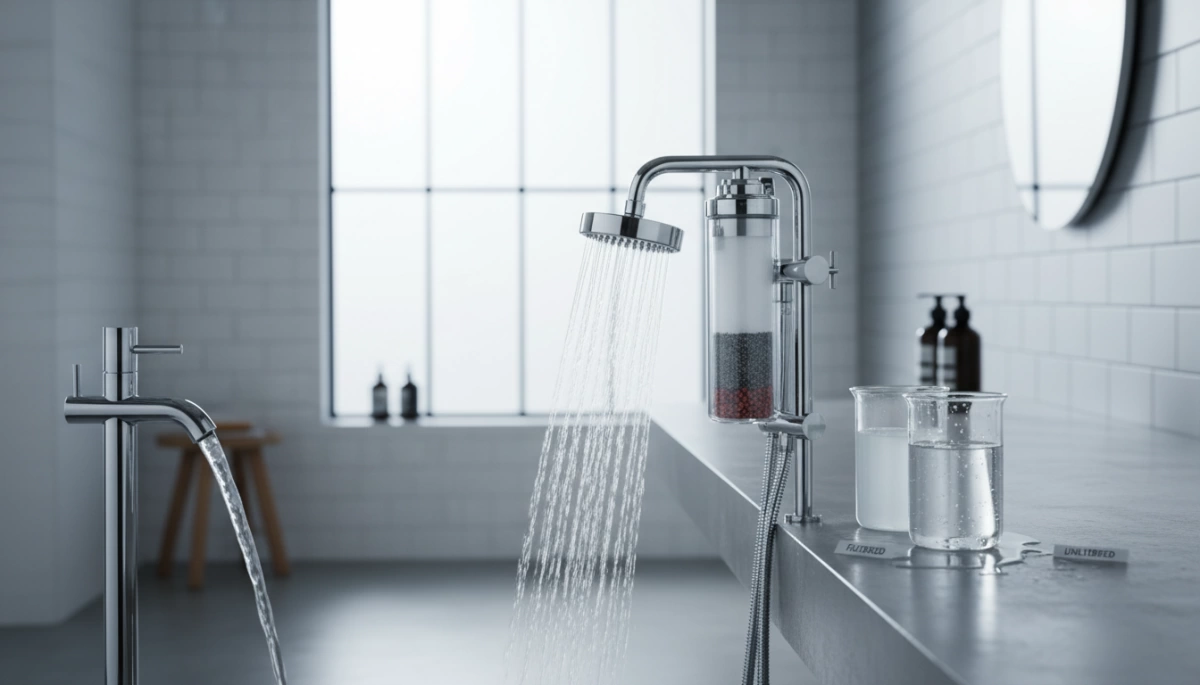
When selecting a solution for Hard Water Modification, the build quality of the device is just as critical as the filtration media inside. As a manufacturer with over 15 years of experience in the water purification industry, we know that effective limescale prevention requires precision engineering.
Manufacturing Standards and Pressure Testing
Reliability starts on the production line. At Driplife, our 60,000 sq. ft. facility operates under strict quality control protocols to ensure every unit meets international standards. We believe that a robust OEM water filtration partner must rigorously test housing integrity. Every filter we produce undergoes strict online inspection and pressure testing to guarantee it can withstand daily water pressure fluctuations without leaking or cracking. When evaluating a supplier, always look for a shower filter factory that combines high-capacity manufacturing with a dedicated laboratory for verifying structural durability.
Flow Rate Maintenance
A common issue with inferior filtration systems is a significant drop in water pressure. Effective hard water modification should not come at the cost of a weak shower. We design our systems to maintain a high-output flow, ensuring the water remains powerful while the media actively works to modify calcium structures. Our engineering focuses on balancing hydraulic efficiency with filtration performance, preventing the clogging issues often associated with standard sediment filters.
Ease of Installation
Modern lifestyles prioritize convenience, and water treatment solutions should be no exception. We engineer our products for effortless installation, allowing users to attach the unit to standard shower fixtures without needing professional plumbing services or specialized tools. Whether it is a handheld unit or a fixed head, the connection points are designed for a secure, universal fit. This user-centric approach ensures that the benefits of cleaner, conditioned water are accessible immediately.
FAQ: Hard Water Modification Essentials
Navigating the world of water treatment can be confusing. We often get asked how Hard Water Modification differs from traditional softening and what it means for your daily routine. Here are the answers to the most common questions regarding scale buildup reduction and filtration technology.
Does water modification remove healthy minerals?
No, it does not. Unlike traditional salt-based softeners that exchange calcium for sodium, modification technology focuses on structure change rather than removal. We believe in keeping beneficial minerals in the water while neutralizing their ability to cause damage. Our approach to a calcium water filter system ensures that essential minerals like calcium and magnesium remain in the water supply for your health, but they are physically altered so they don’t stick to your skin or shower walls.
How does Aragonite differ from Calcite?
This is the core of Aragonite vs Calcite science. In untreated hard water, calcium exists as Calcite, a blocky, sticky crystal that clings to surfaces and creates stubborn limescale. Through modification, we force these minerals to transform into Aragonite.
- Calcite: Hard, adhesive, forms crusty buildup.
- Aragonite: Smooth, needle-like, non-adhesive.
Because Aragonite crystals don’t stick, they simply flow down the drain with the water, providing effective pipe protection and keeping fixtures clean.
Can modification technology replace a whole-house softener?
For many households, yes. If your primary goal is soap scum prevention and protecting fixtures without the slick feel of salt-softened water, modification is a superior choice. It offers a softening sensation by changing the water’s physical properties without the environmental impact of salt brine discharge or the need for heavy bags of salt. It is an efficient, compact solution for modern homes.
How often should modification filters be replaced?
To maintain optimal showerhead maintenance and flow rates, consistency is key. While our filters are engineered for high capacity, the lifespan depends on your local water quality and usage frequency. Generally, we recommend replacing the filter cartridge every 3 to 6 months. Regular replacement ensures the filtration media remains active and effective at preventing scale accumulation.