














You might assume that your water filtration system performs identically whether it’s January or July.
But if you’ve ever dealt with a drastic drop in flow rate during winter, you know that’s simply not true.
The reality is that water temperature is a critical, often overlooked variable in OEM Water Purification Solutions. It dictates everything from Water Viscosity to the chemical speed of Carbon Adsorption Kinetics.
Ignore these thermal factors, and you risk compromised Reverse Osmosis Membrane Performance or even catastrophic structural failure due to Thermal Expansion.
In this analysis, we are going to explore the precise engineering behind temperature and filtration. You’ll learn why flux drops in the cold, the dangers of the “hot water hazard,” and how Driplife R&D Laboratory engineers systems to maintain stability in any climate.
Let’s dive into the physics.
The Physics of Flow: Viscosity and Membrane Flux
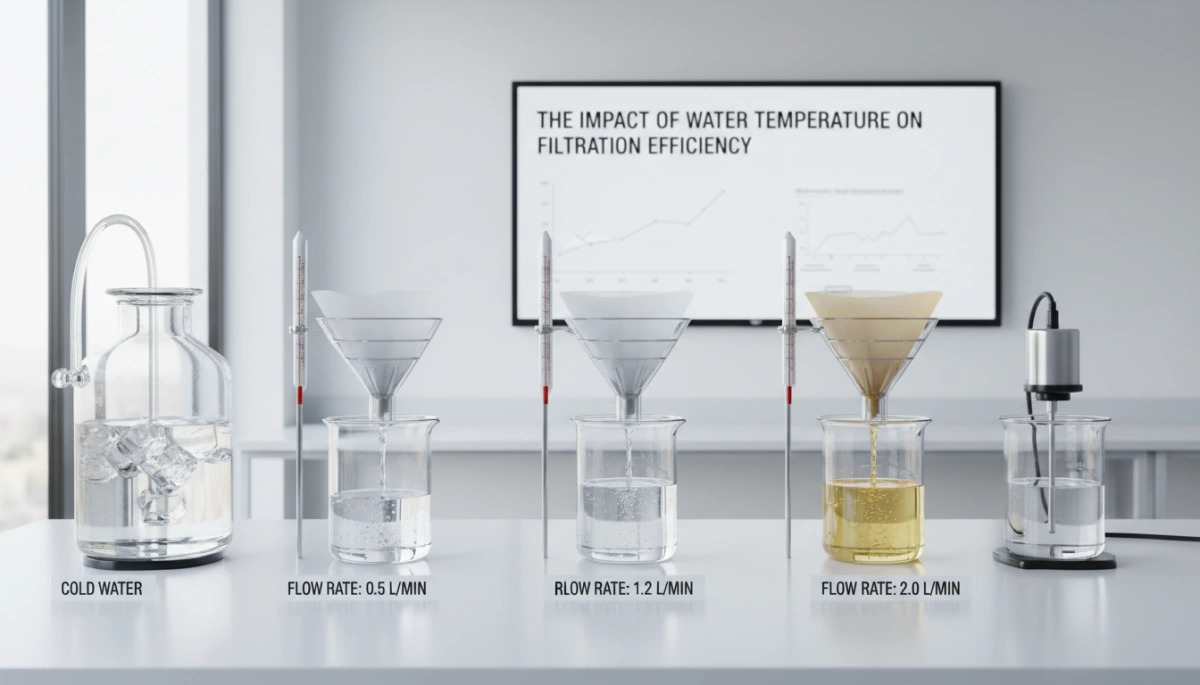
When we engineer filtration systems, we often focus heavily on pore size and pressure, but temperature is the silent variable that dictates actual performance. Through our testing at the Driplife R&D Laboratory, we know that water temperature fundamentally alters the fluid’s physical properties, specifically affecting Water Viscosity and Flux.
Viscosity Explained: The “Thick Water” Phenomenon
Most users assume water is a constant liquid, but thermodynamically, it behaves very differently at 40°F compared to 77°F. As temperature drops, water molecules lose kinetic energy and cluster more tightly together.
- Kinetic Drop: Lower temperatures reduce molecular movement.
- Increased Drag: The water effectively becomes “thicker” or more viscous.
- Flow Resistance: This increased viscosity requires significantly more pressure to push the fluid through microscopic filter pores.
Impact on RO & UF: Resistance and Pore Shrinkage
This viscosity shift wreaks havoc on standard Reverse Osmosis Membrane Performance. An RO membrane rated for a specific GPD (Gallons Per Day) at standard test conditions (usually 77°F) will see a drastic reduction in output as the thermometer dips. We observe a general rule of thumb: for every 1°F drop in temperature, membrane production can decrease by roughly 1.5% to 3%.
Furthermore, within the Ultrafiltration (UF) Operating Range, the membrane material itself—often polysulfone or similar polymers—can experience thermal contraction. This slight “pore shrinkage” tightens the filtration matrix. While this might theoretically increase TDS Rejection Rate, it creates a bottleneck that strangles flow rates if the system isn’t designed with adequate overhead.
| Temperature (°F) | Relative Viscosity | Approx. Flow Loss |
|---|---|---|
| 77°F (Standard) | 1.0 (Baseline) | 0% |
| 60°F | 1.25 | ~25-30% |
| 40°F (Winter) | 1.55 | ~50-60% |
The Driplife Advantage: Engineering for Cold Climates
We don’t leave performance to chance or the weather. Recognizing that our OEM partners distribute globally—from tropical zones to northern territories—we engineer resilience into our hardware.
- High-Capacity Pumps: Our systems, including our 150GPD models, utilize booster pumps calibrated to deliver consistent pressure even when facing high-viscosity cold water.
- Optimized Surface Area: We design our filter cartridges with expanded membrane surface areas. This compensation allows for adequate flow (maintaining our 5.2L/min standards on specific units) even when flux rates per square inch decrease.
- Thermal Stability: Our 4-in-1 Temperature Control Systems are built to manage these variables, ensuring that the purification stage operates efficiently before the water is chilled or heated for the user.
The Chemistry of Filtration: Adsorption and Reaction Rates
At Driplife, we understand that filtration isn’t just about straining physical particles; it is a complex chemical process. Temperature plays a massive role in how effectively chemical contaminants interact with filter media. When the water temperature fluctuates, it fundamentally changes the media reaction kinetics, altering how well your system removes impurities like chlorine and volatile organic compounds (VOCs).
Carbon Filtration & Temperature
Activated carbon is the workhorse of most water treatment systems, but it is highly sensitive to thermal changes. The efficiency of carbon relies on a balance between two opposing forces:
- Diffusion Rate: In warmer water, molecules move faster. This increases the diffusion coefficient, allowing contaminants to enter the carbon pores more quickly.
- Adsorption Strength: Adsorption is generally an exothermic process. This means that as temperature rises, the physical bond between the carbon surface and the contaminant becomes weaker.
While slightly warmer water might speed up the initial contact, cold water is superior for keeping those contaminants locked away. This is why we emphasize maintaining a stable, cool environment for the filtration stage in our under-sink units, ensuring the carbon holds onto trapped pollutants tightly.
Chemical Reaction Kinetics
For chemical reactions, such as the reduction of chlorine, heat can actually be a catalyst. The removal of chlorine happens faster in warmer water due to increased reaction rates. However, there is a critical tipping point. If the temperature exceeds the safe operating range, you face the risk of desorption.
Desorption occurs when the filter media releases previously trapped contaminants back into the water stream—essentially dumping concentrated pollution into your glass. This is a primary reason why our 4-in-1 systems isolate the heating module from the purification stage. Unlike standard reverse osmosis filter pitchers that process water at ambient room temperature, our integrated systems must actively manage thermal transfer to prevent this chemical reversal.
Warning Signs: Leaching Toxins
Pushing a standard filter beyond its thermal limits does more than just reduce efficiency; it can become a safety hazard. When water gets too hot, it can cause the breakdown of binders used in carbon blocks or the plastic housing itself.
- Contaminant Breakthrough: Sudden release of trapped sediments and chemicals.
- Material Leaching: Glues or binders dissolving into the treated water.
We conduct rigorous laboratory testing to determine the exact safe operating range for every component. This ensures that even if the ambient environment fluctuates, the internal chemistry of the filter remains stable, preventing the leaching of toxins or structural failure.
Material Science: Structural Integrity and Safety
When we engineer water purification systems at our manufacturing facility, we look beyond just water chemistry; we have to master the physics of the materials holding that water. The durability of a system depends heavily on how well the components handle temperature fluctuations. If the material science isn’t sound, even the best filtration membrane won’t prevent a leak or a burst housing.
Thermal Expansion in Filter Housings
Most residential filter housings are made from thermoplastics like Polypropylene or ABS. These materials are cost-effective and durable, but they are subject to Thermal Expansion and Contraction. When a unit is exposed to rapid temperature cycling—such as in a garage installation during winter or a kitchen with poor insulation—the plastic expands and contracts.
Over time, this movement creates stress fractures, particularly around the threaded connections and sumps. Maintaining Polypropylene Structural Integrity is critical here. If the housing becomes brittle due to cold or softens due to heat, it loses its ability to contain the system’s operating pressure. This is similar to the challenges involved in managing reverse osmosis water filter tank pressure, where structural consistency is key to preventing failure. We test our OEM housings rigorously to ensure they stay within a Safe operating range regardless of environmental shifts.
The ‘Hot Water’ Danger Zone
Running hot water through a system designed for cold water is a recipe for disaster. It’s not just about efficiency; it’s about physical destruction.
- Melting Binders: Many carbon blocks use specific binders to hold the activated carbon granules together. Temperatures exceeding 100°F (38°C) can cause these binders to soften or melt, bypassing the filtration media entirely.
- Sediment Filter Pore Shrinkage and Warping: High heat causes the fibers in sediment filters to relax and warp. This distortion changes the pore size, allowing contaminants that should have been caught to pass right through.
- Seal Failure: O-rings and gaskets designed for cold water can deform under heat, leading to immediate leaks.
Driplife’s 4-in-1 Engineering
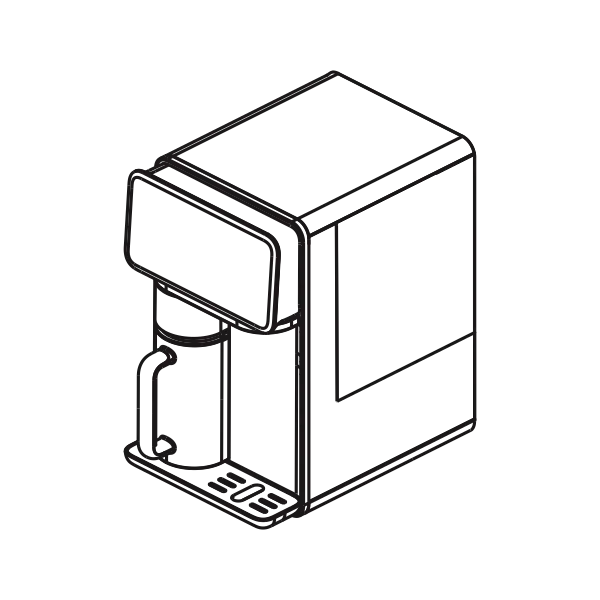
To provide modern convenience without compromising safety, we utilize advanced 4-in-1 Temperature Control Systems. Our engineering approach isolates the heating elements from the filtration stages. In our Countertop and Under-Sink units, the water is purified while it is cold—optimizing the Cartridge dissolution rate and adsorption efficiency—and is only heated or cooled after it leaves the filtration module.
This design ensures Scalding protection for the user and thermal protection for the filters. By keeping the filtration stage thermally stable, we prevent the risks associated with Hydrolysis of Membrane Materials and ensure the longevity of the entire machine. Our 15+ years of R&D experience allow us to build these integrated systems where hot, cold, ice, and purification coexist without interfering with each other.
Biological Implications: Temperature and Bacteria
Temperature isn’t just a matter of physics and flow rates; it is the primary driver of biological activity within any water system. As a manufacturer, we treat thermal management as a critical hygiene factor because the wrong temperature can turn a filtration device into a breeding ground.
The Goldilocks Zone and Biofouling Rates
Bacteria thrive in what we call the “Goldilocks Zone”—temperatures that are warm enough to encourage rapid reproduction but not hot enough to sanitize. In water purification, this creates a significant risk of biofouling. If a system allows heat from internal components to bleed into stagnant water reserves, biofouling rates on the membrane surface accelerate drastically. This slime layer not only clogs the filter but can also compromise water safety.
Our engineering teams focus heavily on innovation and development to thermally isolate filtration stages from heating elements. By keeping the pre-filtration and membrane stages within a safe operating range, we prevent the ambient warmth that bacteria require to colonize the system.
Cold Water Efficiency and Natural Inhibition
On the flip side, cold water acts as a natural preservative. Lower temperatures significantly slow down the metabolic processes of microorganisms.
- Natural Inhibition: Chilled water circuits in our 4-in-1 units naturally resist bacterial bloom better than room-temperature reservoirs.
- Storage Safety: Maintaining a lower temperature in storage tanks extends the hygienic life of the water between dispensing cycles.
Sanitization Protocols for Warm Environments
For systems installed in tropical climates or warm industrial environments, relying solely on temperature control isn’t enough. We implement strict protocols to ensure safety:
- Auto-Flushing: Frequent flushing prevents stagnation, ensuring water doesn’t sit in the danger zone long enough for bacteria to adhere.
- UV Integration: In scenarios where temperature fluctuation is unavoidable, we often recommend supplementary UV sterilization at the dispensing point.
- Material Selection: Using high-grade, bacteriostatic materials in the flow path helps resist biofilm formation even when temperatures rise.
Commercial Application: Designing for Climate (B2B Focus)
Regional Considerations for OEMs
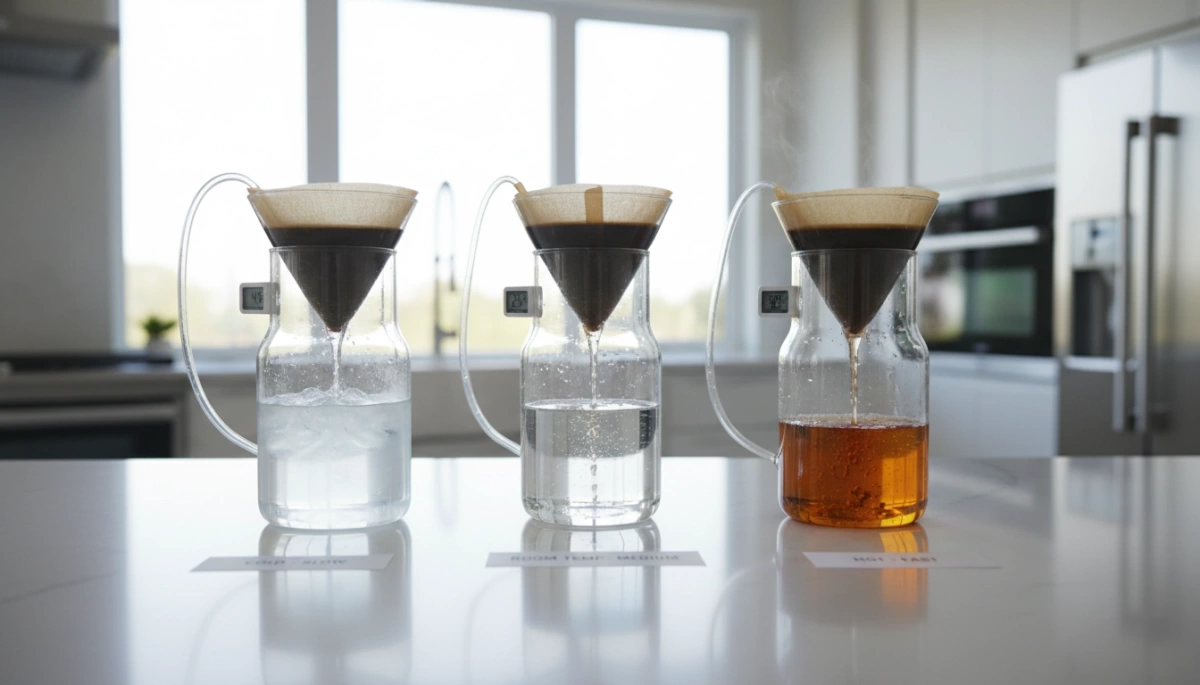
When we partner with brands across the United States, geography plays a massive role in hardware configuration. One size rarely fits all when you compare the groundwater temperatures in Minnesota to those in Florida. In colder Northern climates, the increased water viscosity requires us to adjust flow restrictors and pump pressures to maintain cold water efficiency. If we used a standard setup designed for the Sunbelt in the Midwest during winter, the production rate would drop significantly, leading to customer complaints about slow flow.
For our partners, we tailor OEM Water Purification Solutions to match specific regional profiles. This involves:
- Calibrating Flow Restrictors: Ensuring the brine-to-product ratio remains efficient even when water is dense.
- Pump Selection: Using booster pumps with higher torque to overcome the resistance caused by low temperatures.
- Membrane Selection: Utilizing membranes with higher active surface areas to compensate for reduced flux in cold regions.
Driplife’s Customization Capabilities
At the Driplife R&D Laboratory, we don’t guess; we test. We simulate extreme environmental conditions to ensure our systems deliver consistent output regardless of the ambient temperature. This is critical for maintaining a safe operating range and preventing the structural stress that comes with thermal fluctuation.
We engineer our systems to adapt, ensuring that the end-user gets the same fast glass of water in January as they do in July. This level of reliability is essential for brands focused on expanding your market share with smart countertop RO water filter technology, as consistent performance is the key to retaining customer loyalty in a competitive market. By isolating heating elements and optimizing hydraulic pathways, we ensure that temperature impacts are managed internally, not felt by the consumer.
Frequently Asked Questions About Water Temperature and Filtration
Why does my RO system flow slowly in the winter?
It is not your imagination; your system really does slow down when the weather gets cold. This happens because of the physics behind Water Viscosity and Flux. As water temperature drops, it becomes “thicker” (more viscous), making it harder for molecules to pass through the microscopic pores of the filter.
This increased resistance directly impacts Reverse Osmosis Membrane Performance. In many parts of the US, winter groundwater temperatures can drop significantly, potentially reducing your system’s flow rate by up to 50% compared to summer months. The pressure required to push this colder, thicker fluid through the membrane increases, resulting in a slower drip at the faucet.
What happens if I accidentally run hot water through my filter?
Running hot water through a standard cold-water filter is a major mistake that can ruin the cartridge instantly. Most standard filters have a specific Safe operating range, usually capped around 100°F (38°C). Exceeding this causes Thermal Expansion in Filter Housings, which can lead to stress cracks, leaks, or even burst canisters.
Furthermore, hot water can degrade the glues used to hold carbon blocks together and may cause the filter media to release previously trapped contaminants back into the water supply.
Does water temperature affect the taste of filtered water?
Yes, temperature plays a huge role in perception and quality. Cold water tends to mask flavors, making the water taste “crisper” and cleaner to the human palate, while warm water can make any remaining impurities taste more pronounced.
For the best experience, we recommend filtering water at the optimal efficiency temperature (room temperature) and then chilling it. Storing your filtered water in a 3.2L small water filter jug inside the refrigerator ensures you get that refreshing cold taste without forcing your filtration system to struggle with highly viscous cold feed water.
How does Driplife ensure consistent performance in extreme temperatures?
We don’t leave performance up to chance. Inside the Driplife R&D Laboratory, we subject our units to rigorous environmental testing, simulating both freezing Northern winters and hot Southern summers. This allows us to calibrate our pumps and flow restrictors to handle fluctuations in viscosity.
For our hot water dispensing units, we utilize advanced 4-in-1 Temperature Control Systems. This engineering isolates the heating elements from the filtration stages, ensuring the filters only process cold water to maintain integrity. This design provides consistent purity while offering integrated Scalding protection for user safety.