Advantages of Using a Water Filter for Sink Tap
As a professional in water filtration systems, I have seen firsthand the multitude of benefits that include making use of a water filter for sink faucet. These systems are created to provide you with cleaner, better-tasting water directly from your cooking area sink, which can have a considerable influence on your health and overall quality of life.
One of the primary advantages is the improvement in water high quality. Faucet water can contain various impurities, consisting of chlorine, lead, and microorganisms, which can be damaging if consumed with time. A top notch water filter can effectively remove these impurities, ensuring that the water you and your family members drink is safe and clean.
Additionally, utilizing a water filter for your sink tap can be economical. Mineral water can be costly and ecologically damaging as a result of plastic waste. By spending in a water filter, you can conserve money in the future and lower your ecological footprint. According to a research study by the Epa (EPA), Americans invest billions of dollars annually on mineral water, which can be significantly minimized with using home water filtering systems.
The convenience of having actually filtered water readily offered at your sink can not be overstated. There is no need to wait on a pitcher to filter water or to haul hefty containers from the store. This simplicity of access urges increased water intake, which is important for preserving proper hydration and total health and wellness.
In addition, filtered water can enhance the preference and high quality of your food and beverages. Chlorine and other chemicals in faucet water can affect the taste of your cooking and beverages. By using a water filter, you can make certain that your coffee, tea, and meals taste their finest.
Below is a table summarizing the vital benefits of using a water filter for sink faucet:
| Advantage | Summary |
|---|---|
| Improved Water Top Quality | Gets rid of pollutants such as chlorine, lead, and germs. |
| Cost-Effective | Reduces the requirement for mineral water, conserving money and decreasing plastic waste. |
| Convenience | Gives immediate accessibility to filtered water, encouraging greater water usage. |
| Improved Taste | Enhances the taste of food and beverages by getting rid of chemicals and impurities. |
Just how to Choose the Right Water Filter for Your Sink Tap
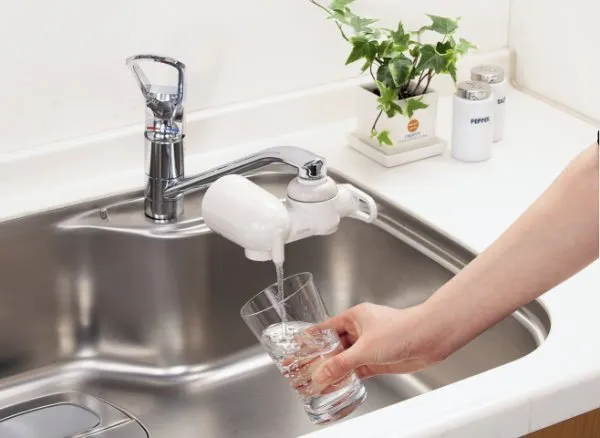
Selecting the right water filter for your sink faucet can be a challenging job provided the selection of alternatives readily available out there. Nonetheless, by thinking about a couple of key elements, you can make an informed decision that best suits your needs and makes sure the quality of your alcohol consumption water.
1. Water Quality
The initial step in choosing the appropriate water filter is to comprehend the high quality of your faucet water. Conduct a water test to recognize the impurities existing in your supply of water. This details will certainly help you choose a filter that successfully gets rid of specific impurities such as chlorine, lead, chemicals, or bacteria.
2. Filter Type
There are numerous kinds of sink faucet water filters, each made to address various filtration needs. The most typical kinds include:
| Filter Kind | Summary |
|---|---|
| Carbon Filters | Reliable in eliminating chlorine, bad tastes, and odors. Appropriate for general water renovation. |
| Ceramic Filters | Best for removing bacteria and sediment. They do not remove chemicals. |
| Reverse Osmosis (RO) Equipments | Very effective in eliminating a large range of pollutants, including hefty steels and liquified salts. |
| Ultraviolet (UV) Filters | Excellent for eliminating germs and viruses but do not remove chemical impurities. |
3. Compatibility
Guarantee that the water filter you choose works with your sink faucet. Some filters are developed to fit common taps, while others might call for adapters or might not be ideal for certain faucet designs. Constantly examine the supplier’s requirements for compatibility details.
4. Filter Life Expectancy and Replacement
Consider the lifespan of the filter and just how typically it needs to be changed. Filters with a much longer life expectancy may have a higher first price yet can be more economical over time. Routine maintenance and timely replacement of filters are crucial to make sure ideal performance.
5. Circulation Rate
The circulation rate of the filter is another crucial factor. Some filters may decrease the water flow substantially, which can be bothersome for day-to-day use. Try to find a filter that provides a balance between reliable filtration and adequate water flow.
6. Accreditation
Look for certifications from reputable companies such as NSF International. Qualification ensures that the filter fulfills details standards for contaminant reduction and performance.
7. Budget
Finally, consider your budget. While it is necessary to invest in a high-grade filter, there are alternatives available at different cost factors. Contrast the attributes and advantages of various filters within your budget plan to find the most effective value.
What are the benefits of using a water filter for a sink faucet?
Using a water filter for your sink faucet has numerous benefits, including improved water quality, cost-effectiveness, convenience, and enhanced taste of food and beverages. These filters are designed to remove contaminants such as chlorine, lead, and bacteria, providing cleaner and safer drinking water for you and your family.
What are the different types of sink faucet water filters?
There are several types of sink faucet water filters available, each designed to address specific needs and preferences. The most common types include activated carbon filters, ceramic filters, reverse osmosis filters, UV filters, alkaline/water ionizers, and inline faucet filters. Each type has unique advantages and is suitable for different water quality concerns.
How do I choose the right water filter for my sink faucet?
Choosing the right water filter for your sink faucet involves considering factors such as water quality, filter type, compatibility, filter lifespan and replacement, flow rate, certification, and budget. Understanding your specific water quality issues and personal preferences will help you make an informed decision that best suits your needs.
What are the installation and maintenance tips for sink faucet water filters?
Proper installation and regular maintenance are crucial for the optimal performance of a sink faucet water filter. When installing the filter, it’s important to follow the manufacturer’s instructions closely and ensure all connections are secure. For maintenance, tasks such as replacing the filter cartridge, cleaning the filter housing, checking for leaks, and flushing the system are essential for keeping the filter functioning effectively. Regular maintenance ensures clean and safe drinking water for you and your family.