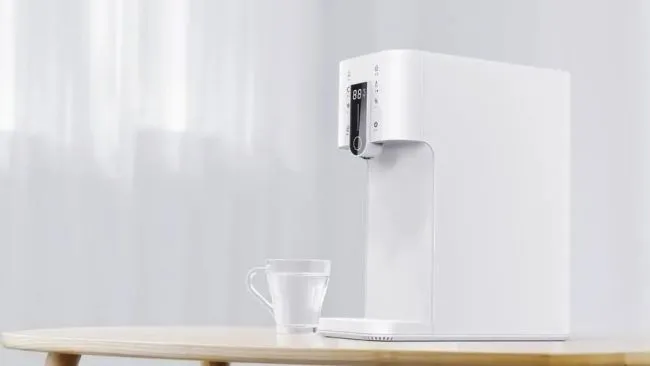


















Understanding why filtering water is important reveals significant environmental and economic benefits. Using water filters reduces reliance on bottled water, cutting down plastic pollution and conserving resources. This not only saves money over time but also lowers your carbon footprint, making a positive impact on the planet.
Filtering water ensures access to safe drinking water by removing harmful contaminants. It improves taste and odor, supporting a sustainable lifestyle. By choosing to filter tap water, you contribute to reducing plastic waste and energy consumption, protecting both your health and the environment.
Key Points
- Reduces reliance on bottled water
- Minimizes plastic pollution
- Saves money over time
- Lowers carbon footprint
- Decreases plastic waste production
- Significant economic savings
- Reduces energy consumption
- Long lifespan of filtration systems
- Minimal maintenance required
- Protects from harmful contaminants
- Improves water taste and odor
- Supports a sustainable lifestyle
- Ensures safe drinking water
- Effective against various pollutants
Environmental and Economic Advantages
Using water filters reduces the reliance on bottled water, which is both costly and ecologically destructive. Plastic containers contribute considerably to contamination, taking centuries to degrade and consuming big quantities of water in their production. By filtering faucet water, you conserve money over time and lower your carbon footprint, making a positive effect on the atmosphere.
The environmental influence of bottled water is significant. Every year, billions of plastic bottles are produced, with a considerable portion finishing up in landfills and oceans. This not just contributes to the expanding issue of plastic pollution yet likewise harms marine life and communities. By choosing to filter tap water, you are proactively lowering the need for bottled water and, as a result, the manufacturing of plastic waste.
From an economic perspective, purchasing a high quality water filtering system can cause substantial financial savings. While the preliminary expense of a filter could appear high, it pales in comparison to the ongoing expense of buying bottled water. Over time, the cash conserved from denying mineral water can greater than balance out the price of the filtration system, offering a financially sound service for tidy alcohol consumption water.
Additionally, the production and transportation of mineral water consume substantial amounts of power and sources. The process of manufacturing plastic bottles requires oil, and carrying these bottles involves shedding nonrenewable fuel sources, additionally adding to greenhouse gas exhausts. By filtering system water in your home, you are minimizing the energy consumption and exhausts linked with the bottled water industry, therefore decreasing your personal ecological impact.
In addition to these benefits, water filtration systems generally have a long life expectancy and require minimal upkeep. Several filters are developed to be easily changeable, guaranteeing a constant supply of clean water without the demand for constant replacements. This durability makes water filters an affordable and lasting choice for households aiming to minimize their environmental footprint.
Overall, the use of water filters offers a useful and effective option to the environmental and economic obstacles postured by mineral water. By accepting this innovation, you can enjoy the twin benefits of conserving money and shielding the world, all while making certain accessibility to safe and clean alcohol consumption water.
Environmental and Economic Advantages
Using water filters reduces the dependence on bottled water, which is both pricey and ecologically harmful. Plastic bottles add considerably to air pollution, taking centuries to weaken and eating huge quantities of water in their production. By filtering system faucet water, you save cash in the long run and minimize your carbon footprint, making a favorable influence on the atmosphere.
The environmental influence of bottled water is substantial. Annually, billions of plastic bottles are created, with a considerable part ending up in garbage dumps and oceans. This not only adds to the growing issue of plastic air pollution however additionally hurts marine life and ecological communities. By choosing to filter faucet water, you are proactively decreasing the demand for bottled water and, consequently, the production of plastic waste.
From a financial viewpoint, investing in a high quality water purification system can bring about significant financial savings. While the preliminary price of a filter might seem high, it pales in comparison to the ongoing cost of acquiring bottled water. Gradually, the cash saved from not purchasing bottled water can greater than offset the cost of the filtering system, supplying an economically audio remedy for tidy drinking water.
Additionally, the production and transportation of mineral water eat huge quantities of power and resources. The process of making plastic containers requires oil, and moving these containers entails burning nonrenewable fuel sources, even more adding to greenhouse gas exhausts. By filtering water in the house, you are reducing the energy intake and discharges related to the bottled water sector, consequently decreasing your personal environmental effect.
In addition to these advantages, water filtration systems normally have a lengthy life-span and call for marginal maintenance. Many filters are designed to be easily replaceable, making certain a regular supply of clean water without the demand for constant substitutes. This longevity makes water filters an economical and lasting selection for homes looking to minimize their environmental footprint.
On the whole, using water filters presents a useful and efficient service to the ecological and financial obstacles postured by bottled water. By accepting this technology, you can appreciate the dual advantages of conserving cash and safeguarding the earth, all while ensuring access to safe and clean alcohol consumption water.
Security from Specific Contaminants
Different sorts of water filters are created to tackle various pollutants, making sure the highest degree of water top quality and security. As an example, triggered carbon filters are highly reliable at removing chlorine, chemicals, and unstable natural substances (VOCs), which can negatively affect the preference and smell of water. These filters function by adsorbing impurities onto the surface of the turned on carbon, effectively trapping them and stopping their passage via the filter.
One more advanced filtration approach is reverse osmosis (RO), which is qualified of getting rid of a wider variety of impurities. This consists of heavy metals such as lead and mercury, as well as fluoride, nitrates, and sulfates. Reverse osmosis systems operate by requiring water through a semi-permeable membrane layer, which obstructs impurities and permits just tidy water to go through.
Understanding the details impurities existing in your water supply is important in selecting the ideal filtration system. For instance, if your water consists of high degrees of chlorine and natural compounds, an activated carbon filter would certainly be optimal. Nevertheless, if the water has significant quantities of heavy metals and other liquified solids, a reverse osmosis system would certainly be more efficient.
Below is a table summarizing the performance of various filtering methods against various contaminants:
| Contaminant | Activated Carbon | Reverse Osmosis |
|---|---|---|
| Chlorine | Reliable | Reliable |
| Chemicals | Reliable | Effective |
| Volatile Organic Compounds (VOCs) | Effective | Reliable |
| Lead | Restricted Effectiveness | Highly Effective |
| Mercury | Restricted Effectiveness | Highly Effective |
| Fluoride | Not Effective | Highly Effective |
| Nitrates | Ineffective | Highly Effective |
By choosing the best filtering system, you can ensure that your water is without damaging impurities, offering risk-free, clean, and revitalizing water for you and your household. This targeted method to water purification not only enhances your health and wellness but also contributes to an extra sustainable and eco-friendly way of living.
Defense from Specific Contaminants
Various sorts of water filters are developed to take on different contaminants, ensuring the highest degree of water quality and safety. For example, activated carbon filters are very reliable at getting rid of chlorine, pesticides, and unpredictable natural compounds (VOCs), which can negatively impact the preference and odor of water. These filters function by adsorbing pollutants onto the surface of the turned on carbon, successfully capturing them and stopping their flow through the filter.
Another sophisticated filtration method is reverse osmosis (RO), which is qualified of eliminating a wider series of impurities. This consists of heavy steels such as lead and mercury, along with fluoride, nitrates, and sulfates. Reverse osmosis systems operate forcibly water through a semi-permeable membrane, which obstructs contaminants and allows just clean water to go through.
Understanding the particular impurities present in your water system is important in selecting the ideal filtration system. For instance, if your water has high levels of chlorine and natural substances, a turned on carbon filter would certainly be excellent. However, if the water has substantial quantities of hefty metals and various other liquified solids, a reverse osmosis system would certainly be a lot more efficient.
Below is a table summing up the efficiency of various filtering techniques against various pollutants:
| Contaminant | Turned on Carbon | Reverse Osmosis |
|---|---|---|
| Chlorine | Effective | Effective |
| Pesticides | Effective | Efficient |
| Unstable Organic Compounds (VOCs) | Effective | Efficient |
| Lead | Limited Effectiveness | Highly Effective |
| Mercury | Minimal Effectiveness | Highly Effective |
| Fluoride | Not Effective | Extremely Effective |
| Nitrates | Ineffective | Very Effective |
By selecting the appropriate filtering system, you can guarantee that your water is without unsafe pollutants, supplying risk-free, clean, and rejuvenating water for you and your family. This targeted technique to water filtration not only enhances your health yet also adds to a more lasting and eco-friendly way of life.
FAQs on the Importance of Filtering Water
Why is filtering water important for health?
Filtering water is crucial for health as it removes harmful contaminants like chlorine, lead, pesticides, and pharmaceuticals. These contaminants can cause various health issues such as respiratory problems, developmental issues in children, and gastrointestinal illnesses. Filtered water promotes better digestion and nutrient absorption, enhancing overall health.
How does filtered water benefit individuals with weakened immune systems?
Filtered water is especially important for individuals with weakened immune systems as it removes bacteria and viruses that can cause illnesses. This helps protect vulnerable individuals from waterborne diseases, ensuring their immune systems do not have to battle additional health threats.
What are the environmental benefits of using water filters?
Using water filters reduces the reliance on bottled water, which significantly contributes to plastic pollution. Plastic bottles take centuries to degrade and harm marine life and ecosystems. By filtering tap water, you decrease the demand for bottled water, reducing plastic waste and your carbon footprint.
Can filtering water save money?
Yes, investing in a quality water filtration system can lead to considerable savings. Although the initial cost of a filter might be high, it is much less expensive than continuously purchasing bottled water. Over time, the savings from not buying bottled water can more than offset the cost of the filtration system.
How does filtered water improve the taste and odor of tap water?
Filtering water improves its taste and odor by removing chlorine and other chemicals that can impart a metallic or chemical taste and a noticeable odor. This results in a more refreshing and enjoyable drinking experience, encouraging regular water consumption.
What contaminants do different types of water filters remove?
Different water filters are designed to remove specific contaminants:
- Activated carbon filters: Effective at removing chlorine, pesticides, and volatile organic compounds (VOCs).
- Reverse osmosis (RO) systems: Capable of removing heavy metals like lead and mercury, as well as fluoride, nitrates, and sulfates.
Choosing the right filter based on your water’s contaminants ensures you get the highest quality and safest water.
What are the economic advantages of using water filters?
From an economic perspective, water filters provide long-term savings compared to buying bottled water. They require minimal maintenance and have a long lifespan, making them a cost-effective solution for clean drinking water.
How does filtering water contribute to a sustainable lifestyle?
Filtering water at home reduces the environmental impact associated with the production and transportation of bottled water. It lowers energy consumption, reduces greenhouse gas emissions, and lessens the demand for plastic bottles, contributing to a more sustainable lifestyle.