













Are you tired of dry skin, frizzy hair, or that lingering chlorine smell after your shower? Choosing the right shower water filter can transform your daily routine, giving you cleaner, healthier water that’s gentle on your body.
As a health-conscious homeowner, I understand the importance of water quality for your skin, hair, and overall well-being. With years of expertise in filtration solutions, driplife is here to guide you through the world of shower filters, offering practical advice and top-tier products.
In this guide, you’ll discover why shower water filters matter, the best types for your needs, and how driplife can help you enjoy a spa-like shower experience at home.
Let’s dive in!
Why Use a Shower Water Filter

Common Contaminants in Tap Water
Even though tap water is treated, it often still contains contaminants like:
- Chlorine: Used to disinfect water but can dry out your skin and hair.
- Heavy metals: Such as lead and mercury, which can irritate and damage skin.
- Sediments: Tiny particles that leave your skin feeling rough and your hair dull.
- Bacteria: Some may survive treatment, posing health risks, especially for sensitive individuals.
How Contaminants Affect Skin Hair and Respiratory Health
These contaminants don’t just affect water quality—they directly impact your body:
- Skin: Chlorine strips natural oils, causing dryness, itchiness, and irritation. Heavy metals and sediments aggravate sensitive skin and may lead to redness or breakouts.
- Hair: Hard water minerals and chlorine make hair brittle, dull, and prone to breakage. You might notice fading color for dyed hair or increased frizz.
- Respiratory Health: When hot water produces steam, chlorine and other chemicals can be inhaled, potentially worsening allergies or asthma symptoms.
Benefits of Filtered Shower Water
Using a shower water filter means you’re washing away those harmful substances, which brings several noticeable benefits:
- Softer Skin: Removal of chlorine and sediments helps your skin retain moisture and feel more comfortable.
- Healthier Hair: Filters reduce mineral buildup and chemicals, making hair smoother, shinier, and easier to manage.
- Allergy Relief: Less exposure to irritants means fewer respiratory issues and skin flare-ups for sensitive or allergy-prone individuals.
Filtered water makes your daily shower a gentler, healthier experience—helping you look and feel your best from head to toe.
Types of Shower Water Filters

Choosing the best shower water filter means understanding the types available and how they work against common contaminants like chlorine, heavy metals, and sediments. Here’s a breakdown of the main filter types you’ll find:
Activated Carbon Filters
Activated carbon filters are popular because they effectively remove chlorine, bad odors, and chemicals that affect skin and hair. They work by adsorbing contaminants onto the surface of the carbon material. These filters are great for improving water taste and smell, and they also help reduce sediments to some extent. However, they might not be as efficient against heavy metals or bacteria.
KDF Filters
KDF stands for Kinetic Degradation Fluxion. These filters use a copper-zinc alloy to reduce chlorine, heavy metals like lead, mercury, and iron, plus they help control scale and bacteria growth. KDF filters are often combined with carbon filters for enhanced protection. They work well in areas with hard water since they also reduce limescale buildup.
Vitamin C Filters
Vitamin C filters target chlorine and chloramines by neutralizing these chemicals through a vitamin C reaction. They’re especially good for people with sensitive skin or allergies since they soothe irritation caused by harsh chemicals. These filters typically don’t remove sediments or metals, so they’re best paired with other filtration methods.
Multi-stage Filtration Systems
Multi-stage filters combine two or more filtration technologies—often activated carbon, KDF, and sediment filters—to provide comprehensive removal of chlorine, heavy metals, sediments, bacteria, and even odors. These systems are ideal if you want the most thorough filtered shower water for skin and hair health. They tend to be more expensive but offer longer filter life and better overall performance.
Comparison Table of Shower Water Filters
| Filter Type | Targets | Pros | Cons | Best For |
|---|---|---|---|---|
| Activated Carbon | Chlorine, chemicals, odors | Improves water taste and smell; affordable | Less effective on metals & bacteria | Mild chlorine removal and odor control |
| KDF Filters | Chlorine, heavy metals, bacteria | Reduces metals and scale; antibacterial | Usually combined with other filters | Hard water areas, metal reduction |
| Vitamin C Filters | Chlorine, chloramines | Soothes skin; great for sensitive users | Limited contaminant removal | Sensitive skin, allergy relief |
| Multi-stage Systems | Chlorine, heavy metals, sediments, bacteria | Most thorough filtration; long-lasting | Higher cost and complex installation | All-around water quality improvement |
Understanding these options will help you pick a shower water filter that fits your water quality and personal needs. For people in the US dealing with common tap water issues like chlorine and hard water, combining KDF with activated carbon is often the best route. If you want a deep dive on overall water safety and when you might need extra purification, check out this detailed guide on UK tap water safety regulations which has useful insights applicable to US water safety standards as well.
How to Choose the Right Shower Water Filter
Finding the best shower water filter for your home means looking at a few key points that matter most. Every household has different water quality and personal needs, so understanding what to focus on will give you the most value and health benefits.
Key Factors to Consider
Water Quality
Start by checking your local water report or testing your tap water. If you have high chlorine, heavy metals, or hard water problems, you’ll want a filter designed to tackle those specific contaminants.
Filter Lifespan
Look for filters with longer cartridge life. Some last 6 months, others up to a year. A longer lifespan means less frequent replacements and often better value.
Installation Ease
Choose a shower filter that fits your showerhead type and is easy to install—no need for a plumber. Most DripLife filters offer simple twist-on setups that don’t require tools.
Budget
Balance upfront costs with filter features and replacement expenses. A cheaper filter might cost more over time if cartridges need frequent changing.
Certifications
Check for NSF or WQA certifications that prove the filter works as claimed, especially for chlorine removal, heavy metals, and bacteria.
Matching Filter Types to Your Needs
If you have sensitive skin or scalp issues, a filter that reduces chlorine and irritants is ideal—activated carbon or Vitamin C filters work great here.
Living in a hard water area? Look for filters designed to cut down minerals that cause dryness and buildup, such as KDF or multi-stage systems.
For those wanting full-on protection from a wide range of contaminants, a multi-stage filtration system covers chlorine, heavy metals, sediments, and more.
DripLife Product Showcase
DripLife offers a variety of shower water filters designed with U.S. customers in mind:
Unique Features:
Easily replaceable cartridges, eco-friendly materials, and robust chlorine removal with added heavy metal filtration. Some models include Vitamin C infusion for even softer skin and hair.
Customer Testimonials:
“Since switching to DripLife, my dry skin issues have calmed down, and my hair feels much healthier.” – Sarah, Texas
“Simple to install and works great for hard water—no more itchy scalp.” – Mike, California
With a clear focus on shower filter benefits, DripLife provides solutions tailored for real U.S. water concerns and user-friendly experiences. Choose a filter that fits your needs, lifestyle, and budget to enjoy cleaner, healthier shower water every day.
Installation and Maintenance Guide for Shower Water Filter
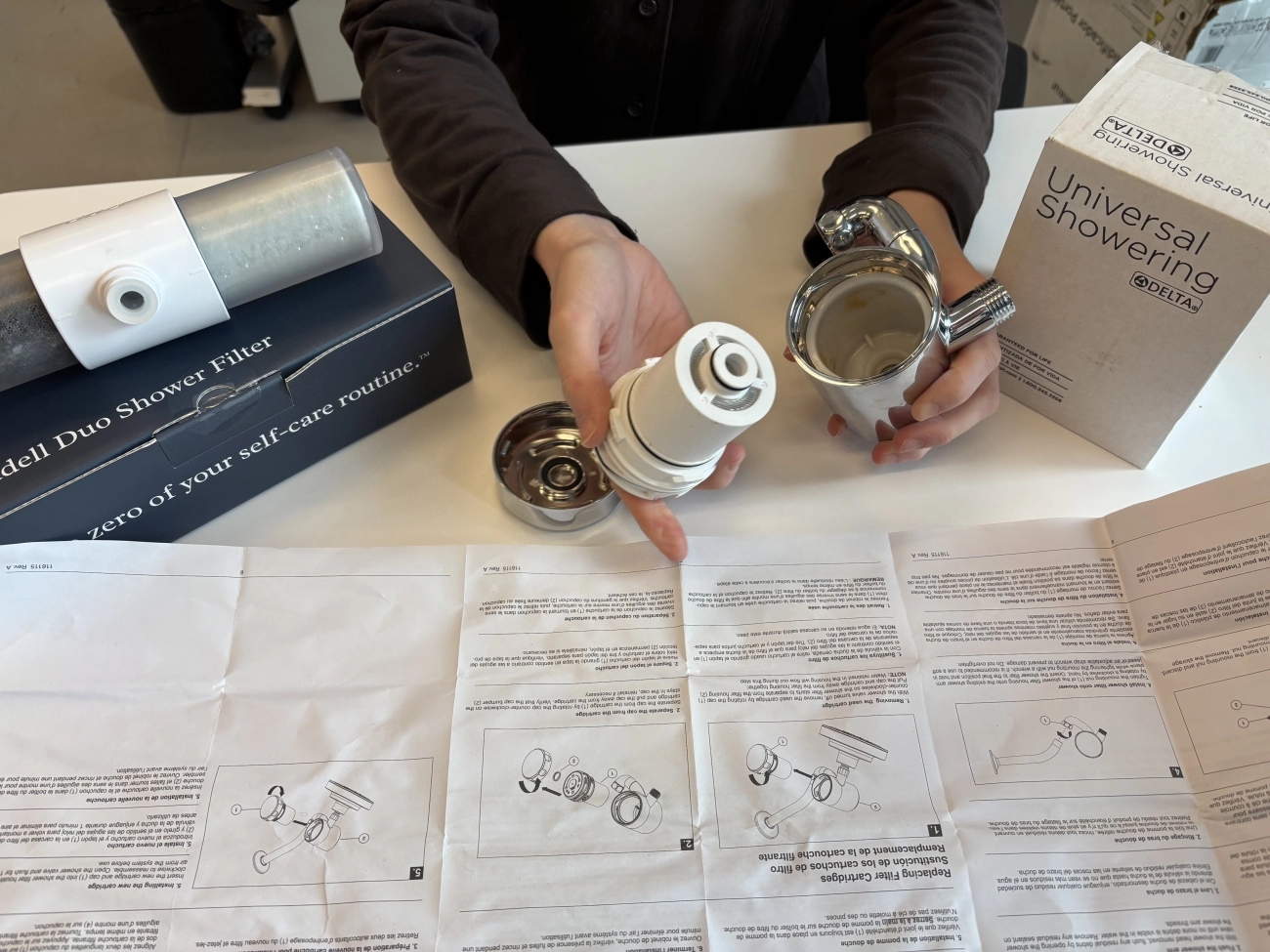
Installing and maintaining your shower water filter correctly ensures you get the best water quality and longer product life. Here’s a straightforward guide to help you set up, maintain, and troubleshoot common issues quickly.
Step-by-Step Installation Process for Shower Water Filter
Most shower filter installations are simple and require no special tools. Here’s how to get started:
- Turn off the water supply to your shower to avoid leaks during installation.
- Remove the showerhead by unscrewing it counterclockwise. A wrench or pliers can help if it’s tight.
- Attach the shower filter unit to the shower arm by screwing it clockwise. Hand-tighten firmly but don’t overtighten to avoid damage.
- Connect the showerhead back onto the filter’s outlet and secure it.
- Turn on the water to check for leaks. If you see any dripping, tighten connections gently.
- Run the water through the filter for a couple of minutes to flush out any loose carbon dust or sediments.
Common setups include:
- Inline filters that go between your existing shower arm and showerhead.
- Handheld filter systems designed for detachable showerheads.
- Multi-stage filtration systems, which may require more space and sometimes professional help.
How to Maintain Your Shower Water Filter
Proper maintenance keeps your shower filtration system working smoothly:
- Replace cartridges as recommended by the manufacturer—typically every 6 months or after filtering 10,000 gallons.
- Regularly clean the filter housing by wiping it with a damp cloth to prevent buildup.
- If you notice water flow reducing, it might be time to replace the cartridge or clean mineral deposits, especially in hard water areas.
- Avoid using harsh chemicals or soaps on the filter to prevent damage.
When to Replace Shower Filter Cartridges
- Decreased water pressure during your shower.
- Noticeable change in water smell or taste.
- Visible clogging or buildup inside the filter.
- Past the manufacturer’s recommended lifespan (usually 6-12 months).
Keeping track of your filter’s start date helps avoid overdue replacements.
Troubleshooting Common Shower Filter Issues
- Low water pressure: Check for clogged cartridges or mineral buildup. Replace or clean the filter.
- Leaks: Tighten connections and use plumber’s tape if needed on threaded joints.
- Water smell or cloudy water: Run water to flush the filter or replace cartridges, especially if it’s past due.
- Filter falling off: Ensure it’s properly screwed on during installation. Avoid overtightening plastic parts.
By following these steps, you’ll enjoy the benefits of cleaner, softer water that protects your skin and hair, without hassle or downtime.
Using these simple installation and care tips ensures your best shower water filter delivers quality filtered water daily. Treat your skin and hair right with your new filter system that’s easy to install, maintain, and keep running smooth.
Local Water Quality Issues and How driplife Helps
Water quality varies widely across the United States, and many local areas face unique challenges with their tap water. From high levels of chlorine and heavy metals to hard water minerals and sediment, these common contaminants can affect your shower experience and overall health.
Typical Water Problems in Key Local Areas
- Urban areas often struggle with chlorine and chloramine, used for disinfecting municipal water. These chemicals can dry out your skin and hair.
- Regions with older pipes may experience higher heavy metal traces like lead or copper, which can irritate sensitive skin.
- Hard water areas in states like Arizona, Texas, and parts of the Midwest contain high levels of calcium and magnesium, leading to buildup on your showerhead and leaving your skin feeling dry.
- Rural areas may have sediment or bacteria issues, especially if water comes from private wells instead of city water.
Driplife understands these local differences and designs shower water filters to target specific contaminants you’re most likely facing. Whether it’s chlorine removal, heavy metals, or tackling hard water minerals, their filters adjust to meet your needs.
Driplife’s Commitment to Local Support and Water Testing
Choosing the right shower filter starts with knowing your water quality. Driplife offers easy access to local water quality reports and free testing kits to help customers understand what’s in their water. Accurate info means picking the best filter type—whether it’s a vitamin C shower filter for chlorine neutralizing or a KDF-based system for metals.
Plus, driplife’s customer support team is trained to assist with location-specific advice. That way, you get personalized guidance on installation, maintenance, and filter replacement, making sure your shower water stays clean and safe no matter where you live.
If you’re dealing with cloudy water, hard water buildup, or just want softer skin and healthier hair with every shower, driplife’s local water testing and tailored shower filters deliver practical solutions designed for your area.
Environmental and Cost Benefits of Using driplife Shower Water Filters
Choosing the driplife shower water filter is not just good for your skin and hair—it’s also great for the environment and your wallet. Here’s how:
Reducing Plastic Waste with Cartridge Recycling
One big issue with regular shower filters and skincare products is plastic waste. Many cartridges and bottled shower additives end up in landfills, adding to pollution. driplife tackles this with a cartridge recycling program, helping you responsibly dispose of used filters. This program means fewer plastics in the trash and a smaller environmental footprint.
Long-Term Savings vs Bottled Shower Additives and Skincare Products
Instead of spending extra on bottled shower products to fix dry skin or dull hair caused by hard or chlorinated water, a driplife filter offers a smarter, cost-effective solution:
- Cuts down the need for expensive shampoos and conditioners
- Reduces reliance on moisturizing skin products meant to counteract harsh water effects
- Saves money over time by offering cleaner, gentler water right from your showerhead
This means you get fresher water that supports healthier hair and skin without constant extra spending.
Energy Savings by Preventing Limescale Buildup
Hard water can leave mineral deposits, especially limescale, in your pipes and water heater. This buildup:
- Reduces efficiency of water heaters
- Forces your energy use to climb
- Can lead to costly plumbing repairs
The driplife hard water shower filter softens water and reduces these minerals, helping your plumbing last longer and run more efficiently, saving you money on energy bills and maintenance.
By using a driplife shower filter, you’re making a smart choice that benefits your health, protects the environment, and cuts costs over time. It’s an investment that pays off in many ways, especially if you live in a U.S. area with hard or chlorinated water.
Frequently Asked Questions About Shower Water Filters
Can a Shower Water Filter Remove All Contaminants
No shower water filter can remove every single contaminant, but the best shower water filters target the most common and harmful ones like chlorine, heavy metals, sediments, and some bacteria. Each filter type has its strengths:
- Activated carbon excels at chlorine and odors.
- KDF filters tackle heavy metals and chlorine.
- Vitamin C filters neutralize chlorine and chloramine.
For areas with tough water issues like hard water or specific contaminants, you might need a multi-stage filtration system. Always check what contaminants the filter is certified to handle.
Does Filtered Shower Water Affect Water Pressure
A good-quality shower filter is designed to maintain water flow with minimal impact on pressure. However, some things can cause pressure drop:
- Clogged or old filter cartridges
- Filters not designed for high flow rates
To avoid pressure loss, choose filters with high flow ratings and replace cartridges as recommended. Most customers using driplife filters report no noticeable decrease in water pressure after installation.
Are Shower Filters Suitable for All Types of Showers
Yes, most shower water filters are made to fit standard showerheads across the US, including:
- Wall-mounted showers
- Handheld showers
- Rain showerheads
Just be sure to check your specific shower setup against the filter’s installation instructions. Some models include universal fittings or adapters for easier installation. If you live in an area with hard water, look for filters specifically designed to handle mineral buildup to protect your showerhead.
How Often Should You Replace the Filter
Filter lifespan depends on your water quality and usage, but here are general guidelines:
- Activated carbon filters: Replace every 6 months or about 10,000 gallons.
- KDF filters: Typically last 6 to 12 months.
- Vitamin C filters: Usually replaced every 3 to 6 months since they neutralize chlorine quickly.
- Multi-stage systems: Follow the manufacturer’s schedule, often every 6 months.
Signs it’s time to replace your shower filter include:
- Reduced water pressure
- Noticeable changes in water smell or taste
- Skin feels dry or irritated
Driplife offers clear replacement schedules and reminder options to keep your water fresh and your shower filter working efficiently.