
















The article discusses the safety of tap water in the UK, emphasizing that it is generally safe to drink due to strict regulations. The Drinking Water Inspectorate (DWI) enforces these standards, ensuring water companies comply with legal requirements. Understanding the role of additives like chlorine and fluoride, and the risks associated with lead contamination in older homes, can help you make informed decisions about water consumption.
Reading this article will benefit those curious about the safety of UK tap water by providing insights into the rigorous testing and regulations in place. It highlights the importance of measures like using water filters and flushing taps to enhance water quality, ensuring a safe and sustainable drinking option compared to bottled water.
Key Points
- UK tap water is generally safe to drink.
- Strict regulations ensure water quality.
- DWI enforces water safety standards.
- Chlorine and fluoride are common additives.
- Lead contamination risk in older homes.
- Nitrates from agriculture can affect water.
- Water hardness varies by region.
- Use filters to improve water quality.
- Tap water is more sustainable than bottled.
- Flush taps to clear contaminants.
Water Quality Standards in the UK
Overview of UK Water Regulations and Safety Standards
The United Kingdom has stringent water regulations and safety standards to ensure the quality of tap water. The primary legislation governing water quality includes the Water Supply (Water Quality) Regulations and the European Union Drinking Water Directive. These regulations set limits on various contaminants and mandate regular monitoring and reporting.
Role of the Drinking Water Inspectorate (DWI) in Monitoring Water Quality
The Drinking Water Inspectorate (DWI) plays a crucial role in monitoring and enforcing water quality standards across the UK. The DWI conducts independent assessments, audits water companies, and publishes annual reports on water quality. They ensure that water companies comply with legal standards and take corrective actions when necessary.
Compliance with Safety Limits for Contaminants
The UK adheres to strict safety limits for contaminants such as lead, chlorine, and pesticides in tap water. These limits are designed to protect public health. For instance, the maximum allowable concentration of lead in drinking water is 10 micrograms per liter. Chlorine levels are regulated to ensure effective disinfection while minimizing potential health risks. Pesticide levels are also closely monitored to remain within safe limits.
Fluoridation Practices and Regional Differences
Fluoridation of tap water is practiced in certain regions of the UK to improve dental health. However, there are regional differences in fluoridation practices. Some areas add fluoride to their water supply, while others do not. The decision to fluoridate water is typically made at the local level and involves public consultations. It’s important to note that all water, whether fluoridated or not, must meet the same stringent quality standards.
| Contaminant | Maximum Allowable Concentration |
|---|---|
| Lead | 10 micrograms per liter |
| Chlorine | 0.5 milligrams per liter (guideline value) |
| Pesticides | 0.1 micrograms per liter (individual), 0.5 micrograms per liter (total) |
Typical Impurities in UK Faucet Water
Kinds Of Impurities Discovered in Faucet Water
UK faucet water is normally considered safe to consume alcohol, yet it can still contain different contaminations. These consist of chlorine, made use of to decontaminate water and remove hazardous virus. While necessary, chlorine can in some cases present an unpleasant taste and smell. Fluoride is another usual additive, targeted at minimizing dental cavity. Although helpful, the existence of fluoride can vary regionally and might worry some people.
Limescale, composed of calcium and magnesium carbonates, is usually discovered in locations with difficult water. It is harmless to wellness however can impact the taste and cause build-up in pipelines and home appliances. Additionally, microplastics have come to be a modern-day issue, as these small plastic particles can enter the water supply through numerous environmental resources, increasing possible health and wellness dangers.
Resources and Effects of Lead Contamination in Older Houses
Lead contamination is a vital problem, particularly in older homes with archaic pipes systems. Lead can leach right into tap water from old pipes and fixtures, posturing significant health and wellness dangers, specifically to youngsters and expecting females. Chronic exposure to lead can result in extreme health issue, including developing delays and neurological damage. It is essential for residents of older homes to be conscious of this threat and take required safety measures, such as replacing old pipelines or utilizing qualified filters to remove lead.
Explanation of Nitrate Levels Due to Agricultural Overflow and Sewer
Nitrates are one more pollutant of issue, primarily stemming from farming overflow and sewer discharge. These substances can seep into groundwater and surface water sources, ultimately making their method right into the tap water supply. High levels of nitrates can be harmful, especially for babies, as they can interfere with the blood’s capability to carry oxygen, bring about a problem called methemoglobinemia, or “blue child disorder.” Making sure that nitrate degrees stay within risk-free limitations is a vital facet of water top quality monitoring in agricultural areas.
Regional Variations in Water Quality
Differences Between Hard and Soft Water Across the UK
The UK exhibits notable differences in water hardness, primarily due to the geological variations across regions. Hard water is prevalent in areas where the water source is rich in calcium and magnesium, such as the chalk and limestone regions in the south and east of England. In contrast, soft water is found in regions with granite and other non-calcareous rock formations, including Scotland, Wales, and parts of western England.
The hardness of water can impact both household appliances and personal preferences. Hard water tends to cause limescale buildup in kettles and plumbing, while soft water is often perceived as better for tasks like washing clothes and bathing due to its superior lathering properties.
Best and Worst Regions for Tap Water Taste and Quality
The taste and quality of tap water can vary significantly across the UK. Regions with hard water often report a slightly mineral-rich taste, which some people find less appealing. Conversely, areas with soft water generally have water that is more palatable to a broader audience. According to various taste tests and consumer reports, areas such as Scotland and parts of Wales are frequently praised for their high-quality tap water. These regions benefit from water sourced from protected and naturally soft water catchment areas.
Conversely, some regions in England, especially those with older infrastructure and sources prone to contamination, might face occasional challenges with taste and odor. For example, London and the southeast, known for their hard water, can sometimes experience issues related to chlorine taste or temporary disruptions in water clarity.
Impact of Local Water Sources and Treatment Methods on Water Quality
Local water sources and treatment methods significantly influence the quality of tap water. The UK sources its water from a combination of surface water (rivers and reservoirs) and groundwater (aquifers). The nature of these sources means that water companies must employ tailored treatment methods to ensure safety and quality.
In urban areas, where the water supply often comes from surface water sources, there is a higher likelihood of contamination from agricultural runoff, industrial pollutants, and urban wastewater. Consequently, these areas require more rigorous treatment processes, including filtration, sedimentation, and disinfection using chlorine or chloramine.
Rural areas, relying more on groundwater, typically face different challenges. Groundwater, while often purer, can sometimes contain higher levels of natural minerals, necessitating specific treatments to reduce hardness and other mineral content. Additionally, older rural properties might still have lead pipes, leading to potential contamination that requires intervention at the point of entry.
To summarize the variations across different regions, the following table highlights some key aspects:
| Region | Water Type | Common Contaminants | Taste Quality |
|---|---|---|---|
| South East England | Hard | Chlorine, limescale | Moderate |
| Scotland | Soft | Low | High |
| Wales | Soft | Low | High |
| London | Hard | Chlorine, lead (in older pipes) | Moderate |
Tips for Guaranteeing Safe Alcohol Consumption Water
Suggestions on Running Touches Prior To Usage to Clear Prospective Pollutants
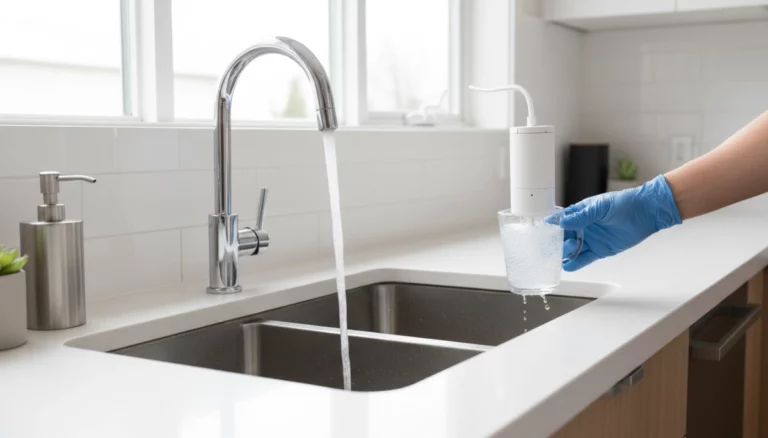
One reliable method to make certain the faucet water is secure to drink is by running the faucets for a brief period prior to use. This practice assists to clear out any kind of stagnant water in the pipes, which might consist of greater levels of contaminants such as lead and copper. The advised time to run the tap can differ, but usually, letting the water circulation for about 30 seconds to a minute suffices. This is particularly crucial in homes with older plumbing systems.
Referrals for Using Water Filters and Their Advantages
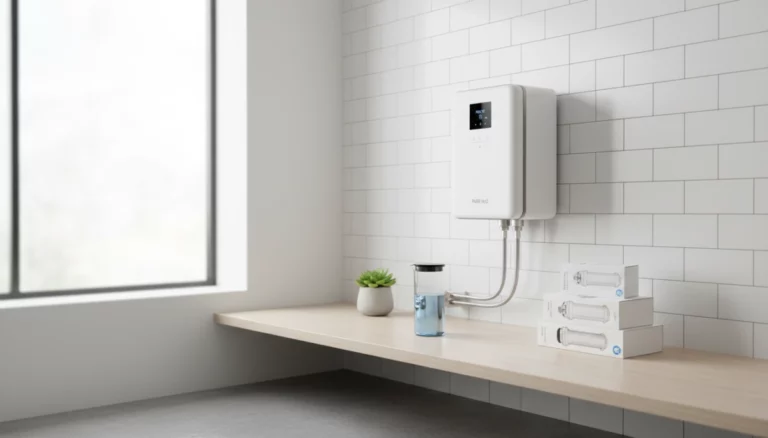
Making use of a water filter can significantly enhance the high quality of your faucet water by getting rid of pollutants and boosting taste. Various types of filters are readily available, consisting of turned on carbon filters, reverse osmosis systems, and water filter pitchers. These filters can successfully minimize impurities such as chlorine, lead, microplastics, and chemicals. Right here is a contrast of different filter types and their benefits:
| Filter Kind | Benefits |
|---|---|
| Turned on Carbon | Decreases chlorine, boosts taste and smell, gets rid of some pesticides and hefty steels |
| Reverse Osmosis | Gets rid of a wide array of impurities consisting of lead, nitrates, and fluoride |
| Water Filter Bottle | Practical, reduces chlorine, and boosts preference |
Guidance on Alcohol Consumption Water from Bathroom Touches and Cozy Taps
In lots of UK homes, shower room faucets may be linked to storage containers that are not as clean as straight mains supply. It is usually encouraged to prevent drinking water from washroom faucets unless you are specific they are linked directly to the mains. Furthermore, cozy or hot faucet water ought to not be made use of for drinking or cooking, as it can liquify pollutants from the pipes a lot more conveniently. Always utilize cool water taps for alcohol consumption and cooking objectives, and warm the water independently if needed.
Contrast of Faucet Water with Mineral Water in Terms of Safety and Ecological Influence
When contrasting faucet water with bottled water, both safety and environmental impact are very important considerations. Faucet water in the UK undergoes rigorous laws and constant screening, guaranteeing it fulfills high safety standards. Bottled water, while likewise secure, frequently does not have the extensive testing that touch water undergoes.
Environmentally, faucet water is a much more sustainable option. Mineral water manufacturing involves substantial plastic waste and carbon exhausts from transportation. By choosing faucet water over mineral water, consumers can reduce their ecological footprint significantly.
| Aspect | Faucet Water | Mineral water |
|---|---|---|
| Safety and security | Very regulated, regular screening | Safe, however less regulated |
| Ecological Impact | Low, no plastic waste | High, plastic waste and carbon discharges |
| Cost | Really reduced | Considerably greater |
Overall, by adhering to these tips, you can ensure that the tap water you take in is risk-free, while also thinking about the environmental and financial benefits of using faucet water over mineral water.
FAQs About Tap Water Safety in the UK
Is the tap water in the UK safe to drink?
Yes, tap water in the UK is generally safe to drink. The UK has stringent regulations and safety standards to ensure the quality of its tap water. These standards are enforced by the Drinking Water Inspectorate (DWI), which monitors and reports on water quality across the country.
What are the primary regulations governing water quality in the UK?
The main regulations include the Water Supply (Water Quality) Regulations and the European Union Drinking Water Directive. These regulations set limits on various contaminants and require regular monitoring and reporting to ensure compliance with safety standards.
Who oversees the enforcement of water quality standards in the UK?
The Drinking Water Inspectorate (DWI) is responsible for enforcing water quality standards. The DWI conducts independent assessments, audits water companies, and publishes annual reports to ensure compliance with legal standards.
Are there any common contaminants in UK tap water?
Yes, UK tap water can contain impurities such as chlorine, used for disinfection, and fluoride, added in some regions to reduce tooth decay. Lead contamination can occur in older homes with antiquated plumbing, and nitrates from agricultural runoff can also be present.
What is the significance of water hardness, and how does it vary across the UK?
Water hardness, caused by the presence of calcium and magnesium, varies regionally in the UK. Hard water is common in areas with chalk and limestone, such as southeast England, while soft water is found in regions with granite, like Scotland and Wales. Hard water can cause limescale buildup in appliances, while soft water is often preferred for washing and bathing.
How can I ensure the tap water in my home is safe to drink?
To ensure safe drinking water, run your taps for about 30 seconds to a minute before use to flush out any stagnant water. Using water filters, such as activated carbon or reverse osmosis systems, can also improve water quality by removing contaminants. Additionally, avoid drinking water from bathroom taps unless you are sure they are connected directly to the mains supply.
Is bottled water safer than tap water in the UK?
Both tap and bottled water in the UK are safe to drink. However, tap water is subject to more stringent regulations and frequent testing. From an environmental perspective, tap water is more sustainable, as bottled water production generates significant plastic waste and carbon emissions.
What are the benefits of using a water filter?
Water filters can enhance tap water quality by removing impurities such as chlorine, lead, microplastics, and pesticides. Different types of filters, including activated carbon and reverse osmosis systems, offer various benefits, from improving taste and odor to removing a wide range of contaminants.
What should I do if I live in an older home with potential lead contamination?
If you live in an older home, consider replacing old pipes and fixtures that may contain lead. Using a certified water filter that removes lead can also help reduce the risk of lead contamination in your tap water.