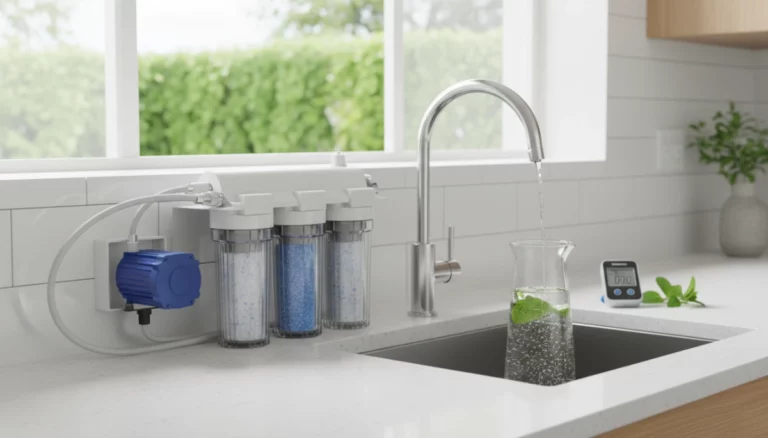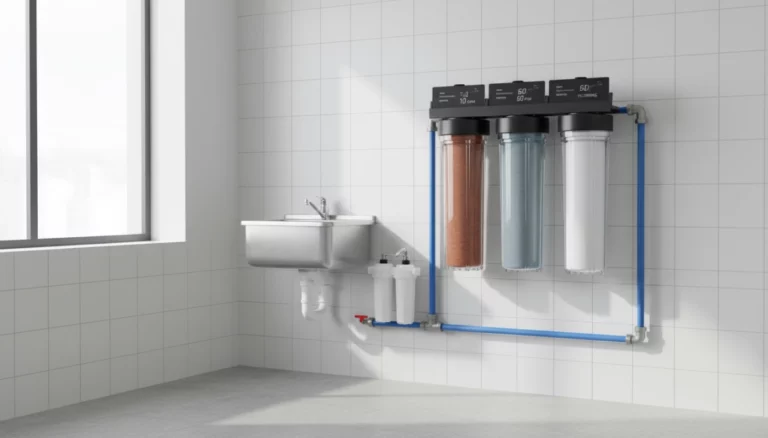

















When considering a water softener vs water filter, it’s important to understand the key differences and benefits of each. Water softeners are designed to remove hardness minerals like calcium and magnesium, while water filters remove a broader range of contaminants such as sediment, chlorine, bacteria, and heavy metals. Understanding these differences will help you make an informed decision about which system is suitable for your home.
Key Distinctions In Between Water Softeners and Water Filters
As a professional in water treatment systems, I frequently run into inquiries pertaining to the differences in between water softeners and water filters. These systems, while both vital for boosting water top quality, serve distinct purposes and run in a different way.
Water softeners are especially made to deal with tough water, which includes high degrees of minerals such as calcium and magnesium. The primary feature of a water softener is to get rid of these solidity minerals through a procedure called ion exchange. This procedure changes calcium and magnesium ions with sodium or potassium ions, effectively “softening” the water and avoiding range buildup in pipes and appliances.
On the various other hand, water filters are planned to get rid of a wider range of impurities from the water. These pollutants can consist of debris, chlorine, bacteria, and hefty steels. Water filters use numerous filtration techniques, such as turned on carbon, reverse osmosis, and UV filtration, to remove pollutants and improve water preference, odor, and safety.
| Element | Water Softener | Water Filter |
|---|---|---|
| Main Function | Get rid of firmness minerals (calcium, magnesium) | Eliminate pollutants (debris, chlorine, bacteria, heavy steels) |
| Innovation | Ion exchange | Activated carbon, reverse osmosis, UV purification |
| Main Benefit | Stops range build-up in plumbing and appliances | Improves water preference, odor, and security |
| Regular Use Instance | Residences with tough water issues | Homes concerned with water high quality and contamination |
Comprehending these differences is essential when determining which system appropriates for your home. While both systems can improve water high quality, a water softener is largely aimed at dealing with hardness, whereas a water filter targets a large range of contaminants to make certain clean, safe drinking water.
Advantages of Using a Water Softener
When taking into consideration a water conditioner vs water filter, it’s critical to comprehend the distinct advantages that a water conditioner provides for your home. The primary feature of a water conditioner is to remove minerals like calcium and magnesium from difficult water, which can have numerous considerable benefits.
Among the most significant benefits of making use of a water conditioner is the protection of plumbing systems and home appliances. Hard water can result in the buildup of range within pipelines, water heaters, and various other house devices. This range accumulation can minimize effectiveness, increase power costs, and shorten the lifespan of these home appliances. By utilizing a water softener, you can prevent this buildup, making sure that your plumbing and appliances run smoothly and last much longer.
One more vital advantage is the improvement in the quality of home cleaning. Difficult water can leave places on recipes, glass wares, and components, and it can likewise create soap and cleaning agent to be less efficient, resulting in the requirement for even more product to accomplish the very same cleaning outcomes. Softened water, on the other hand, enables much better soap lathering and rinsing, causing cleaner recipes, brighter washing, and an extra reliable cleansing procedure on the whole.
Softened water additionally has a favorable effect on personal treatment and brushing. Many individuals discover that bathing in tough water can leave their skin feeling dry and their hair looking plain and lifeless. This is because hard water does not rinse soap and hair shampoo as thoroughly, leaving deposits that can cause inflammation. Utilizing a water conditioner can cause softer skin and shinier hair, as the softened water washes better.
Furthermore, there are economic advantages to utilizing a water conditioner. By avoiding range accumulation, you can stay clear of costly repairs and replacements of pipes and home appliances. Additionally, the boosted performance of water heating systems and other devices can bring about lower power bills. Soft water likewise requires less soap and detergent, which can lower home expenditures over time.
Benefits of Installing a Water Filter
Water filters offer numerous benefits that boost the quality and safety of the water in your home. Unlike water softeners, which mostly address the hardness of water by getting rid of minerals like calcium and magnesium, water filters are developed to get rid of a large range of contaminants, giving tidy and secure drinking water. Here, I will detail the key advantages of mounting a water filter.
Improved Water High Quality
Water filters effectively remove pollutants such as chlorine, lead, microorganisms, and various other hazardous substances. This causes considerably improved water top quality, making it much safer for alcohol consumption, cooking, and various other family uses.
Wellness Advantages
By getting rid of harmful chemicals and microbes, water filters help reduce the threat of health problems such as gastrointestinal illnesses, reproductive troubles, and neurological conditions. This is especially advantageous for people with endangered body immune systems, kids, and the senior.
Boosted Taste and Smell
Among the noticeable benefits of a water filter is the renovation in the preference and smell of the water. Filtering out chlorine and other natural substances can make the water taste fresher and extra pleasurable, which can motivate raised water intake and far better hydration.
Price Cost savings
While there is an initial investment in a water purification system, it can cause long-lasting expense savings. Filteringed system water decreases the requirement to buy mineral water, which can be costly and eco unsafe. In addition, using filtered water can expand the life-span of household devices by protecting against the accumulation of pollutants.
Environmental Effect
Mounting a water filter contributes favorably to the environment by reducing the reliance on mineral water. This decreases plastic waste and the carbon footprint related to the manufacturing and transportation of mineral water.
Adaptability
Water filters can be found in numerous types, consisting of pitcher filters, under-sink systems, kitchen counter systems, and whole-house systems. This flexibility enables house owners to select a service that best fits their particular demands and choices.
| Advantage | Description |
|---|---|
| Improved Water High Quality | Eliminates contaminants like chlorine, lead, and microorganisms |
| Health and wellness Benefits | Lowers threat of illnesses from harmful chemicals and microorganisms |
| Improved Taste and Odor | Boosts preference by getting rid of chlorine and organic substances |
| Expense Financial savings | Decreases the need for mineral water and expands device lifespan |
| Environmental Impact | Lowers plastic waste and carbon footprint |
| Convenience | Offers various kinds to match different requirements |
What are the key differences between water softeners and water filters?
Water softeners are designed to remove hardness minerals like calcium and magnesium, while water filters remove a broader range of contaminants such as sediment, chlorine, bacteria, and heavy metals.
What is the primary function of a water softener?
The primary function of a water softener is to remove hardness minerals through a process called ion exchange, preventing scale buildup in plumbing and appliances.
What is the main benefit of using a water softener?
Using a water softener can prevent scale buildup in plumbing and appliances, improve the quality of household cleaning, and have a positive impact on personal care and grooming.
What are the advantages of installing a water filter?
Water filters remove contaminants, improve water quality, provide health benefits, enhance taste and odor, lead to cost savings, reduce environmental impact, and offer versatility in types.
How do I choose the right system for my home?
You should consider factors such as the primary purpose of the system, common signs of issues, maintenance requirements, and the health impact of each system. It’s also important to test your water, define your priorities, evaluate your budget, and consult with a professional for tailored recommendations.