

















Efficient Approaches to Eliminate Fluoride from Water
As a specialist in the field, I can share several efficient approaches to eliminate fluoride from water. These approaches differ in regards to effectiveness, cost, and functionality, making it important to select the ideal one based on your specific requirements and situations.
Reverse Osmosis (RO)
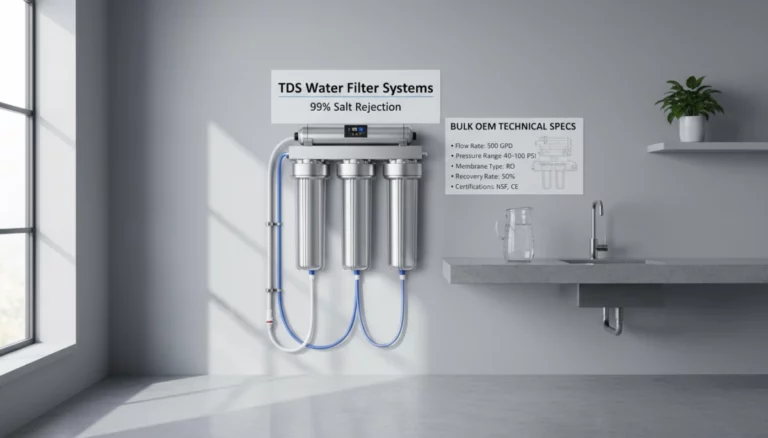
Reverse osmosis (RO) is one of the most reliable techniques for fluoride removal. This method makes use of a semi-permeable membrane layer to filter out fluoride ions in addition to other contaminants. The process works by applying stress to the water, requiring it with the membrane while leaving contaminations behind.
Evaluating Fluoride Removal Methods
When checking out exactly how to remove fluoride from water, it is essential to evaluate the numerous techniques offered to guarantee ideal results. The efficiency of each approach can vary dramatically based on numerous variables consisting of price, simplicity of use, and the level of fluoride decrease. Listed below, I will certainly contrast several of the most typical and effective fluoride removal techniques.
Key Points
- Reverse osmosis is highly effective in removing fluoride from water (95-99%)
- Activated alumina is a cost-effective method for fluoride removal (up to 90%)
- Distillation achieves nearly 100% fluoride removal but is energy-intensive
- DIY solutions include activated alumina filters, bone char carbon, distillation, and reverse osmosis
- Factors to consider when choosing a fluoride filter include water consumption, budget, maintenance, installation space, and water quality
Methods for Eliminating Fluoride from Water
As a specialist in the field, I can share several efficient approaches to eliminate fluoride from water. These approaches differ in regards to effectiveness, cost, and functionality, making it important to select the ideal one based on your specific requirements and situations.
Reverse Osmosis
Reverse osmosis (RO) is one of the most reliable techniques for fluoride removal. This method makes use of a semi-permeable membrane layer to filter out fluoride ions in addition to other contaminants. The process works by applying stress to the water, requiring it with the membrane while leaving contaminations behind.
Advantages of Reverse Osmosis:
- High performance in fluoride removal (up to 95-99%)
- Gets rid of a wide variety of other impurities
Downsides of Reverse Osmosis:
- High first arrangement price
- Requires routine upkeep and filter replacement
- Wastes a substantial quantity of water (typically 3-4 gallons of wastewater per gallon of cleansed water)
Turned on Alumina
Turned on alumina is one more extensively utilized technique for removing fluoride from water. This material has a high affinity for fluoride ions and can properly lower fluoride focus in water supplies.
Benefits of Turned On Alumina:
- Reliable fluoride elimination (as much as 90%)
- Relatively inexpensive
Downsides of Triggered Alumina:
- Needs pH adjustment of water for ideal performance
- Regular regrowth of the media is needed
Distillation
Purification is a process that includes boiling water to produce vapor, which is after that compressed back right into liquid kind, leaving contaminants like fluoride behind.
Benefits of Purification:
- Removes almost all contaminants, consisting of fluoride
- Produces really distilled water
Disadvantages of Distillation:
- Energy-intensive process
- Slow manufacturing rate
- High price of purification systems
Bone Char Carbon
Bone char carbon is a less common but efficient technique for fluoride elimination. Made from charred pet bones, this material adsorbs fluoride ions from water.
Advantages of Bone Char Carbon:
- Efficient fluoride removal (as much as 90%)
- Can be made use of in combination with other purification techniques
Downsides of Bone Char Carbon:
- Ethical worries for some users
- Calls for routine replacement
Electrocoagulation
Electrocoagulation is a procedure that utilizes electric currents to eliminate fluoride from water. This technique entails the generation of coagulant varieties in situ by electrolytic oxidation of a sacrificial anode.
Advantages of Electrocoagulation:
- Reliable at eliminating fluoride and other contaminants
- Can deal with huge quantities of water
Negative aspects of Electrocoagulation:
- Needs electric energy
- High first setup price
- Complex procedure and maintenance
| Method | Fluoride Removal Effectiveness | Advantages | Downsides |
|---|---|---|---|
| Reverse Osmosis | 95-99% | High efficiency, broad impurity elimination | High cost, upkeep, water waste |
| Turned on Alumina | As much as 90% | Economical | Needs pH adjustment, media regrowth |
| Purification | Virtually 100% | Creates really distilled water | Energy-intensive, slow-moving, high cost |
| Bone Char Carbon | Approximately 90% | Efficient, combinable with various other approaches | Moral problems, routine replacement |
| Electrocoagulation | High | Effective, deals with large quantities | Calls for energy, high expense, facility |
Contrasting Efficiency of Different Fluoride Removal Techniques
When checking out exactly how to remove fluoride from water, it is essential to evaluate the numerous techniques offered to guarantee ideal results. The efficiency of each approach can vary dramatically based on numerous variables consisting of price, simplicity of use, and the level of fluoride decrease. Listed below, I will certainly contrast several of the most typical and effective fluoride removal techniques.
Reverse Osmosis
Reverse osmosis (RO) is widely concerned as among one of the most reliable approaches for eliminating fluoride from water. This process entails compeling water through a semi-permeable membrane that strains fluoride ions along with other pollutants. RO systems are recognized for their high performance, commonly eliminating up to 95% of fluoride. However, they can be reasonably pricey to install and preserve, and they also produce wastewater, which can be a factor to consider in locations with water deficiency.
Turned on Alumina
Activated alumina is one more preferred approach for decreasing fluoride levels in water. This strategy makes use of permeable aluminum oxide that soaks up fluoride ions as water goes through it. Triggered alumina filters can get rid of approximately 90% of fluoride and are typically extra cost effective than RO systems. However, the performance of these filters can decrease over time, demanding regular replacement or regrowth of the media to maintain effectiveness.
Bone Char Carbon
Bone char carbon is a much less usual however efficient approach for fluoride removal. Made from the carbonized bones of animals, this filter media has a high surface location and permeable structure that adsorbs fluoride. Bone char can eliminate approximately 90% of fluoride, making it an affordable choice. It is often used in areas with modest fluoride focus and is understood for its cost-effectiveness. However, the resource of bone char may be a concern for some customers, specifically those with dietary limitations or moral factors to consider.
Distillation
Purification is a process that involves boiling water to create steam, which is then condensed back into liquid form, leaving most contaminants, including fluoride, behind. This method can attain virtually 100% fluoride elimination, making it extremely efficient. Nonetheless, purification systems can be energy-intensive and sluggish, which might not be useful for huge volumes of water. In addition, pure water can have a flat taste as a result of the elimination of minerals, which some customers could locate unappealing.
Finally, each fluoride elimination method has its own advantages and constraints. When picking the best approach for your demands, it is essential to take into consideration variables such as expense, maintenance, performance, and personal choices. By understanding the staminas and weaknesses of each choice, you can make an educated choice that guarantees the security and quality of your drinking water.
Do It Yourself Fluoride Elimination Solutions
When it comes to eliminating fluoride from water in your home, a number of DIY approaches can be efficient. These solutions are both cost-efficient and obtainable, permitting people to boost their water quality without extensive financial investment in expert purification systems. Right here are several of one of the most practical do it yourself fluoride elimination techniques:
| Technique | Efficiency | Expense | Products Needed |
|---|---|---|---|
| Triggered Alumina Filters | High | Moderate | Triggered alumina, filter housing |
| Bone Char Carbon | Modest | Modest | Bone char carbon, filter setup |
| Purification | High | Low | Distiller, heating source |
| Reverse Osmosis | High | High | RO system, installation set |
Activated Alumina Filters
Among one of the most effective ways to get rid of fluoride from water is by using turned on alumina filters. These filters work by adsorbing fluoride ions onto the surface of the alumina. The procedure is fairly basic:
1. Acquisition turned on alumina in granular form.
2. Location the alumina in a filter housing that fits your water filtration system.
3. Frequently change the alumina to preserve effectiveness.
Bone Char Carbon
Another preferred DIY solution is making use of bone char carbon. This approach includes making use of carbon stemmed from animal bones, which has a high fondness for fluoride. Here’s how to implement this method:
1. Obtain bone char carbon from a dependable distributor.
2. Integrate the carbon into a water filter configuration.
3. Replace the carbon occasionally to make certain continued fluoride elimination.
Distillation
Distillation is a tried and true method that efficiently removes fluoride by steaming water and afterwards condensing the steam back right into fluid. This method requires:
1. A distiller, which can be bought or made in the house utilizing basic products.
2. A home heating source to steam the water.
3. A collection container for the distilled water.
Reverse Osmosis
Reverse osmosis (RO) is another highly efficient method for eliminating fluoride. While the preliminary price can be greater, it supplies superb results. To set up an RO system:
1. Purchase a reverse osmosis filtering system.
2. Comply with the supplier’s directions for installation.
3. Frequently keep the system to guarantee ideal efficiency.
By checking out these DIY solutions, home owners can properly lower fluoride levels in their water, enhancing its safety and security and high quality.
Selecting the Right Fluoride Filter for Your Home
When it involves removing fluoride from your water, selecting the proper filter for your home is vital. Numerous factors require to be thought about to guarantee you make an educated decision that finest matches your demands and water conditions.
Kinds Of Fluoride Filters
There are several kinds of fluoride filters available on the marketplace, each with various effectiveness and suitability for various applications:
| Filter Kind | Efficiency | Best For |
|---|---|---|
| Reverse Osmosis (RO) | 95-97% fluoride elimination | Entire residence systems or under-sink systems |
| Activated Alumina | 90-95% fluoride elimination | Point-of-use systems, such as countertop filters |
| Bone Char Carbon | 80-90% fluoride removal | Point-of-entry and point-of-use systems |
| Distillation Units | 100% fluoride removal | Kitchen counter units for alcohol consumption water |
Variables to Consider
When choosing the ideal fluoride filter, take into consideration the list below aspects:
Water Intake
Assess your house’s water intake to figure out whether a point-of-use or point-of-entry system is more appropriate. Larger homes might benefit more from a whole-house system, while smaller sized homes or individual customers could go with a counter top or under-sink filter.
Spending plan
Spending plan is a significant factor in your decision. Reverse osmosis systems and distillation devices tend to be extra costly upfront and call for regular maintenance, whereas turned on alumina filters and bone char carbon filters can be extra cost-effective however may need extra regular replacements.
Upkeep
Consider the upkeep requirements of each filter type. Some systems, like reverse osmosis units, require routine membrane layer substitutes and sanitization, while others, like activated alumina filters, need routine media modifications. Guarantee you are planned for the maintenance essential to preserve optimum efficiency.
Setup Room
Assess the offered area for installation. Under-sink and counter top units are suitable for minimal area, whereas whole-house systems need even more space and specialist setup.
Water Top quality
The initial top quality of your water resource will certainly additionally influence your selection. If your water has high fluoride levels, a much more durable system like reverse osmosis or distillation could be needed to attain the desired decrease.
Conclusion
By thoroughly considering these aspects and understanding the various fluoride removal methods, you can choose the right filter for your home that equilibriums efficiency, cost, and comfort. Buying an ideal fluoride filter makes certain that you and your family have accessibility to risk-free and healthy drinking water.
FAQs about Removing Fluoride from Water
What are the most effective methods for removing fluoride from water?
There are several effective methods for removing fluoride from water, including reverse osmosis, activated alumina, distillation, bone char carbon, and electrocoagulation. Each method has its own advantages and disadvantages, so it’s important to choose the right one based on your specific needs and circumstances.
How effective is reverse osmosis in removing fluoride from water?
Reverse osmosis is one of the most effective techniques for fluoride removal, with an efficiency of up to 95-99%. It also removes a wide range of other contaminants. However, it comes with a high initial setup cost, requires regular maintenance, and wastes a significant amount of water.
What are the advantages of using activated alumina for fluoride removal?
Activated alumina is relatively cost-effective and can effectively remove up to 90% of fluoride from water. However, it requires pH adjustment of water for optimal performance and periodic regeneration of the media.
Is distillation an effective method for removing fluoride from water?
Distillation is a highly effective method for removing fluoride, achieving nearly 100% fluoride removal. However, it is an energy-intensive process, has a slow production rate, and comes with a high cost for distillation units.
What are some DIY solutions for removing fluoride from water at home?
DIY solutions for removing fluoride from water include using activated alumina filters, bone char carbon, distillation, and reverse osmosis. Each method has its own level of effectiveness, cost, and materials needed, allowing homeowners to choose the most suitable option for their needs.
How can I choose the right fluoride filter for my home?
When choosing the right fluoride filter for your home, consider factors such as water consumption, budget, maintenance requirements, installation space, and the initial quality of your water source. Understanding the various fluoride removal methods and carefully considering these factors will help you choose the right filter that balances effectiveness, cost, and convenience for safe and healthy drinking water.