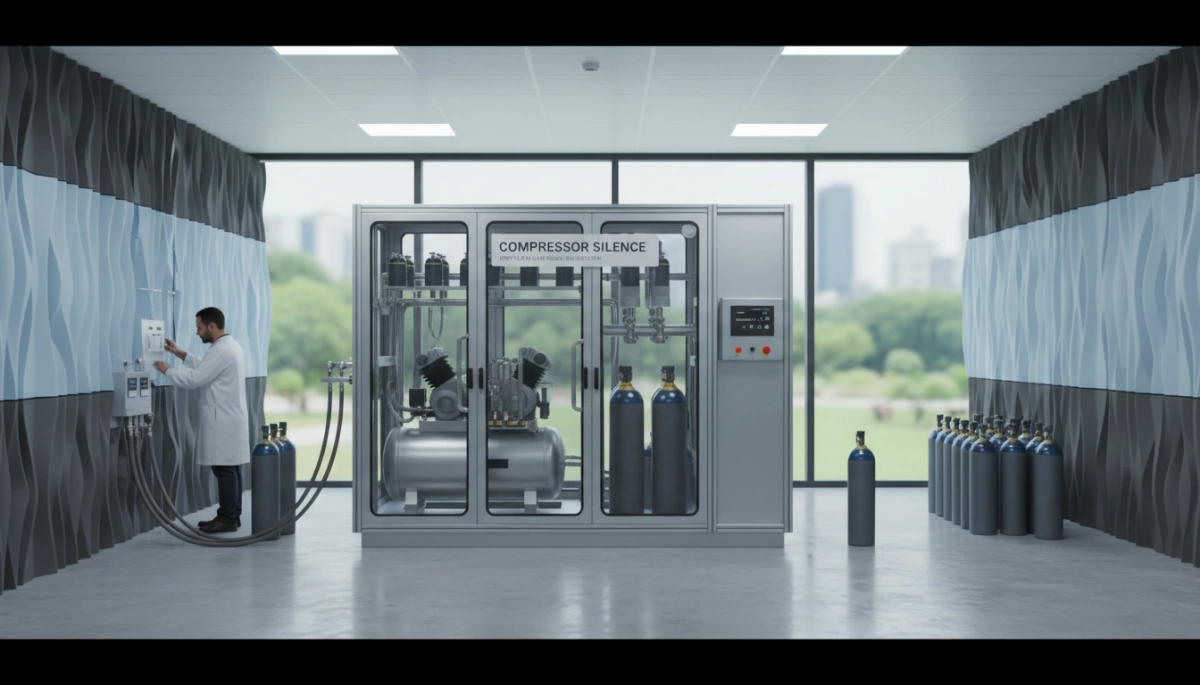
If you manage facilities where silence is non-negotiable—libraries, schools, or executive offices—you’ve likely encountered the distracting hum or rattle from compressor-based bottle filling stations. Understanding noise and vibration control is essential not just for comfort but for compliance and durability. In this guide, we’ll uncover the engineering behind those unwanted sounds and reveal how Driplife’s advanced solutions use vibration isolation and acoustic insulation to deliver truly quiet operation. Let’s explore how to turn disruptive rumble into silent hydration.
Anatomy of the Rumble: Sources of Noise and Vibration
Understanding noise and vibration in compressor-based bottle filling stations starts with the reciprocating mass within the hermetic compressor—the mechanical heart generating cyclical motion that inevitably produces sound energy. This motion causes both airborne noise, such as the sharp hum of fan blades slicing through air, and structure-borne vibration, where motor energy transfers into the chassis, triggering rattles and buzzes.
Distinguishing these two types is key:
- Airborne noise: High-frequency whines and whooshes from fans and compressor operation.
- Structure-borne vibration: Low-frequency rattles stemming from mechanical parts transmitting energy through the frame.
Compounding these issues are resonance frequencies—when poorly designed or inadequately reinforced frames amplify specific droning tones, turning minor vibrations into disruptive hums. This synergy of forces creates the characteristic rumble that facility managers must control to meet noise compliance and provide a quiet operation environment.
Engineering Solutions: How We Silence the Machine
Effective noise and vibration control starts with vibration isolation—our first line of defense. We use elastomeric mounts paired with rubber grommets and spring isolators to decouple transfer of motor and compressor vibrations from the frame and chassis. This structure-borne vibration isolation drastically reduces rattling and buzzing that would otherwise travel through the bottle filling station’s body.
Next, we tackle vibration paths through refrigerant piping. Looping the lines with flexible refrigerant piping loops prevents vibrations from moving along rigid pipes to sensitive components like the condenser. This simple step stops mechanical energy from turning into unwanted noise.
Inside the cabinet, acoustic insulation plays a major role. We line panels with dense acoustic foam or mass-loaded vinyl, materials proven to absorb high-frequency whines and compressor hums before they escape the enclosure. This strategy improves HVAC acoustic compliance and meets facility noise pollution standards without compromising airflow.
To eliminate panel noise, we increase panel rigidity by reinforcing stainless steel surfaces. Stiffened panels stop drumming and sympathetic vibrations, which can amplify sound at unpleasant resonant frequencies.
Finally, airflow management reduces airborne noise. We optimize fan blade design to achieve high cubic feet per minute (CFM) at lower revolutions per minute (RPM), cutting down the wind noise that often accompanies high-speed fans. This leads to a quieter operation overall, making our low dBA bottle filling stations a great fit for noise-sensitive areas like school hallways.
Through these solutions—vibration isolation mounts, flexible piping loops, acoustic dampening materials, panel strengthening, and fan blade optimization—we deliver a quiet operation bottle filler that stands out in both performance and noise control.
For insights on balancing performance with portability, check out our analyzing the weight and portability of desktop reverse osmosis units.
Installation & Maintenance: Factors Beyond the Factory
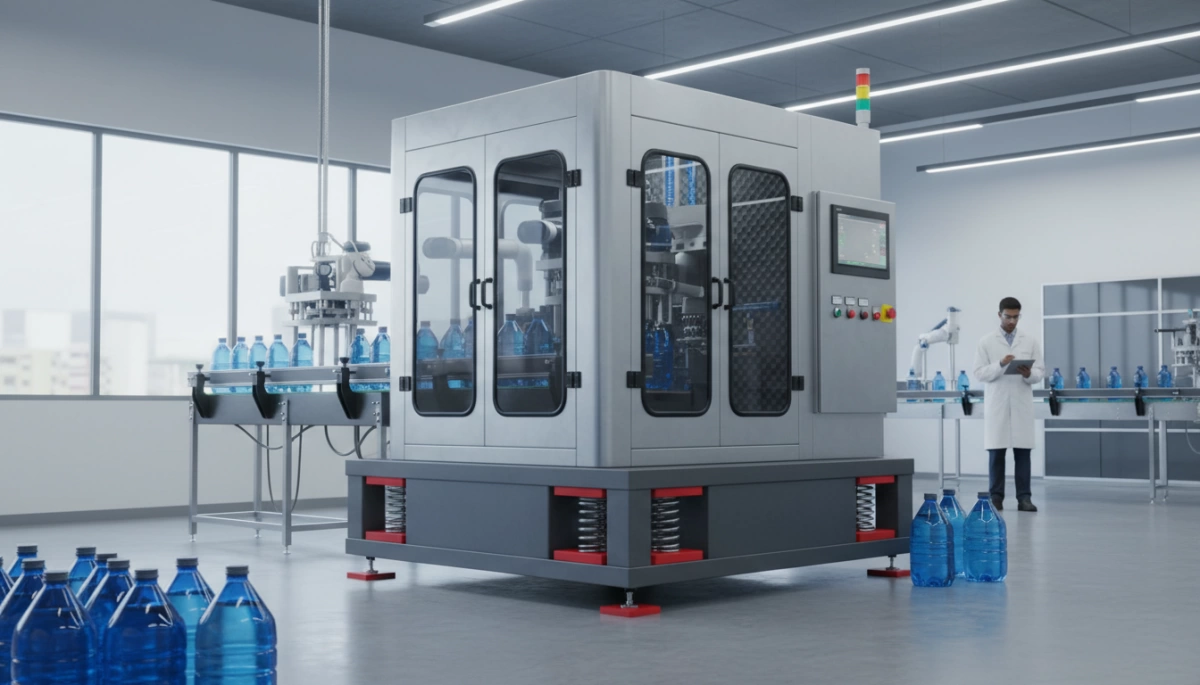
Leveling Is Critical: Uneven flooring causes internal compressor parts to shift and rattle, increasing structure-borne vibration. Proper leveling keeps components stable, cutting down unnecessary noise and prolonging unit life.
Wall Anchoring: For wall-mounted compressor-based bottle filling stations, install isolation pads between the unit and wall. This prevents the building structure from acting as a giant speaker, reducing noise transmission through walls.
Ventilation Clearance: Adequate airflow is essential. Avoid blocking air intakes or cramping ventilation space, which forces the compressor to work harder and run louder. Optimal ventilation means quieter operation and better performance.
Taking care of these installation details ensures your quiet operation bottle filler runs smoothly and meets noise compliance standards for facilities. For more about maintaining high-quality water filtration alongside quiet equipment, check our sink water filter system.
Procurement Guide: Specifying Quiet Operation
When choosing a compressor-based bottle filling station, always check spec sheets for clear decibel (dBA) ratings and Quiet Operation certifications. These numbers tell you upfront how much noise the unit will generate, helping you meet facility