














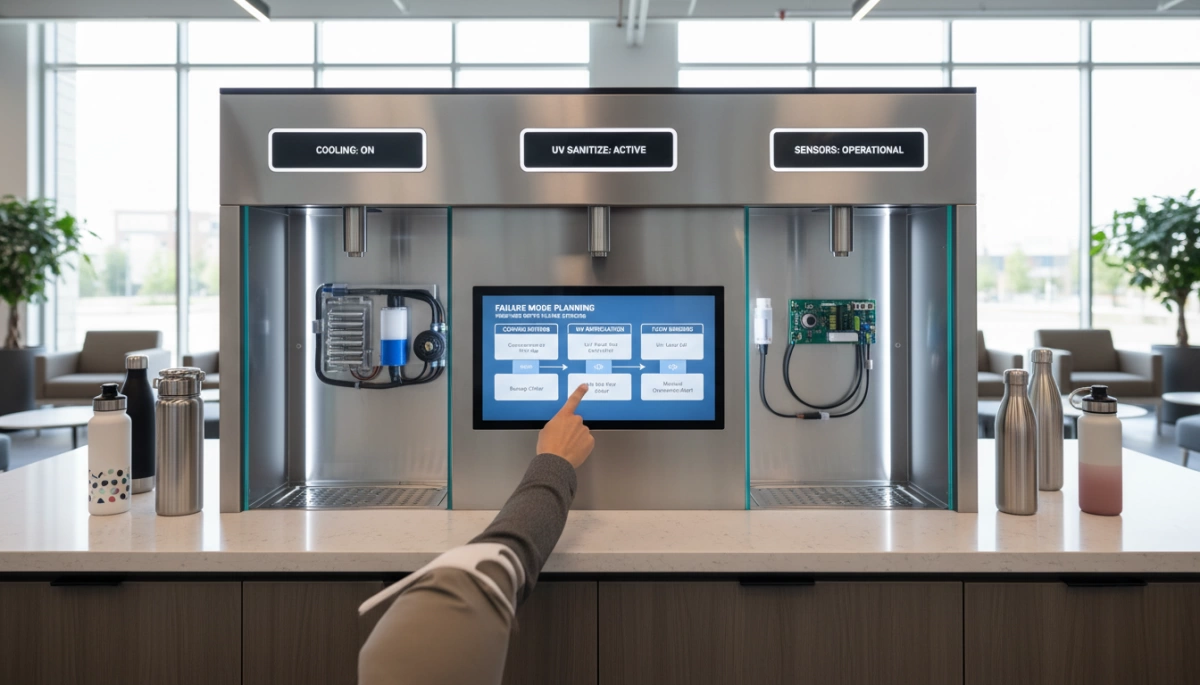
If you manage high-use bottle filling stations, you know that system failures—especially in cooling, UV purification, and sensors—can cripple operations fast. Continuous cycles in airports, universities, and gyms push standard units beyond their limits, causing thermal overload, silent UV faults, and sensor glitches. This guide dives straight into the root causes behind these common failure modes and offers practical failure mode planning strategies. Whether you’re battling downtime or specifying new installations, understanding how to engineer resilience into your hydration systems is critical. Keep reading to learn how to move from reactive fixes to proactive uptime—and why selecting equipment designed for this stress is the smartest move your facility can make.
Refrigeration Cycle Failure under Continuous Load
The Issue: Thermal overload and compressor fatigue frequently arise in high-use bottle filling stations, leading to premature system failure and downtime. Continuous operation stresses the refrigeration cycle, particularly when cooling demands exceed design capacity.
Root Cause Analysis: Key factors include inadequate airflow around condenser coils and short-cycling of the compressor caused by improper load matching. Restricted airflow raises condenser temperatures, while short-cycling accelerates mechanical wear and energy inefficiency.
Mitigation & Planning:
- Implement rigorous ventilation protocols ensuring unobstructed air circulation and regular condenser coil cleaning to maintain optimal heat exchange.
- Upgrade to heavy-duty compressors rated for extended runtime and higher thermal loads, reducing the risk of fatigue.
- Integrate Driplife’s high-capacity chilling banks, engineered for sustained chiller capacity (gallons per hour) to stabilize cooling performance under continuous demand.
Proactive refrigeration management with these measures ensures longevity, protects against compressor thermal overload, and supports reliable hydration station operation in demanding public utility environments.
Failure Mode 2: UV Purification System Faults
The UV purification system in high-use bottle filling stations plays a crucial role in water sanitation protocols, but silent failures can seriously compromise safety. The main issues often stem from electronic ballast failure and quartz sleeve fouling, both of which reduce UV-C lamp transmittance and disrupt effective disinfection. These faults usually go unnoticed since they don’t trigger obvious alerts, creating a hidden risk.
Root cause analysis points to ballast components degrading over time and mineral buildup or scratches on the quartz sleeve that block UV penetration. To counter this, fail-safe circuitry must be integrated to detect faults immediately and shut down the UV system before unsafe water dispenses. Additionally, strict scheduled replacement cycles for UV lamps and quartz sleeves help maintain consistent performance and extend mean time between failures (MTBF).
Implementing a preventive maintenance schedule focusing on UV system checks ensures ongoing reliability and user safety—key for durable hydration station facility management. For more insights on maintaining water quality systems, consider the detailed water filtration facility management tips available at Driplife’s resources.
Failure Mode 3: Sensor and Activation Logic Errors
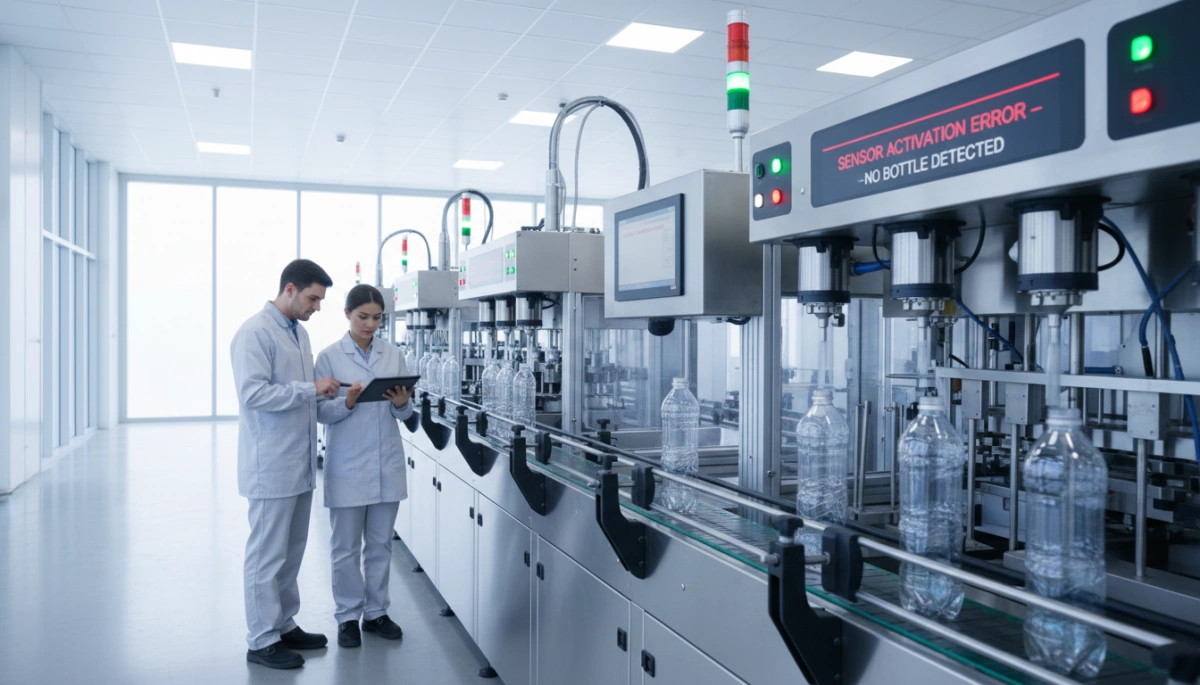
Sensor issues like ghost activation or non-response can severely disrupt bottle filling station performance. Common root causes include infrared (IR) interference from nearby electronics, moisture ingress causing short circuits, and scratched lenses that block sensor accuracy. To tackle these, strict infrared sensor calibration protocols are essential, paired with robust waterproofing measures such as sealed housings and conformal PCB coatings. Regular preventive maintenance schedules, including cleaning sensor lenses and checking for water damage, reduce downtime. This systematic approach ensures reliable touchless activation and minimal latency, keeping hydration stations running smoothly for high-traffic public use.
Strategic Uptime Planning: From Reaction to Prevention
Maximizing uptime for high-use bottle filling stations starts with shifting from reactive fixes to proactive maintenance. Creating a detailed spare parts matrix ensures critical components like compressors, UV-C lamps, sensors, and solenoid valves are stocked and ready to swap. This minimizes downtime and keeps service smooth during peak demand.
Implementing a solid redundancy strategy is key—backup compressors and UV modules mean failures don’t shut down the station. Redundancies also support public utility reliability, reducing risk during thermal overloads or sensor faults.
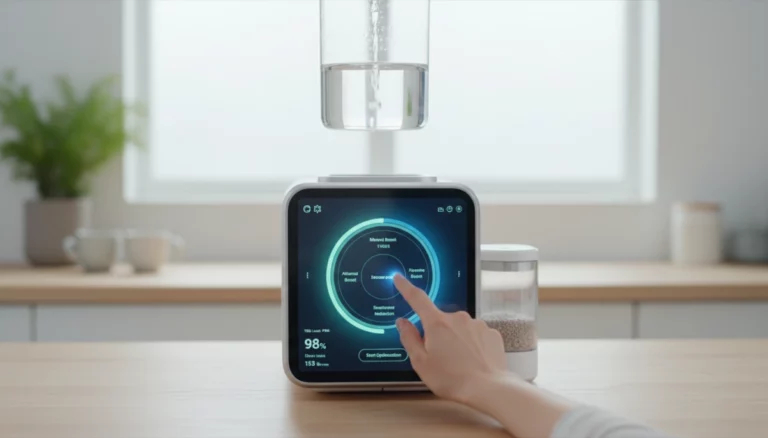
Leverage diagnostic telemetry and IoT maintenance tools for real-time monitoring. These systems track measures like compressor thermal overload protection, UV-C lamp transmittance, and sensor calibration status, allowing early fault detection before users even notice a problem. This data-driven approach fine-tunes your preventive maintenance schedule and upholds sanitation protocols, keeping hydration stations functional around the clock.
For guidance on maintaining optimal water temperature and filtration compatibility in your strategy, our insights on the impact of water temperature on filtration efficiency can be an essential resource.