













You might already know that the RO membrane is the most expensive component in your water purification system…
But are you ignoring the one thing that actually keeps it alive?
Most distributors obsess over membrane rejection rates, yet they overlook the critical engineering upstream.
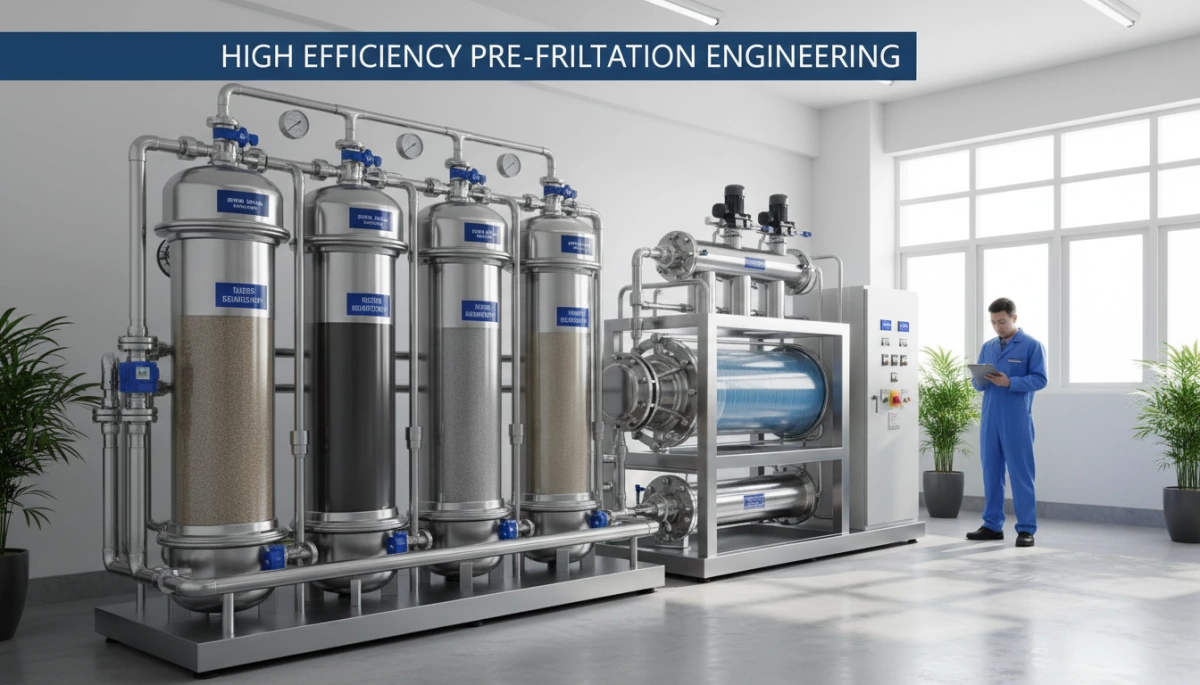
Here is the hard truth: Without High Efficiency Pre Filtration Engineering, even the most premium membrane will fail prematurely due to fouling and scaling.
In this guide, we’re moving beyond basic sediment removal. We’re going to break down the specific hydrodynamics, SDI reduction, and material science required to Extend RO Membrane Life and drastically reduce your warranty claims.
Ready to optimize your product line?
Let’s get to work.
The Physics of Failure: Why RO Membranes Die Young
At DripLife, we understand that when a Reverse Osmosis system fails prematurely, the culprit is rarely the membrane itself—it is almost always a failure of the defensive line before it. High Efficiency Pre Filtration Engineering to Extend RO Membrane Life isn’t just a feature; it is the fundamental requirement for system longevity. If the pre-treatment stage cannot effectively reduce the particulate load, the expensive main stage pays the price.
Understanding Silt Density Index (SDI) and Fouling
The technical correlation between pre-filtration efficiency and membrane survival is measured by the Silt Density Index (SDI). A high SDI in your feed water indicates a high concentration of suspended solids that will quickly coat the membrane surface.
- RO Membrane Fouling Prevention: Without rigorous SDI reduction, the membrane suffers from physical blockage, drastically reducing flux rates.
- The Result: The system requires higher pressure to push water through the accumulated grime, straining the pump and leading to catastrophic hardware failure.
The Enemies: Silica, Iron, and Chlorine
Standard, off-the-shelf filters often let microscopic destroyers bypass the safety net. We engineer our systems to combat three specific threats that cheap filters miss:
- Colloidal Silica & Oxidized Iron: These fine particulates form a hard, cement-like scale on the membrane surface that standard backwashing cannot remove.
- Residual Chlorine: This is the silent killer of Polyamide membrane protection. Most Thin Film Composite (TFC) membranes have zero chlorine tolerance limits. If your carbon stage channels or saturates too early, the chlorine causes irreversible chemical oxidation, literally eating holes in the membrane structure.
The Business Impact: Technical Failure Meets Customer Churn
For our B2B partners, the physics of failure translates directly to the balance sheet. A system designed with poor pre-filtration results in shortened product lifecycles and frequent, frustrating maintenance for the end-user.
- Increased Warranty Claims: Premature membrane death leads to costly service calls.
- Brand Erosion: Customers don’t blame the sediment filter; they blame the brand for a “broken” purifier.
By prioritizing High Efficiency Pre Filtration Engineering to Extend RO Membrane Life, we stop these issues at the source, ensuring that the RO membrane functions strictly for desalination, not dirt removal.
Engineering High-Efficiency Pre-Filtration: It’s More Than Just Pore Size
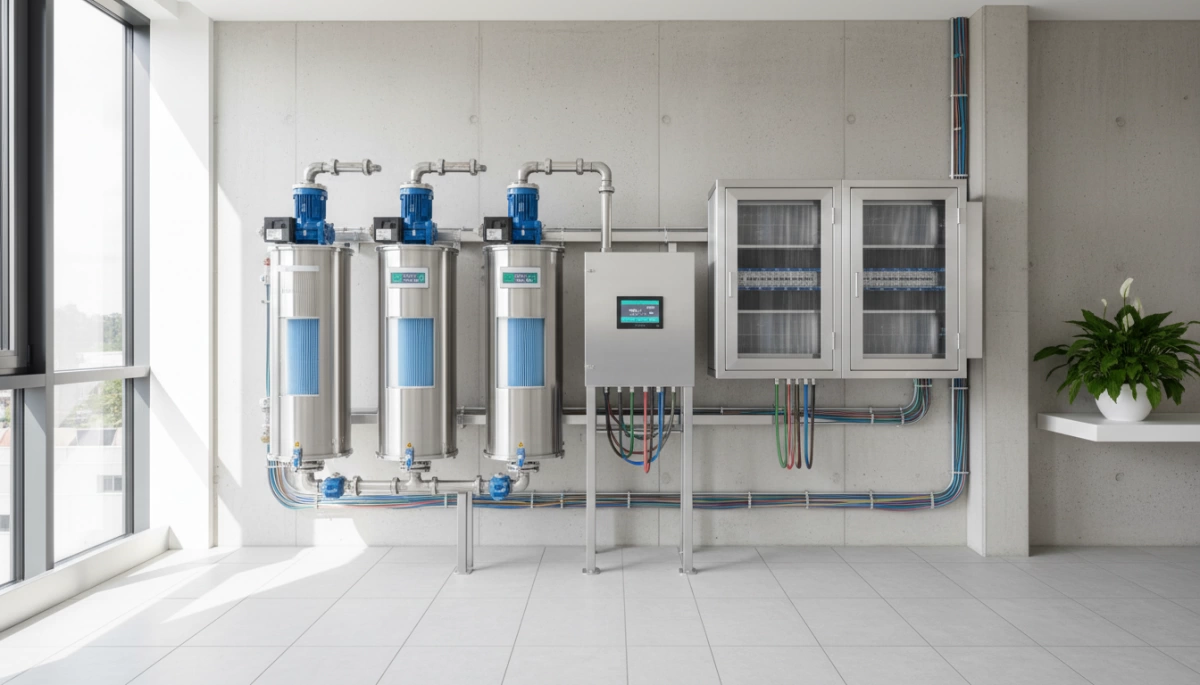
Many manufacturers stop at the micron rating, assuming a standard 5-micron filter is sufficient for all applications. However, true High Efficiency Pre Filtration Engineering to Extend RO Membrane Life requires a much deeper look at structural design and fluid dynamics. A simple surface filter blinds prematurely, killing flow to the RO pump and starving the system. At DripLife, we focus on three specific engineering pillars to ensure maximum system longevity.
Graded Density Depth Filtration
We have shifted away from single-layer surface filtration in favor of a graded density sediment filter design. By engineering the media with a loose outer structure that progressively tightens towards the core, we capture larger particulates on the exterior while trapping fine silt internally. This multi-zone depth filtration significantly increases dirt holding capacity, preventing the sudden pressure drops that plague standard filters and ensuring consistent feed pressure to the membrane.
Composite Material Engineering
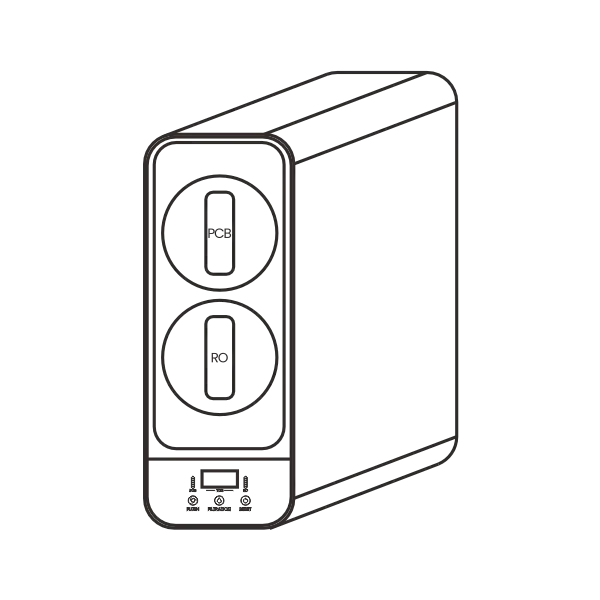
Protecting the TFC membrane requires more than just sediment removal; it demands chemical neutralization. We utilize multi-stage filtration engineering by integrating high-density Polypropylene (PP) with activated carbon block adsorption technologies. This composite approach ensures that while sediment is physically blocked, harmful agents like residual chlorine are chemically adsorbed before they can oxidize the sensitive RO membrane. This level of protection is standard in our high-capacity 600-1200GPD under sink RO systems, where maintaining membrane integrity is critical for high-flow performance.
Hydrodynamic Optimization
Even the best media fails if the water bypasses it. We utilize hydrodynamic flow optimization to analyze flow channels within the cartridge and housing. This engineering prevents “channeling”—where water cuts a path of least resistance—ensuring 100% media utilization. This guarantees that every drop of feed water is properly treated before reaching the reverse osmosis stage, eliminating the risk of untreated water fouling the main element.
Optimizing for Countertop RO Systems: The Space vs. Efficiency Challenge
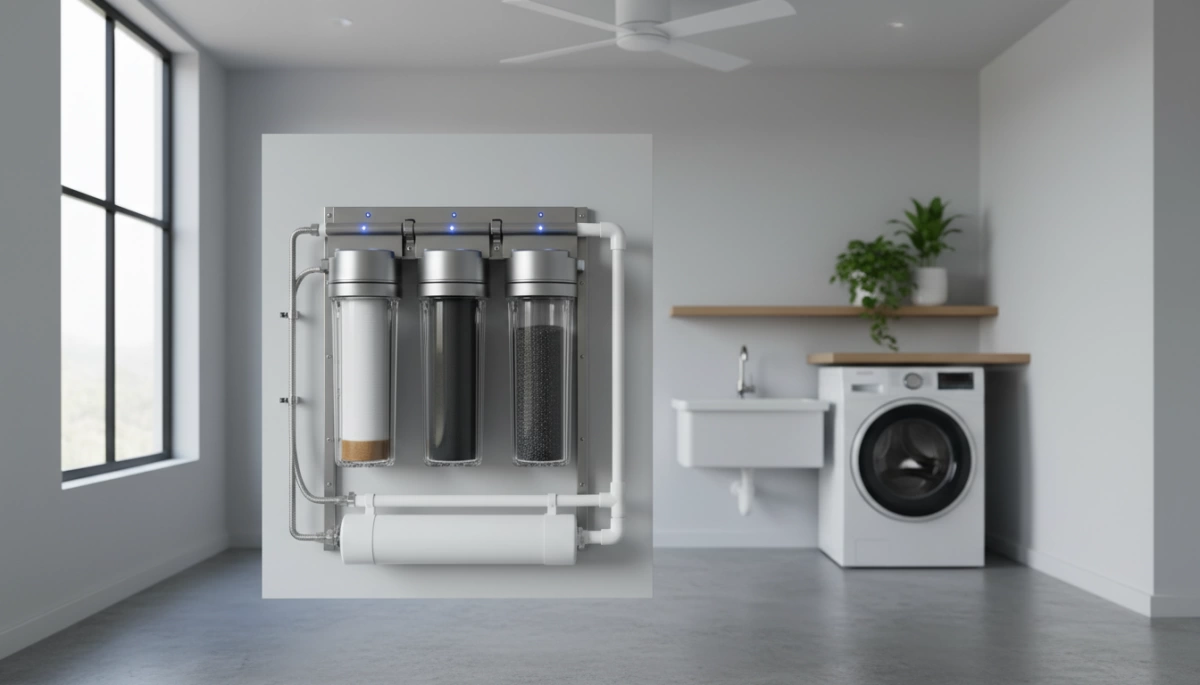
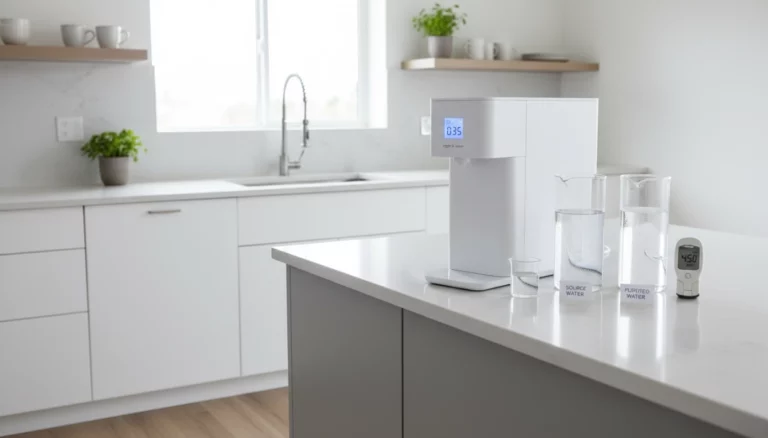
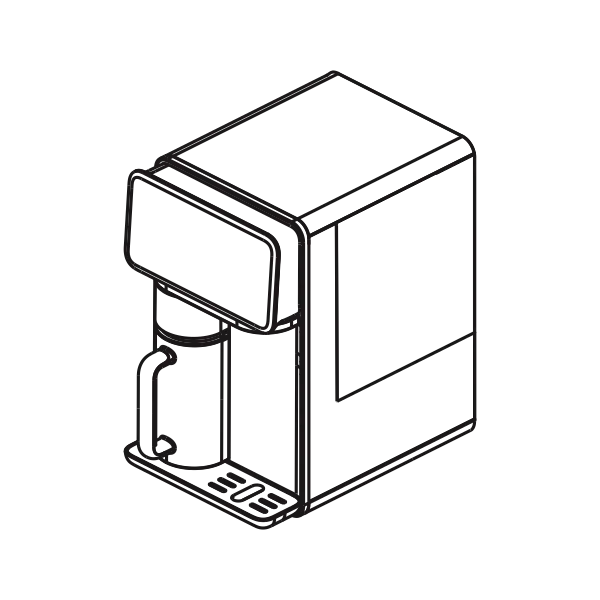
Designing for the modern American kitchen means battling for every square inch of counter space. When we engineer High Efficiency Pre Filtration Engineering to Extend RO Membrane Life for compact countertop units, we face a unique physical constraint: how to pack industrial-grade filtration performance into a sleek, portable chassis. Unlike under-sink systems where we have the luxury of standard 10-inch housings, countertop models require a complete rethink of internal architecture to ensure the RO membrane isn’t compromised by size limitations.
Compact Architecture and Composite Engineering
In countertop RO system design, we cannot afford wasted volume. Standard loose-fill media filters are often too bulky and prone to channeling in small formats. Instead, we utilize advanced composite material engineering. By integrating high-density Polypropylene (PP) layers directly with sintered Activated Carbon Block technologies, we create a dual-function cartridge that occupies half the footprint of traditional setups.
This approach allows us to maintain the necessary dirt holding capacity and chlorine reduction capabilities required to protect the sensitive TFC membrane, without expanding the device’s physical dimensions. This level of integration is crucial for brands looking to compete with tankless systems that prioritize space-saving designs, ensuring that a smaller form factor doesn’t equate to a shorter product lifespan.
Pressure Drop Management
The biggest technical hurdle in compact filtration is managing filter cartridge pressure drop. In a confined countertop system, the booster pump has a limited performance curve. If the pre-filtration is too restrictive (to catch fine particulates), it starves the pump, reducing the feed pressure to the RO membrane. This leads to lower flux rates and poor rejection performance.
Our engineering team focuses on hydrodynamic flow optimization within the pre-filter cartridge. We balance the micron rating with flow channel geometry to ensure:
- Consistent Feed Pressure: The pump receives adequate water volume to drive the reverse osmosis process efficiently.
- Maximized Media Utilization: Water is forced through the entire depth of the carbon block, preventing bypass.
- Pump Longevity: Reducing strain on the internal pump prevents overheating and mechanical failure.
Quick-Change Interface Design
Even the best engineering fails if the end-user ignores maintenance. We know that RO membrane fouling prevention relies heavily on the timely replacement of pre-filters. If a user delays changing a sediment or carbon filter because the process is difficult, the RO membrane will inevitably suffer from chlorine oxidation or particulate scaling.
To mitigate this, we engineer proprietary quick-change interfaces. These “twist-and-lock” designs eliminate the need for housing wrenches or shutting off main water valves, making maintenance intuitive for the average consumer. By lowering the barrier to entry for maintenance, we ensure that the pre-filters are changed on schedule, which is the single most effective strategy for preserving the expensive RO membrane downstream.
Case Study: The Driplife Pre-Treatment Performance Benchmark
At DripLife, we don’t rely on theoretical specifications. We put our pre treatment performance benchmark RO purifier designs through rigorous stress testing against standard off-the-shelf components. The goal is simple: validate that our engineering actually delivers superior RO membrane fouling prevention.
We conducted a controlled laboratory comparison between a standard single-density PP sediment filter and our proprietary graded density depth filtration system. Both were subjected to feed water with elevated turbidity and chlorine levels to simulate harsh residential conditions.
Lab Data Comparison: Standard vs. Engineered Pre-Filtration
The results highlight a massive gap in performance. Standard filters often suffer from surface blinding—clogging the outer layer while leaving the inner core unused—or worse, channeling, where water bypasses the media entirely.
| Performance Metric | Standard Market Pre-Filter | DripLife High-Efficiency Engineering |
|---|---|---|
| Silt Density Index (SDI) Reduction | < 40% Reduction | > 75% Reduction |
| Dirt Holding Capacity | 35 grams | 85 grams (Multi-zone depth capture) |
| Chlorine Breakthrough | Detected after 1,500 gallons | Zero detection at 2,500+ gallons |
| Pressure Drop Increase | Rapid spike (clogging early) | Gradual, linear increase |
Membrane Lifespan Extension Engineering
The data above directly correlates to the longevity of the expensive Thin Film Composite (TFC) membrane. By achieving superior Silt Density Index (SDI) reduction and neutralizing chlorine before it hits the polyamide layer, we drastically reduce the chemical and physical load on the RO element.
Our projections indicate a membrane lifespan extension engineering RO system benefit of 30-50%. This is particularly critical when designing systems for managing high TDS source water with countertop RO units, where the membrane is already under significant osmotic pressure.
The Distributor Advantage
For our B2B partners, this technical superiority translates directly to the bottom line. Distributor selection advanced pre filtration RO system criteria should always prioritize TCO (Total Cost of Ownership).
- Reduced After-Sales Support: Fewer calls about “slow flow” or “bad taste” caused by premature fouling.
- Brand Reputation: Systems that last longer build trust with end-users.
- Predictable Maintenance: Linear pressure drops allow for accurate filter change indicators, preventing user frustration.
By integrating high-efficiency pre-filtration, we transform the RO system from a high-maintenance appliance into a reliable utility.
Selecting a Manufacturing Partner for Advanced Filtration
In the competitive landscape of OEM water purifier manufacturing, the integrity of your water purification supply chain defines your brand’s reputation. At DripLife, we understand that a filter system is only as reliable as the raw materials inside the housing. If the media fails, the membrane fails, and ultimately, the customer loses trust.
Quality Control in Media Sourcing
We enforce strict standards on our raw materials, particularly our activated carbon. We utilize premium coconut shell carbon engineered for maximum activated carbon block adsorption. Unlike cheaper alternatives that release carbon fines and clog downstream components, our media is stabilized to ensure consistent flow and chemical reduction. This focus on material purity is the foundation of High Efficiency Pre Filtration Engineering to Extend RO Membrane Life, ensuring that the final output delivers the health benefits of RO water your customers expect.
OEM/ODM Customization
One-size-fits-all solutions rarely work across the diverse water landscapes of the United States. As your manufacturing partner, we tune pre-filtration stages to match specific local water profiles:
- Sediment-Heavy Regions: Implementation of multi-zone graded density filters to maximize dirt holding capacity.
- Chlorinated Municipal Water: Enhanced carbon block density to neutralize chlorine before it reaches the polyamide membrane.
Effective distributor selection advanced pre filtration RO system strategies depend on this adaptability. We engineer the hardware to handle the specific chemical and physical load of the target market, reducing warranty claims and extending system longevity.