















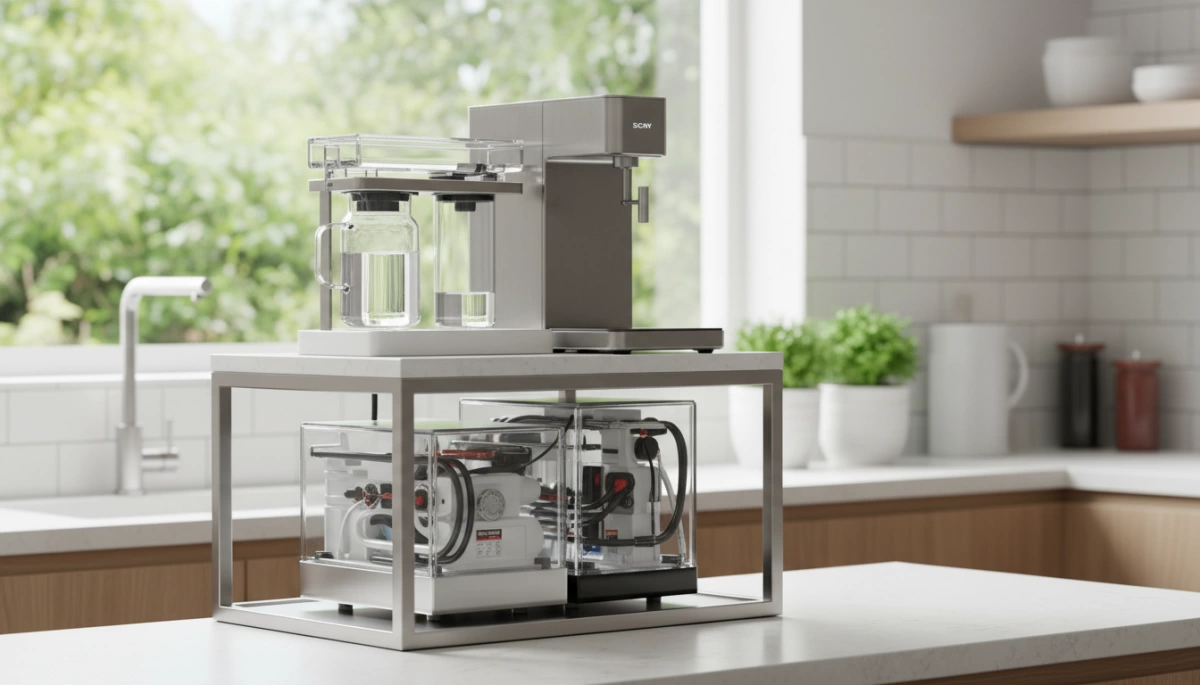
Core Structural Innovations in Compact RO Systems
Creating a high-performance water purifier that fits seamlessly on a crowded kitchen counter is an engineering paradox. We are constantly balancing the demand for compact structural engineering for multi-function countertop RO platforms with the physical need for pumps, filters, heating elements, and cooling compressors. At Driplife, we don’t just shrink components; we completely rethink the internal architecture to maximize every cubic millimeter without sacrificing performance or safety.
Integrated Waterway Boards: The End of Tubing Nightmares
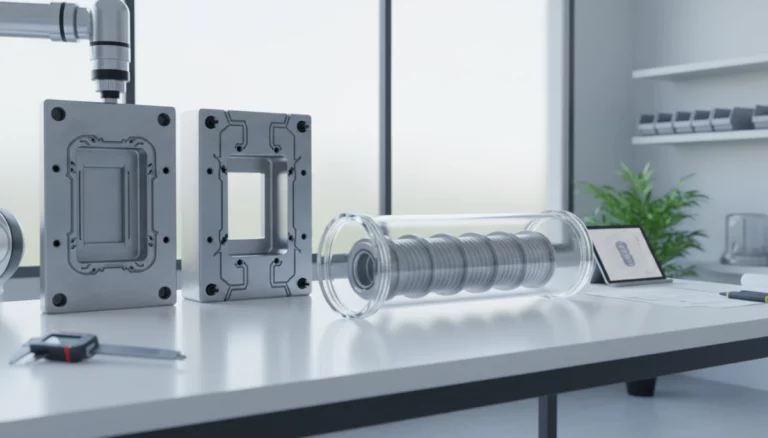
The days of opening a chassis to find a “spaghetti bowl” of PE tubing are over. In our modern designs, we utilize integrated waterway board design to replace dozens of tube connections with a single, injection-molded flow path. This isn’t just about aesthetics; it is a critical move for reliability and space efficiency.
By consolidating water channels into a rigid, multi-layer board, we achieve several engineering wins:
- Leak Reduction: We eliminate approximately 80% of potential leak points (connectors and elbows).
- Hydrodynamic Optimization: Molded channels reduce water turbulence and pressure drop compared to flexible tubing that can kink or bend.
- Space Reclamation: The flat profile of the board acts as a structural divider, freeing up internal volume for larger filters or additional feature modules like instant heaters.
3D Internal Stacking & Modular Layout: Utilizing Vertical Space
To achieve a truly small footprint structural design, we treat the chassis like a skyscraper, not a warehouse. We employ high-density component stacking where every layer serves a purpose. Instead of spreading components out horizontally, we utilize verticality.
Our 3D stacking strategy involves:
- Base Layer: Heavy components like the booster pump and compressor are mounted at the bottom to lower the center of gravity and dampen vibration.
- Mid-Layer: The integrated waterway board and heating elements are sandwiched here for thermal isolation.
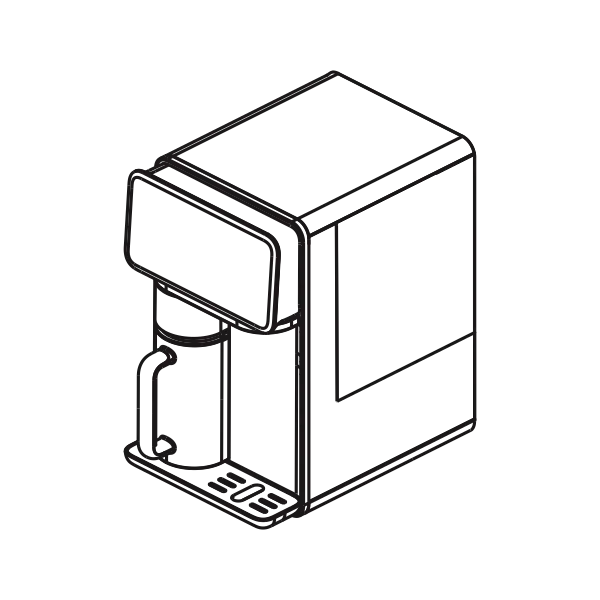
- Top/Front Layer: User-interface electronics and filter interfaces are positioned for accessibility.
This modular approach allows us to fit a multi-function integration compact RO dispenser—capable of heating, cooling, and purifying—into a shell that looks deceptively simple from the outside.
Design for Serviceability: Keeping Filter Replacement User-Friendly
A compact device is useless if the end-user needs a toolkit to change a filter. One of the biggest pitfalls in compact RO system internal architecture is burying the consumables behind layers of hardware. We design for the “Snap-and-Go” experience.
Even in our densest builds, we prioritize the user journey:
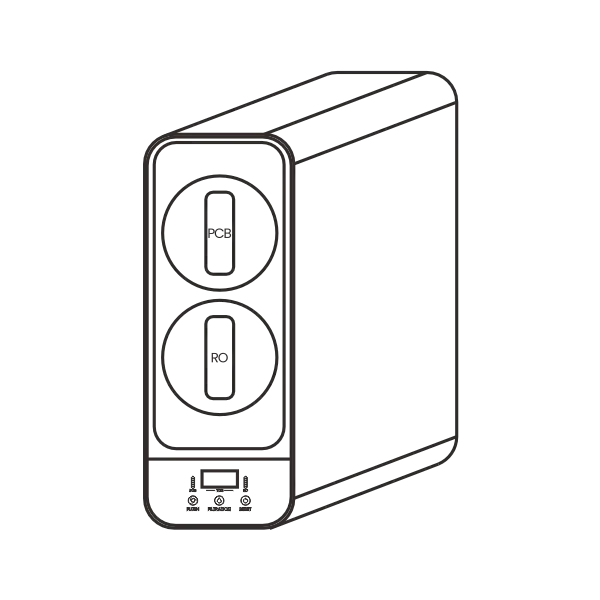
- Front-Loading Interfaces: Filters are accessible immediately upon removing a magnetic faceplate.
- Quick-Twist Mechanisms: We engineer the manifold so that filters automatically seal the water supply when removed, preventing spills.
- Clear Clearance: We run CAD simulations to ensure human hands fit comfortably into the service areas, avoiding the frustration of tight squeezes.
By merging structural rigidity with smart ergonomics, we ensure that downsizing the unit doesn’t upgrade the maintenance headache.
Engineering for Multi-Functionality: Managing Heat and Power
Creating a multi function integration compact RO dispenser isn’t just about shrinking components; it’s about managing the energy density within a confined space. When you combine instant heating, compressor cooling, and high-pressure filtration into a single countertop unit, the electrical load and heat dissipation become critical engineering challenges. We design our internal architecture to ensure that power surges from the heating element do not interfere with the sensitive electronics governing the filtration process.
Safety is paramount when dealing with water and electricity in such close proximity. That is why we often implement 12V/24V low-voltage RO systems to ensure safer operation in home kitchens while maintaining the power necessary for rapid heating. Our engineering teams map out airflow channels meticulously, ensuring that the heat generated by power supplies and pumps is vented away from the cold water reservoirs, preserving energy efficiency.
Thermal Isolation Engineering: Separating Fire and Ice
The biggest enemy of efficiency in an instant hot and cold RO dispenser ODM project is thermal bleed. If your hot water line runs too close to your cold water tank, the compressor has to work overtime, wasting energy and wearing out parts faster. We utilize thermal management in compact appliances by creating distinct thermal zones within the chassis.
- Insulation Barriers: We use high-grade expanded polypropylene (EPP) or vacuum insulation panels to wrap hot tanks, preventing radiant heat from affecting internal circuitry or adjacent cold water lines.
- Hydrodynamic Optimization: The water pathways are routed to minimize the length of tubing between the thermal element and the dispensing nozzle, reducing heat loss and ensuring the user gets the target temperature immediately.
- Air Gap Technology: By engineering physical air gaps between high-temperature components and the outer shell, we ensure the device remains cool to the touch.
Vibration and Noise Dampening in Rigid Frames
A compact structural engineering countertop RO purifier must be seen, not heard. In a small footprint, the vibration from the booster pump can easily resonate through the chassis, turning the entire unit into a speaker. To combat this, we move beyond simple screwing and bolting.
We employ silent booster pump integration techniques, such as “floating” pump mounts. The pump is suspended on customized rubber or silicone dampeners that absorb kinetic energy before it transfers to the frame. Additionally, we analyze the structural rigidity compact countertop RO frames to identify resonance points. By adding internal ribbing to the plastic molding at specific frequencies, we break up sound waves, resulting in a solid, premium hum rather than a rattling noise.
Material Selection: High-Density ABS vs. Reinforced Composites
The choice of material defines the longevity and perceived quality of the small footprint structural design RO purifier. Standard plastics often flex under the pressure of an RO system or warp after repeated exposure to internal heating cycles. We prioritize materials that offer structural rigidity in plastic molding without adding unnecessary weight.
- High-Density ABS: Ideal for the outer shell, offering a smooth finish that is easy to clean and resistant to kitchen grease and UV discoloration.
- Glass-Reinforced Composites: Used for the internal chassis and manifold mounting points. This material provides the tensile strength needed to hold high-pressure connections secure without fatigue.
By selecting the right materials, we ensure that the top benefits of counter water coolers—convenience and durability—are realized in the final product. This approach allows us to build a compact platform engineering countertop RO purifier that feels solid and premium, distinguishing our partners’ brands from flimsy, entry-level competitors.
The Role of the “Platform” Approach in Manufacturing
In the world of compact structural engineering for multi-function countertop RO platforms, starting from scratch for every single product launch is a recipe for inefficiency. Instead, we utilize a “platform” strategy. This means developing a robust, highly engineered internal chassis that serves as the foundation for a wide range of products. As an OEM countertop water purifier manufacturer, this approach allows us to maintain strict quality control while offering the flexibility our partners need to attack different market segments.
Scalable Architecture: One Base, Multiple Models
The core of our strategy is modular RO system design. We engineer a single, versatile base architecture capable of accommodating various configurations. Think of it like a car chassis that can support both a sedan and a hatchback body style.
- Standardized Mounting Points: Our internal frames feature universal mounting points for pumps, filters, and electronics.
- Plug-and-Play Modules: We can swap out a standard filtration module for a complex multi-function integration compact RO dispenser unit without redesigning the entire skeleton.
- Speed to Market: Since the core compact platform engineering countertop RO purifier structure is pre-validated, we can launch new variations in half the time.
This scalable architecture ensures that whether a client needs a basic ambient water filter or a high-end machine with ice and coffee functions, the structural integrity remains consistent.
Component Miniaturization: Sourcing High-Efficiency Parts
To achieve a truly small footprint structural design RO purifier, standard off-the-shelf components often don’t cut it. We focus heavily on component miniaturization without sacrificing performance. This involves sourcing and co-developing high-efficiency parts that support high-density component stacking.
We utilize:
- Brushless DC Pumps: These offer higher torque in a significantly smaller form factor compared to traditional diaphragm pumps.
- Compact Solenoid Valves: Custom-designed valves that reduce the manifold size by up to 30%.
- Integrated PCBs: Combining power and control boards into a single, slim unit to save vertical space.
By shrinking the “guts” of the machine, we open up internal volume for better airflow and thermal management, which is critical when engineering instant hot and cold RO dispenser ODM solutions.
Customizing the Base Platform for Premium vs. Basic Models
The beauty of a compact internal stacking design RO system lies in its versatility. We can take the same high-quality base platform and tailor it to distinct price points. For a basic model, we might utilize a standard composite shell and simplified interface. For a premium SKU, we upgrade the exterior materials, integrate a smart touchscreen, and add instant heating capabilities.
This flexibility is vital for our partners. Before finalizing the feature set, it is smart to understand how to conduct a competitive analysis of local water filter brands to determine if your market demands a luxury unit or a cost-effective workhorse.
Driplife ODM solutions allow for:
- Visual Differentiation: Changing only the external “skin” while keeping the internal custom water purifier chassis design identical.
- Feature Gating: physically including hardware for advanced features but controlling them via software, or physically omitting modules for entry-level units.
- Cost Optimization: High-volume manufacturing of the shared base platform drives down the unit cost for both premium and basic models.
Driplife’s R&D Advantage: From Concept to Mass Production
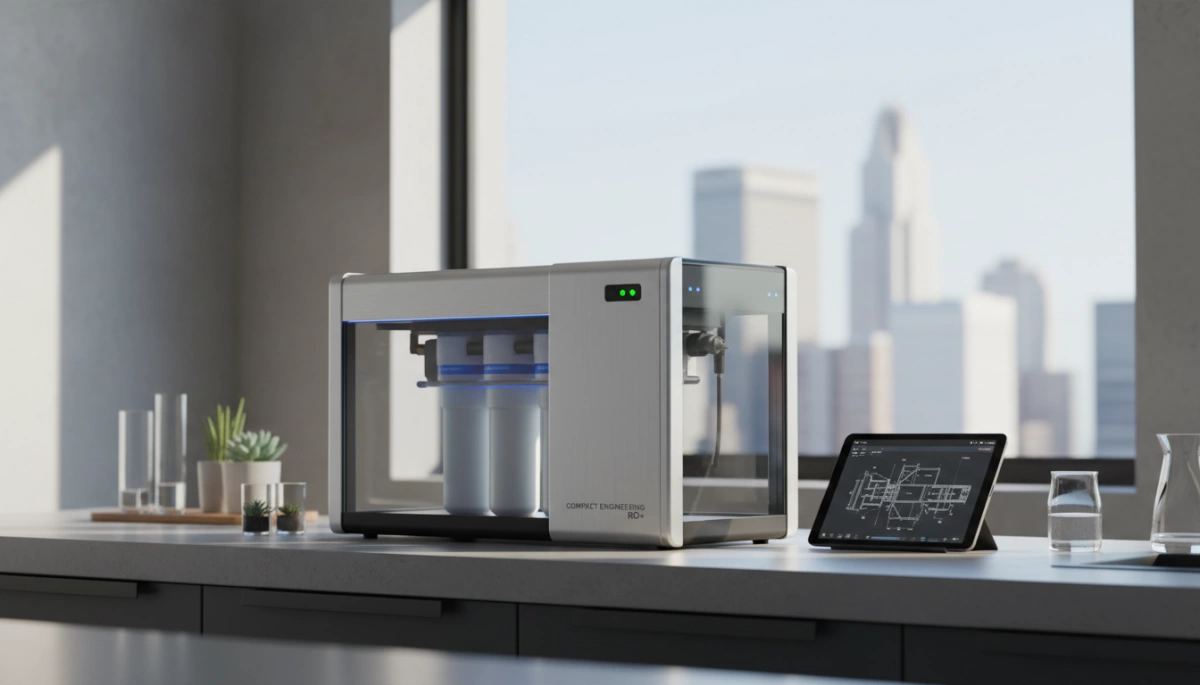
As an experienced OEM countertop water purifier manufacturer, we know that shrinking a high-performance machine into a sleek box requires more than just making parts smaller. It requires a complete rethink of compact structure engineering for countertop RO purifiers. At Driplife, we bridge the gap between a cool industrial design concept and a mass-producible reality. We focus on compact platform engineering for countertop RO purifiers that allows brands to launch reliable products without spending years in development hell.
Simulation and Prototyping: CFD Testing Before Molding
Before we even cut a single mold, we live in the digital world. We utilize Computational Fluid Dynamics (CFD) to visualize water flow through our integrated waterway board design. This step is critical for hydrodynamic optimization for water purifiers, ensuring that water moves efficiently without pressure drops or dead zones.
By simulating the flow, we can optimize the compact RO system internal architecture to prevent leaks and noise. This digital “test drive” allows us to perfect the compact internal stacking design of the RO system, ensuring that every cubic inch is used effectively before we commit to expensive tooling.
Quality Control in High-Density Assemblies: Burst & Thermal Testing
When you engage in high-density component stacking, the margin for error disappears. A multi-function integration compact RO dispenser generates heat and deals with high water pressure simultaneously. To ensure safety and longevity, our QC process is aggressive.
- Burst Testing: We subject our waterway boards to pressures far exceeding normal household limits to ensure the structural rigidity of the compact countertop RO unit can handle water hammer effects.
- Thermal Cycling: We alternate between freezing and boiling temperatures to test the thermal management in compact appliances. This ensures that the materials won’t crack or warp when users switch between ice-cold and instant-hot water.
Our engineering ensures that the final product doesn’t just look good, but effectively handles contaminants, much like how users expect to filter out lead and other heavy metals reliably.
Why Partner with Driplife for High-End Space-Saving Designs
Choosing the right partner is the most critical step in distributor selection for a compact RO platform. We provide Driplife ODM solutions that are essentially “plug-and-play” for brand owners. Our multi-module integration compact RO system approach means you get a proven chassis that can be customized for different market tiers.
Benefits of our manufacturing approach:
- Speed to Market: Skip the 18-month R&D cycle; use our pre-validated small footprint structural design RO purifier platforms.
- Scalability: Our modular RO system design allows you to upgrade features (like adding mineralization or UVC) without redesigning the whole unit.
- Reliability: We solve the hard problems—like vibration dampening and heat dissipation—so you don’t have to.
We handle the complex custom water purifier chassis design, allowing you to focus on marketing and sales in the competitive US market.
Frequently Asked Questions About Compact RO Engineering
As an OEM countertop water purifier manufacturer, I spend a lot of time discussing the nitty-gritty engineering details with clients. When you are shrinking a complex filtration plant into a sleek, countertop box, physics throws some curveballs. Here are the most common questions we get regarding compact structure engineering for countertop RO purifiers and how we solve them.
How does integrated waterway design reduce leak risks in small units?
The biggest enemy of any water system is the connection point. In traditional setups, you have feet of tubing and dozens of quick-connect fittings. In a small footprint structural design RO purifier, cramming all that tubing in creates stress points that eventually fail.
Integrated waterway board design changes the game completely. Instead of loose tubes, we mold the water channels directly into a solid, multi-layer plate. It works just like a printed circuit board, but for water. By doing this, we eliminate about 80% of the potential leak points. This hydrodynamic optimization for water purifiers not only saves space but creates a robust, pressure-resistant core that rarely fails.
What are the biggest challenges when adding instant heating to compact RO systems?
Managing heat in a confined space is the toughest part of multi function integration in a compact RO dispenser. RO membranes and electronic control boards hate heat, but an instant heating module generates a lot of it. If you don’t manage this, you get performance degradation or system failure.
We tackle thermal management in compact appliances through strict thermal isolation engineering. We create physical “firewalls” inside the chassis using insulating materials and airflow channels. This ensures the heating element does its job without cooking the filtration components or the cooling compressor sitting just inches away.
How do you prevent pump vibration in a lightweight countertop chassis?
A powerful booster pump inside a light plastic box can sound like a tractor if you aren’t careful. In compact platform engineering for countertop RO purifiers, weight usually helps dampen vibration, but we don’t have that luxury here.
To achieve silent booster pump integration, we use a “floating” suspension system. The pump isn’t bolted directly to the outer shell; it’s mounted on specialized rubber dampeners within a rigid internal sub-frame. This isolates the vibration, stopping it from transferring to the exterior casing and turning the unit into a speaker.
Can a compact structural design still allow for easy maintenance?
Absolutely, and it has to. If a user can’t change the filter in ten seconds, the design has failed. Even with compact internal stacking design RO systems, we prioritize the user experience.
We engineer the layout so that consumable parts—like the filters—are front-facing and accessible via magnetic or snap-fit covers. We use multi module integration in compact RO systems to ensure that while the insides are packed tight for efficiency, the interface for the user remains simple. If you want to dive deeper into the basics of the filtration process itself, seeing how a water purifier works highlights why accessible design is so critical for regular maintenance.