

















Step 1: Identify Your True Competitors (The Landscape)
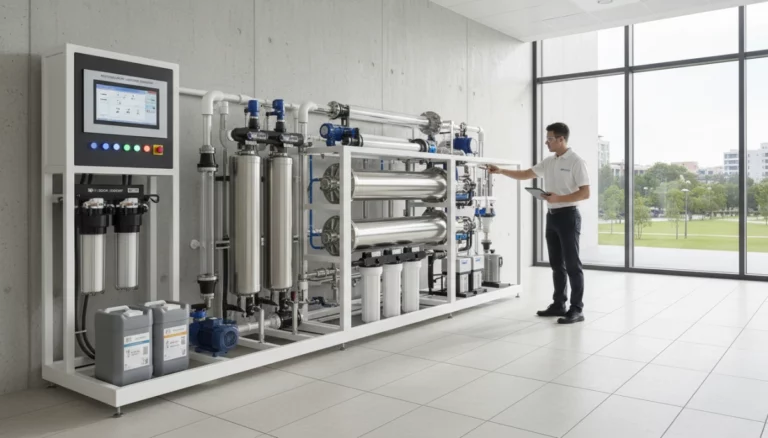
Before I can dominate the local water treatment market share, I have to know exactly who I am fighting against. In the water filtration industry, competition isn’t always straightforward. It is not just about who offers the best Reverse Osmosis (RO) system benchmarking; it is about who is capturing the customer’s attention first. I break the landscape down into three distinct tiers to ensure no threat goes unnoticed.
Direct Competitors: Local Specialists
These are the businesses that look and feel like us. They are the local water treatment specialists, franchises, and independent dealers offering residential and commercial solutions.
- The Franchise Giants: Large, national brands with local dealer networks. They often have high brand recognition but rigid pricing structures.
- Independent Dealers: Local pros who might specialize in specific niches like well water treatment or general plumbing with a filtration add-on.
- What to Watch: I analyze their service offerings. Do they provide multi-stage protection and UV sterilization like we do, or are they pushing outdated carbon-only systems?
Indirect Competitors: The DIY Route
My biggest competition often isn’t another expert; it’s the “good enough” mentality.
- Big-Box Hardware Stores: Retailers selling off-the-shelf pitchers and basic under-sink filters.
- DIY Kits: Customers often assume a $50 faucet mount equals the performance of a Whole House Water Filtration System.
- The Gap: These competitors win on convenience and low upfront cost but fail on long-term health benefits, flow rate efficiency, and chemical-free treatment capability.
Emerging Threats: Digital & Subscription Models
The market is shifting online. E-commerce brands are aggressively targeting the residential water quality testing trends with direct-to-consumer models.
- Subscription Services: Brands offering cheap filter replacements by mail, bypassing the need for local service calls.
- Online-Only Retailers: They compete heavily on price but lack the technical support, installation guidance, and high-flow GPM guarantees that a dedicated local brand provides.
Action Item: Create a Top 5 Google Map Pack Hit List
To get a real-time view of the battlefield, I go where the customers go: Google.
- Search Locally: I type in “water filter installation near me” or “local water purification services.”
- Identify the Leaders: I list the top 5 businesses appearing in the Google Map Pack.
- Audit the Reviews: I look for gaps in their service. Are customers complaining about pressure drops or difficult maintenance?
- Check the Footprint: I verify if they are optimizing for Local SEO for water filter dealers or if they are invisible online.
This hit list becomes the foundation for the entire analysis, helping me pinpoint exactly where my high-efficiency, health-focused solutions can outperform the status quo.
Step 2: The Product and Technology Audit
To truly understand where a brand stands in the market, I look past the marketing fluff and dig straight into the hardware specifications. A thorough Reverse Osmosis (RO) system benchmarking process reveals whether a competitor is selling cutting-edge solutions or offloading outdated inventory.
Filtration Efficiency and Waste Ratios
The first metric I analyze is efficiency. Many legacy systems sold by local dealers still operate on a 1:4 product-to-waste ratio, meaning they waste four gallons of water to produce just one gallon of purified water. In contrast, modern, eco-conscious designs focus on a high-efficiency water-to-waste ratio, often achieving 1:1 or better. If a local competitor isn’t prioritizing water conservation, their technology is likely lagging behind current sustainability standards.
Tankless vs. Tank-Based Market Trends
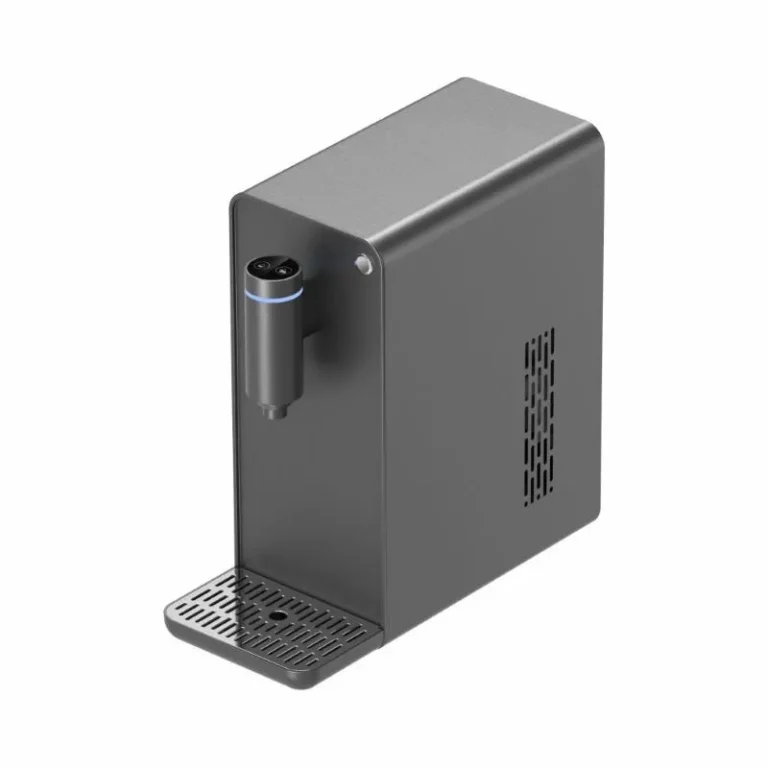
The under-sink filtration competitive landscape has shifted dramatically toward space-saving designs. I evaluate whether competitors are still pushing bulky storage tanks that consume valuable cabinet space and pose risks for secondary bacterial growth. The modern standard is the tankless design, which offers a compact footprint and continuous filtration. This evolution is similar to how portable reverse osmosis systems offer benefits in flexibility and size that traditional, heavy industrial units simply cannot match.
Precision and Flow Rate Benchmarking
When auditing technical specs, two numbers matter most: micron rating and GPD.
- Precision: I verify if the system utilizes a 0.0001-micron RO membrane. This is the threshold required to effectively remove heavy metals like lead and dissolved solids. Anything less precise (like basic carbon blocks at 0.5 microns) belongs in a different product category.
- Flow Rate: A GPD (Gallons Per Day) flow rate comparison is essential. Old standards hovered around 50 GPD, resulting in a slow trickle. Competitive brands now offer 400 to 600+ GPD systems, ensuring a fast flow that meets the demands of busy American households without a pressure drop.
Smart Water Faucet Feature Mapping
Finally, I look for smart integration. Modern consumers want proof of purity. I check if the competitor’s units include smart water faucet feature mapping, such as real-time TDS (Total Dissolved Solids) monitoring or filter life indicators directly on the faucet. These features transform a passive appliance into an active health monitor.
| Feature | Outdated Standard (Weakness) | Modern Benchmark (Strength) |
|---|---|---|
| Filtration Stage | Basic 2-Stage Carbon | 5-Stage RO + UV Sterilization |
| Design | Bulky Tank + Hoses | Compact Tankless Integrated Waterway |
| Maintenance | Wrench Required, Messy | Twist-and-Seal, Tool-Free |
| Monitoring | None / Manual Sticker | Real-Time TDS Digital Display |
Step 3: Analyzing Pricing Models and Value Propositions
When evaluating local competition, looking at the sticker price isn’t enough. You need to dig into the water filter pricing strategy analysis to understand where the real money is being made—and where the customer is losing out. Many local dealers operate on a “razor and blade” model, selling cheap hardware to lock customers into expensive service contracts.
Hardware vs. Service Costs
Distinguish between brands selling ownership versus those pushing rental models.
- Upfront Purchase: We focus on transparent pricing where the customer owns the equipment, like our Whole House or RO systems.
- Rental/Lease: Competitors often hide the total cost in monthly fees. A service contract audit usually reveals that customers pay 3-4x the unit’s value over a few years.
Consumables: Calculating 5-Year Cost of Ownership
The initial price tag is deceptive. You must calculate the long-term cost of consumables. Does the competitor require proprietary filters that cost $100 a pop, or do they use standard sizes?
- Filter Lifespan: Check if their filters last 6 months or 12 months.
- Media Quality: Higher prices are justified if they use premium materials. For example, understanding the science behind KDF-55 filtration helps you see why quality media offers better long-term value than cheap carbon fillers.
Replacement Mechanisms: Plumber-Required vs. Quick Change
This is a major differentiator in the US market. Old-school systems require heavy filter wrenches and often a plumber’s visit to change a cartridge.
- Legacy Tech: Cumbersome housings that are prone to overtightening and leaks.
- Modern Standard: We benchmark against Quick Change technology (Twist-and-Seal). If a local brand doesn’t offer tool-free maintenance, they are lagging behind in user experience.
Warranty Terms and Local Coverage
Map out the standard coverage in your area. A solid OEM water filter supplier comparison should look for warranty exclusions. Does the warranty void if the customer installs it themselves? Brands confident in their build quality, like Drip Life, support DIY-friendly installation without stripping warranty rights.
Step 4: Service and Customer Experience Evaluation
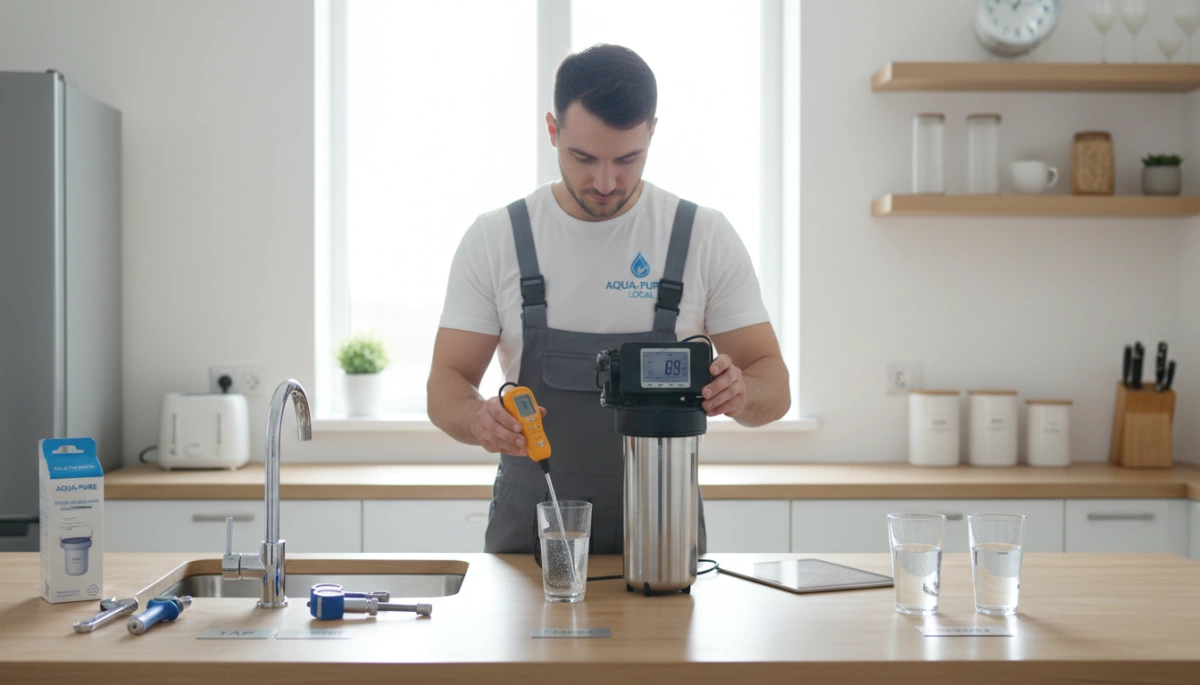
Hardware specs are critical, but the service wrapper around the product often dictates long-term satisfaction. When conducting a competitive analysis, you must evaluate how local brands handle the customer journey from purchase to maintenance.
Benchmarking Installation and Support
Time is money. Analyze the installation turnaround times of your competitors. Do they require a scheduled visit from a licensed plumber for a standard under-sink unit, or do they empower the user with DIY-friendly designs? We prioritize systems with twist-and-seal filter designs that allow for tool-free replacement. If a competitor forces customers to wait weeks for a technician, that is a significant service gap.
Check if they offer integrated hardware solutions, such as a kitchen faucet with filtration features, or if they rely on clunky, third-party add-ons that complicate the installation process.
Customer Sentiment Analysis Water Filtration
Dig into the digital footprint of local dealers. Mining Google Reviews isn’t just about counting stars; it is about finding specific recurring complaints. Look for patterns in customer sentiment analysis water filtration to identify weaknesses in their after-care support.
- Response Time: Do they ghost customers after the sale?
- Warranty Claims: Are there reports of denied claims for minor technicalities?
- Maintenance: Do customers complain about hard-to-find replacement cartridges?
Identifying Operational Pain Points
Technical performance issues are often buried in user feedback. Specifically, look for mentions of “leaks” or “low water pressure.” Many generic systems cause a noticeable drop in PSI. Since our whole-house systems are engineered for high-flow GPM to ensure no pressure drop, identifying competitors with flow rate issues gives you a massive advantage.
NSF/ANSI Certification Verification
Marketing claims mean nothing without validation. You must perform NSF/ANSI certification verification on competitor products.
- Standard 58: Verify if their Reverse Osmosis systems are actually certified for TDS reduction.
- Standard 42/53: Check if their carbon filters are certified for aesthetic effects and health-related contaminant removal.
- WQA Gold Seal: Look for the Water Quality Association seal, which confirms the system has passed rigorous structural integrity and safety tests.
Many local brands use “nominal” micron ratings rather than “absolute” ratings. Distinguishing between a certified 99.9% reduction claim and a vague marketing promise is how you separate high-end solutions from generic hardware.
Step 5: The SWOT Analysis (Putting Data to Work)
Once I have gathered the raw specs and pricing, I organize everything into a Competitor SWOT analysis water industry framework. This isn’t just busy work; it reveals exactly where a local business can outperform the “big guys” or established franchises by focusing on modern filtration standards and superior health benefits.
Strengths: Assessing Local Market Grip
I look at where the competitors are winning. Usually, their strength lies in local water treatment market share and brand history. They might have been the go-to service provider for decades. However, relying solely on legacy recognition often masks a lack of innovation in their actual hardware.
Weaknesses: Pinpointing Technical Gaps
This is where I compare their tech against high-performance benchmarks like Drip Life’s standards. Common weaknesses I find include:
- Outdated Technology: Reliance on bulky tanks instead of compact, tankless designs that save under-sink space.
- Slow Flow Rates: Systems that drop water pressure significantly, failing to meet modern GPM needs.
- Complex Maintenance: Filters that require wrenches and scheduled service calls rather than user-friendly twist-and-seal cartridges.
- Limited Hardware: Many competitors fail to offer diverse types of kitchen sink filtered water faucet options, sticking to basic, unattractive industrial taps that clash with modern kitchen aesthetics.
Opportunities: Health-Centric Features
The biggest gap in the local market is often specific contaminant removal. US homeowners are increasingly worried about “forever chemicals.” If competitors are only selling basic carbon filters, there is a massive opportunity to market multi-stage systems that handle PFAS and Lead removal. Highlighting UV-C sterilization for bacteria-free water—a core feature in advanced systems—also captures the health-conscious segment that generic brands ignore.
Threats: The Price War
External threats usually come from big-box retailers selling cheap, disposable units. To counter this, I focus on value over sticker price. While a generic pitcher is cheap, it doesn’t offer the chemical-free safety, whole-home protection, or the longevity of a proper Reverse Osmosis system.
Step 6: Strategic Implementation
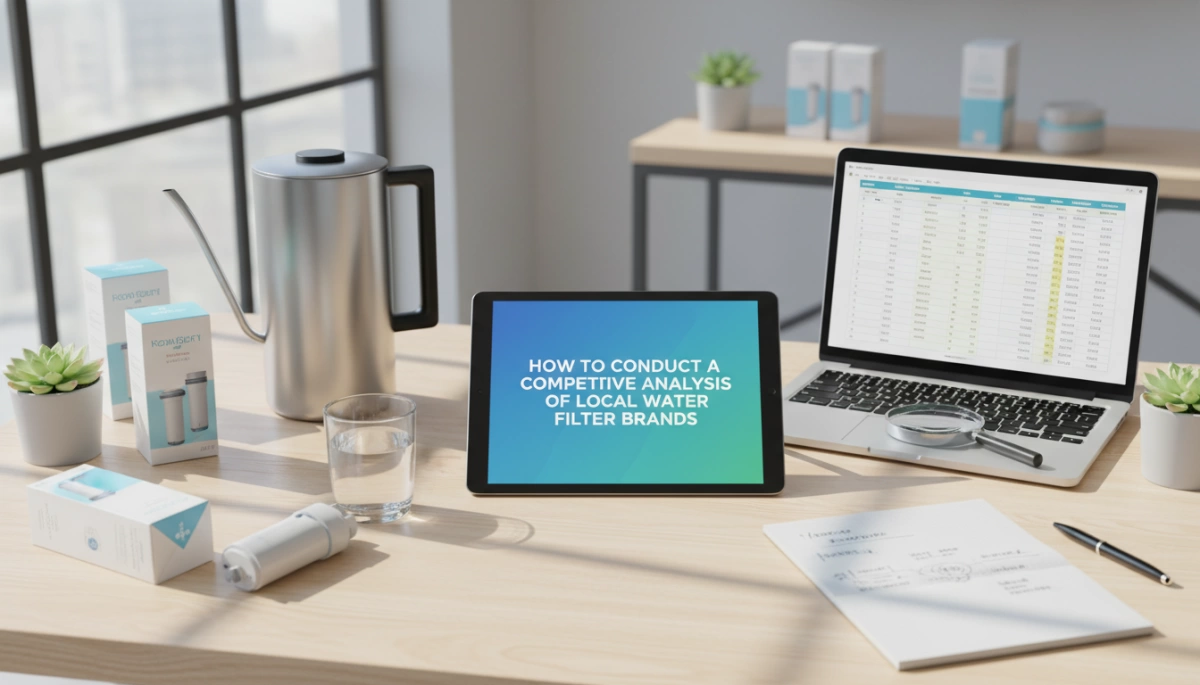
Now that we have gathered data on the local landscape, it is time to turn those insights into a concrete plan. Conducting a competitive analysis of local water filter brands is useless without execution. We need to position our offerings to fill the voids left by competitors, specifically focusing on superior technology and health-centric messaging.
Product Differentiation Through Superior Sourcing
To stand out, we must offer hardware that solves the pain points identified in our audit. If local competitors are pushing outdated, bulky systems with low flow rates, we differentiate by sourcing high-efficiency units.
- Upgrade the Tech: Move beyond basic carbon blocks. Implement systems with UV-C sterilization to guarantee bacteria-free water without chemicals.
- Simplify Maintenance: While competitors rely on complex housings that require wrenches, we focus on user-friendly designs. By evaluating filter cartridge connection types, we can select twist-and-seal mechanisms that allow homeowners to change filters in seconds without tools.
- Compact Design: Replace space-hogging tanks with high-flow, tankless RO systems that fit easily under the sink.
Marketing the Gap
Once we have the superior product, we market the features the competition ignores. If the local market is saturated with “water softening” ads, we pivot to “health and purity.”
- Smart Integration: Modern consumers want data. If competitors offer “dumb” systems, we gain an edge by promoting IoT-integrated smart water filter solutions that provide real-time TDS monitoring and leak detection directly to a smartphone.
- Specific Contaminant Targeting: Instead of vague promises of “clean water,” we specifically highlight the removal of Lead, PFOA/PFOS, and Chlorine, backed by our multi-stage filtration specs.
Local SEO Leverage
We use our competitor analysis to find the keywords they are missing. Most local dealers fight over generic terms like “water filter supplier.” We can capture high-intent traffic by targeting specific technical and health-related search terms.
Strategic Keyword Targeting Table:
| Competitor Focus (Saturated) | Our Strategic Opportunity (High Value) |
|---|---|
| “Water Softener City Name” | “PFAS Removal Water Filter City Name” |
| “Cheap Water Filter” | “High Flow RO System [City]” |
| “Water Cooler Service” | “UV Sterilization Water System” |
| “Filter Replacement” | “Tankless Reverse Osmosis Installation” |
By aligning our product sourcing and marketing message with the gaps in the local market, we stop competing on price and start winning on value and performance.
Frequently Asked Questions (FAQs)
How do I find local water filter competitor pricing?
Getting accurate numbers for a water filter pricing strategy analysis can be tricky since many local dealers hide costs behind “request a quote” forms. I recommend a mix of direct mystery shopping and digital research. Check if they list MSRPs for specific units like whole-house systems or under-sink RO units on their websites. If not, call them directly to ask for a quote on a standard installation. Compare these figures against the cost of ownership, including filter replacements and maintenance fees, to see where your pricing model stands in the local market.
What are the most important specs to benchmark?
When conducting Reverse Osmosis (RO) system benchmarking, focus on the technical details that impact the user experience daily. The most critical metrics include the GPD (Gallons Per Day) flow rate comparison and the waste-to-pure water ratio. You should also verify the filtration stages—specifically looking for high-grade activated carbon and sediment membranes. For a comprehensive sink water filter system audit, check if the competitor offers certified lead reduction and UV sterilization options, as these are major differentiators in today’s health-conscious market.
How often should I conduct a competitive market analysis?
The water treatment industry evolves quickly, so I suggest running a competitor SWOT analysis water industry check at least twice a year. This helps you stay ahead of emerging threats, such as new e-commerce brands or shifts in local water quality reports that might drive demand for specific contaminants like PFAS. Regular monitoring ensures you aren’t blindsided by a competitor launching a new subscription model or a superior technology that makes older inventory obsolete.
Does tankless technology offer a competitive advantage?
Absolutely. Tankless vs. tank-based market trends clearly show a shift toward compact, space-saving designs. Tankless systems eliminate the risk of secondary pollution that can occur in stagnant storage tanks and free up valuable under-sink cabinet space. In the under-sink filtration competitive landscape, offering a high-flow, tankless RO system is a strong selling point that appeals to modern homeowners looking for efficiency and hygiene without the bulk.