














You probably know that standard carbon filters often fail when the water gets hot…
But do you understand the actual chemistry that solves this problem?
It’s called Kinetic Degradation Fluxion, and it is the backbone of high-performance Shower Filtration Systems.
As a manufacturing partner to top global brands, we don’t just follow trends—we engineer the solutions based on over 15 years of R&D.
In this deep dive, you’re going to learn The Science Behind KDF 55, from the Redox reaction that neutralizes chlorine to the copper-zinc alloy that prevents bacteria growth.
No marketing fluff. Just the technical facts you need to build a better product.
Let’s get to the science.
What Exactly is KDF 55 Media?
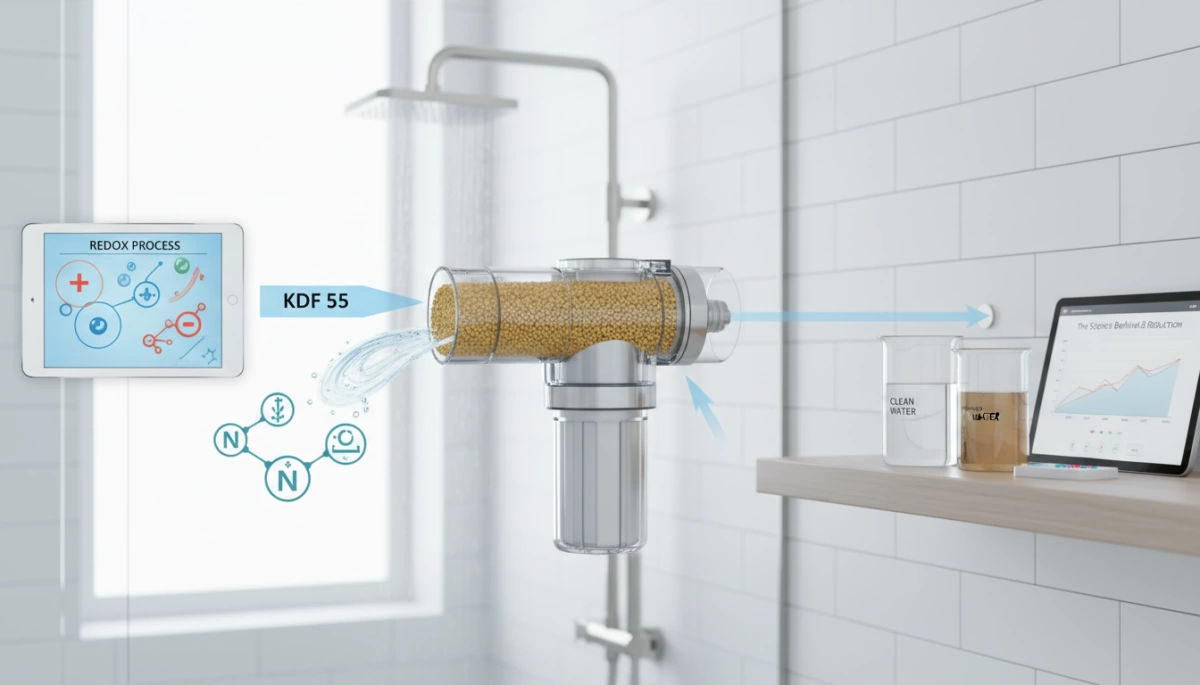
At DripLife, we rely on science, not magic. Kinetic Degradation Fluxion (KDF) is a high-purity formulation designed specifically for water treatment. Unlike standard filters that merely trap debris physically, KDF 55 utilizes a chemical process known as Redox (Oxidation-Reduction) to neutralize contaminants.
This media is the gold standard for shower filtration because it targets the specific chemicals found in municipal water supplies without using additives. It transforms harmful pollutants into harmless elements before they ever touch your skin or hair.
The Copper-Zinc Alloy Breakdown
The core of our filtration power lies in the material composition. KDF 55 is a specialized copper-zinc alloy media consisting of:
- 50% High-Purity Copper
- 50% High-Purity Zinc
This specific bimetallic blend creates a miniature electrochemical reaction when water passes through it. The copper acts as the cathode and the zinc as the anode. This setup is essential for the Redox reaction in water filtration, allowing the media to exchange electrons with contaminants like chlorine and heavy metals, effectively rendering them inert.
Granular Structure and Surface Area
We engineer our filters for performance under pressure. KDF 55 is produced in a granular form, which offers two distinct advantages for shower systems:
- Maximized Surface Area: The irregular shape of the granules ensures that water makes substantial contact with the copper-zinc alloy, optimizing the efficiency of the electron exchange.
- High Flow Compatibility: Unlike dense carbon blocks that can restrict water pressure, the granular structure allows for high flow rates. This ensures your shower maintains strong pressure while still undergoing rigorous filtration.
KDF 55 vs KDF 85: Picking the Right Tool
Not all KDF media is created equal. While both formulations use copper and zinc, we utilize KDF 55 specifically for shower filtration applications for distinct reasons:
- KDF 55: Optimized for removing free chlorine and water-soluble heavy metals. This is the primary requirement for treating municipal city water where chlorine disinfection is prevalent.
- KDF 85: Generally used for removing iron and hydrogen sulfide, which are common in well water but less critical for standard city water dechlorination.
By focusing on KDF 55, we ensure our systems deliver up to 99% chlorine removal and up to 98% heavy metal reduction, directly addressing the irritants that cause dry skin and damaged hair in the majority of households.
The Science: How the Redox Reaction Works
At DripLife, we don’t rely on simple physical barriers like sponges or nets to clean shower water. The real power behind our filters lies in a chemical exchange known as electrochemical oxidation reduction (Redox). This isn’t magic; it is high-level electrochemistry that changes the molecular structure of contaminants as water passes through the system.
The Battery Analogy: Creating an Electrolytic Field
To understand the Kinetic Degradation Fluxion process, think of the filter media as a microscopic battery. KDF 55 is composed of two dissimilar metals—high-purity copper and zinc—pressed together. When tap water enters the filter, it acts as an electrolyte, triggering a reaction between these two metals.
This interaction creates a small electrolytic field within the filter cartridge. As water flows through this charged environment, electrons are transferred between the media and the contaminants. This “give and take” of electrons is the core mechanism that neutralizes toxins without requiring electricity or chemical additives.
From Harmful Chlorine to Harmless Chloride
The primary target for most US households is chlorine, which causes dry skin and brittle hair. Through the Redox reaction in water filtration, KDF 55 forces a chemical change on free chlorine molecules. The media transfers electrons to the chlorine, converting it into a benign, water-soluble chloride.
- Chlorine: A harsh oxidant that damages organic matter (skin/hair).
- Chloride: A harmless element, similar to what is found in table salt.
This water-soluble chloride conversion means the contaminant isn’t just trapped; it is fundamentally changed into something safe that washes down the drain. This process delivers exceptional free chlorine removal efficiency, even in the high-temperature environment of a hot shower where other filters often fail.
Trapping Heavy Metals Like Lead and Mercury
While chlorine is converted and flushed away, heavy metals require a different approach. Soluble heavy metals like lead, mercury, nickel, and chromium are threats to long-term health. The KDF 55 media handles heavy metal reduction by electroplating these contaminants onto the surface of the granules.
During the Redox process, heavy metal cations are attracted to the media and bond permanently to the copper-zinc alloy. They are effectively removed from the water stream, ensuring they never reach your body. This immediate, point-of-use protection is similar to the principle behind installing a water purifier on a faucet, where the goal is to treat water at the very last second to guarantee safety and quality.
Why KDF 55 Beats Standard Filters in Showers
When we look at the mechanics of filtration, it becomes clear why standard drinking water filters fail in the bathroom. The bathroom environment presents unique challenges—specifically heat and speed—that require a specialized media like KDF 55.
Handling the Heat: Thermodynamic Stability Explained
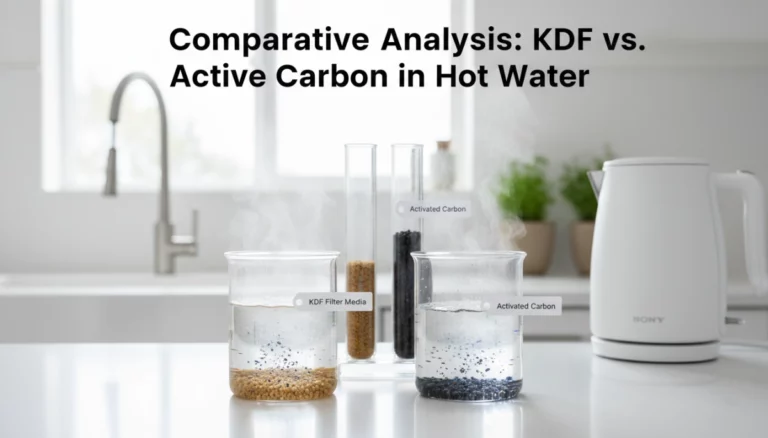
The biggest misconception I see is people assuming activated carbon works everywhere. While carbon is fantastic for cold drinking water, it has a major weakness: heat. When you run hot water through a standard carbon filter, the heat causes the carbon pores to expand, often releasing previously trapped contaminants back into the water stream.
KDF 55 (Kinetic Degradation Fluxion) operates on a completely different principle. Because it relies on an electrochemical Redox reaction, its efficiency actually improves as water temperature rises. The high-temperature stability of this copper-zinc alloy media ensures that the filtration process remains aggressive even during a steaming hot shower, effectively converting free chlorine into harmless chloride without degradation.
Keeping Up with High Flow Rates
American households demand strong water pressure. A dense carbon block designed for a slow-drip faucet will ruin the shower experience by restricting flow. KDF 55 is engineered to handle shower filter flow rate capacity requirements without creating a bottleneck.
The granular structure allows water to pass through freely while maintaining enough contact time for the electron exchange to occur. This balance is exactly what we prioritized when designing our shower filter for hard water, ensuring you get purified water without sacrificing that high-pressure feel.
Bacteriostatic Benefits: Stopping the Gunk
Shower filters are constantly wet and often warm—the perfect breeding ground for bacteria, mold, and algae. Standard filters can essentially become “incubators” for microbes if not treated.
KDF 55 offers distinct bacteriostatic properties. The electrolytic field created by the copper and zinc generates a localized environment where microorganisms cannot survive. This prevents “biofouling” inside the cartridge. We use this media because it doesn’t just trap dirt; it actively inhibits the growth of bacteria within the filter itself, keeping the unit sanitary throughout its lifespan.
Comparison: KDF 55 vs. Standard Carbon in Showers
| Feature | Standard Activated Carbon | KDF 55 Media |
|---|---|---|
| Heat Tolerance | Low (Loses efficiency in hot water) | High (Efficiency improves with heat) |
| Flow Restriction | High (Can reduce pressure) | Low (Maintains high flow) |
| Bacterial Control | Can breed bacteria over time | Bacteriostatic (Inhibits growth) |
| Primary Target | Taste and Odor | Chlorine and Heavy Metals |
The Perfect Pair: KDF 55 and Activated Carbon
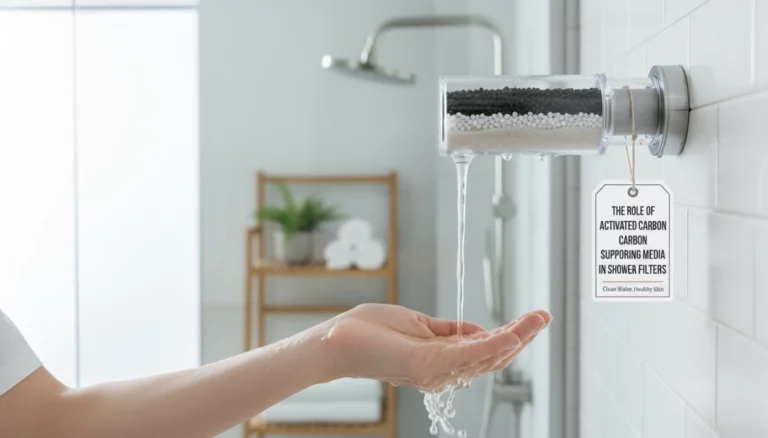
While KDF 55 is a powerhouse on its own, we often engineer it to work alongside Granular Activated Carbon (GAC) for a comprehensive filtration experience. Think of this combination as a relay team where each media plays to its specific strengths. While carbon is excellent at polishing water and removing organic contaminants, it has weaknesses—specifically when facing hot water and high chlorine loads. By placing KDF 55 upstream, we solve these inherent limitations.
The Bodyguard Effect: Protecting the Carbon
In a dual-stage system, KDF 55 acts as the first line of defense. We position the copper-zinc alloy before the carbon stage to neutralize the bulk of the chlorine and heavy metals through the Redox reaction. This is crucial because chlorine can rapidly degrade activated carbon, turning it into a mushy, ineffective mess.
By handling the heavy chemical load first, the KDF media protects the carbon, allowing it to focus on what it does best: removing organic compounds, odors, and “polishing” the water for that fresh feel. This synergy ensures that the KDF 55 vs Activated Carbon debate isn’t about choosing one over the other, but understanding how they work better together.
Extending Filter Cartridge Lifespan
One of the biggest pain points for US consumers is the frequency of filter replacements. When carbon is exposed to hot, chlorinated water without protection, its pores clog quickly. By utilizing the Kinetic Degradation Fluxion process as a pre-treatment, we significantly reduce the burden on the carbon media.
- Chlorine Reduction: KDF removes up to 99% of free chlorine before it hits the carbon.
- Bacteriostatic Properties: KDF inhibits bacteria growth within the filter, preventing the “bio-fouling” that often ruins standard carbon filters.
- Longevity: This protection mechanism can extend the effective life of the carbon stage by up to 15 times compared to a standalone carbon filter.
Tackling Scale Buildup on Nozzles
Beyond chemical filtration, KDF 55 offers a physical benefit that homeowners love: scale control in shower heads. Hard water minerals like calcium and magnesium tend to crystallize and form hard scale deposits that clog nozzles and reduce water pressure.
The electrochemical field created by the KDF media modifies the crystal structure of these minerals. Instead of forming hard calcite that sticks to surfaces, they are converted into a softer form (aragonite) that remains suspended in the water and flows freely through the system. This means less scrubbing of the showerhead and consistent high-pressure performance throughout the filter’s life.
Driplife’s Manufacturing and Quality Standards
Sourcing High-Purity Copper-Zinc Alloys
At Driplife, we understand that the effectiveness of the Kinetic Degradation Fluxion process relies entirely on the purity of the media. We don’t cut corners with low-grade scrap metals. We source premium, high-purity copper-zinc alloy media specifically engineered for water filtration. Our sourcing protocols ensure a strict 50/50 ratio of copper to zinc, which is critical for generating the electrochemical potential needed to neutralize contaminants. If the alloy isn’t pure, the Redox reaction in water filtration simply won’t happen efficiently, leaving chlorine untouched.
Lab Testing for Flow and Efficiency
We know that in the US market, water pressure is a dealbreaker. A filter that cleans well but trickles water won’t last a week in an American household. Our internal labs rigorously test every batch for shower filter flow rate capacity to ensure our units maintain high pressure even while processing heavy sediment.
Our testing protocols focus on:
- Free chlorine removal efficiency: Verifying up to 99% reduction even at high temperatures.
- Pressure Drop Analysis: Ensuring the granular structure allows water to pass through freely without clogging.
- Longevity: Stress-testing the media to validate the filter media lifespan extension claims we make to our partners.
Custom OEM/ODM Solutions for Brands
As a dedicated OEM shower filter manufacturer, we provide more than just off-the-shelf products. We work directly with brands to engineer custom filtration solutions that meet specific market demands, whether that involves tweaking the KDF ratio or combining media for specialized heavy metal reduction. Our engineering expertise isn’t limited to showers; the same rigorous quality control standards we apply here are utilized in our faucet tap water filter production lines. We help brands build trust by delivering consistent, scientifically backed filtration performance that meets NSF/ANSI Standard 42 compliance requirements.
FAQs About KDF 55 Shower Filters
Is KDF 55 safe for sensitive skin?
Yes, KDF 55 is specifically engineered to be safe and beneficial for sensitive skin types. The primary function of this copper-zinc alloy media is to neutralize free chlorine and water-soluble heavy metals, which are common irritants that strip natural oils from the skin and hair. By utilizing the Kinetic Degradation Fluxion process, we convert harmful contaminants into harmless components without adding chemicals to the water stream. This results in a gentler wash that helps maintain proper skin pH and reduces the risk of dryness or exacerbating conditions like eczema. Installing a filtered shower head with KDF technology is a proactive step toward protecting your skin barrier.
How long does KDF media actually last?
One of the main advantages of KDF 55 over traditional media is its longevity. Under typical household conditions, a cartridge generally remains effective for 6 to 12 months, or approximately 12,000 liters of water usage. The exact lifespan varies based on your local water quality and the number of people in your home. Because KDF possesses bacteriostatic properties, it inhibits the growth of bacteria, algae, and fungi inside the filter, preventing the premature fouling that often plagues standard carbon-only filters.
Can KDF 55 handle extremely hot water?
Absolutely. Unlike activated carbon, which can become ineffective or even release trapped contaminants when exposed to high heat, KDF 55 excels in hot water environments. The electrochemical oxidation reduction (Redox) reaction actually becomes more efficient as water temperature rises. This thermodynamic stability makes KDF the gold standard for shower filtration, ensuring that your protection against chlorine and heavy metals remains consistent even during high-temperature, high-pressure showers. To understand more about the effectiveness of these systems, you can explore do shower head filters work to see how they handle different thermal conditions.