















Understanding Sediment and Rust in Tap Water
What Is Sediment in Household Water?
When I talk about “sediment” in tap water, I mean the tiny solid particles that ride along with your water flow, such as:
- Sand and silt from aging water mains or wells
- Pipe scale and mineral flakes from old plumbing
- Organic debris stirred up by line breaks or hydrant flushing
In short, sediment is any suspended solid that makes water look dirty, hazy, or gritty. It’s the first thing I target before I even think about advanced UF filtration for rust removal.
How Rust Forms and Reaches Your Glass
Rust in tap water is mostly iron that has oxidized on the inside of metal pipes and fixtures. Here’s what usually happens:
- Municipal pipe corrosion creates loose rust flakes
- Water flow breaks those flakes off the pipe wall
- Those rust particles travel through your plumbing and out of the faucet
This is classic secondary water pollution from pipes: the water may leave the treatment plant clean, but picks up rust and sediment on the way to your home.
Particulate Rust vs. Dissolved Iron
I always separate rust issues into two types because the filtration strategy is different:
| Type | What It Is | How It Looks | How It’s Removed |
|---|---|---|---|
| Particulate rust | Visible iron/rust flakes and fine particles | Orange specks, brown haze | Physical barrier water filtration (UF, sediment filters) |
| Dissolved iron (Fe²⁺) | Iron ions dissolved in water | Often clear until oxidized | Needs chemical treatment or specialized media |
- Particulate iron filtration is where UF filtration for rust removal shines.
- Dissolved iron often requires more than just a standard turbidity reduction filter.
Why Sediment and Rust Matter
I take sediment and rust seriously because they affect more than just appearance:
- Health perception and taste: Cloudy water, metallic taste, and orange tint reduce trust in tap water, even if levels meet standards.
- Appliance protection: Heaters, washing machines, and faucets clog and scale faster when sediment and rust load is high.
- Pipe residue reduction: Sediment buildup narrows pipes over time and can trigger more corrosion.
- Water clarity improvement at home: Clear water at the faucet is the baseline for any modern household system.
For me, effective UF sediment rust removal is about three things at once: protecting your plumbing, protecting your appliances, and delivering water that actually looks clean in the glass.
How UF Filtration Works for Sediment and Rust
Ultrafiltration (UF) uses a tight physical barrier, not chemicals, to clean up tap water. In my UF systems, we use a hollow fiber membrane with pores around 0.01 micron. That’s small enough to block most suspended solids, rust flakes, and fine particulate iron that make water look cloudy, while still letting natural minerals pass through.
Think of UF as a precision sieve for cloudy water. As water moves across the UF membrane, larger particles like sediment, rust, and pipe residue get trapped on the surface, while clean water flows through the tiny pores. This is why UF filtration for rust removal works so well as a turbidity reduction filter and for suspended solids removal in tap water.
In point of entry UF filtration, we design systems with either outside-in or inside-out flow:
- Outside-in: water flows from the outside of each fiber to the inside, trapping sediment on the outer surface for easier flushing.
- Inside-out: water flows from the fiber core outward, useful when space or pressure conditions are tighter.
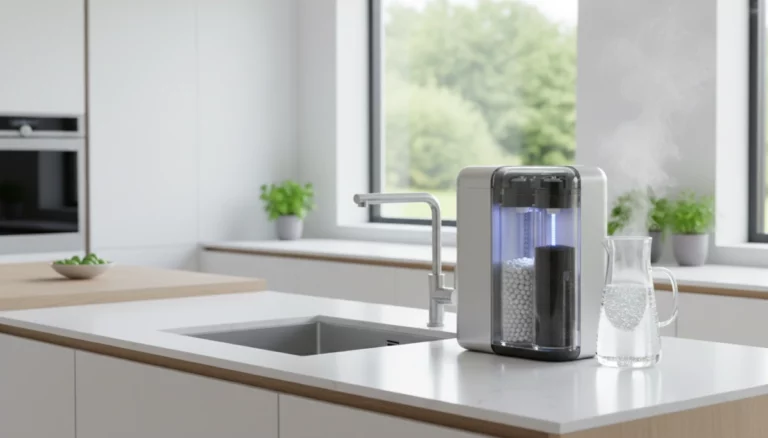
Either way, the concept is the same: a physical barrier water filtration step with no added chemicals and no electricity. For many homes, pairing a non electric ultrafiltration system with a compact under-sink setup, like a countertop water filter system, gives a strong combo of pipe residue reduction, clarity improvement at the faucet, and low ongoing maintenance.
UF Filtration Role in Reducing Sediment and Rust
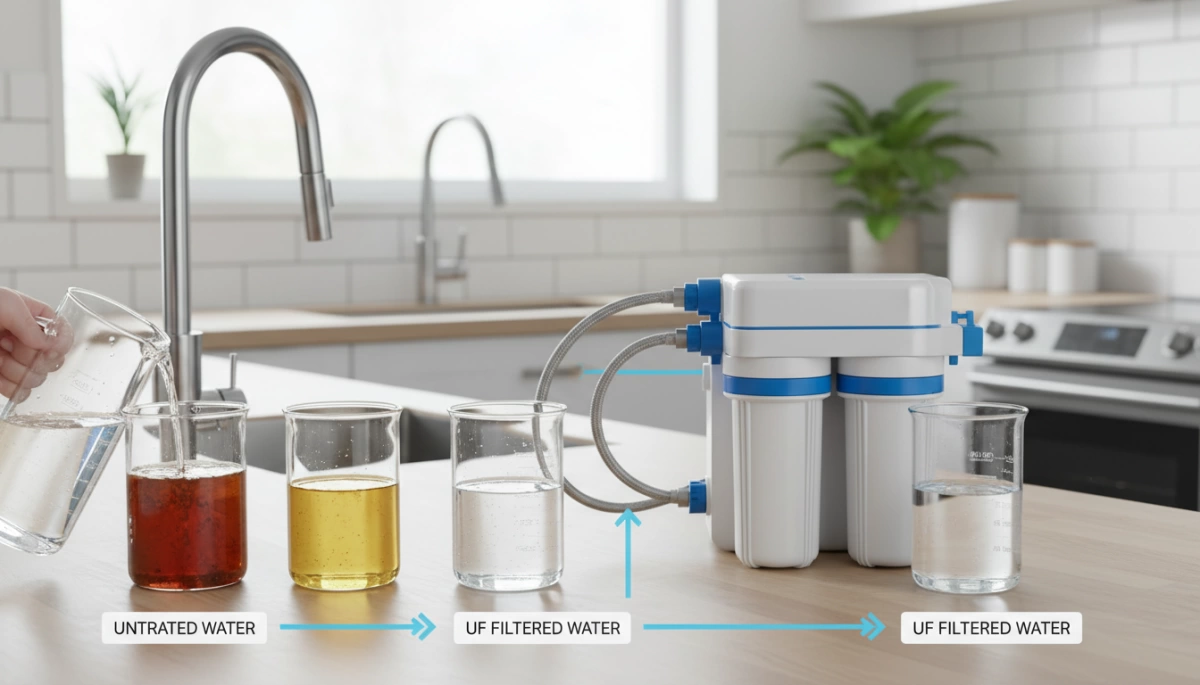
When I use UF filtration for rust removal at home, the first thing I notice is turbidity dropping fast. A 0.01 micron UF membrane acts like a tight physical barrier water filtration stage, stripping out suspended solids and cutting that cloudy, yellowish look from tap water. This kind of ultrafiltration for cloudy water gives a clear, bright appearance at the faucet, which is exactly what most U.S. households want to see.
UF is especially strong at trapping rust flakes and fine particulate iron. Those tiny pieces from municipal pipe corrosion and old house plumbing get locked on the outside of the hollow fiber membrane, so they never reach your glass. That UF sediment rust removal stops pipe residue from building up in heaters, washing machines, and fixtures, which helps reduce maintenance calls and protects your appliance warranties.
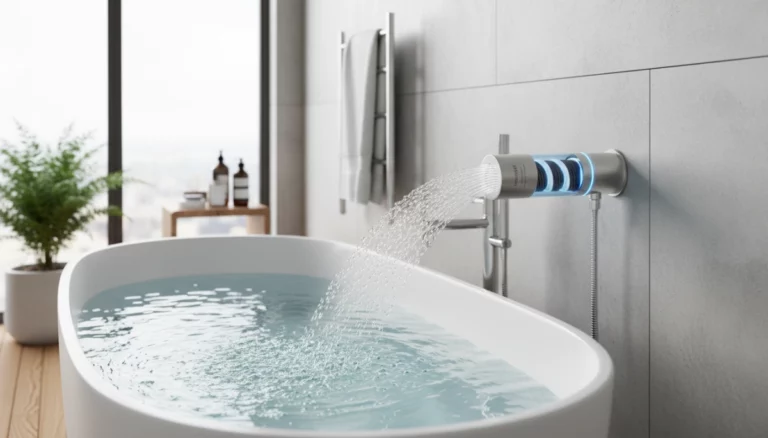
As a point of entry UF filtration setup, I like to position UF as a sediment protection layer for the whole house and as a pre filtration step for systems like RO. When UF handles the heavy work of pipe residue reduction and rust flake removal, downstream filters (like activated carbon or RO membranes) last longer and stay more efficient. If you’re also targeting complex contaminants like PFAS, pairing UF with a system designed for PFAS reduction in drinking water is a powerful combo for clean water output at every faucet.
UF vs Standard Sediment Filters
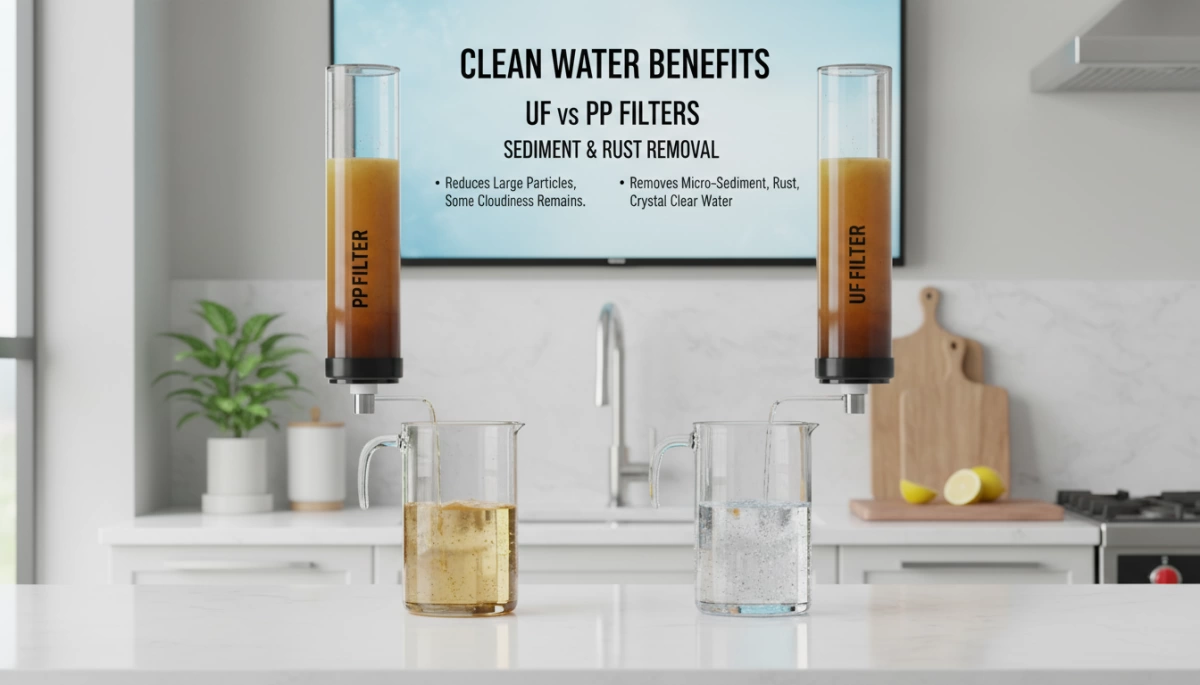
When I look at UF filtration vs standard PP sediment filters for tap water rust filtration, the difference usually comes down to how small the particles are.
Micron rating comparison: PP vs 0.01 micron UF
- A typical PP sediment filter is rated around 1–5 microns.
- A hollow fiber 0.01 micron UF membrane is much tighter, so it blocks far smaller suspended solids.
- For uf sediment rust removal, this tighter physical barrier means better suspended solids removal in tap water and more reliable turbidity reduction.
What UF catches that PP filters miss
Standard PP filters grab sand, silt, and large rust flakes, but they often let very fine particulate iron and cloudiness pass through. A 0.01 micron UF membrane:
- Traps fine rust particles that cause yellow or brown tint
- Reduces “haze” from very small suspended solids
- Improves overall water clarity at the faucet, especially when paired with a quality kitchen faucet with filtration features
When it makes sense to upgrade from PP to UF
I usually recommend moving from PP to UF filtration for rust removal if:
- You see cloudy water or light discoloration even after a PP filter
- Your home has older municipal pipe corrosion rust issues
- You want better household pipe particle filtration at the point of entry, not just at one faucet
Cost, performance, and maintenance trade‑offs
- UF systems cost more up front than basic PP filters, but they deliver stronger clarity improvement and more stable performance in rusty water areas.
- PP cartridges are cheaper but need frequent swaps and don’t handle fine particulate rust as well.
- A non electric ultrafiltration system with simple backwashing or flushing can cut long‑term maintenance, especially in homes with high sediment and pipe residue.
Driplife UF Filtration Advantages
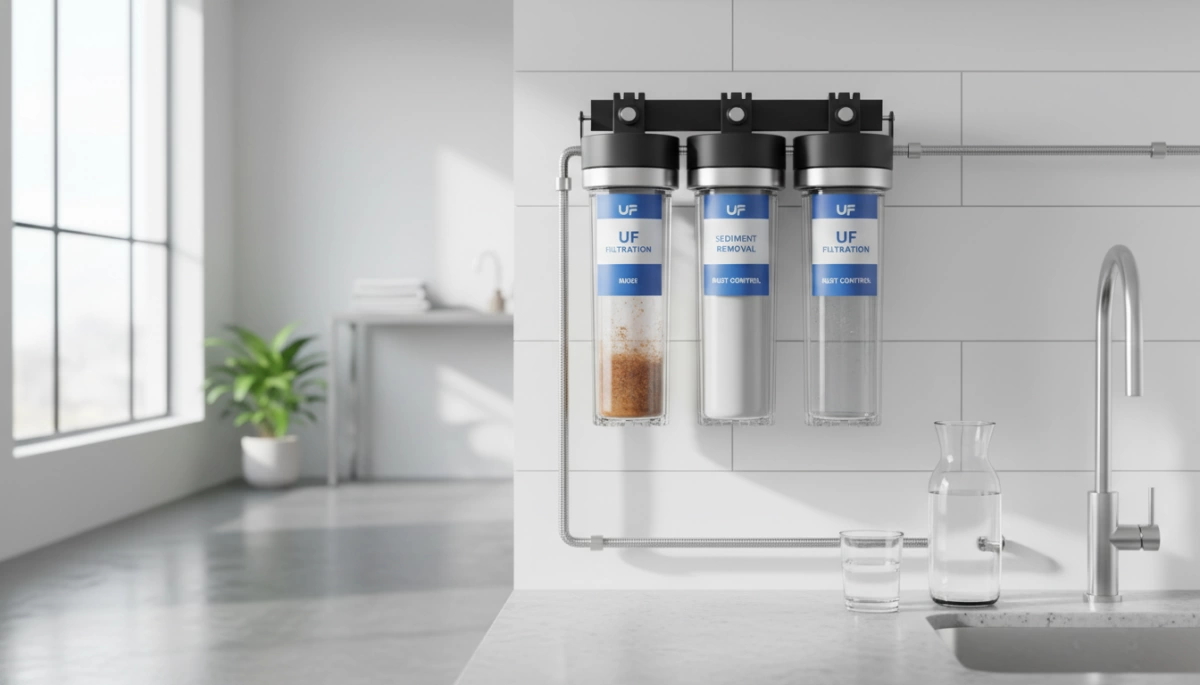
When I design UF filtration for rust removal, I build around real-world U.S. tap water problems: high sediment loads, aging municipal pipes, and homeowners who want non-electric, low-maintenance systems.
Membrane materials and build quality
Driplife hollow fiber membrane technology uses tight 0.01 micron UF membranes that handle heavy sediment and rust without breaking down fast.
- I use hydrophilic membrane material for UF so water wets the fibers easily, improving suspended solids removal in tap water.
- The housings and connectors are reinforced for high-flow, point of entry UF filtration where sediment spikes are common.
- Each 0.01 micron UF membrane is tested for turbidity reduction and particulate iron filtration, so you actually see water clarity improvement at home.
Design for rust capture and stable flow
To make UF filtration for rust removal work day-to-day, I focus on keeping flow steady while trapping pipe residue.
- The outside-in flow layout packs more surface area so rust flakes, sand, and fine particles get trapped on the outer wall instead of clogging deep inside.
- Channel design and port sizing keep pressure drop low, so showers, bathroom faucets, and fixtures stay usable even when the UF membrane is catching lots of sediment.
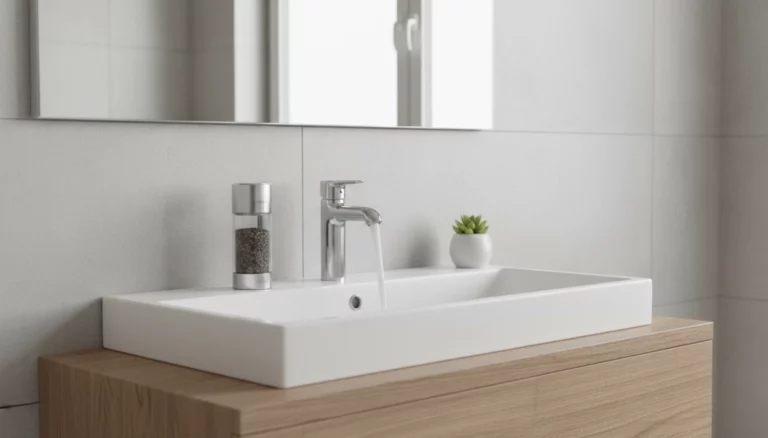
- In high-rust homes, pairing a UF unit with a bathroom faucet water filter like our Driplife bathroom faucet filter systems helps polish water right at the tap.
OEM and ODM support for partners
As a China water filter manufacturer and supplier, I build Driplife UF systems to be flexible for OEM and ODM projects.
- Custom micron rating combinations (PP + UF), port sizes, and housing colors support brand differentiation.
- I offer private-label options for tap water rust filtration, pipe residue reduction, and whole-home clarity improvement faucet filter product lines.
- Engineering support covers system layout, flow testing, and documentation so distributors and installers can plug UF into their existing product ranges quickly.
Eco-friendly, non-electric UF sediment control
Driplife UF filtration role in reducing sediment and rust is built around simple, physical barrier water filtration.
- Systems run as a non electric ultrafiltration system—no power, no chemical dosing, just pressure from the main line.
- A backwashing UF system option lets homeowners flush trapped rust and sediment, cutting filter waste and extending membrane life.
- For U.S. homeowners who want eco-friendly uf membrane sediment control with clean water output at the faucet, this is a straightforward, low-cost way to protect plumbing and fixtures without adding complexity.
Maintenance for High-Sediment Water with UF Filtration
Keeping a UF filtration system running in high-sediment, rusty water areas comes down to smart pre-filtration, simple flushing, and knowing when the membrane is done.
When to Add a Pre-Filter Before UF
If your tap water has heavy grit, rust flakes, or you see orange/brown streaks in sinks and toilets, you should add a sediment pre-filter before the UF system. A basic PP cartridge (5–20 micron) in front of the 0.01 micron UF membrane will:
- Catch big sand, silt, and rust chunks before they hit the hollow fiber membrane
- Cut membrane fouling from high sediment load
- Keep flow rate stable and extend UF membrane life
In older U.S. homes with galvanized or aging municipal lines, a pre-filter plus UF is one of the most reliable setups for tap water rust filtration and pipe residue reduction.
Simple Flushing Routines for UF Membranes
For non electric ultrafiltration systems, flushing is your main maintenance tool. On a backwashing UF system, I recommend:
- Quick flush: 1–2 minutes of backwash weekly in normal city water
- Heavy-sediment flush: 2–5 minutes after major main breaks, hydrant flushing, or visible tap water cloudiness
- Post-plumbing work: Always flush after any pipe repair that stirs up rust and sediment
If you’re already using carbon filtration for taste and odor control, like the systems discussed in this guide to what carbon filters remove from water, run the UF backwash before the carbon stage so you’re not pushing trapped sediment downstream.
Signs Your UF Membrane Is Clogged or At End of Life
You’ll usually see a few clear signs when UF sediment rust removal is starting to fail:
- Noticeable drop in water pressure at faucets served by the point of entry UF filtration
- Water stays slightly cloudy even after flushing (turbidity reduction is weaker than before)
- Rust specks or fine particulate iron reappearing in clear glasses
- Backwashing brings only a small burst of dirty water, then nothing changes in performance
If flushing doesn’t restore clarity and flow, the membrane is likely at end of life and should be replaced.
Keeping UF Performance Stable in Rusty Water Areas
To keep clarity improvement at every faucet and protect appliances long term, I focus on a few simple rules:
- Always pair UF with the right pre filtration for high sediment water (5–20 micron ahead of 0.01 micron UF)
- Stick to a regular backwash schedule and log any big drops in flow or water clarity
- Place the UF close to the main line so it catches municipal pipe corrosion rust and secondary water pollution from pipes before it spreads through the house
- Inspect housings and O-rings whenever you service filters so leaks don’t pull in unfiltered water around the membrane
Handled this way, a UF membrane becomes a stable, low-maintenance physical barrier water filtration step that quietly handles suspended solids removal in tap water, rust flake removal from plumbing, and long-term sediment protection for the whole home.