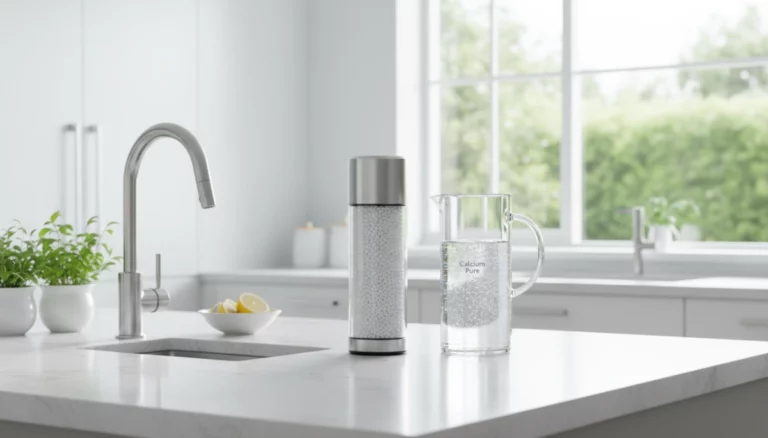


















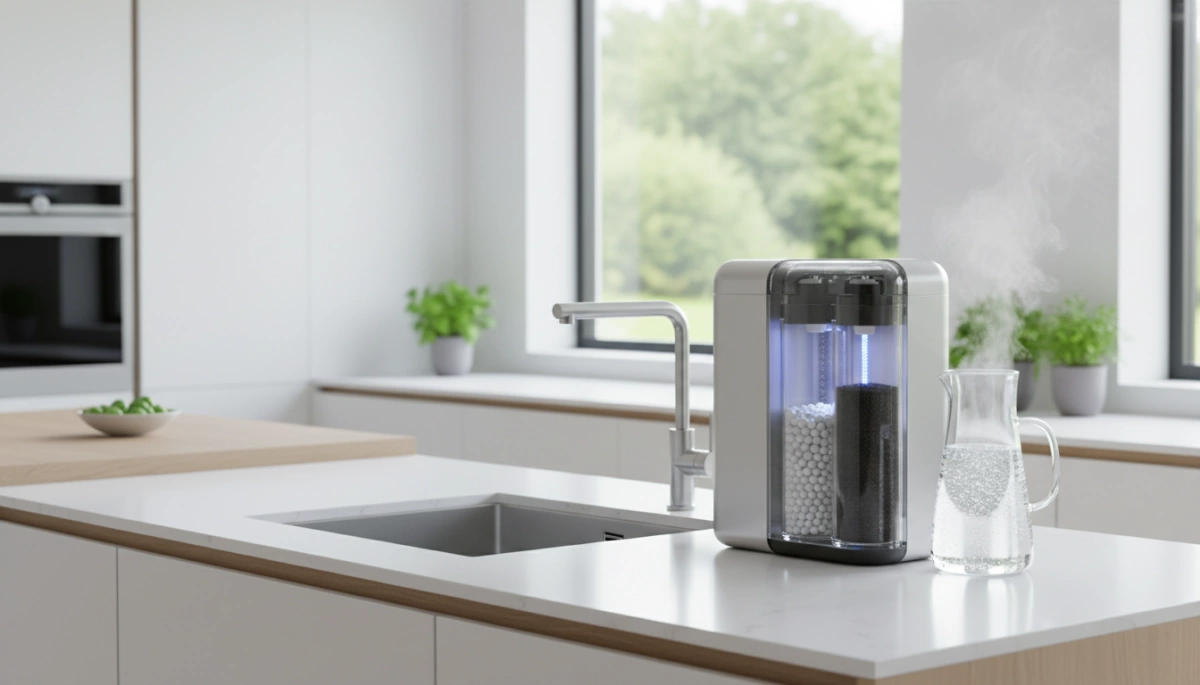
Why Standard RO Water Falls Short
Reverse Osmosis (RO) is the gold standard for purity, but it often does its job too well. By filtering down to 0.0001 microns, standard systems strip away everything—including the beneficial minerals your body needs. When we remove 99% of contaminants like lead and arsenic, we also lose the natural “good stuff” that gives water its character and health value.
The Problem with “Dead” Water
Standard RO systems produce high-purity water that lacks substance. Without a remineralizing water filter, you are often left with what experts call “dead” or aggressive water.
- Mineral Depletion: Essential electrolytes like calcium, magnesium, and potassium are completely removed during the membrane stage.
- Acidic pH Levels: Stripped of minerals, RO water typically becomes acidic, often dropping below a neutral 7.0 pH.
- Flat, Metallic Taste: Many of our customers notice that pure RO water tastes “flat” or has a slight metallic tang because it lacks the natural alkalinity found in mountain springs.
Concerns Beyond Just Hydration
Drinking demineralized water isn’t just about taste; it affects your home infrastructure. Because pure RO water is mineral-hungry, it becomes “aggressive.”
- Pipe Leaching: Acidic water is naturally corrosive. Without a post-filtration remineralization step to balance the pH, the water can potentially leach metals from copper pipes or brass fittings.
- Hydration Efficiency: Water without minerals may not be as effective for cellular hydration.
I’ve seen many homeowners invest in filtration only to realize their water feels “empty.” That is exactly why we focus on systems that don’t just stop at purification but move forward into restoration. Adding an alkaline RO water filter stage ensures you get the safety of 99% contaminant removal without sacrificing the vital minerals that make water healthy and refreshing.
Key Benefits of a Remineralizing Water Filter
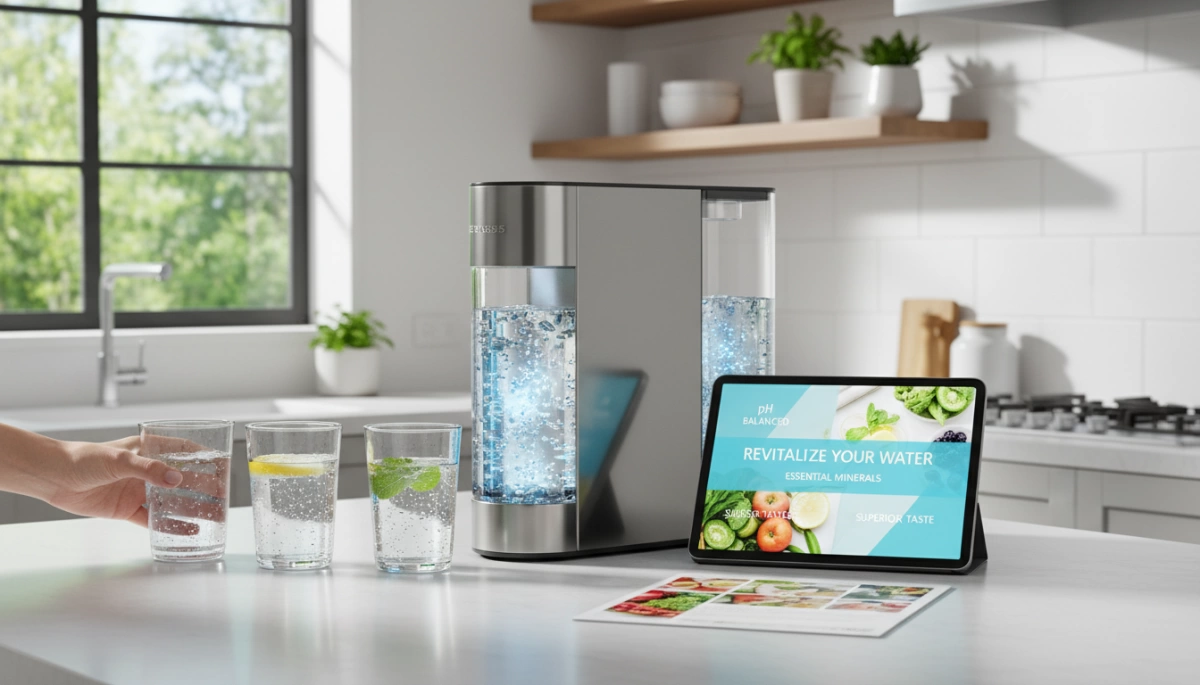
Standard reverse osmosis is great for purity, but it often leaves water tasting flat and slightly acidic. Our remineralizing water filter technology solves this by reintroducing the good stuff that purification strips away. By adding essential minerals back to the water, we transform “dead” water into a crisp, refreshing beverage that tastes like it came from a natural spring.
Restoring Natural Flavor and pH Balance
The primary reason our customers switch to an alkaline RO water filter is the taste. Pure RO water can have a metallic or “empty” profile. Adding a mineral cartridge for RO creates pH balanced drinking water—typically between 7.5 and 9.0—which provides a much smoother mouthfeel.
- Better Hydration: Alkaline water is often easier for the body to absorb.
- Enhanced Cooking: Mineral-rich water improves the flavor of coffee, tea, and home-cooked meals.
- Mineral Intake: You get a steady boost of calcium, magnesium, and potassium with every glass.
Protecting Your Health and Home
Many people don’t realize that highly purified, acidic water is “aggressive.” It wants to bind to minerals, which means it can actually leach metals from your home’s copper pipes. A calcium magnesium water filter stabilizes the water, making it non-corrosive. This protects your plumbing and ensures your water filter for apartment or home stays efficient for years.
| Feature | Standard RO Water | Remineralized Alkaline Water |
|---|---|---|
| pH Level | 5.0 – 6.5 (Acidic) | 7.5 – 9.0 (Alkaline) |
| Taste Profile | Flat / Metallic | Crisp / Refreshing |
| Mineral Content | Near Zero | Calcium, Magnesium, Potassium |
| Pipe Impact | Potentially Corrosive | Non-corrosive / Stable |
Whether you are looking for a standalone solution or an under-sink reverse osmosis filtration system, adding minerals back to water is the best way to balance purity with performance. It turns your tap into a source of high-quality, mineral-rich hydration that supports a healthier lifestyle.
How a Remineralizing Water Filter Works
We design our systems to treat water in stages, ensuring that purity doesn’t come at the cost of health. After the Reverse Osmosis membrane strips away 99% of contaminants at a 0.0001-micron level, the water passes through a specialized post-RO mineral filter. This stage uses active mineral technology, involving natural media like calcite and maifan stones to mimic the way water picks up minerals in nature.
The Mineral Restoration Process
Our systems typically use an inline remineralization cartridge or an integrated 6-stage setup to reintroduce essential electrolytes. This process slightly increases the TDS (Total Dissolved Solids) to ensure the water is no longer “aggressive” or acidic. By utilizing a high-quality calcium water filter stage, we transform flat, demineralized water into refreshing, alkaline hydration.
| Feature | Technical Specification |
|---|---|
| Active Media | Calcite and Maifan Stones |
| Minerals Added | Calcium, Magnesium, Potassium |
| Filtration Accuracy | 0.0001 Micron (Pre-Remineralization) |
| System Format | Inline Cartridge or 6-Stage Integrated |
Technical Highlights of Mineral Stages
- Mineral Delivery: The water flows over the mineral media, slowly dissolving precise amounts of calcium, magnesium, and potassium back into the stream.
- pH Stabilization: This stage is essential for pH balanced drinking water, raising the levels from acidic to a healthy alkaline range.
- Taste Improvement: By adding these minerals, we eliminate the metallic or “empty” taste often associated with standard RO systems, providing a crisp flavor profile similar to premium bottled spring water.
- Inline vs. Integrated: We offer both standalone inline cartridges for existing systems and fully integrated multi-stage units for those wanting a seamless, all-in-one solution.
Types of Remineralizing Water Filters
When you’re looking to upgrade your home hydration, you’ll find several ways to integrate a remineralizing water filter into your setup. We design our systems to cater to different space requirements and existing plumbing configurations, ensuring everyone has access to alkaline drinking water.
Built-in 6-Stage and 7-Stage RO Systems
The most effective way to ensure consistent mineral quality is through an integrated system. Our multi-stage units don’t just stop at purification; they include a dedicated post-filtration remineralization stage.
- 6-Stage Systems: These typically include the standard five stages of reverse osmosis followed by a mineral cartridge that reintroduces calcium and magnesium.
- 7-Stage Systems: These often add an extra layer of filtration or a specialized alkaline media to further increase water pH and improve the antioxidant properties of the water.
Standalone Inline Mineral Cartridges
If you already have a functional Reverse Osmosis system but aren’t happy with the “flat” taste, you don’t need to replace the whole unit. A standalone inline remineralization cartridge can be spliced into your existing output line. This is a cost-effective way to add minerals back to water without a major overhaul. It’s a simple DIY addition that transforms standard RO water into mineral-rich refreshment.
Tankless vs. Traditional Tank Designs
The delivery method of your remineralizing water filter impacts both flow rate and kitchen space:
- Traditional Tank Systems: These use a pressurized tank to store water, ensuring a steady stream. The remineralization usually happens as the water leaves the tank on its way to your faucet.
- Tankless RO Systems: These are the modern gold standard. They use high-capacity membranes (like our 600 GPD units) to filter water on demand. Because the water doesn’t sit in a tank, it stays fresher, and the magnesium filter works in real-time as you pour.
Under-Sink vs. Countertop Options
For the majority of American households, an under-sink remineralizing water filter is the preferred choice because it keeps the equipment out of sight and connects directly to a lead-free designer faucet. However, for renters or those with limited cabinet space, countertop RO units offer a portable way to achieve pH balanced drinking water without drilling into countertops. Understanding the purified water vs. filtered water distinction is key here; while countertop pitchers only “filter” out basics, our RO systems “purify” and then “remineralize” for a completely different level of quality.
Top Features to Look for in a Remineralizing Water Filter
When you are upgrading to a remineralizing water filter, you shouldn’t have to choose between purity and performance. We focus on specific high-end features that ensure your water is not only safe but also tastes like premium bottled water right from the tap.
High Flow Rates and Efficient Waste Ratios
In the U.S. market, nobody wants to wait five minutes to fill a coffee pot. We prioritize systems with a high GPD (Gallons Per Day) capacity. Whether you choose a 75 GPD or a 100 GPD system, the goal is consistent pressure. Additionally, look for a low waste-to-pure water ratio to ensure your system isn’t sending unnecessary amounts of water down the drain during the filtration process.
Smart Monitoring and Filter Life Indicators
Modern alkaline drinking water systems should be “set it and forget it.” We incorporate smart monitoring features like TDS monitoring faucets and filter life indicators. This tech takes the guesswork out of maintenance by showing you exactly when your mineral cartridge needs a swap, ensuring you never miss a day of high-quality hydration.
| Feature | What to Look For | Why It Matters |
|---|---|---|
| Filtration Accuracy | 0.0001 Micron | Removes 99% of lead, chlorine, and fluoride. |
| Mineral Stage | Active Calcium/Magnesium | Restores pH balance and improves flavor. |
| Connectors | Quick-Connect Fittings | Prevents leaks and simplifies the setup process. |
| Faucet | Lead-Free Designer Faucet | Ensures no contaminants are added at the final stage. |
Effortless DIY Maintenance and Installation
We know our customers value their time. We’ve designed our systems with color-coded tubing and quick-connect fittings to make the initial setup a breeze. If you are curious about the process, understanding how to install an under-sink water filter will show you just how straightforward we’ve made it. Maintenance is just as simple with “twist-and-pull” filter designs that allow you to change a magnesium filter or RO membrane in seconds without needing a plumber.
Material Safety and Quality Standards
A remineralizing water filter is only as good as the materials it’s built from. We use food-grade storage tanks and NSF/ANSI certified components to ensure your water remains pristine. Every part of the path—from the sediment stage to the final post-filtration remineralization—is constructed with lead-free material quality. This commitment to safety ensures that as you benefit from faucet filtration systems, you are getting the cleanest, most mineral-rich water possible.
- 0.0001 Micron RO Membrane: The gold standard for removing dissolved solids.
- Alkaline Balance: Specifically targets a pH increase to 7.5-9.0.
- Leak Protection: Integrated shut-off valves to protect your cabinetry.
- Compact Footprint: Fits under standard American kitchen sinks without sacrificing storage space.
DripLife Tankless RO: High-Flow Remineralizing Water Filter
We designed our tankless RO systems to provide more than just purity; we built them to deliver high-performance hydration. By utilizing a 7-stage tankless design, these units strip away 99% of contaminants while immediately feeding the water through an advanced remineralizing water filter stage. This ensures you get crisp, alkaline water without the wait or the bulky storage tank.
Our systems are built for the modern American kitchen, prioritizing space-saving designs and high-speed output. We’ve integrated a 600 GPD flow rate, meaning you can fill a glass in seconds rather than minutes. Because these systems are tankless, the water is filtered on demand, staying fresh and oxygenated. Our systems provide the significant benefits of reverse osmosis water for home while ensuring your family gets the mineral-rich hydration they deserve through active mineral technology.
DripLife 7-Stage vs. Standard 5-Stage Systems
| Feature | DripLife 7-Stage Tankless | Standard 5-Stage RO |
|---|---|---|
| Filtration Stages | 7-Stage (Includes Minerals) | 5-Stage (Purity Only) |
| Flow Rate | 600 GPD (Fast Fill) | 50-100 GPD (Slow) |
| Water Quality | Alkaline & Mineral-Rich | Acidic & “Flat” |
| Smart Tech | Real-time TDS Smart Faucet | None |
| Space Required | Compact (No Tank) | Large (Requires 3.2G Tank) |
Smart Monitoring & Maintenance
Our tankless RO system with remineralization features a smart faucet that acts as a window into your water quality. You don’t have to guess when to change your filters; the TDS display and filter life indicators tell you exactly what is happening in real-time.
- 7-Stage RO Filtration: Includes sediment, carbon blocks, a 0.0001-micron membrane, and the final alkaline mineral stage.
- Essential Minerals in Water: Restores Calcium, Magnesium, and Potassium for a natural, refreshing taste.
- High Flow Performance: Eliminates the need for a pressurized tank, reducing the risk of secondary pollution.
- Easy Maintenance: Twist-and-pull filter replacements take less than three seconds to complete.
DIY Installation and Maintenance Guide
Setting up a remineralizing water filter in your home doesn’t require a professional plumber. I’ve streamlined the system for a straightforward DIY experience that most homeowners can handle in under an hour. By using color-coded tubing and quick-connect fittings, you can easily integrate the system into your kitchen. Understanding the difference between RO and UF filtration is helpful when identifying the specific stages of your setup, particularly the final alkaline stage.
Step-by-Step Under-Sink Setup
- Mount the Manifold: Secure the main unit to the side of your cabinet to keep your under-sink area organized.
- Water Connection: Use the included adapter to tap into your cold water line without needing to solder or cut pipes.
- Drain Line: Attach the waste water line to your sink’s drain pipe using the provided drain saddle.
- Faucet Install: Connect the mineral cartridge directly to the dedicated lead-free faucet to ensure you add minerals back to water at the very last moment.
Quick-Twist Maintenance
Maintenance shouldn’t be a chore. Our systems feature a quick-twist filter replacement design that eliminates the need for heavy wrenches or messy cleanup. A simple quarter-turn releases the exhausted cartridge, and the new one clicks right into place. This ensures your post-filtration remineralization process remains effective for optimal taste and health.
Troubleshooting and Performance Monitoring
To verify that your system is working to increase water pH and provide alkaline drinking water, follow these monitoring tips:
- TDS Check: Use a TDS meter to compare the water before and after the mineral stage. A slightly higher reading at the faucet confirms the magnesium filter and calcium stages are active.
- Taste Consistency: If the water loses its “crisp” flavor or begins to taste flat, it is a clear indicator that the remineralization media is depleted.
- Pressure Watch: If you notice a slow flow at the faucet, check the pre-filters first, as the remineralizing stage rarely impacts flow rate unless it is long overdue for a change.
Comparing Popular Remineralizing Options
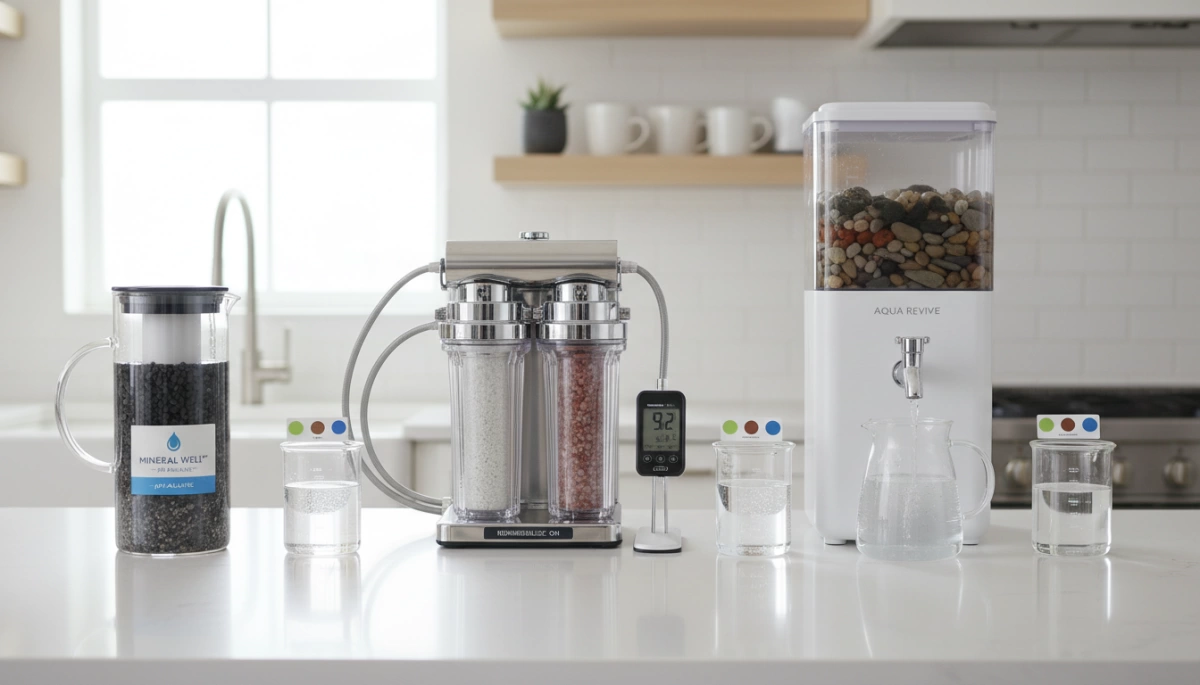
When choosing a remineralizing water filter, the market offers several well-known names like iSpring and Waterdrop. iSpring is widely recognized for its traditional multi-stage tank systems that provide reliable performance. Waterdrop, on the other hand, has popularized the compact, tankless design. While these brands offer effective filtration, our systems focus on the precise chemistry of alkaline RO water filter technology, ensuring the water is not just clean, but biologically optimized.
| Feature | iSpring / Waterdrop | DripLife Systems |
|---|---|---|
| Filtration Accuracy | 0.0001 Micron | 0.0001 Micron |
| Mineral Stages | Often single-mineral | 6-Stage (Ca, Mg, K) |
| pH Balance | Neutral to Slightly Alkaline | Optimized Alkaline Balance |
| Installation | Standard DIY | Quick-Connect DIY Friendly |
| Contaminant Removal | Up to 99% | 99% (Lead, Chlorine, Fluoride) |
Our systems stand out by utilizing a specialized 6-stage process that prioritizes mineral restoration. While some brands focus solely on removing impurities, we ensure that after the 0.0001-micron RO membrane strips everything away, a dedicated stage reintroduces essential calcium, magnesium, and potassium. This results in pH balanced drinking water that tastes crisp and natural, rather than flat or metallic.
Compared to standard 5-stage units, our 6-stage remineralizing water filter provides a more comprehensive approach to health. We use NSF/ANSI certified components and lead-free designer faucets to maintain the highest safety standards. Whether you are looking for a high-flow tankless model or a traditional setup, our focus remains on maximizing efficiency and delivering a refreshing, mineral-rich experience. This commitment to quality ensures our units perform as a top-tier reverse osmosis water filter by balancing extreme purity with essential nutrition.
Remineralizing Water Filter FAQs
Does remineralization affect the purity of RO water?
Not at all. The purification process and the remineralization process happen in distinct stages. Our systems use a 0.0001-micron RO membrane to strip away 99% of contaminants like lead, fluoride, and arsenic first. The remineralizing water filter acts as a final polish, adding “good” minerals back into the water only after it has been fully purified. You get the safety of high-tech filtration with the benefits of mineral-rich water.
Is alkaline water safe for long-term daily drinking?
Yes, it is. Standard reverse osmosis can sometimes produce water that is slightly acidic and flat-tasting. By using an alkaline RO water filter, we raise the pH to a more balanced level, typically between 7.5 and 9.0. This mimics the natural pH found in fresh spring water. It is perfectly safe for daily hydration and is often preferred by our customers for its refreshing, crisp taste.
Can I add a remineralizer to my existing RO unit?
Most standard systems are compatible with upgrades. If you already own a reverse osmosis water filter under sink, you can usually plumb in an inline mineral cartridge for RO between the storage tank and the faucet. This is a common way to transition from a basic 5-stage system to a high-performance 6-stage setup without replacing the entire unit.
What are the operating costs and material differences?
While a system with a remineralizing water filter has one extra cartridge to maintain, the cost difference is minimal—usually only a few extra dollars per year.
- Materials: We use high-quality calcite and maifan stones to naturally leach Calcium, Magnesium, and Potassium back into the stream.
- TDS Impact: You will notice a slight increase in Total Dissolved Solids (TDS). This is normal and expected; it reflects the presence of healthy minerals rather than pollutants.
- Efficiency: Our advanced 6-stage and 7-stage designs ensure that adding minerals does not slow down your flow rate or decrease the life of your RO membrane.