
















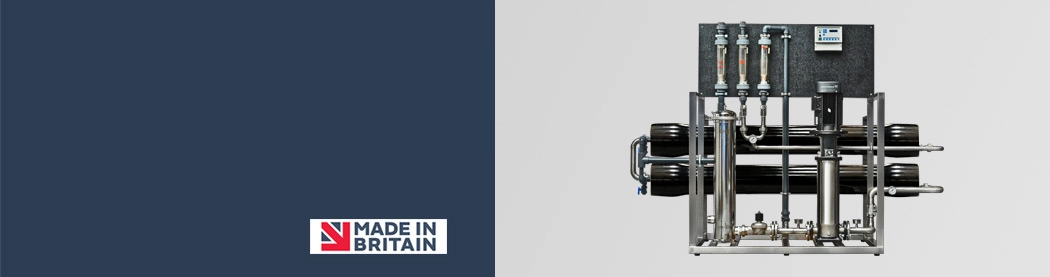
Are you tired of dealing with hard water, chlorine, or questionable tap water quality in your UK home? Choosing the best reverse osmosis water filter can transform your drinking water and elevate your household’s health. At driplife, we’ve helped countless UK families enjoy pure, great-tasting water with our top-tier reverse osmosis systems. With years of expertise in water filtration in the UK, we’re here to guide you through everything you need to know about RO water filters—from how they work to picking the perfect system for your home. Ready to dive into the world of clean, safe water? Let’s get started!
What is Reverse Osmosis Water Filtration UK
Reverse osmosis (RO) water filtration is a highly effective method to purify drinking water by removing a wide range of contaminants. The process works by pushing tap water through a semipermeable membrane that filters out impurities at the molecular level. This membrane allows only water molecules to pass through, blocking larger particles, pollutants, and dissolved solids.
How Reverse Osmosis Works
The RO system uses several stages of filtration, typically including a sediment filter, carbon filters, and the RO membrane itself. Here’s a simple breakdown:
- Sediment filter removes sand, dirt, rust, and other larger particles.
- Carbon filter cuts out chlorine, chloramine, and organic chemicals that affect taste and odor.
- RO membrane filters out heavy metals, fluoride, nitrates, pesticides, and microbes.
Key Contaminants Removed in UK Water
Water in the UK often contains several impurities due to varying water sources and treatment methods. RO water filters effectively target:
- Hard water minerals like calcium and magnesium, which cause limescale buildup
- Chlorine and chloramine added during disinfection
- Heavy metals such as lead, mercury, and arsenic sometimes found in older pipe systems
- Pesticides and herbicides from agricultural runoff
- Fluoride, which some households prefer to reduce in their drinking water
- Microorganisms including bacteria and viruses that can affect health
RO vs Other Water Filtration Systems UK
Compared to other filters commonly used in UK homes—like carbon filters or water softeners—reverse osmosis offers broader and deeper filtration:
| Feature | Reverse Osmosis | Carbon Filter | Water Softener |
|---|---|---|---|
| Removes Hard Minerals | Yes | No | Yes (but doesn’t purify water) |
| Removes Chlorine | Yes | Yes | No |
| Removes Heavy Metals | Yes | Limited | No |
| Removes Microorganisms | Yes | No | No |
| Improves Taste and Odor | Yes | Yes | No |
| Removes Fluoride | Yes | No | No |
Benefits and Limitations of Reverse Osmosis Systems UK
Benefits
- Superior purification – removes a wider range of contaminants than most other filters.
- Taste and health – improves water flavor and safety, ideal for sensitive households.
- Versatile use – suitable for drinking, cooking, and even aquariums or appliances.
- Peace of mind – reduces concerns over UK water quality issues like heavy metals and pesticides.
Limitations
- Water waste – standard RO systems waste some water during filtration (usually 3-4 gallons wasted per gallon produced).
- Slower filtration – produces purified water slower than simple filters.
- Mineral removal – removes beneficial minerals along with contaminants, which some people may want to replace.
- Cost and maintenance – requires regular filter and membrane changes, and a higher upfront investment than basic filters.
Overall, reverse osmosis water filters in the UK offer one of the most reliable solutions to address common local water quality challenges with clear health and taste benefits. Understanding these pros and cons helps homeowners decide if an RO system fits their needs better than other water filtration options available.
Why Consider a Reverse Osmosis Water Filter in the UK

UK Water Quality Challenges
The UK water supply faces several common issues that impact both taste and safety. Many areas deal with hard water, which means high levels of calcium and magnesium. This can leave scale build-up in your pipes and appliances and affect how water tastes. Additionally, the water is often treated with chlorine to kill bacteria, but this can leave an unpleasant chemical flavor.
There are also concerns about heavy metals like lead and copper from old plumbing systems, and traces of pesticides or agricultural run-off, especially in rural areas. While drinking water standards are tightly controlled in the UK, occasional contamination can still be a worry, especially if you’re sourcing water from private wells or older pipes.
Health and Taste Benefits of Purified Water
Using a reverse osmosis water filter in the UK means you get cleaner, better-tasting water free from most contaminants. RO systems can remove:
- Chlorine and chloramine
- Heavy metals such as lead and mercury
- Nitrates and pesticides
- Hardness minerals for softer water
This results in water that’s not only safer but also fresher and more enjoyable to drink or cook with, which can encourage better hydration and healthier daily habits. People sensitive to chlorine or metals often notice significant improvements in taste and overall well-being.
Environmental and Cost-Saving Advantages
Choosing an RO water filter helps you reduce dependence on bottled water, which is a big environmental win. The UK generates a lot of plastic waste from bottled water, and switching to a home filtration system cuts down on plastic pollution.
From a cost perspective, while the initial investment in an RO filter might seem high, the long-term savings are considerable compared to constantly buying bottled water. Plus, you save on the hassle and expenses of carrying and recycling plastic bottles.
a reverse osmosis water filter in the UK delivers cleaner, healthier water, improves taste, reduces plastic waste, and helps you save money in the long run.
driplife’s Range of Reverse Osmosis Water Filters UK
When it comes to reverse osmosis water filters in the UK, driplife offers a solid selection designed to meet various home needs, whether you want an under-sink unit, a countertop system, or even a whole house setup.
Product Variety for Every Home
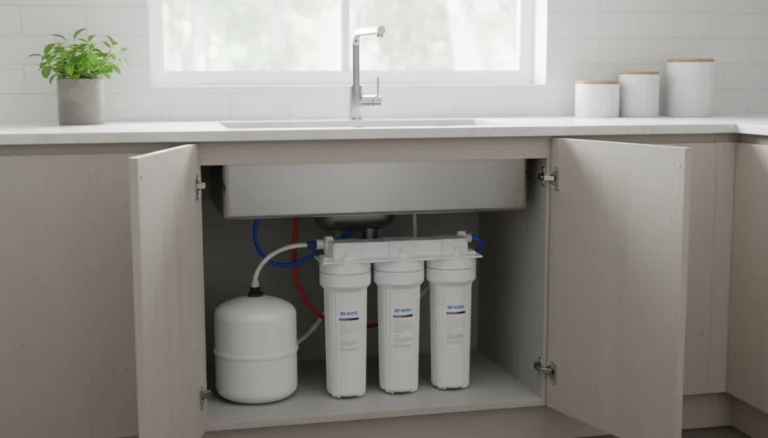
- Under-sink RO water filters UK: These are perfect if you want a discreet, space-saving solution. Installed right under your kitchen sink, they provide purified drinking water without taking up counter space.
- Countertop RO systems: Ideal for renters or those who prefer no-fuss installation. These portable filters still offer great filtration power and easy maintenance.
- Whole house reverse osmosis UK: For comprehensive water treatment, driplife’s whole house systems ensure clean water flowing from every tap, tackling contaminants throughout your home.
Features and UK Standards
driplife’s RO filters are built with quality in mind to handle the UK water supply challenges, including hard water minerals, chlorine, pesticides, and heavy metals. Their products come with certifications that meet UK and EU water safety standards, ensuring reliability and peace of mind.
Key features include:
- Multi-stage filtration, with easy-to-replace membranes
- High flow rates suitable for typical UK household water usage
- Compact designs with quiet operation
- Energy-efficient components to keep running costs low
Why Choose driplife
What sets driplife apart is not just their quality filter components, but also the strong focus on service:
- Professional installation support available across the UK, ensuring your RO system is set up correctly for optimal performance.
- Comprehensive warranty packages that cover parts and performance, providing reassurance with your investment.
- Ongoing customer care with straightforward filter replacement reminders and troubleshooting help.
For more on easy installation and maintaining your water system, check out driplife’s guide on how to install water filter faucet step by step.
With driplife, you’re not just buying a water filter; you’re investing in trusted British quality and expert support tailored to the UK’s specific water needs.
How to Choose the Right Reverse Osmosis Water Filter UK
Picking the best reverse osmosis system UK for your home means balancing several important factors. Here’s what to keep in mind to get the right fit for your needs.
Consider Your Budget and Water Usage
- Budget: RO water filter cost UK varies widely. Basic under sink RO water filter UK models start lower, while whole house reverse osmosis UK systems cost more upfront.
- Water usage: Think about how much purified water your household needs daily. If you have a large family or use filtered water for cooking and drinking, a system with higher flow rates is better.
Space and Installation Requirements
- Space available: Under sink RO water filters UK suit most kitchens with limited space. Countertop units need more room but can be moved easily. Whole house reverse osmosis UK systems require significant space and professional installation.
- Installation: Some models are DIY-friendly, while others may require professional RO water filter installation UK for best results.
Contaminant Concerns Specific to Your Water
- Water testing: Before buying, test your tap water to identify what contaminants you want filtered. In the UK, common issues include hard water minerals, chlorine, pesticides, and heavy metals.
- Filter capabilities: Choose a system that targets your specific concerns. For example, check if the RO membrane can remove fluoride, nitrates, or other local pollutants.
Flow Rates and Membrane Lifespan
- Flow rate: This affects how quickly you get filtered water. If you want fast access, look for units with higher flow rates.
- Membrane lifespan: RO membranes typically last 2-3 years depending on water quality. Ensure replacement filters and membranes are easy to find in the UK market.
Filter Replacement and Maintenance
- Replacement schedule: Know how often filters need to be changed. This keeps your system running smoothly and water tasting fresh.
- Filter availability: Choose a brand with easy access to replacement filters in the UK to avoid delays or added costs.
Test Your Water Before Buying
- You can use home water testing kits to check for hardness, chlorine, heavy metals, and other contaminants.
- Alternatively, some companies offer water testing services, which provide more detailed results tailored to UK water quality and filtration needs.
By focusing on these key points—budget, usage, space, contaminants, and maintenance—you’ll pick the best reverse osmosis system UK that fits your home and delivers clean, great-tasting water every day.
Installation and Maintenance Tips for Reverse Osmosis Water Filters UK

DIY vs Professional RO Water Filter Installation UK
When it comes to setting up your reverse osmosis water filter in the UK, you’ve got two main options: do it yourself or hire a pro. Here’s what to consider:
DIY Installation
If you’re handy with basic plumbing, installing an under sink RO system can be straightforward. Most kits come with clear instructions and all the fittings. However, DIY installation:
- Requires time and patience
- Needs careful handling to avoid leaks or damage
- May void warranty if not installed according to the manufacturer’s guidance
- Can be tricky if your plumbing setup is older or complex
Professional Installation
Hiring a certified installer ensures your RO water filter system UK is fitted correctly and safely. Pros usually:
- Handle all plumbing modifications
- Test the system for leaks and proper water pressure
- Provide advice on maintenance and filter replacements
- Offer peace of mind with installation guarantees
For whole house RO systems or more complex setups, professional help is often the best call. For simple under-sink units with a straightforward plumbing layout, you might save time and hassles doing it yourself.
Maintenance Schedule for Reverse Osmosis Systems UK
Keeping your RO water filter working efficiently depends on regular upkeep. Here’s a simple guide:
- Pre-filters: Replace every 6 to 12 months (these catch sediment and chlorine to protect the membrane)
- RO Membrane: Replace every 2 to 3 years, depending on water quality and usage
- Post-filters: Replace every 12 months to keep water fresh and clean
- Sanitize: Clean the system annually to prevent bacterial buildup
Regular filter changes prevent blockages, maintain water flow, and ensure the best taste.
Troubleshooting Common RO Water Filter Issues UK
Even the best systems can face issues. Here’s how to spot and fix common problems:
Pressure drops
Low water pressure might mean clogged filters or a failing pump. Check if filters need replacing, especially if your water usage has increased.
Taste changes
If filtered water tastes off, it could be a sign the filters or membrane are overdue for a change or your system needs cleaning.
Water wasting too much
Some RO systems waste more water than others. Make sure your unit is properly installed and that the drain line isn’t blocked.
Leaks or drips
Inspect connections regularly. Tighten fittings if necessary, and replace worn-out tubing.
Key Tips to Maximize Your RO Filter in the UK
- Test your tap water annually to adjust filter replacement frequency.
- Choose filters certified to UK water standards for the best results.
- Keep a monthly log of water taste and flow rate to spot issues early.
- Follow driplife’s recommended schedules for membrane and filter changes to maintain optimal performance.
By following these straightforward tips, you’ll enjoy clean, great-tasting water without hassle.
Cost and Value of Reverse Osmosis Water Filters in the UK
When considering a reverse osmosis water filter in the UK, upfront costs can vary widely depending on the type and capacity of the system. Here’s what to expect and how the investment stacks up:
Price Range for RO Systems in the UK
- Under-sink RO filters typically range from £150 to £500, making them a popular choice for home use due to their compact size and effective filtration.
- Countertop RO units can cost anywhere from £200 to £600, offering portability without complex installation.
- Whole house reverse osmosis systems are the most expensive, often starting around £1,000 and up, designed for extensive water purification throughout your home.
Higher-end models usually include additional features like faster flow rates, advanced membranes, or certification for removal of specific UK contaminants.
Long-Term Savings Compared to Upfront Costs
While initial expenses might seem steep, installing an RO water filter often saves money over time by reducing reliance on bottled water and improving appliance longevity (e.g., reducing scale buildup from hard water). Key savings include:
- Cutting down on bottled water purchases, which average around £400 annually per household.
- Lower maintenance costs for plumbing and appliances due to better water quality.
- Reduced need for additional filtration or water softening devices, depending on your water source.
Rebates and Government Incentives in the UK
Currently, some local councils and environmental programs offer rebates or incentives for water-saving appliances, including efficient filtration systems like RO. While these vary regionally, it’s worth checking with your local water supplier or council for:
- Discounts on water filter installation.
- Rebates linked to water conservation efforts.
- Programs promoting sustainable home water use.
Final Thoughts on Value
Choosing a best reverse osmosis system UK means balancing upfront price, maintenance costs, and long-term benefits. When you factor in health improvements, taste quality, and environmental impact, many find that a quality RO system is a smart, cost-effective investment for cleaner, safer drinking water.
For guidance on installation and choosing the right unit for your needs, check out driplife’s expert tips on top under counter water filters and installation.
Customer Reviews and Success Stories with driplife Reverse Osmosis Water Filters UK
Many UK customers have shared positive experiences after switching to driplife reverse osmosis water filters. These filters consistently improve water quality, making a noticeable difference in taste, odor, and overall purity.
Real UK Customer Experiences
Improved water taste and clarity: Users often report that their tap water tastes fresher and cleaner right after installation. One customer from London mentioned how their family quickly preferred driplife RO filtered water for drinking and cooking, noting the difference was clear compared to unfiltered tap water.
Health benefits noticed: Customers dealing with hard water and chlorine found that once they installed a reverse osmosis water filter UK, skin irritations lessened and beverages like tea and coffee tasted better.
Before and After Water Test Results
Many customers shared water test results highlighting the effectiveness of driplife systems:
- Heavy metals removal: Lead, copper, and mercury levels dropped to nearly undetectable amounts.
- Reduction in chlorine and pesticides: Customer samples showed a significant drop in common UK water contaminants.
- Improved hardness levels: Water softened noticeably, which also helped in reducing limescale buildup.
Testimonials Highlighting Service and Support
- Reliable installation and customer care: Numerous reviews praise driplife’s responsive support team and professional installation service in the UK, simplifying the setup for both under sink and whole house options.
- Warranties and filter replacements: Customers value the clear guidance on maintenance and appreciated the prompt delivery of replacement filters and membranes, ensuring their systems always perform optimally.
In short, driplife’s RO filters are trusted by many across the UK for delivering cleaner, safer water alongside excellent ongoing support.
Frequently Asked Questions about Reverse Osmosis Water Filters UK
If you’re considering a reverse osmosis water filter UK, it’s normal to have questions about how these systems work and what to expect. Let’s clear up some of the most common queries.
How much water is wasted in RO systems
One concern about RO water filter installation UK is water wastage. It’s true that traditional RO systems use some water to flush out contaminants. On average, you can expect:
- Around 3 to 4 liters of wastewater for every liter of purified water.
- Newer and more efficient models, including those from brands like driplife, often reduce this ratio to about 1:1 or 2:1.
Using a storage tank and pressure system can also help minimize wastage by optimizing flow rates. Overall, while some water is lost, the benefits of clean, safe water usually outweigh this drawback.
Is RO filtered water safe for drinking and cooking
Yes, RO filtered water is completely safe for drinking and cooking. Reverse osmosis removes:
- Chlorine
- Heavy metals such as lead and mercury
- Pesticides
- Harmful microorganisms
While RO strips out most minerals, many users prefer the taste and reassurance of purified water free from contaminants. If you’re concerned about mineral loss, some systems allow adding minerals back in after filtration.
Can RO filters remove fluoride and other specific contaminants in UK water
In the UK, fluoride levels in tap water vary, but many RO systems are effective at reducing fluoride along with other common UK water contaminants such as:
- Nitrates
- Chloramine
- Pesticides and herbicides
- Heavy metals
If fluoride removal is a priority, check your RO system’s specifications or ask for certified test results. Many driplife RO filters come with verified certifications proving their capability to reduce specific UK water contaminants.
How often do filters need to be changed in the UK climate
Maintenance depends on local water quality and usage, but typical guidelines are:
- Pre-filters and carbon filters: Replace every 6 to 12 months
- RO membrane: Replace every 2 to 3 years
- Post-filters: Replace every 12 months
In areas with hard water, heavy sediment, or higher levels of contaminants, you might need to replace filters more often. To keep your system running well, follow the manufacturer’s advice and regularly monitor water taste and pressure.
By knowing these key facts, you’ll feel confident choosing and maintaining the right reverse osmosis water filter system UK for your home.