

















Why Upgrade Your Legacy Tank RO System?
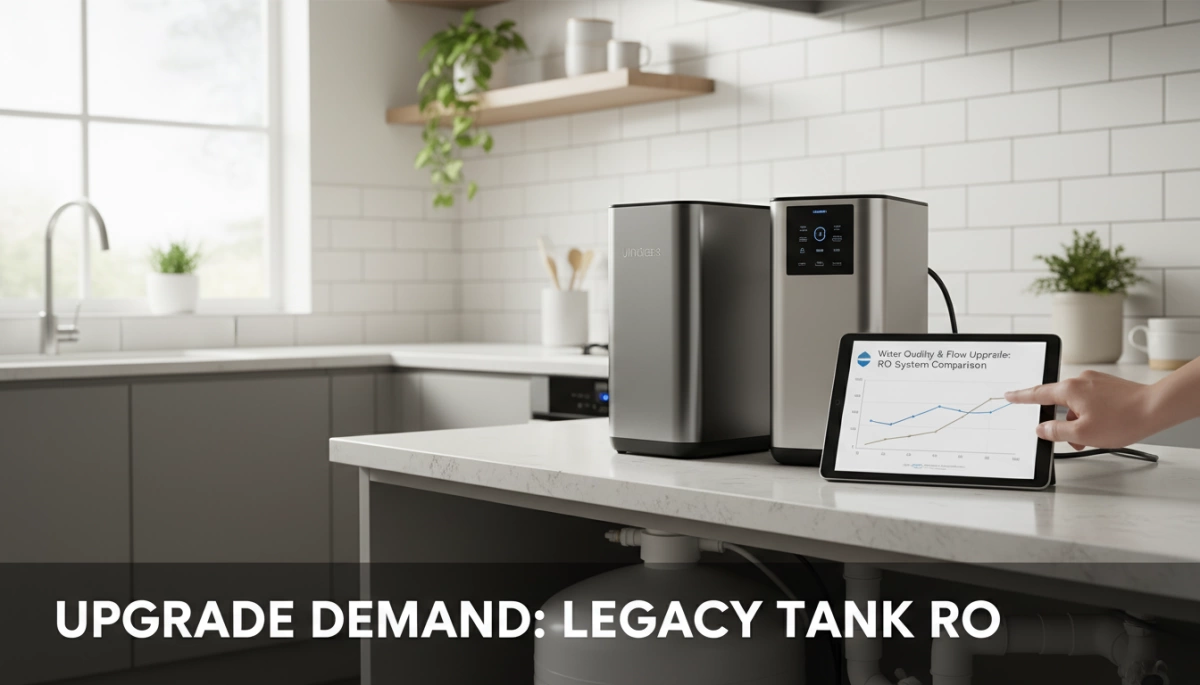
Are you tired of waiting forever just to fill a single pot of water? Does your under-sink cabinet look like a cramped plumbing nightmare? I hear these frustrations constantly from homeowners, which is exactly why there is a massive upgrade demand from legacy tank RO systems. If your current setup is feeling outdated, it is time to look at the facts.
Here is exactly why an immediate reverse osmosis upgrade makes sense for your kitchen:
- Escaping the Bulky Storage Tank: Traditional RO units take up almost all your usable cabinet space. Removing that massive metal cylinder and opting for a space-saving water purifier finally gives you back your storage room for cleaning supplies and daily essentials.
- Fixing Slow Water Flow: Nobody has time for a slow trickle. Legacy systems are notorious for frustrating wait times, especially once the reserve runs dry. Upgrading means getting high flow reverse osmosis directly from the tap, right when you need it.
- Better RO Wastewater Drain Ratio: Old technology wastes a shocking amount of water—often dumping up to four gallons down the drain for every single gallon purified. This low system efficiency hurts the environment and spikes your utility bills.
Addressing the modernization ro demand isn’t just about getting a sleek new gadget under your sink. It is about replacing an inefficient, space-hogging dinosaur with a reliable system that actually keeps up with your daily life.
Tankless RO vs. Traditional Tank Systems
If you are looking into a legacy tank RO upgrade, understanding the performance gap between old setups and new technology is crucial. We consistently see customers blown away by how much better a modern setup performs compared to a clunky storage tank.
High Flow Reverse Osmosis
Old tanks lose water pressure as they empty. You are often left standing at the sink, waiting minutes just to fill a simple pasta pot or coffee maker.
- Direct flow RO systems: Water is pushed through the membrane on demand using an internal pump.
- Instant power: You get a steady, powerful stream instantly—no waiting for a tank to slowly refill over several hours.
Space-Saving Water Purifier
We all know how valuable kitchen cabinet space is in a typical American home.
- Traditional RO tank removal instantly reclaims a massive amount of under-sink real estate.
- Instead of working around a bulky metal drum, a modern tankless RO system features a sleek, unified design. You get your cabinet back for cleaning supplies, a larger trash can, or recycling bins.
Stopping Secondary Contamination
This is the most critical issue driving the upgrade demand from legacy tank RO systems. The rubber bladders inside dark, pressurized storage tanks degrade over time.
- The hidden risk: Clean water sitting in these aging tanks is highly susceptible to secondary contamination in RO tanks. Over time, they can quietly become a breeding ground for biofilm and bacteria.
- The modern solution: A tankless unit purifies water right when you turn the tap. Because there is no stagnant water, the direct-to-glass approach is much safer. It guarantees fresh water every single time, making it the perfect base to integrate advanced media like a water filter for PFAS protection solutions to handle today’s tough municipal water concerns.
Key Features to Look for in a Modern RO Upgrade
When assessing the upgrade demand from legacy tank RO systems, I always emphasize that stepping up to modern water purification technology should immediately improve your daily routine. A true reverse osmosis upgrade isn’t just about saving space; it’s about reliable, everyday performance. Here is what you need to look for in a new tankless RO system.
- High GPD Output Capacity: You need a high GPD water filter. A direct flow RO system with an output of 600 GPD or more provides high flow reverse osmosis, allowing you to fill a pitcher in seconds without waiting for a heavy tank to slowly refill.
- Smart RO Faucet: Upgrading means removing the guesswork from your maintenance schedule. A smart RO faucet with a built-in LED indicator ring tells you exactly when it’s time for a change, directly at the sink.
- Easy DIY Filter Replacements: Say goodbye to wrestling with housing wrenches and cleaning up spills. Modern under sink water filter replacement uses a simple twist-and-pull mechanism, allowing you to swap cartridges in seconds with no tools required.
- Remineralization Stages: Standard RO water can sometimes taste a bit flat. A modern unit passes the water through a remineralization stage to add essential minerals like calcium and magnesium back in. This crucial step improves the flavor profile and ensures you get the full benefits of reverse osmosis water for your home.
Upgrade Feature Comparison
| Core Feature | Legacy Tank System | Modern Tankless RO Upgrade |
|---|---|---|
| Water Delivery | Limited by storage tank volume | High GPD, continuous direct flow |
| Maintenance | Messy, requires specialized tools | Quick DIY twist-and-pull replacements |
| Filter Tracking | Manual calendar tracking | Smart LED faucet alerts |
| Water Profile | Standard purification (often acidic) | Remineralized for better taste and health |
Investing in these specific features ensures your space-saving water purifier delivers continuous, high-quality hydration without the typical maintenance frustrations of older models.
Cost-Benefit Analysis of Upgrading Your RO

When I look at the upgrade demand from legacy tank RO systems across American homes, it always comes down to simple math. Sticking with an old unit might feel cheaper today, but a technology refresh makes far more financial sense over time. Let’s break down the real numbers behind a reverse osmosis upgrade.
Initial Investment vs. Long-Term Savings
Buying new equipment requires an upfront investment. However, my replacement justification for RO upgrades is clear when we map out the long-term savings. Older systems force you to buy replacement storage tanks, swap out frequent pre-filters, and pay for extra parts to fix persistent leaks. By investing in a modern tankless water filter system, we eliminate those recurring, hidden repair costs. The system pays for itself by ditching the outdated components that constantly fail.
Lowering Water Bills
Old reverse osmosis tanks waste an incredible amount of water, which drives up utility bills.
- Legacy Systems: Often send 3 to 4 gallons of wastewater down the drain for every 1 gallon of pure drinking water produced.
- Modern Upgrades: Feature a highly optimized RO wastewater drain ratio, typically hitting 1.5:1 or even 2:1 pure-to-drain efficiency.
This massive jump in water efficiency means your monthly municipal water bill drops the moment you complete a legacy tank RO upgrade.
Maintenance Costs: Legacy Tanks vs. Modern Tankless Units
Upkeeping an aging installed base of RO tanks is a constant money pit. Here is the true maintenance gap between the two setups:
- Filter Replacements: Legacy systems require replacing 4 to 5 separate filters, struggling with tight housings and worn O-rings multiple times a year. Modern units use high-capacity, all-in-one composite filters that last 12 to 24 months.
- Tank Sanitization: Old storage tanks require annual sanitization to prevent bacterial growth and secondary contamination. Direct-flow systems completely avoid this labor and expense.
- Hardware Failures: Swapping out an old setup for a streamlined under cabinet water filter system removes the need to constantly replace pressurized air bladders, check valves, and bulky tubing.
The performance gap in RO technology means pulling the trigger on a modernization RO demand is no longer just about gaining under-sink space—it is a smart, calculated financial move.
FAQs: Addressing the Upgrade Demand from Legacy Tank RO Systems
When looking at the upgrade demand from legacy tank RO systems, I see the same questions pop up from homeowners ready to ditch their bulky setups. Here are the straight answers you need before making the switch to modern water purification technology.
Can I install a new tankless RO system myself?
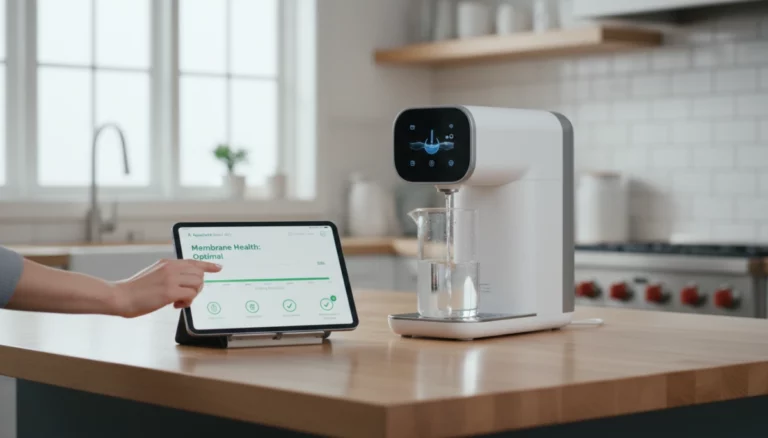
Yes, absolutely. Traditional RO tank removal and installing a new unit is a straightforward DIY project. Modern systems use simple, color-coded tubing and quick-connect fittings. You don’t need to be a plumber. However, if you are renting or simply don’t want to mess with under-sink plumbing, you might find a countertop cold water purifier to be an easier plug-and-play alternative.
How often do I need to change modern tankless filters?
Under sink water filter replacement is practically effortless now.
- Pre-filters: Swap these every 6 to 12 months.
- RO Membrane: Usually lasts 12 to 24 months, depending on your local water hardness.
Instead of dealing with messy wrench housings, modern units use simple twist-and-pull cartridges that take about three seconds to swap.
Will upgrading fix my low drinking water pressure?
Yes. If you’re tired of water trickling out of your faucet as the tank empties, a high flow reverse osmosis upgrade is the fix. A direct flow RO system uses a built-in booster pump. This guarantees instant, strong, and consistent water pressure every time you turn on the tap, completely eliminating the performance gap of older systems.
Do modern tankless RO systems require an electrical outlet?
Yes, they do. To achieve those fast flow rates and minimize wastewater, a tankless RO system relies on an internal electric pump. You will need a standard 110V electrical outlet under your sink to power the unit and the smart RO faucet display.