
















You might already know that moving water encourages your pets to drink more…
But is that water actually clean?
As a dedicated pet parent, I know that keeping your furry friend healthy goes beyond just filling a bowl. It’s about the quality of every drop.
A premium water fountain filter does more than just catch hair—it removes invisible toxins, heavy metals, and the bad tastes that turn picky pets away.
In this guide, you’re going to learn exactly how multi-stage filtration works, the truth about filter lifespan, and how the right cat water fountain replacement filter can be a game-changer for your pet’s long-term health.
Ready to banish stagnant water for good?
Let’s dive in.
Why Pets Need Filtered Water Fountains
As pet owners, we often overlook the most basic element of our pet’s diet: water. You might buy premium food, but if the water in their bowl is stagnant or filled with tap impurities, you are missing a crucial piece of the health puzzle. A high-quality water fountain filter isn’t just an accessory; it is the first line of defense against dehydration and illness.
Hidden Dangers in Stagnant Tap Water
Most of us assume tap water is safe, but for a small animal like a cat or dog, the concentration of chemicals can be harmful over time. Without a reliable pet water fountain filter, your furry friend is likely consuming:
- Chlorine and Odors: These chemical smells are strong to sensitive noses, often causing pets to refuse water.
- Heavy Metals: Trace amounts of lead or copper from old pipes can accumulate in their system.
- Hard Water Minerals: Excess calcium and magnesium are leading causes of urinary crystals and kidney stones.
- Bacteria: Stagnant water in a traditional bowl is a breeding ground for slime and bacteria within hours.
The Power of Flowing, Filtered Water
In nature, animals equate running water with safety. A pet hydration filter system does more than just clean the water; the circulation oxygenates it, making it taste fresh and cool.
This encourages your pet to drink more frequently. Increased hydration is essential for flushing toxins from the kidneys and preventing common urinary tract infections (UTIs), especially in cats who have a naturally low thirst drive. Using a premium cat water fountain replacement filter ensures every sip supports their long-term renal health.
Plastic vs. Stainless Steel: Material Matters
The material of your fountain impacts how effective your filtration is. We strongly advocate for stainless steel over plastic for hygiene reasons. Plastic tends to develop micro-scratches that harbor bacteria which filters can’t reach, while a stainless steel pet fountain filter system offers a sterile environment.
Comparison: Fountain Material & Hygiene
| Feature | Plastic Fountains | Stainless Steel Fountains |
|---|---|---|
| Bacterial Resistance | Low (Scratches easily trap bacteria) | High (Non-porous surface) |
| Cleaning Ease | Difficult (Stains and odors absorb) | Easy (Dishwasher safe) |
| Health Impact | Can cause “Chin Acne” in cats | Hypoallergenic and safe |
| Water Quality | Often slimy quickly | Stays Fresh longer |
Choosing the right material ensures your water fountain filter isn’t fighting a losing battle against the fountain body itself.
How Water Fountain Filters Work: Understanding Multi-Stage Filtration
When we engineer a water fountain filter, we aren’t just putting a piece of cotton in a plastic tray. We design a comprehensive purification system. To ensure your pet drinks the cleanest water possible, most high-quality units utilize a multi-stage fountain filter process. This “sandwich” of filtration materials works together to trap everything from visible hair to invisible heavy metals.
Understanding what is inside the cartridge helps you see the value in regular maintenance. Here is a breakdown of the layers we typically use in a standard activated carbon pet filter system:
| Layer Component | Function & Benefit |
|---|---|
| High-Density Non-Woven Fabric | The first line of defense. It captures large debris like fur, dust, and food particles, preventing the pump from clogging. |
| Activated Carbon | This porous material absorbs impurities. It removes chlorine, unpleasant odors, and organic compounds, making the water taste fresh. |
| Ion-Exchange Resin | A crucial component for health. This ion exchange resin filter layer softens hard water by removing calcium and magnesium, reducing the risk of urinary stones. |
| Additional Sponge / Pre-Filter | Often placed around the pump, this final barrier catches any fine sediment that slipped through, extending the life of the fountain motor. |
3-Stage vs. 4-Stage Systems
You might see options labeled as 3-stage or 4-stage. While a 3-stage filter covers the basics (fabric, carbon, resin), we strongly advocate for the 4-layer pet water filter design.
The primary difference lies in filtration depth and pump protection:
- Cleaner Results: The extra layer in a 4-stage system (usually a high-density mesh or secondary sponge) ensures that even the finest sediment is trapped before it re-circulates.
- Pump Longevity: By adding a dedicated pre-filter stage, we stop debris from wrapping around the impeller, which keeps the unit running quietly for years.
- Healthier Water: More surface area for filtration means the water stays oxygenated and free of “slime” buildup for longer periods between changes.
Key Factors to Consider When Choosing a Water Fountain Filter
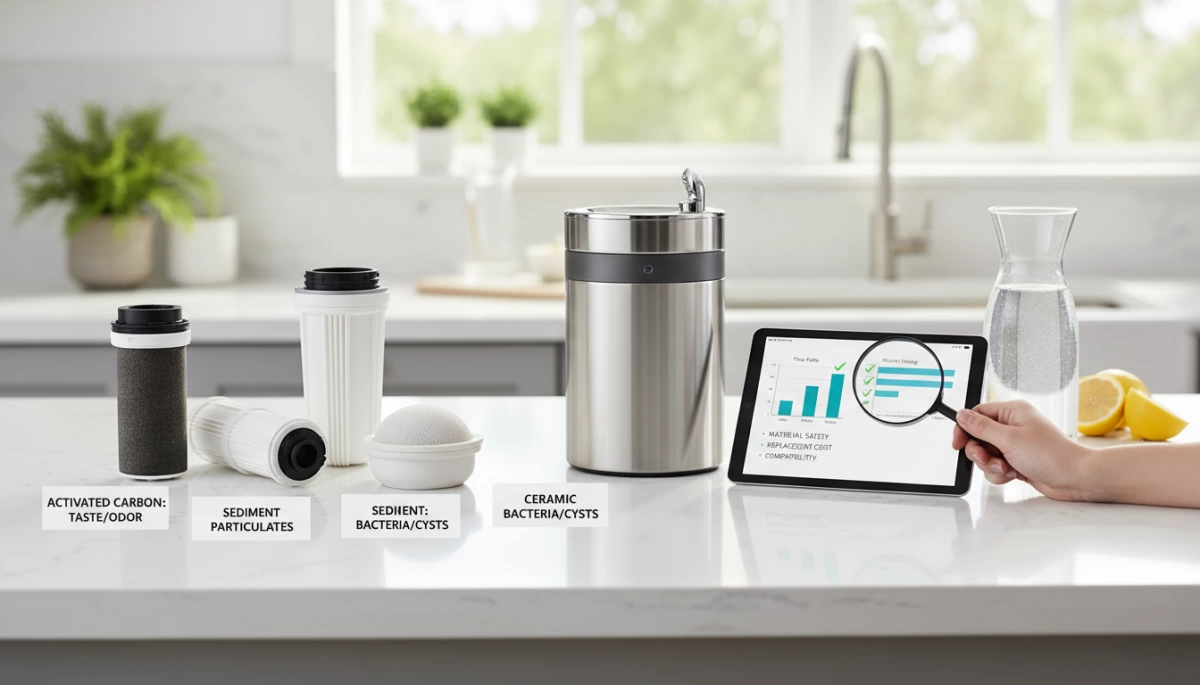
When you are shopping for a replacement water fountain filter, it is easy to assume they are all the same white squares. However, as a manufacturer, I can tell you that the difference in quality directly impacts your pet’s health and your wallet. You need a filter that balances thorough purification with consistent water flow.
Here are the specific criteria you should evaluate before buying:
- Precise Compatibility: First and foremost, the filter must fit the housing perfectly. A generic pet water fountain filter that is slightly too small will allow unfiltered water to bypass the system, rendering it useless. Always check that the dimensions match your specific Driplife or stainless steel model.
- Material Safety: Your pets are drinking this every day. Ensure you are buying a food-grade fountain replacement filter. Look for certifications stating the materials are BPA-free and that the cotton layers are non-toxic. Cheaper alternatives often use loose carbon dust that clouds the water.
- Filter Lifespan & Usage: Consider your household size. A standard cat water fountain replacement filter might last 4 weeks for one cat, but in a multi-pet home, you will need a durable filter that can handle higher volumes of saliva and debris without clogging in a week.
- Flow Rate & Noise: A high-quality filter allows water to pass through smoothly even as it traps particles. If the filter is too dense or poorly designed, it forces the pump to work harder, leading to noise. A good filter supports a quiet pump fountain filter experience, keeping the motor running silently.
Value and Subscription Options
Buying filters one by one is rarely cost-effective. We recommend looking for multi-packs (e.g., 4-packs or 8-packs) which significantly lower the cost per unit. Additionally, checking for subscription options can prevent that panic moment when you realize you are out of fresh filters right when the water starts looking cloudy.
| Factor | What to Look For | Why It Matters |
|---|---|---|
| Filtration Depth | Multi-stage (Carbon + Resin + Cotton) | Removes invisible chemicals and heavy metals, not just hair. |
| Housing Fit | Brand-specific design | Prevents “bypass” where dirty water sneaks around the filter. |
| Resin Quality | High-grade Ion Exchange | Softens hard water to prevent urinary issues. |
| Packaging | Individually sealed | Keeps the filter fresh and prevents contamination before use. |
Signs It’s Time to Replace Your Pet Water Fountain Filter
You shouldn’t just rely on a calendar reminder to keep your pet’s water safe. The actual filter lifespan pet fountain owners experience depends heavily on how many pets are using the unit, the ambient temperature, and the water quality in your area. If you ignore the warning signs, you risk damaging the pump or exposing your furry friends to accumulated bacteria.
Visible Indicators and Performance Issues
The most obvious sign is visual. If you notice the water turning cloudy or see visible debris like hair, saliva, or food particles floating around despite the filtration, the system is overloaded. A clogged filter also restricts water flow, often causing the pump to make grinding or humming noises as it struggles to push water through.
Watch out for these red flags:
- Reduced Water Flow: If the stream turns into a weak trickle, the water fountain carbon filter is likely blocked by debris.
- Unpleasant Odor: If the water smells stale or “swampy,” the activated carbon is saturated and can no longer adsorb impurities.
- Behavioral Changes: If your pet approaches the fountain but refuses to drink, they likely smell or taste something you can’t.
Recommended Replacement Schedule
For most households, the standard rule is to replace cat fountain filter units every 2 to 4 weeks. However, if you have a multi-pet household or use a fountain with a smaller reservoir, you might need to change it as often as every two weeks to maintain hygiene. To get the most out of each filter, always rinse it thoroughly under cool tap water before installation to remove loose carbon dust and prevent premature clogging.
How to Install and Maintain Your Water Fountain Filter
Getting the best performance out of your water fountain filter isn’t just about popping in a new cartridge; it’s about proper installation and regular upkeep. We want to ensure your pets have access to the cleanest water possible while keeping the equipment running smoothly for years.
Step-by-Step Installation Guide
Replacing a cat water fountain replacement filter is simple, but skipping the prep work can lead to murky water or reduced flow. Here is the correct way to do it:
- Soak the Filter: Before installing, fully submerge the new filter in a bowl of clean water for about 5 to 10 minutes. This is crucial for the activated carbon pet filter components, as it prevents loose carbon dust from entering the fountain bowl.
- Rinse Thoroughly: After soaking, rinse the filter under running tap water for 30 seconds. This washes away any remaining loose particles.
- Align and Insert: Place the filter into the filter tray. Most food-grade fountain replacement filters have a specific orientation—usually, the flat side faces down, or the side with visible ridges faces up. Check your specific model’s manual to be sure.
- Reset the Reminder: If your stainless steel unit has a filter change indicator light, reset it now so you stay on track for the next cycle.
Cleaning the Fountain Body and Pump
Changing the filter is the perfect time to give the entire unit a deep clean. A fresh pet water fountain filter won’t help much if the tank itself is slimy.
- Scrub the Tank: Disassemble the fountain and wash the stainless steel or plastic parts with mild soap and warm water.
- Deep Clean the Pump: This is the step most people forget. Remove the pump faceplate and the impeller (the small spinning fan inside). Use a small brush to clean out hair and debris. This maintenance is essential for maintaining a quiet pump fountain filter setup and preventing motor burnout.
- Reassemble: Put everything back together, fill with fresh water, and install the pre-soaked filter.
Storage Tips and Troubleshooting
If you buy in bulk to save money, store your spare multi-stage fountain filter packs in a cool, dry place away from direct sunlight. Moisture can degrade the ion exchange resin and activated carbon before you even use them.
Common Issues & Fixes:
- Black Dust in Water: This is usually excess carbon dust. It is harmless, but it means you didn’t soak or rinse the filter long enough. Rinse it again to clear it up.
- Reduced Water Flow: If the flow slows down shortly after a change, check the pump intake. Often, pet hair gets trapped there, bypassing the filter.
- Slimy Feeling: This indicates biofilm buildup. Increase your cleaning frequency or ensure you are using a high-quality 4-layer pet water filter that effectively traps organic contaminants.
Top Benefits of Choosing Driplife Replacement Filters
When we designed our premium stainless steel fountains, we knew the water fountain filter had to be just as robust as the unit itself. We don’t believe in “one-size-fits-all” solutions that leave gaps for debris to sneak through. As a direct manufacturer, we have engineered a 4-layer pet water filter system specifically tailored to maximize the health benefits for your furry companions while ensuring our stainless steel pet fountain filter units run smoothly for years.
We prioritize a balance between deep purification and free-flowing hydration. Our filters are designed to strip away impurities—like hair, heavy metals, and residual chlorine—without stifling the water flow that keeps the supply oxygenated and appealing to pets. Because we oversee the entire production process, we guarantee that every cat water fountain replacement filter we ship meets strict safety standards using only food-grade fountain replacement filter materials.
Here is a breakdown of why our direct-from-manufacturer filters stand out:
| Feature | The Driplife Advantage |
|---|---|
| Precision Fit | Engineered to strict tolerances to prevent unfiltered water bypass in our stainless steel models. |
| Filtration Depth | A true 4-stage process utilizing high-density cotton, activated carbon, and ion-exchange resin for superior purity. |
| Material Safety | 100% BPA-free and food-grade materials, ensuring no harmful chemicals leach back into the water. |
| Cost Efficiency | Buying directly from us allows for bulk pricing on multi-packs, lowering your monthly maintenance cost. |
By choosing genuine Driplife filters, you aren’t just buying a replacement part; you are investing in a consistent, high-quality hydration system that protects your pet’s kidney health and keeps your pump running quietly.
Ready to upgrade your pet’s hydration?
Check out our bulk filter packs to ensure you never run out of fresh, clean water.
Comparing Popular Water Fountain Filter Options
When you are looking for a cat water fountain replacement filter or a refill for your dog’s dispenser, the market usually offers two main paths: generic “universal” filters or brand-specific engineered solutions. While grabbing a bulk pack of generic filters off a marketplace might seem like a budget-friendly move, we often see these failing to provide a tight seal or clogging up within just a few days.
A food-grade fountain replacement filter needs to do more than just fit in the slot; it needs to actively purify. Generic options often skim on the amount of activated carbon or use lower-density cotton, allowing debris to bypass the filtration system entirely.
Generic vs. Driplife: At a Glance
To help you decide, here is a breakdown of how standard options measure up against our specialized solutions:
| Feature | Generic / Universal Filters | Driplife Replacement Filters |
|---|---|---|
| Filtration Depth | Usually 2-stage (Cotton + weak carbon) | 4-layer pet water filter system (High-density cotton, resin, carbon, sponge) |
| Compatibility | Loose fit; water often bypasses filter | Precision-molded for stainless steel pet fountain filter slots |
| Material Safety | Often unverified plastics | BPA-free, certified food-grade materials |
| Lifespan | Clogs quickly (3–7 days) | Consistent flow for 2–4 weeks |
| Odor Removal | Minimal | High-grade carbon for superior freshness |
Why Driplife Stands Out
We designed our filters specifically to complement the durability of a stainless steel pet fountain. Unlike generic pads that float or shift, our multi-stage fountain filter locks into place to ensure every drop of water passes through the purification layers.
- Superior Filtration Depth: We utilize a 4-layer pet water filter design that traps everything from visible hair to invisible heavy metals, ensuring your pet isn’t just drinking clear water, but clean water.
- Longevity & Value: Because we use high-quality ion exchange resin and dense activated carbon, our filters don’t exhaust as quickly as cheaper alternatives. You get reliable performance for the full recommended lifespan.
- Optimized Flow: Our filters are engineered to maintain a steady stream without straining the pump, keeping your fountain quiet and efficient.
Frequently Asked Questions About Water Fountain Filters
We know you want the absolute best for your furry companions, and navigating the world of filtration can sometimes feel a bit technical. To help you make the right call for your home, we’ve rounded up the most common questions we get about maintaining a clean, healthy hydration station.
How often should I change the filter?
For the best results, we recommend a replace cat fountain filter schedule of every 2 to 4 weeks. If you have a multi-pet household where the fountain sees heavy traffic, you might need to swap it out closer to the 2-week mark. Over time, debris and saliva can clog the mesh, reducing the flow and effectiveness of the activated carbon pet filter. Regular changes ensure your pets are always drinking fresh, odorless water.
Are Driplife filters compatible with other brands?
Our filters are precision-engineered specifically for Driplife stainless steel units to ensure a perfect, leak-free seal. While some generic pet water fountain filter options claim universal fit, they often leave gaps where unfiltered water can bypass the system. For guaranteed safety and filtration depth, sticking to the brand-specific replacement filter is always the smartest move.
Do filters remove hard water minerals that cause urinary stones?
Yes, this is a crucial feature. Our multi-stage fountain filter includes high-quality ion exchange resin. This layer specifically targets and softens tap water by removing excess calcium and magnesium ions. By softening the water, you significantly reduce the risk of your pet developing urinary tract infections or kidney stones, which are common issues, especially in cats.
What makes stainless steel fountains better with quality filters?
It comes down to hygiene and durability. Plastic fountains often develop tiny scratches that harbor bacteria, which no filter can fully fix. A stainless steel pet fountain filter setup is superior because the steel is non-porous and easier to sanitize. When you pair a sterile steel bowl with our 4-layer pet water filter, you are providing the cleanest possible hydration experience.
Can I subscribe for regular filter deliveries?
Absolutely. We know how easy it is to forget maintenance. Subscribing not only ensures you never run out of a fresh best filters for cat water fountain supply, but it also locks in the best value per unit. Consistent replacement is the key to extending the life of your fountain’s pump and keeping your pets healthy.