















Are you curious about well water systems and how they can transform your home’s water supply? Choosing the right well water system can save you money, boost independence, and deliver crisp, clean water straight from the source.
At driplife, we’ve helped countless homeowners master their private well water systems with practical solutions and expert know-how. In this guide, you’ll uncover everything you need to know about well water systems—from how they work to maintenance tips that keep your water safe and flowing.
Let’s dive into the world of well water and get started!
What is a Well Water System
If you’re wondering what a well water system is and how it works, you’re not alone. Simply put, a well water system is a private setup that taps into underground water sources to supply your home with clean water. Unlike municipal water that comes from city supply lines, this system gives you direct access to groundwater, making it an independent and sustainable choice for your household.
Definition and Purpose
A well water system is designed to extract groundwater safely and efficiently for everyday use—drinking, cooking, bathing, irrigation, and more. Its purpose is to provide a reliable source of fresh water without relying on nearby public utilities. This independence not only often means cost savings but also control over your water quality and supply.
Basic Components of a Well Water System
To understand how well water systems work, it helps to know the basic parts involved:
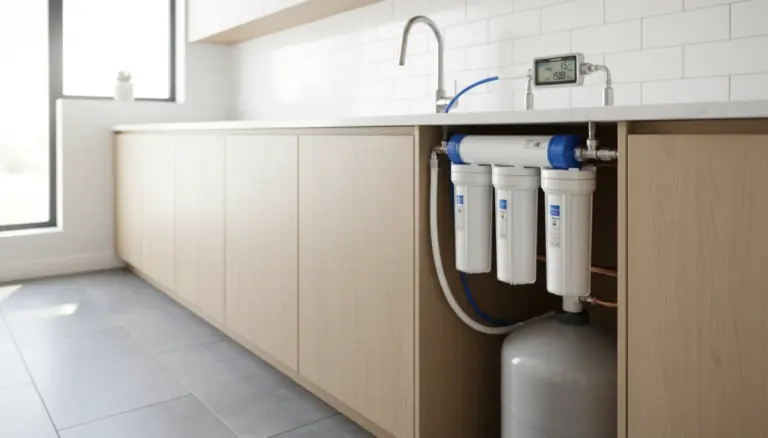
- Well pump: This is the engine of the system, pulling water from underground through the well.
- Pressure tank: It stores water and keeps it pressurized so your taps get a steady flow rather than bursts.
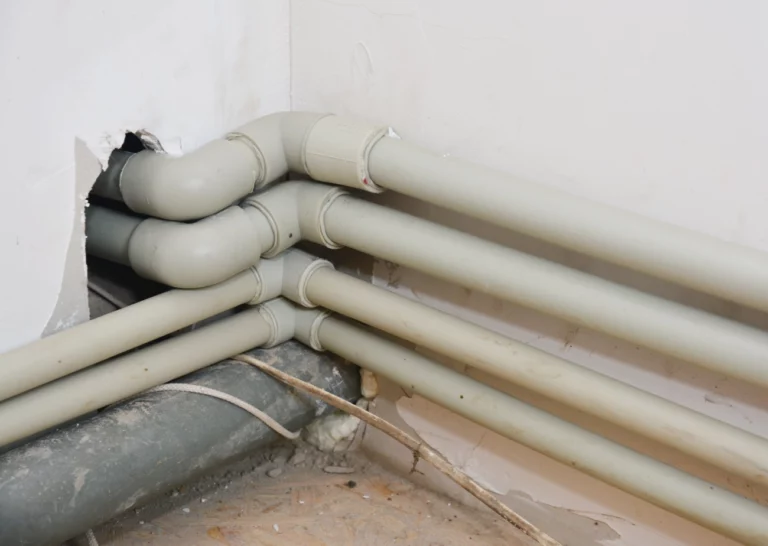
- Pipes and plumbing: These connect the system from the well to your home, delivering water throughout the house.
Together, these components make sure you have consistent, pressurized water available when you need it.
Types of Wells
Well water systems can be built on different types of wells depending on your geographic area and water needs. The most common types include:
- Drilled wells: Deep, narrow holes bored into the ground, often hundreds of feet deep. They’re the most common for tapping clean, reliable groundwater.
- Dug wells: Wide and shallow, dug by hand or machinery. These are less common now due to potential contamination risks.
- Driven wells: Made by driving a small diameter pipe into shallow water-bearing sand or gravel. These are relatively shallow and typically used in areas with high water tables.
Your choice depends on local water availability, soil conditions, and budget. Professional site evaluation ensures the right type of well and system setup for your needs.
With a clear understanding of what a well water system is, you’re ready to dive deeper into how these systems work, their benefits, and how to maintain them properly. Whether you’re considering well water pump installation or looking to update your well water filtration system, knowing the parts and types of wells is the first step.
How Does a Well Water System Work

Understanding how a well water system works helps you appreciate what’s happening behind the scenes every time you turn on your tap. This system draws water from underground sources and delivers it reliably to your home using several key components.
Step-by-Step Flow of Water from Well to Tap
Water Source
Water is pulled from an underground aquifer through a drilled, dug, or driven well. The well acts as a gateway to your groundwater supply.
Well Pump Activation
When you open a tap, the well pump kicks in. There are mainly two types: submersible pumps (placed deep inside the well) and jet pumps (mounted above ground). Both types push water upward through pipes towards your house.
Water Travels Through Pipes
Water flows from the pump through a series of pipes leading to your pressure tank and then on to your plumbing system.
Pressure Tank Role
The pressure tank stores water and keeps it pressurized. This avoids the pump constantly switching on and off. The tank uses air pressure to push water into your home whenever you need it.
Water Delivery to Fixtures
Finally, water reaches your faucets, showers, appliances, or irrigation systems ready for everyday use.
Roles of Key Components Explained Simply
Well Pump
Pumps the water from deep underground. Its job is to overcome gravity and push water up through pipes.
Pressure Tank
Acts like a water reservoir with air pressure. It smooths out water delivery by providing consistent pressure, helping save pump wear and electricity.
Pipes and Valves
Carry the water safely from the well to your home. Valves control the flow and can shut off water during maintenance or emergencies.
Typical System Operation Cycles
Well water systems work on a pressure-controlled cycle:
- When a faucet opens, water pressure drops.
- The pressure switch detects this drop and signals the pump to start.
- The pump fills the pressure tank with water.
- Once full, the pressure switch turns the pump off.
- Water then flows from the tank to your home until pressure drops again.
This cycle prevents the pump from running continuously, saving energy and extending the pump’s life.
Understanding this flow and the role of components makes it easier to spot problems and maintain your private well water system efficiently. For more info on keeping your well water clean, check out our article on well water safety and contamination prevention.
Benefits of Using a Well Water System
Switching to a well water system offers several clear advantages, especially if you’re comparing it to relying on municipal water. Here’s why many homeowners in the U.S. choose private well water systems for their homes:
Significant Cost Savings Compared to Municipal Water
One of the biggest benefits is saving money over time. Unlike city water, where you pay monthly bills that can add up quickly, a well water system mainly requires upfront setup costs like drilling and pump installation. After that, your ongoing expenses drop since there are no water bills, only maintenance and occasional testing costs. For many rural and suburban homes, this translates to lower annual water expenses, especially if you use a lot of water for irrigation, livestock, or large households.
Independence and Environmental Sustainability
Having a private well means you’re not tied to the city’s water supply. That independence is a major plus for areas with unreliable municipal service or rising water rates. Plus, well water systems can reduce your environmental impact—you’re drawing directly from local groundwater rather than relying on treated city water, which uses energy-intensive processes and transportation. With proper care, your well supports sustainable water use and lowers your home’s carbon footprint.
Better Quality and Taste Advantages
Many people notice a difference in taste and quality when switching to well water. Well water is often free from chlorine and other chemicals commonly found in municipal systems, delivering a fresher, cleaner taste. Plus, well water can contain beneficial minerals like calcium and magnesium that improve flavor and health benefits. Of course, you’ll want to use a reliable well water filtration system or water softener to handle any natural contaminants or hardness, ensuring your water is safe and pleasant every day.
In short, a well water system isn’t just about cost savings—it’s about having reliable access to clean, good-tasting water while supporting sustainability and independence. If you’re exploring options for a private well water system with a focus on quality and efficiency, investing in proper equipment and maintenance is the key to these long-term benefits.
Essential Components of a Reliable Well Water System

A solid well water system depends on several key parts working together. Knowing what each component does helps you maintain clean, consistent water supply for your home.
Well Casing and Screen
The well casing is a strong pipe that lines the drilled hole, keeping dirt and debris out of your water source. Inside, the well screen acts like a filter, stopping sand and sediment from entering your water system. Together, they protect your groundwater and ensure clear water flow.
Submersible Pump vs Jet Pump
There are two main types of pumps for well systems:
- Submersible pumps sit deep inside the well, pushing water up from submerged depths. They’re more efficient for deeper wells and quieter because they’re underwater.
- Jet pumps are usually located above ground. They use suction to pull water from the well and work best with shallower wells.
Choosing the right pump depends on well depth and water needs. Submersible pumps tend to last longer and require less maintenance for deep wells, while jet pumps can be more budget-friendly for shallow wells.
Pressure Tanks and Pressure Switches
The pressure tank stores water under pressure, which helps maintain steady water flow and reduces pump starts and stops. This extends the life of your pump and keeps water pressure consistent at your tap.
A pressure switch monitors water pressure in the tank. When pressure drops, it signals the pump to turn on. When pressure reaches the set limit, the pump shuts off. This simple system keeps your well water delivery smooth and reliable.
Water Filtration and Treatment Equipment
Even with clean groundwater, some impurities might need filtering before use. Common options include:
- UV water purifiers to kill bacteria and viruses without chemicals.
- Carbon filters to reduce odors, chlorine, and organic contaminants.
- Water softeners to tackle hard water problems caused by minerals like calcium and magnesium.
A whole home water filter system tailored to your well can boost water quality and protect your plumbing and appliances.
Monitoring and Automation Technology
Modern smart sensors and automation tools help you keep an eye on your well system without guesswork. These include:
- Water quality monitors that track contaminants in real time.
- Pressure sensors to detect drops that signal leaks or pump issues.
- Automated alerts sent to your phone for maintenance reminders or emergency warnings.
Using these technologies can prevent costly repairs and keep your well water system running safe and smooth year-round.
By focusing on these essential components—from casing and pump choice to filtration and smart monitoring—you build a reliable private well water system that fits local US home needs. This keeps your water clean, pressure steady, and your system long-lasting.
Installation and Setup Considerations for Well Water System

Setting up a well water system is a critical step that affects how well it performs and lasts. Whether you’re going the professional route or considering a DIY installation, it’s important to understand what’s involved. Here’s a clear look at key factors to keep in mind, including site evaluation, permits, and initial testing.
Professional vs DIY Installation Pros and Cons
Professional Installation
- Ensures compliance with local codes and regulations.
- Experienced drillers and installers can identify potential issues early.
- Typically comes with warranties and post-installation support.
- Proper system calibration right after setup for optimal performance.
- Higher upfront cost but reduces risks of future expenses.
DIY Installation
- Can save money if you have the right tools and knowledge.
- Suitable for simple systems but tricky for complex setups like deeper drilled wells or advanced filtration.
- Risk of improper pump installation or poor sealing, which can lead to contamination or system failure.
- May require obtaining permits yourself and understanding drilling best practices.
- Typically lacks professional calibration and inspection.
Site Evaluation and Drilling Best Practices for Well Water Systems
Before drilling or digging, a thorough site evaluation is crucial. This involves:
- Checking local groundwater depth and quality.
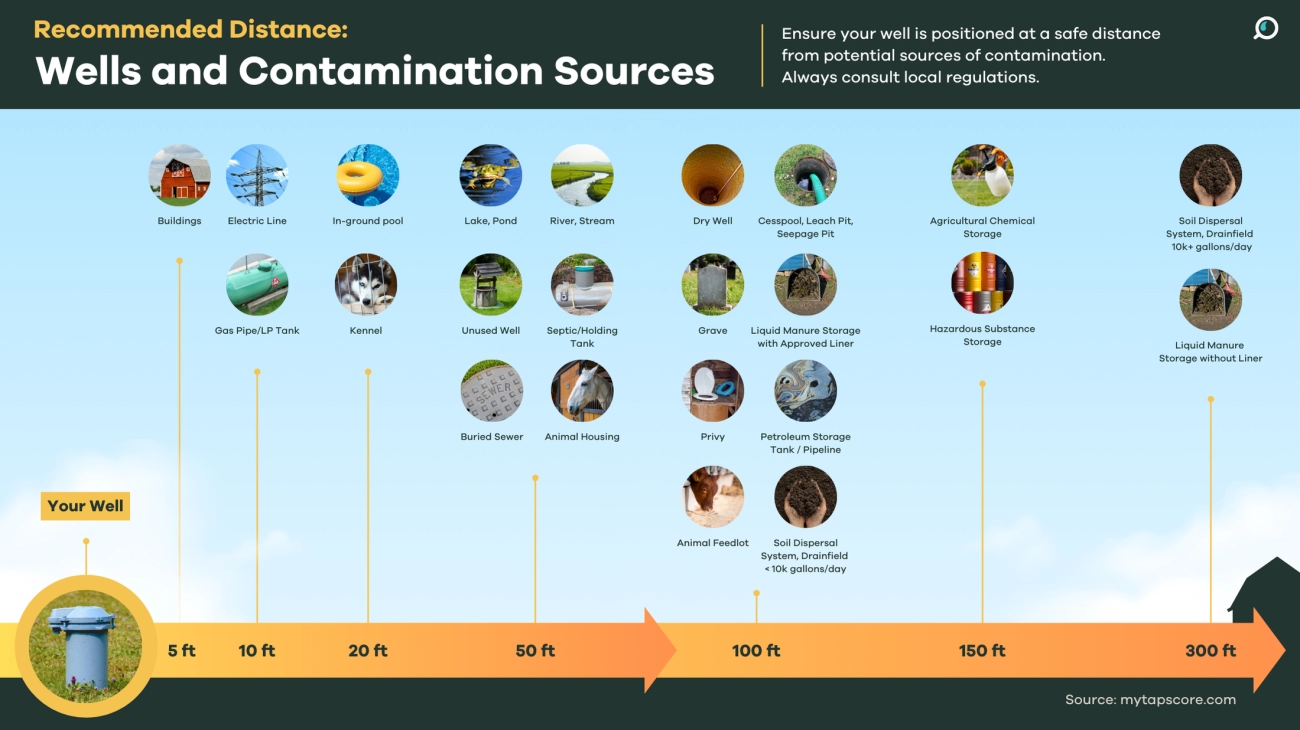
- Ensuring the well location is far from contamination sources like septic tanks or livestock areas.
- Considering soil type and bedrock, which affect drilling methods and cost.
- Choosing between drilled, dug, or driven wells based on the site geology and water needs.
For drilling:
- Hire licensed drillers who follow safety protocols.
- Use the right type of well casing and screen to prevent collapse and filter out sediment.
- Properly install the pump and pressure tank system for smooth operation.
Permits and Local Regulations Overview
Most U.S. states and municipalities require permits to drill or dig a private well. Regulations can include:
- Restrictions on well placement and depth.
- Water usage limits or reporting.
- Mandatory water quality testing and reporting.
- Following local groundwater protection laws.
Before starting installation:
- Contact your local health or environmental department.
- Gather all required permits to avoid fines or having to redo work.
- Ensure any well water pump installation is inspected where required.
Initial Water Testing and System Calibration
Right after installation, initial testing and calibration help guarantee your system is safe and effective:
- Test your well water for bacteria, nitrates, iron, hardness, and other common contaminants.
- Calibrate pumps and pressure tanks to maintain steady water flow and pressure.
- Set up water filtration or treatment systems like carbon filters or UV purifiers as needed.
- Routine water testing should follow to monitor ongoing water quality.
Proper setup makes a huge difference in the longevity and safety of your well water system. For more on choosing the right filtration and treatment options, check out our guide on top water filter systems for well water.
Maintenance Tips for Well Water System Longevity and Safety
Keeping your well water system running smoothly means regular care and attention. By staying on top of maintenance, you protect your investment, ensure safe water, and avoid costly repairs down the road.
Regular Inspection Checklist for Well Water Systems
Performing routine inspections is key. Here’s what to check regularly:
- Well cap and casing condition – make sure they’re sealed and intact to prevent contamination
- Visible signs of leaks along pipes and fittings
- Pressure tank status – look for rust or waterlogging
- Pump operation – listen for unusual noises or cycling patterns
- Electrical connections for corrosion or wear
- Water clarity and smell – changes can indicate system trouble
Pump and Pressure Tank Maintenance
Your well water pump and pressure tank are the heart of your system. Proper maintenance steps include:
- Checking the pressure tank’s air charge annually to ensure proper operation
- Listening for pump cycling frequency; too frequent means it’s working harder than needed
- Lubricating pump motor bearings if applicable (some models are sealed)
- Inspecting for leaks around the pump base or pressure tank fittings
- Replacing worn or faulty pressure switches promptly
Seasonal Care Winterizing and Spring Start-ups
Seasonal changes impact well systems, especially in colder climates:
- Winterize your above-ground pipes and components to avoid freezing damage
- Drain or insulate exposed water lines before winter sets in
- In early spring, flush the system to clear any sediment or buildup
- Test system functions after startup to confirm everything works smoothly
Water Testing Frequency and Important Parameters
Regular water testing keeps tabs on your water’s safety and quality. Most well owners should test:
- At least once a year for bacteria (coliform and E. coli)
- Every 3-5 years for minerals like iron and hardness levels
- After major repairs or system changes, test again to be safe
Parameters to watch for include:
- Bacteria – for safety
- Iron and manganese – these can cause staining and taste issues
- Hardness – affects soap efficiency and pipe scaling
- Nitrates and other contaminants depending on local risks
Filter and UV Light Replacement Schedules
If your system uses water filtration and UV purification, staying on schedule extends their effectiveness:
- Replace sediment and carbon filters every 3-6 months depending on usage and water quality
- UV lamps typically last about 1 year and should be replaced on schedule to maintain disinfectant power
- Clean or replace pre-filters regularly to avoid clogging and pressure drops
By following these well water maintenance tips, you keep your system efficient, protect your health, and enjoy clean, great-tasting water every day. If you notice any serious issues or are unsure about maintenance steps, contacting a well water professional is your best bet.
Common Well Water System Problems and Troubleshooting
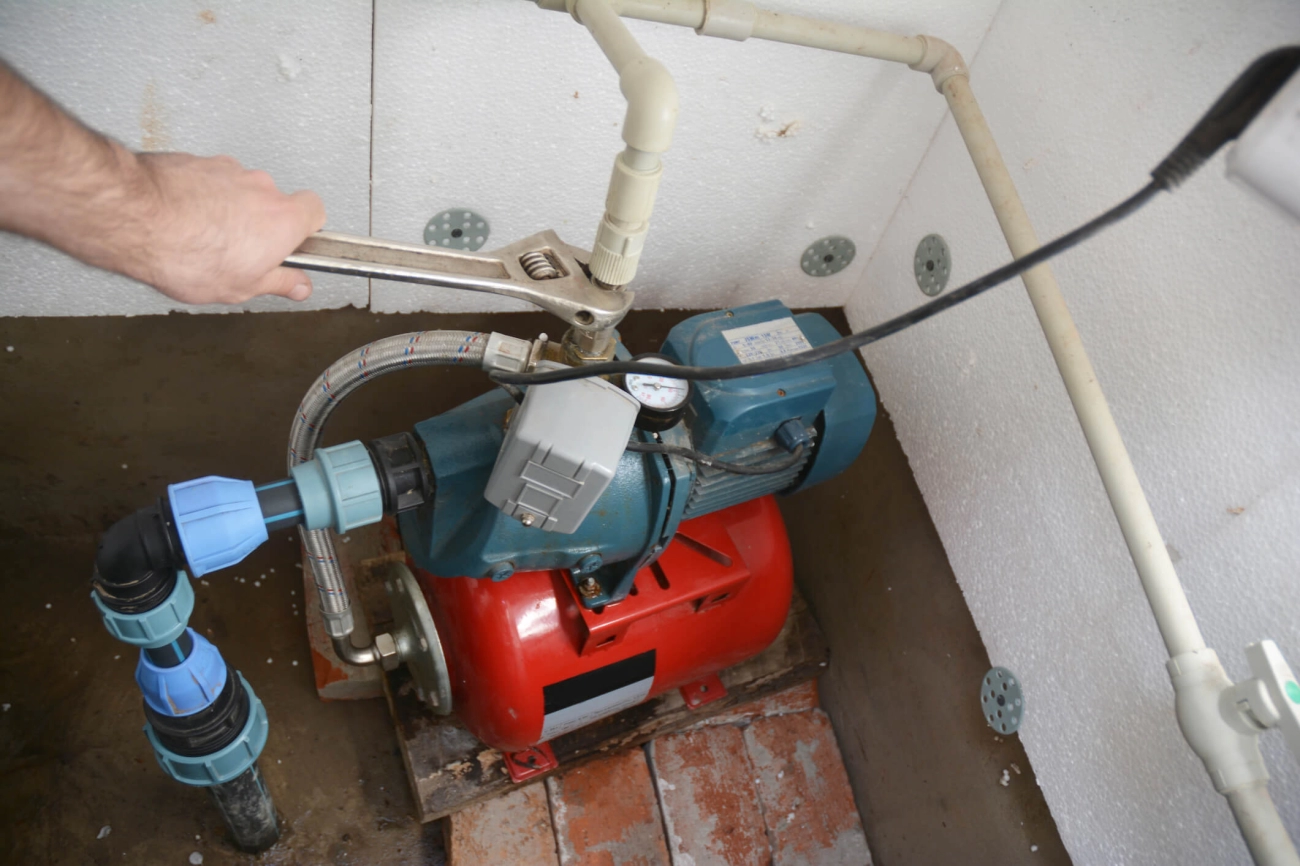
Owning a well water system comes with its share of challenges. Knowing how to spot problems early and troubleshoot them can save you time, money, and hassle. Here’s a quick guide to common issues with private well water systems and how to handle them.
Low Pressure or Flow Issues
Low water pressure or a weak flow is one of the most common complaints. Possible causes include:
- Pump problems: The submersible or jet pump might be failing or need servicing.
- Pressure tank issues: A damaged or waterlogged pressure tank can’t maintain proper pressure.
- Clogged pipes or filters: Sediment buildup can restrict flow.
- Leaks or damaged pipes: Check for any visible leaks or broken piping.
- Electrical issues: Faulty wiring or tripped breakers affecting the pump.
Quick fix tips:
- Check your pressure gauge regularly.
- Inspect the pressure tank for waterlogging or corrosion.
- Clean or replace filters on schedule.
- Check breaker box and wiring.
If you don’t find the issue fast, call a pro to avoid further damage.
Cloudy or Foul-Smelling Water
Cloudy water or unpleasant odors often point to contamination or system issues:
- Air bubbles cause milky/cloudy water; this usually clears after standing.
- Bacterial contamination can cause sulfur or rotten egg smells.
- Organic matter or iron bacteria buildup in the well or pipes.
- Chemical contamination from nearby sources or treatment systems malfunctioning.
If you notice this, test your water ASAP for bacteria and chemicals. Homes with well water filtration systems or UV water purifiers generally reduce these risks.
Water Discoloration and Sediment
Rust-colored or brown water and sediment buildup often mean:
- Iron and manganese deposits in the water.
- Corroded well casing or pipes adding sediment.
- Disturbed well sediment from recent drilling or environmental changes.
Installing a whole home water filter or a targeted water softener for well water can reduce sediment and discoloration.
Contamination Concerns and Treatment Solutions
Contamination is a serious concern with well systems, including:
- Bacteria like E. coli
- Nitrates from fertilizers
- Heavy metals such as lead or arsenic
- Chemical pollutants
Treatment options include:
- Regular use of UV water purifiers for well system safety.
- Carbon filters to remove chemicals and organics.
- Water softeners for hardness.
- Routine testing to catch changes early.
Always keep up with water quality testing, especially after heavy rains or nearby construction.
When to Contact a Professional
Some problems require expert help:
- Persistent low pressure or total loss of water.
- Sudden taste or odor changes.
- Well contamination confirmed by tests.
- Pump or pressure tank failure.
- Complex filtration or treatment system issues.
A licensed well service professional can diagnose issues correctly and recommend the right fixes to keep your well water safe and reliable.
staying ahead of well system problems means regular checks, timely maintenance, and knowing when to get expert help. This protects your water quality, system lifespan, and your family’s health.
Water Safety and Treatment Solutions for Well Water Systems
Importance of Water Quality Testing
Testing your well water regularly is crucial to ensure it’s safe for your family. Well water can be affected by various contaminants like bacteria, iron, hardness, and even chemicals from nearby land use. Without testing, you could be drinking water that looks fine but contains harmful substances. For local U.S. homeowners relying on private well water systems, seasonal testing at least once a year is recommended, with more frequent checks if you notice changes in taste, smell, or color.
Water Treatment Options for Common Well Water Contaminants
To keep your water clean and safe, treating common well water issues is a must. Here are some effective options:
- UV Water Purifiers: Great for killing bacteria and viruses without chemicals.
- Carbon Filters: Remove chlorine, bad tastes, odors, and some chemicals.
- Water Softeners: Manage hardness caused by minerals like calcium and magnesium.
- Whole House Water Filters: Combine different methods to handle sediment, iron, and other contaminants.
- Groundwater Filters: Specifically designed for substances found in deeper well water.
Choosing the right solution depends on your well water test results and household needs. Using these filters and treatment systems helps protect your plumbing and appliances while ensuring clean water from every tap.
How DripLife Ensures Clean Safe Water Solutions for Well Systems
DripLife specializes in providing tailored water treatment products that fit well water systems perfectly. Their solutions cover everything from reliable well water filtration systems to advanced UV purifiers and water softeners designed specifically for well water challenges.
What makes DripLife stand out:
- Expertise in well water: Products built to handle typical well water issues found in the U.S.
- Comprehensive product line: From submersible pumps to whole house water filters, DripLife’s lineup covers all key components.
- Easy installation and maintenance: Designed for longevity and simple upkeep.
- Safety-first approach: All systems meet rigorous standards to ensure your water is both clean and safe.
With DripLife, you get not just equipment but a trusted partner who understands well water safety and helps maintain your system’s peak performance.
Key Takeaway: Regular water quality testing combined with the right water treatment methods is critical for safe, great-tasting water from your well. DripLife offers tailored, reliable solutions to keep your well water clean and healthy all year round.
Cost Overview and Energy Efficiency Tips for Well Water Systems
When considering a private well water system, understanding the costs and ways to save energy can make a big difference in your budget and environmental impact.
Typical Costs for Drilling Pump Installation and Maintenance
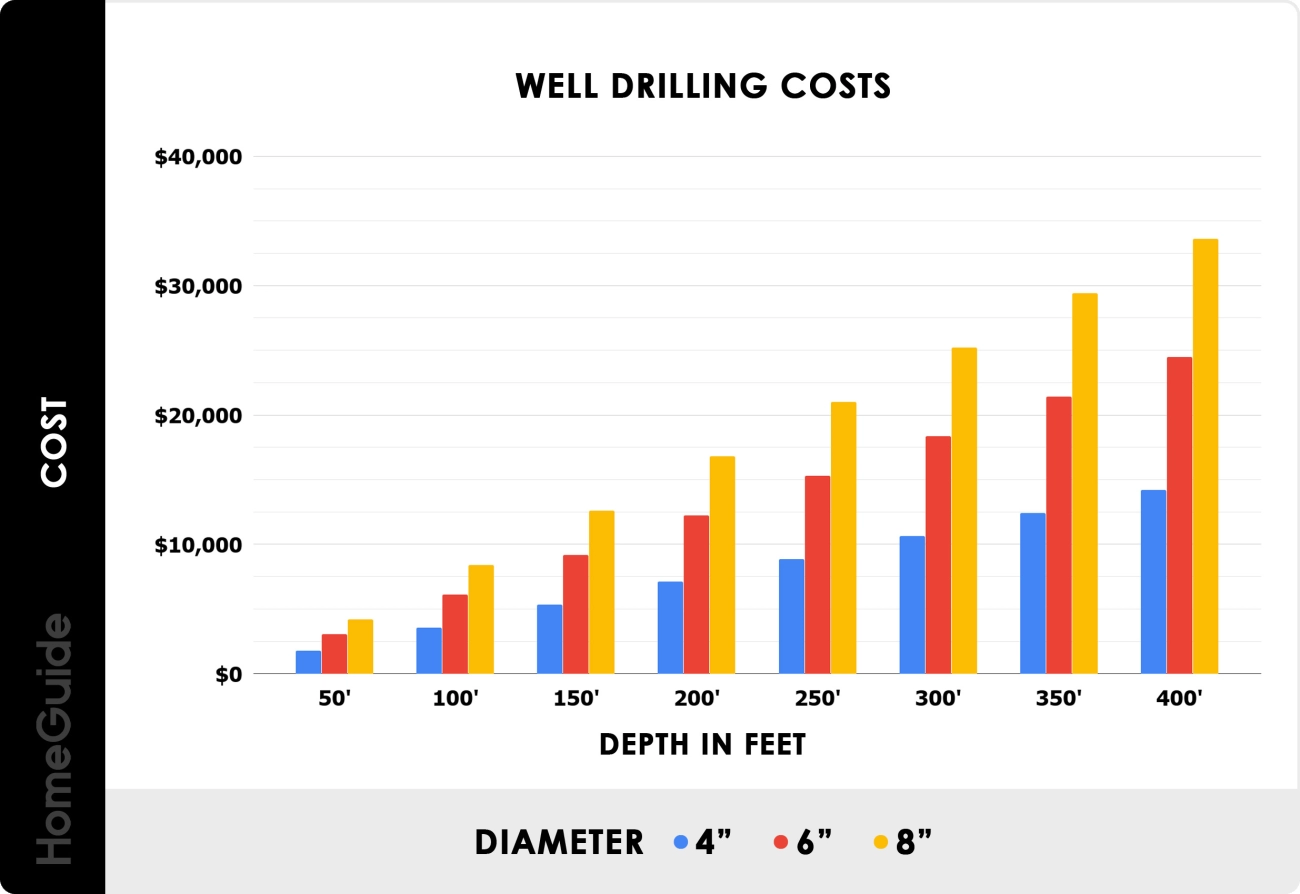
- Drilling and well construction can range from $3,000 to $15,000 depending on well depth, soil conditions, and location.
- Well pump installation, whether a submersible well pump or jet pump, typically costs $1,000 to $3,000 including parts and labor.
- Pressure tanks and controls add another $500 to $1,200, depending on size and quality.
- Routine maintenance, including inspection, pump servicing, and water testing, usually runs $150 to $300 annually, helping prevent costly repairs.
- Additional equipment like a well water filtration system or UV water purifier for well system vary widely but plan for $500 to $2,000 for a quality setup.
Energy-Saving Tips for Pumps and System Components
- Choose the right pump size: Oversized pumps waste energy, while undersized pumps cause wear and frequent cycling.
- Install a variable-speed pump if possible. These adjust power use based on water demand, cutting electricity costs.
- Insulate pressure tanks and piping to reduce energy loss, especially in colder climates.
- Use energy-efficient motors certified by ENERGY STAR.
- Regularly maintain your pump and pressure switch to keep the system running efficiently and avoid power surges.
- Consider adding smart sensors and automation tech to monitor water use and detect leaks early.
Return on Investment for Water Treatment Systems
Investing in water treatment solutions like filtration, softeners, or UV purifiers adds upfront costs but can save money over time by:
- Extending pump and appliance life — clean water reduces corrosion and scale buildup.
- Reducing bottled water usage — saving money and waste.
- Preventing health issues — ensuring safe water protects your family and may avoid costly medical expenses.
- Improving water taste and quality, which can increase your property value.
Overall, a well-planned well water system, with the right energy-saving steps and treatment investments, provides long-term savings and sustainability while keeping water safe and reliable.
driplife’s Expertise and Products for Well Water Systems
When it comes to well water systems, driplife stands out as a trusted expert in the U.S. market. We understand the unique needs of private well owners and offer tailored solutions that ensure clean, safe, and reliable water for your home or business.
Why Choose driplife for Your Well Water Needs
- Specialized Focus on well water equipment means we provide products designed specifically for private wells, including well water pump installation and well water filtration systems.
- Our team combines decades of experience with local knowledge, helping customers across different states navigate well water safety and contamination prevention.
- We deliver professional-grade products that balance durability, efficiency, and affordability — perfect for American homeowners who want long-term peace of mind.
- Offering smart sensors and monitoring technology, driplife helps you stay ahead of maintenance issues and water quality changes before they become problems.
driplife’s Product Line Tailored for Well Water Systems
Our range covers everything you need to keep your well water flowing and fresh:
- Submersible well pumps and jet pumps built for various well types, ensuring optimal water flow and pressure.
- Pressure tanks and pressure switches that work seamlessly together to maintain steady water pressure in your home.
- Water filtration and treatment units, including UV water purifiers, carbon filters, and water softeners for well water to tackle common issues like minerals, bacteria, or odors.
- Whole house water filters and groundwater filters specially designed for well water’s unique challenges.
- User-friendly automation accessories to improve system reliability and reduce maintenance time.
Customer Testimonials and Success Stories
Our customers consistently share how driplife products have improved their well water experience:
- “After switching to driplife’s UV water purifier and well pump combo, our water tastes cleaner and flows stronger than ever.” – Sarah from Montana
- “The pressure tank replacement from driplife solved our low-pressure problems. The smart sensor alerts keep me on top of maintenance with zero hassle.” – Mark from Texas
- “Thanks to driplife’s whole home water filter, our family no longer worries about sediment or discoloration. Quality and service are top-notch.” – Emily from Pennsylvania
Choosing driplife means you’re backed by a company dedicated to reliable well water maintenance tips, cutting-edge products, and ongoing support tailored for well owners across the U.S. Whether it’s installation guidance or water quality testing advice, we’re here to ensure your private well water system performs at its best.