
















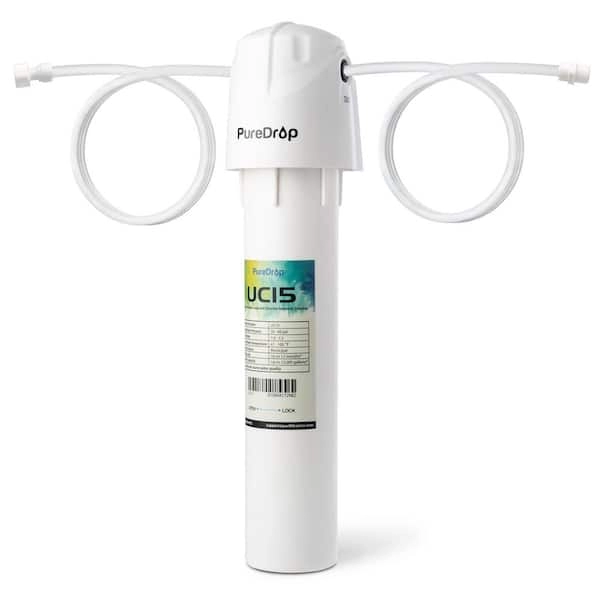
Are you tired of tap water that smells like a swimming pool or leaves your skin feeling dry? Chlorine in your water might be the culprit. Choosing the right chlorine removal filter can transform your daily water experience, making it cleaner, safer, and tastier.
As water quality experts at driplife, we’ve seen firsthand how the right water filtration system can elevate your home’s water quality. In this guide, we’ll break down everything you need to know about chlorine removal filters—from how they work to picking the perfect one for your needs.
Ready to enjoy pure, chlorine-free water? Let’s get started!
What is a Chlorine Removal Filter
If you’re wondering what a chlorine removal filter is and why so many households are adding one to their water system, you’re not alone. Simply put, these filters are designed to reduce or eliminate chlorine from your tap water. Chlorine is commonly used to disinfect water and kill harmful bacteria, but it can leave an unpleasant taste and have some health drawbacks when consumed regularly.
Purpose of Chlorine Removal Filters
The main goal of a chlorine removal filter is to improve water quality by targeting chlorine and related chemicals like chloramine. Removing chlorine can make water safer, better tasting, and gentler on skin, hair, and plumbing. These filters are especially useful in homes relying on municipal water systems where chlorine is a standard disinfectant.
How Chlorine Removal Filters Work
Chlorine removal filters work mainly via two methods:
Chemical filtration
This involves a chemical reaction where chlorine is reduced or neutralized. Activated carbon filters are the most common example. The carbon attracts chlorine molecules and breaks them down, effectively removing chlorine from your water.
Physical filtration
Less common for chlorine because chlorine is dissolved in water at the molecular level, making physical barriers like sediment filters ineffective alone. However, some combined systems use physical filtration alongside chemical media for improved results.
Common Types of Chlorine Removal Filters
Here are the most popular types you’ll see for removing chlorine:
Activated Carbon Filters
The workhorse of chlorine removal. Activated carbon traps and chemically reacts with chlorine, removing it efficiently. These filters come in different forms like granulated carbon (GAC), carbon blocks, and carbon cartridges.
Catalytic Carbon Filters
A more advanced version of activated carbon, catalytic carbon is specially treated to remove not just chlorine but also chloramines, which are harder to remove. This makes catalytic carbon great for tougher municipal water challenges.
Reverse Osmosis Systems
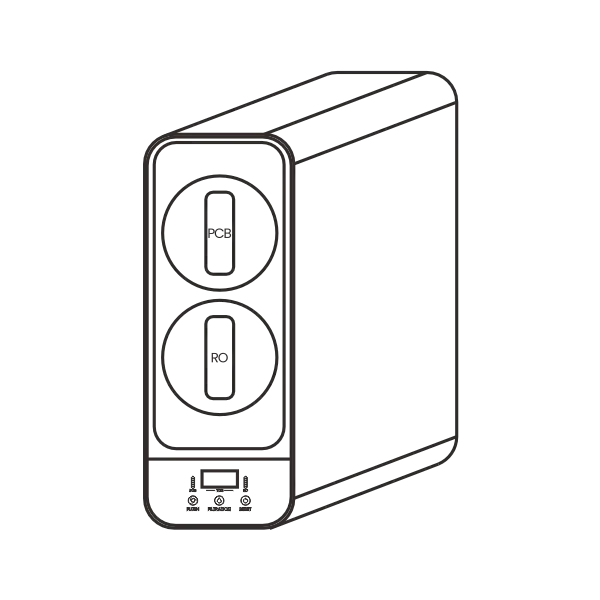
While primarily known for removing dissolved solids and various contaminants, many RO systems include activated carbon pre-filters to take out chlorine. This protects the RO membrane and improves taste.
In , chlorine removal filters use chemical reactions between filter media like activated carbon and chlorine molecules to clean your water. Choosing the right type depends on your water quality and specific needs, but activated and catalytic carbon filters remain the top choices for effective chlorine removal.
Why Remove Chlorine from Your Water

Chlorine is widely used to disinfect public water supplies, but removing chlorine from your water is important for several reasons, especially if you want cleaner, safer, and better-tasting water in your home.
Health Impacts of Chlorine Consumption
While chlorine helps keep water safe from bacteria and viruses, consuming too much chlorine over time may have drawbacks. High levels of chlorine in drinking water have been linked to irritation of the digestive system and may affect sensitive individuals more severely. Chlorine can also react with organic matter in water to form byproducts like trihalomethanes (THMs), which studies suggest could pose health risks with long-term exposure.
Using a chlorine removal filter reduces these risks by minimizing chlorine ingestion, providing safer water for drinking and cooking—an important step for families focusing on health and wellness.
Effects on Taste Odor and Aesthetics of Water
Chlorine gives tap water a distinctive chemical taste and smell that many find unpleasant. This can significantly impact your enjoyment of water, coffee, tea, and even cooking. Besides taste and odor, chlorine can cause water to appear slightly cloudy or give it an unusual color in some cases.
Removing chlorine with effective filters—like activated carbon filters—can greatly improve the taste and odor of your water, leaving it fresh and clean. This makes a noticeable difference, especially when compared to standard tap water.
Benefits for Households Skin Hair and Appliances
Chlorine doesn’t just affect water you drink; it also impacts water for bathing and cleaning. Here are some key benefits of removing chlorine from household water:
- Better skin and hair health: Chlorine strips natural oils from your skin and hair, causing dryness and irritation. Removing chlorine helps maintain moisture and softness.
- Protect household appliances: Chlorinated water can lead to mineral buildup in appliances like dishwashers, washing machines, and coffee makers, reducing their lifespan and efficiency.
- Improved laundry results: Clothes washed with dechlorinated water tend to look brighter and last longer since chlorine can degrade fabric fibers.
By installing a whole house chlorine removal filter or point-of-use filters, you protect your family’s wellbeing and extend the life of your home appliances.
For more insight on choosing the right water filter, check out this chlorine filter installation guide, and see how you can improve your water’s taste and safety.
Types of Chlorine Removal Filters Explained
When it comes to choosing the best chlorine removal filter for water, understanding the different types available is key. Each filter type works differently and serves unique needs depending on your household’s water quality and usage patterns. Let’s break down the most common chlorine removal filters, how they work, and where they fit best.
Activated Carbon Filters for Chlorine Removal
Activated carbon filters are the most popular choice for removing chlorine from tap water. They work through a process called adsorption, where chlorine molecules stick to the surface of the carbon material. This type of filter excels at improving water taste and odor by removing chlorine’s harsh chemical smell.
- Effectiveness: Very effective at reducing free chlorine
- Common use: Point-of-use filters like pitchers, faucet-mounted filters, under-sink systems
- Benefits: Affordable, easy to maintain, improves water aesthetics
- Limitations: Not as effective against chloramine (a chlorine-ammonia compound) or dissolved chemicals without additional treatment
Activated carbon is often the go-to option for those wanting a simple, reliable chlorine water filter that improves taste and safety.
Catalytic Carbon Filters and Advanced Chlorine Removal
For tougher chlorine removal needs, especially when dealing with chloramine (common in some city water supplies), catalytic carbon filters offer an upgrade. These specialty carbons have a modified surface that speeds up the breakdown of chloramine in addition to free chlorine.
- Enhanced capability: Removes both chlorine and chloramine more effectively
- Ideal for: Whole house chlorine removal filters or advanced point-of-use systems needing higher performance
- Pros: Longer lifespan than standard activated carbon, more comprehensive contaminant removal
- Cons: Usually higher cost, requires regular replacement to maintain performance
Catalytic carbon filters strike a great balance for households dealing with varied chlorine compounds, offering more thorough water purification.
Reverse Osmosis Systems with Chlorine Removal
Reverse osmosis (RO) systems are layered filtration setups that use a semipermeable membrane to strip out a wide range of contaminants including chlorine.
- How it works: Pre-filters (often activated carbon) first remove chlorine to protect the RO membrane, which then removes dissolved solids and many impurities
- Effectiveness: Provides comprehensive water purification beyond just chlorine removal
- Usage: Popular for drinking and cooking water, often installed under the sink
- Benefits: Removes chlorine, chloramine (with appropriate pre-filters), fluoride, and more
- Drawbacks: Higher upfront cost, waste water produced, slower filtration rate
Check out this Countertop Reverse Osmosis Water Filter Benefits guide for a detailed look at RO systems and their chlorine removal power.
Comparison of Chlorine Removal Filter Types
| Filter Type | Chlorine Removal | Chloramine Removal | Maintenance | Best Use Case | Pros | Cons |
|---|---|---|---|---|---|---|
| Activated Carbon | High | Low | Replace every 2-3 months | Pitchers, faucets, point-of-use | Affordable, easy to use | Limited chloramine removal |
| Catalytic Carbon | High | High | Replace every 6 months | Whole house, heavy chloramine | Effective for both chlorine types | Higher cost |
| Reverse Osmosis | Very High | High (with pre-filter) | Replace membranes and filters annually | Drinking water purification | Removes multiple contaminants | Expensive, slower, wastes water |
Choosing What Fits Your Household
- If you want simple chlorine taste and odor removal, activated carbon filters are often enough.
- For chloramine presence or whole-house solutions, catalytic carbon filters are smarter picks.
- When you want broad water purification, including chlorine and other chemicals, reverse osmosis is the most thorough.
Understanding these options will help you pick a chlorine water filter that matches your water quality and daily needs. For household use, combining carbon filtration with other technologies can optimize results without overspending.
For a closer look at point-of-use options, explore how to select filters in Just How to Choose the Right Tap Mounted Water Filter for Your Home.
How to Choose the Right Chlorine Removal Filter for Your Home
Choosing the best chlorine removal filter for your water starts with understanding your specific needs. Here’s how to make the right choice:
Assess Your Water Quality and Chlorine Levels
- Test your water first. Knowing how much chlorine is in your tap water helps determine which filter is best. Some filters work great with low chlorine levels but struggle with higher concentrations.
- Check for other contaminants. Sometimes, removing chlorine alone isn’t enough if your water contains chloramine or other chemicals. This might require a specialized filter or a combined system.
Consider Household Water Usage and Flow Rates
- Match filter capacity with your water usage. A small countertop chlorine water filter is perfect for drinking water but won’t handle whole-house needs.
- Flow rate matters. If you want a whole house chlorine removal filter, make sure it supports the water flow your home demands without losing pressure.
Think About Space and Installation
- Space availability. Some filters like reverse osmosis systems need space under the sink, while others like driplife’s inline filters are compact and easy to fit.
- Installation preferences. Are you comfortable with a DIY chlorine filter installation, or do you prefer a professional setup? Driplife filters often come with easy installation guides that can save time.
Budget and Long-Term Value
- Initial cost vs durability. Look beyond the price tag. Some cheaper filters may require frequent replacements, adding to your expense.
- Filter replacement frequency. Driplife filters are designed for longer life, meaning fewer purchases and less hassle.
- Energy and maintenance costs. Some systems might use electricity or need more upkeep. Choose one that fits your budget and lifestyle.
Why Driplife Filters Stand Out
- Proven performance. Driplife chlorine removal filters combine activated carbon and advanced media to effectively reduce chlorine, improving taste and odor.
- Broad contaminant removal. They also tackle chloramine and other common tap water issues, making them more versatile than standard activated carbon filters.
- User-friendly design. Easy installation and clear replacement indicators make maintenance simple.
- Affordable without sacrificing quality. Driplife offers reliable filtration at competitive prices, tailored for American households concerned about water safety and quality.
In short, the right chlorine removal filter depends on your water’s chlorine level, household needs, space, and budget. Driplife filters deliver a balance of effectiveness, convenience, and value that fits well in most U.S. homes.
Installation and Maintenance Tips for Chlorine Removal Filter Performance
Getting the most out of your chlorine removal filter depends a lot on how you install and maintain it. Whether you’re using an activated carbon filter or a whole house chlorine removal filter, following the right steps will keep your water tasting clean and your system running smoothly.
DIY vs Professional Installation
DIY Installation
If you’re comfortable with basic plumbing, many chlorine water filters come with easy-to-follow instructions. Most chlorine filter installation guides explain how to connect the system to your tap or main water line. For water pitchers or under-sink filters, setup is usually straightforward.
Pro tip: Shut off your water supply before starting to avoid leaks.When to Call a Pro
If you’re installing a whole house chlorine removal filter or a complex reverse osmosis system with multiple stages, professional help is a smart choice. A plumber ensures proper fitting, avoids leaks, and maintains warranty conditions.
Filter Replacement Schedules and Signs of Exhaustion
No filter lasts forever. Knowing when to swap out your chlorine removal water filter is key for consistent water quality:
Replacement Frequency
Most activated carbon and catalytic carbon filters need changing every 6 to 12 months. Whole house systems or high-use households might require more frequent replacements.
Check the manufacturer’s guidelines and track your water usage.Signs Your Filter Needs Replacement
Decreased water flow
Persistent chlorine taste or odor
Cloudy or off-smelling water
Filter indicator light (if your system has one)If you notice any of these, it’s time to replace your filter to keep removing chlorine effectively.
Tips to Extend Filter Life and Maintain Water QualityPre-filter Your Water
Using a sediment filter before your chlorine removal filter can trap dirt and particles, preventing clogging and extending filter life.
Regular Cleaning
Clean any external parts, like water pitchers or filter housings, periodically to avoid mold or bacteria buildup.
Monitor Water Quality
Test your tap water occasionally for chlorine and other contaminants. This helps decide if you need an upgrade or more frequent filter changes.
Store Replacement Filters Properly
Keep unused filters sealed and stored in a cool, dry place to preserve their effectiveness.
By following these installation and maintenance tips, you’ll enjoy clean, fresh water free of chlorine, protecting your skin, hair, appliances, and taste buds for months to come.
Frequently Asked Questions About Chlorine Removal Filters
Does a chlorine removal filter remove chloramine
Chlorine removal filters designed for regular chlorine often struggle with chloramine, a more stable disinfectant used by many U.S. water plants. While activated carbon filters can reduce some chloramine, they are generally less effective compared to chlorine. For reliable chloramine removal, you’ll want a catalytic carbon filter or a specialized chloramine filter. If your water contains chloramine, look for filters explicitly labeled for it to ensure proper treatment.
Can chlorine removal filters remove other contaminants
Most chlorine removal filters, especially activated carbon filters, also help reduce other common contaminants that affect taste and odor, such as:
- Sediments and rust particles
- Volatile organic compounds (VOCs)
- Some pesticides and herbicides
However, they generally don’t remove heavy metals, fluoride, or microbial contaminants. For those, you’d need additional filtration stages like reverse osmosis systems or fluoride removal filters. Think of chlorine removal filters as a great first step to improve water quality but not a catch-all solution.
How often should I change my chlorine removal filter
Filter replacement depends on water quality and usage, but a good rule of thumb is:
- Every 3 to 6 months for most activated carbon filters
- Filters in high-flow or whole-house systems may last longer but still require regular checks
- Signs you need to replace your filter: water tastes or smells like chlorine again, slower water flow
Following the manufacturer’s recommendations, like with DripLife chlorine filters, ensures you keep removing chlorine effectively and protects your pipes, appliances, and health.
Are chlorine removal filters safe for all water uses drinking bathing cooking
Yes, chlorine removal filters are safe and recommended for drinking, cooking, and bathing. Removing chlorine improves taste and odor and reduces skin and hair dryness caused by chlorine exposure. For households with sensitive skin or children, this can make a noticeable difference. Just make sure to use a filter certified for drinking water safety, like NSF-certified DripLife filters, to avoid any health risks.
This FAQ covers the basics for anyone considering a chlorine water filter. If you want to breathe easier about your water quality, these filters can be a practical, affordable step. For more detailed advice on types and installation, keep reading or check out DripLife’s range of chlorine removal options.
Driplife’s Range of Chlorine Removal Filters
Overview of Driplife’s Chlorine Removal Products
Driplife offers a variety of chlorine water filters designed to meet different household needs. Whether you’re looking for a whole house chlorine removal filter, a simple under-sink system, or a chlorine removal water pitcher, Driplife has options that efficiently reduce chlorine taste and odor in tap water. Their products mainly use activated carbon filters and catalytic carbon filtration technologies, which are proven to remove chlorine effectively while improving water quality for drinking, cooking, and bathing.
Key Features and Certifications
Driplife filters come with several strong features:
- High chlorine removal rates thanks to premium activated carbon and catalytic carbon media
- Certified performance by independent bodies ensuring safe and reliable water filtration
- Easy installation with clear chlorine filter installation guides for both DIY users and professional setups
- Designed to handle common US water chlorine levels, ensuring long-lasting performance
- Compatible with various plumbing setups and flow rates found in US homes
Additionally, many users praise Driplife water filters for improving skin and hair health by reducing the harsh effects of chlorine, as well as extending the lifespan of appliances sensitive to chlorine damage.
Customer Testimonials
Homeowners across the United States have shared positive feedback about Driplife’s chlorine removal filters:
- “Clearer, fresher water right from the tap—my family noticed the difference in taste immediately.”
- “Easy to install, and the filter replacement schedule is straightforward, making maintenance simple.”
- “Great value for the quality—our water smells and tastes better, and my skin feels less dry.”
These testimonials reflect the reliability and user-friendly design of Driplife’s chlorine removal systems.
Where to Buy and Getting Support
You can purchase Driplife chlorine removal filters through their official website and leading online retailers. Many products come with detailed manuals and step-by-step instructions for installation and maintenance. For extra help, Driplife offers customer support through:
- Phone and email assistance
- Online resources including FAQs and chlorine filter replacement guides
- Warranty and product registration services
For those wanting the best chlorine filter for water with proven results and strong customer support, Driplife is a solid choice for US households looking to improve their tap water safety and taste.