

















What Are Stainless Steel Water Dispensers Made Of?
Stainless steel water dispensers are crafted primarily from food-grade 304 stainless steel, which is known for its excellent durability, corrosion resistance, and safety for direct water contact. This type of stainless steel is non-reactive, meaning it won’t leach chemicals or affect the taste of water, making it a top choice for hygiene-conscious users.
Beyond the steel itself, many stainless steel water dispensers integrate advanced filtration technologies to ensure clean, safe drinking water. Common options include:
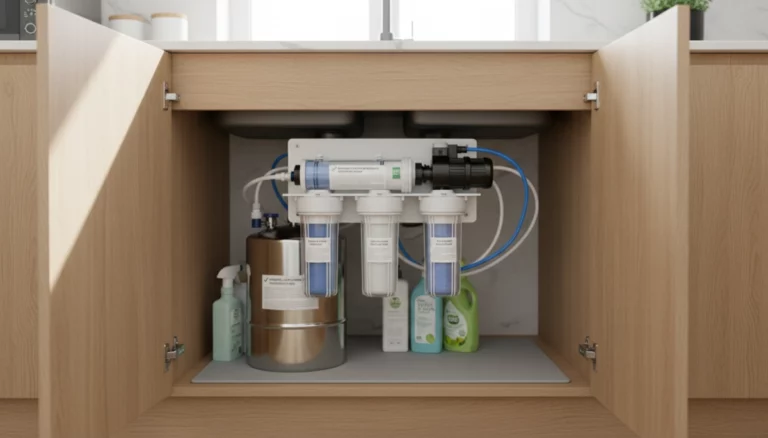
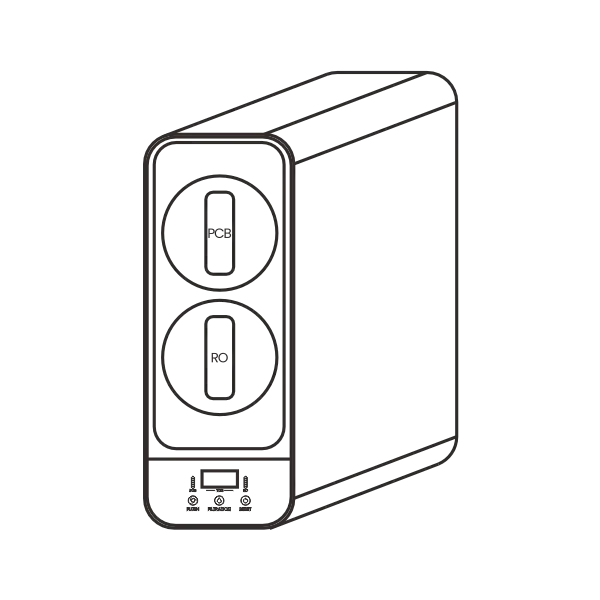
- RO (Reverse Osmosis) filtration: Removes contaminants, heavy metals, and impurities by pushing water through a semipermeable membrane.
- UF (Ultrafiltration) filtration: Uses a finer membrane to filter out bacteria and suspended solids without affecting mineral content.
For temperature control, these dispensers often feature compressor refrigeration systems for efficient cooling, paired with optional heating elements to provide warm water. Additionally, some models include UV sterilization, which uses ultraviolet light to kill bacteria and viruses, offering an extra layer of water purity.
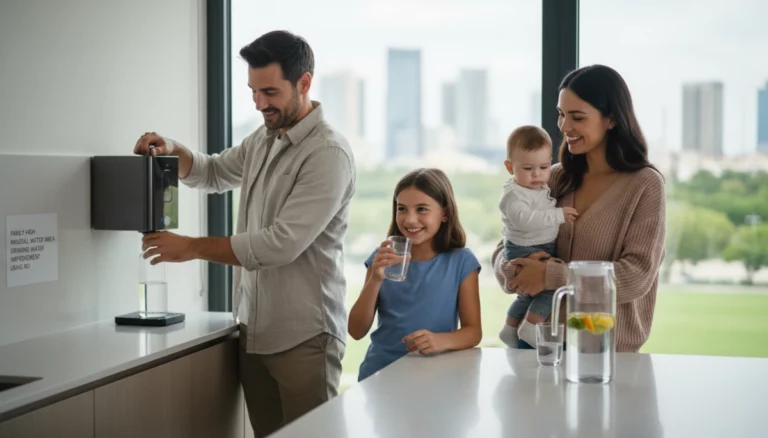
Wall-mounted stainless steel water fountains, like those designed by driplife, offer space-saving benefits and include user-friendly features tailored for both commercial and public environments. These units meet strict specifications for durability and hygiene, making them ideal for schools, offices, and public venues.
In , stainless steel water dispensers combine robust 304 stainless steel construction with modern filtration, cooling, and sterilization technologies, ensuring clean, safe, and fresh-tasting water in a durable, easy-to-maintain package.
Is Stainless Steel Safe for Water Contact? Evidence & Regulations
Stainless steel is one of the safest materials for water contact, especially when it comes to drinking water. The food-grade 304 stainless steel commonly used in water dispensers, like those from driplife, is non-reactive and highly resistant to corrosion. This means it won’t leach harmful chemicals or rust into your water, keeping it clean and safe.
When it comes to safety regulations, driplife products meet key standards. They comply with ADA (Americans with Disabilities Act) requirements, ensuring accessibility for all users. Plus, the stainless steel we use is certified by the FDA and NSF, confirming it’s food-grade and approved for handling drinking water.
Scientific studies back up stainless steel’s neutral behavior—it doesn’t affect water taste or quality, and its corrosion resistance makes it ideal for long-term use. Industry standards for water dispensers reinforce these points, requiring materials that are durable and safe for public and commercial use.
At driplife, we make sure every wall-mounted stainless steel water dispenser undergoes strict quality checks and follows these regulations. This commitment guarantees you get a safe, reliable, and hygienic water solution every time.
Key Scenarios for Using Stainless Steel Water Dispensers
Stainless steel water dispensers fit perfectly in many settings across the U.S., thanks to their durability, hygiene, and sleek design. Here’s where they shine the most:
| Scenario | Why Stainless Steel Works | Benefits |
|---|---|---|
| Commercial Offices | Keeps employees and visitors hydrated safely | Durable, easy to clean, stylish for offices |
| Schools & Healthcare | Hygiene is critical in these environments | Resistant to bacteria & easy to sanitize |
| Airports, Gyms, Malls | High-traffic areas need tough, reliable units | Long-lasting, vandal-resistant, ADA compliant |
| Hospitality & Recreation | Hotels, resorts, and sports venues demand quality | Offers hot/cold water with filtration options |
| Wall-Mounted Units | Saves space and reduces floor clutter | Easier maintenance, less risk of spills |
Stainless steel water dispensers also help maintain water purity with options like RO filtration and UV sterilization. Wall-mounted designs take up less space, making them ideal for busy spots where every square foot counts.
For U.S. businesses and public spaces looking for clean, reliable hydration solutions, stainless steel water dispensers check all the boxes.
Stainless Steel vs. Plastic vs. Other Materials
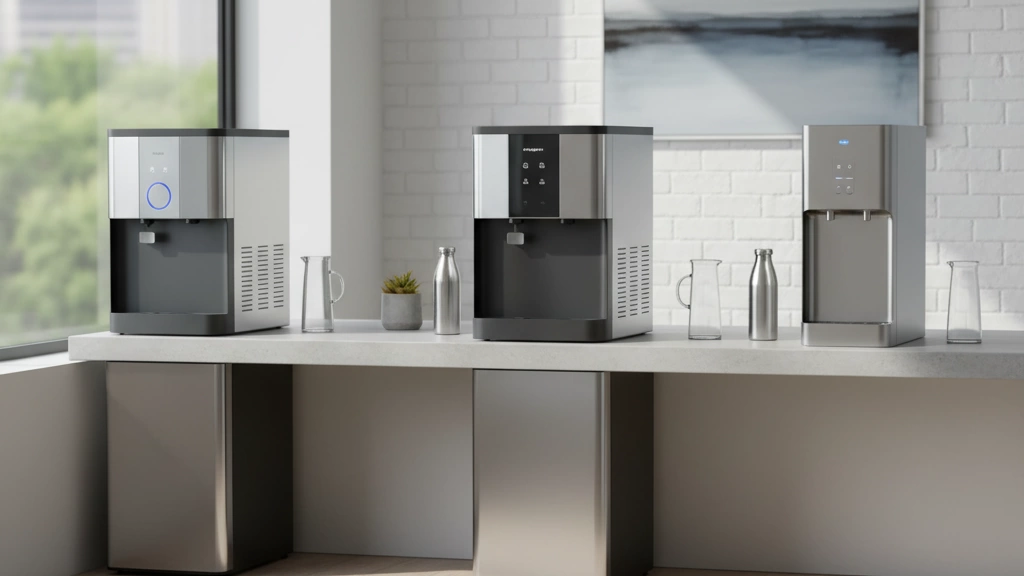
When choosing a water dispenser, the material matters a lot for durability, hygiene, and long-term value. Here’s a quick look at common options:
Stainless Steel vs. Plastic
- Durability and Lifespan: Stainless steel water dispensers last way longer than plastic ones. They resist dents, cracks, and wear, making them ideal for busy offices or public spaces.
- Hygiene and Sanitary Advantages: Stainless steel is non-porous and easier to clean, reducing bacteria buildup. Plastic can scratch easily, which may harbor germs over time.
- Environmental Impact: Stainless steel is highly recyclable and more eco-friendly. Plastic dispensers contribute to more waste and don’t break down as cleanly.
Stainless Steel vs. Other Metals
- Corrosion Resistance: Compared to aluminum or coated steel, food-grade 304 stainless steel handles moisture and regular use better without rusting.
- Maintenance: Stainless steel is low maintenance. It doesn’t require repainting or coating replacements, unlike some metal alternatives.
Cost and Long-Term Value
- Stainless steel dispensers might cost more upfront but pay off over time with their durability and lower maintenance needs.
- Plastic models are budget-friendly initially but may need replacing sooner, especially in high-traffic areas.
In short, stainless steel water dispensers offer the best balance of hygiene, durability, and environmental benefits, making them a smart long-term investment for many workplaces and public environments.
When to Choose Stainless Steel and When to Consider Other Options
Stainless steel water dispensers are a solid pick in many situations, but they’re not always the best fit. Here’s when stainless steel makes sense—and when you might want to look at other options.
When to Choose Stainless Steel:
- High Hygiene Needs: Places like hospitals, schools, and food service areas demand clean, bacteria-resistant materials. Food-grade 304 stainless steel is easy to sanitize and won’t harbor germs.
- High Traffic Locations: Offices, gyms, and airports where lots of people use the water dispenser benefit from stainless steel’s durability and resistance to corrosion.
- Long-Term Investment: Stainless steel units cost more upfront but last longer and need less maintenance, delivering better value over time.
- Low Maintenance Desire: If you want a dispenser that holds up without frequent repairs or replacements, stainless steel is ideal.
- Wall-Mounted Options: Many stainless steel water fountains and coolers come in space-saving wall-mounted designs perfect for busy, tight areas.
When to Consider Plastic or Hybrid Dispensers:
- Tight Budgets: Plastic water dispensers generally cost less initially and are easier to replace if damaged.
- Light-Duty Use: For small offices or homes where the dispenser won’t get heavy use, plastic models often perform well enough.
- Weight and Portability: Plastic units are lighter and easier to move or install compared to stainless steel.
- Special Features: Some plastic or hybrid dispensers might offer built-in filtration or other tech at a lower price point.
| Decision Factors | Stainless Steel Water Dispensers | Plastic/Hybrid Dispensers |
|---|---|---|
| Durability | High – corrosion and impact-resistant | Moderate – more prone to damage |
| Hygiene & Safety | Excellent – food-grade 304 stainless steel | Good, but surface may scratch easily |
| Maintenance | Low – easy to clean and less frequent repairs | May require more upkeep |
| Initial Cost | Higher upfront cost | Lower upfront cost |
| Environmental Impact | Eco-friendly, recyclable | Less eco-friendly, plastic waste concerns |
| Weight & Portability | Heavier and less portable | Lighter and portable |
Bottom Line
If you need a durable, hygienic, and low-maintenance water dispenser for high-use environments, stainless steel is the way to go. For smaller budgets or lighter use, plastic or hybrid models might be a better fit. Always weigh your site’s needs, traffic, and budget before deciding.
At Driplife, we help you find the right water dispenser—whether that’s a commercial stainless steel water dispenser or a cost-effective plastic option.
Alternatives to Standalone Stainless Steel Water Dispensers
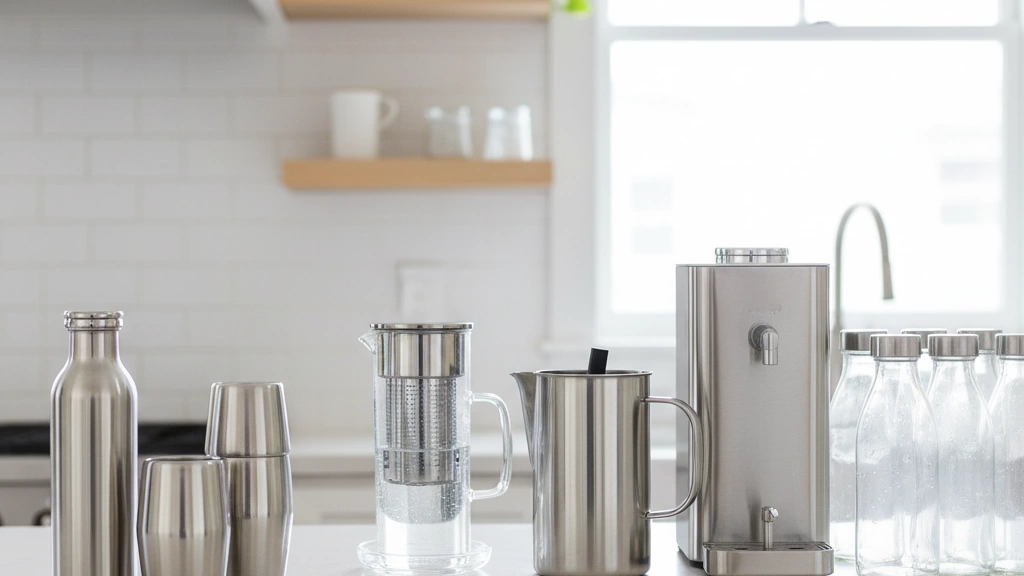
While standalone stainless steel water dispensers are popular, there are other options depending on your needs.
Traditional Plastic Water Dispensers
These are common and usually less expensive upfront. They’re lightweight and easy to move but don’t last as long and can stain or retain odors. Also, they typically don’t offer the same durability or hygiene advantages as stainless steel units.
Built-In Piped Direct Drinking Water Systems
These systems connect directly to your building’s water supply. Installation requires plumbing but offers continuous filtered water without needing bottle replacements. They’re great for offices, schools, or public spaces with high daily use. Plus, you often get advanced filtration and temperature control built in.
Stainless Steel Electric Water Heaters and Boilers
When hot water is a must, stainless steel electric heaters deliver quick, safe heating without sacrificing hygiene. These units are common in offices or cafes where users want both cold filtered water and instant hot water for drinks.
Where driplife Fits In
At driplife, we design wall-mounted stainless steel water fountains that work perfectly on their own or alongside these alternatives. Whether you want a standalone water dispenser with RO filtration or a system integrated into your building’s plumbing, our products cover a range of solutions. Our focus is on durable, hygienic units that fit the busy lifestyle of U.S. commercial and public spaces.
Choosing the right option depends on your space, budget, and how your team or customers use water daily.
Best Practices for Using Stainless Steel Water Dispensers (Expert Advice)
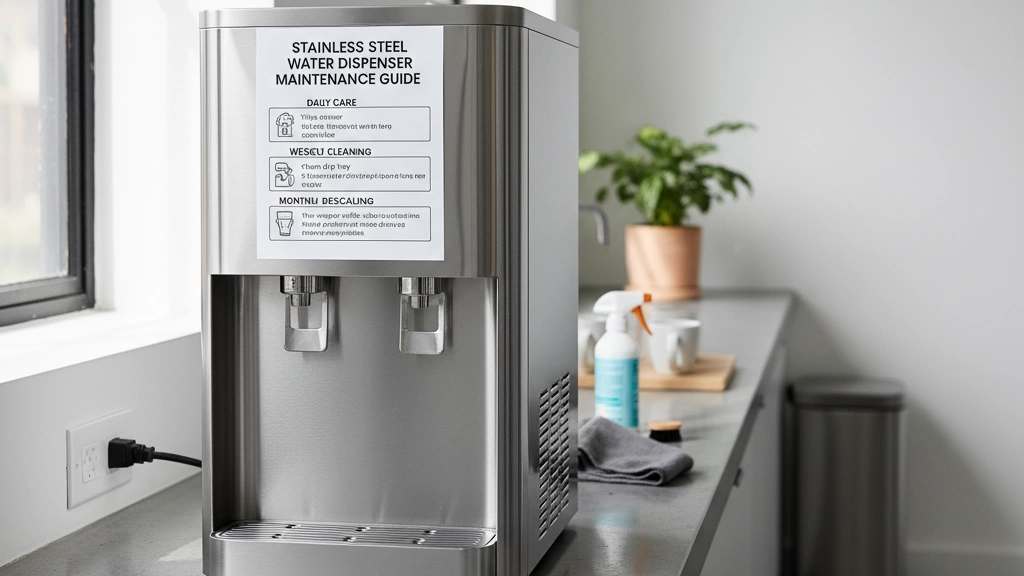
Keeping your stainless steel water dispenser in top shape is easier than you might think, but it takes some routine care. Here’s what I recommend to make sure your dispenser lasts long and stays hygienic:
Cleaning Protocols and Schedules
- Wipe down surfaces weekly with a mild detergent and soft cloth to maintain that clean, shiny look and prevent any build-up.
- Deep clean the dispenser monthly, including nozzles and drip trays, to avoid bacteria or mold growth.
- Avoid harsh chemicals that might damage the stainless steel finish—stick with food-safe cleaners.
Filter Replacement Guidelines
- For dispensers with RO (Reverse Osmosis) or UF (Ultrafiltration) filtration, replace filters every 6 to 12 months depending on usage and water quality.
- Some units also have UV sterilization bulbs that should be checked annually to maintain water purity.
- Keep an eye on any filter change indicators your system provides and swap filters promptly.
Routine Inspections
- Check for leaks or drips monthly, especially around joints and water connections.
- Look for signs of wear or corrosion on seals or fittings to nip problems before they affect water quality.
- Inspect cooling and heating components to be sure they’re running efficiently.
When to Call in Professionals
- Schedule professional maintenance annually to fully inspect and service refrigeration systems, electrical components, and internal plumbing.
- Experts can also perform deep sanitizing treatments that go beyond regular cleaning.
- If you notice inconsistent temperatures, odd noises, or water flow issues, reach out to driplife’s service team promptly.
Tips to Maximize Lifespan and Performance
- Place your dispenser away from direct sunlight or heat sources to avoid unnecessary wear on cooling parts.
- Use only food-grade stainless steel compatible cleaning agents and replacement parts to maintain warranties and certifications.
- Encourage users to avoid rough handling or misuse around dispensing buttons and faucets.
driplife’s Support & Customer Service
- driplife offers expert support for installation, maintenance tips, and quick access to genuine replacement filters and parts.
- Their wall-mounted water fountains are backed by quality guarantees and detailed guides to keep your unit running smoothly.
- Reach out to driplife anytime for personalized advice tailored to your commercial office, school, or public space needs.
By following these simple practices, your stainless steel water dispenser will stay safe, hygienic, and reliable for years!
Frequently Asked Questions (FAQ)
Is stainless steel water safe to drink from?
Yes, food-grade 304 stainless steel is completely safe for water contact. It’s corrosion-resistant and doesn’t leach chemicals, making it a trusted material for safe, clean drinking water.
How long do stainless steel dispensers last?
With proper care, stainless steel water dispensers can last 10 years or more. Their durability and resistance to rust give them a longer lifespan compared to plastic or coated metal units.
Can stainless steel dispensers be wall-mounted?
Absolutely. Driplife specializes in wall-mounted stainless steel water fountains that save space and are ideal for commercial and public settings.
What kind of maintenance is involved?
Regular cleaning and timely filter replacements are key. Inspect for leaks or wear, and consider professional maintenance annually to keep your dispenser running smoothly and hygienically.
Are there any warranties or certifications offered?
Yes, driplife products come with certifications like ADA compliance, NSF, and FDA approvals for safety and quality. Warranties vary by model but typically cover manufacturing defects and performance.
How does stainless steel affect the taste of water?
Stainless steel is neutral and doesn’t affect water taste. Unlike plastic, it won’t add any off-flavors, ensuring fresh, pure water every time.
What sizes and models are available from driplife?
Driplife offers a range of stainless steel water dispensers, including wall-mounted fountains for schools, commercial offices, and public spaces. Options include models with RO or UF filtration, cooling, heating, and UV sterilization features to fit your specific needs.