













Understanding 99% Salt Rejection in TDS Water Filter Systems
At DripLife, we define salt rejection rate as the critical percentage of Total Dissolved Solids (TDS) removed from feed water by the Reverse Osmosis (RO) membrane. For our bulk OEM partners, distinguishing between stabilized salt rejection (the consistent average performance during steady operation) and minimum salt rejection (the baseline guarantee) is essential for product validation. Our advanced filtration architecture is engineered to deliver a stabilized 99% TDS reduction, ensuring that the final permeate water meets the rigorous standards required for both premium residential and commercial markets.
Comparing 95-98% vs. 99%+ Rejection Performance
While standard market filters often operate within the 95-98% range, a High-rejection RO membrane capable of 99% salt rejection provides a superior safety margin, particularly in regions with compromised water sources. The difference in purity is mathematically significant:
- Scenario: Feed water with 1,000 ppm TDS.
- 95% Rejection: Output = 50 ppm TDS.
- 99% Rejection: Output = 10 ppm TDS.
For applications requiring ultra-pure water, this variance determines whether the output is merely potable or truly pristine. Our systems are designed to maximize this removal efficiency, effectively stripping out heavy metals, fluoride, and dissolved salts that lower-tier membranes miss.
Key Factors Influencing Rejection Rates
Achieving and maintaining a Salt rejection rate of 99% requires precise engineering across three primary variables:
- Membrane Technology: We utilize premium Thin film composite (TFC) membranes with a dense polyamide layer designed for maximum selectivity.
- Operating Pressure: High rejection requires overcoming osmotic pressure. Our systems integrate high-efficiency booster pumps to maintain optimal psi, ensuring consistent permeation even under heavy loads.
- Temperature & pH: Changes in water viscosity and acidity can alter membrane performance. Our engineering accounts for these variables to stabilize rejection rates across diverse environmental conditions.
Why 99% Rejection is Essential for Commercial Applications
For commercial sectors—such as coffee shops, laboratories, and hydroponics—consistency is currency. A 99% TDS reduction ensures that equipment is protected from scale buildup and that the water profile remains neutral, allowing the true flavors of beverages or the precise chemistry of solutions to stand out. Lower rejection rates introduce variability that can damage sensitive machinery and alter product quality.
FAQ: Feed Water TDS Impact
How does feed water TDS impact the final rejection rate?
As feed water TDS increases, the osmotic pressure required to push pure water through the membrane also rises. In standard systems, this can cause the rejection rate to drop. However, DripLife systems are equipped with robust pumping mechanisms that compensate for higher osmotic pressure, maintaining a consistent 99% salt rejection even when handling brackish or high-TDS input water.
Core Technology Behind Driplife’s 99% Rejection Systems

At DripLife, achieving a stabilized 99% salt rejection rate isn’t an accident; it is the result of precision engineering and high-grade materials. We design our systems to meet the rigorous demands of both residential and commercial applications, ensuring that the Total Dissolved Solids (TDS) reduction is consistent and verifiable.
Advanced Thin-Film Composite (TFC) Membranes
The engine of our filtration systems is the Thin film composite membrane. Unlike standard cellulose acetate membranes, our TFC elements are engineered with a dense polyamide layer that maximizes contaminant rejection while maintaining high flux.
- High-Rejection Architecture: Specifically designed to reject monovalent ions (like sodium and chloride) at a rate of 99%.
- Durability: Resistant to biological attack and capable of operating within a wide pH range (2-11), ensuring longevity even with harsh feed water.
- Low Energy High Rejection: We utilize Low energy high rejection membrane technology that achieves optimal desalination without requiring excessive energy consumption.
Multi-Stage Desalinization Process Engineering
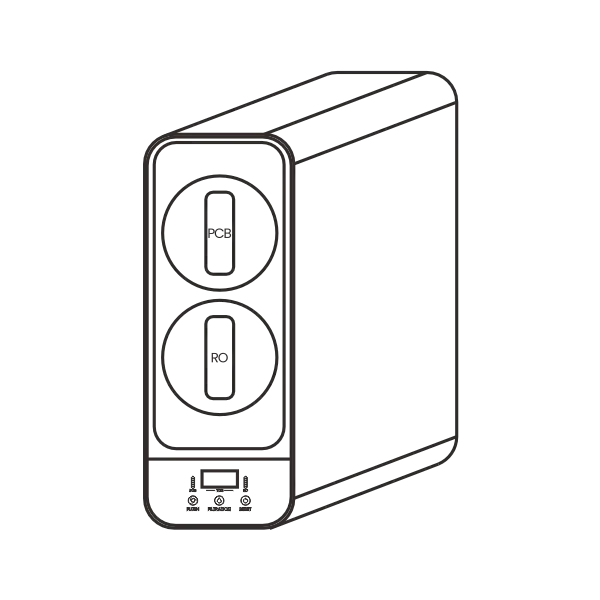
A single membrane cannot do the job alone. We protect the core RO element with a robust pre-filtration setup found in our premium undersink reverse osmosis water filter models. This Multi-stage desalinization process typically involves:
- High-Density PP Cotton: Removes suspended solids and rust to prevent membrane fouling.
- Activated Carbon Block: Eliminates chlorine and organics that can degrade TFC material.
- RO Membrane: The primary barrier for 99% TDS reduction.
- Post-Carbon Polishing: Ensures superior taste profiling after the filtration process.
High-Efficiency Pumps and Smart Integration
To force water through a semi-permeable membrane at high efficiency, pressure is non-negotiable. Our bulk OEM systems integrate high-performance booster pumps that maintain optimal operating pressure regardless of the inlet water supply.
- Permeate Pump Efficiency: Our designs minimize wastewater, achieving recovery rates significantly higher than traditional systems.
- Real-Time Monitoring: We incorporate Real-time TDS digital display features directly into the chassis or faucet. This allows end-users to visually verify the Salt rejection rate 99% performance instantly.
- Consistent Flow: Whether configured for 400 GPD or 1000 GPD, our High flow RO system GPD ratings are stabilized to ensure no drop in production during peak usage.
Detailed Technical Specifications for Bulk OEM Models
We engineer our water filtration solutions to meet rigorous industrial standards while maintaining the flexibility required for diverse market applications. Unlike simple water filter containers that rely on gravity and basic carbon media, our OEM systems utilize active pressure technology to drive water through semi-permeable membranes, achieving that critical 99% TDS reduction.
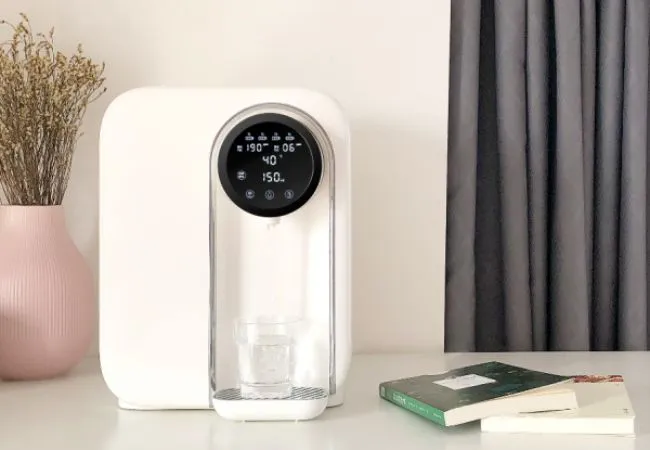
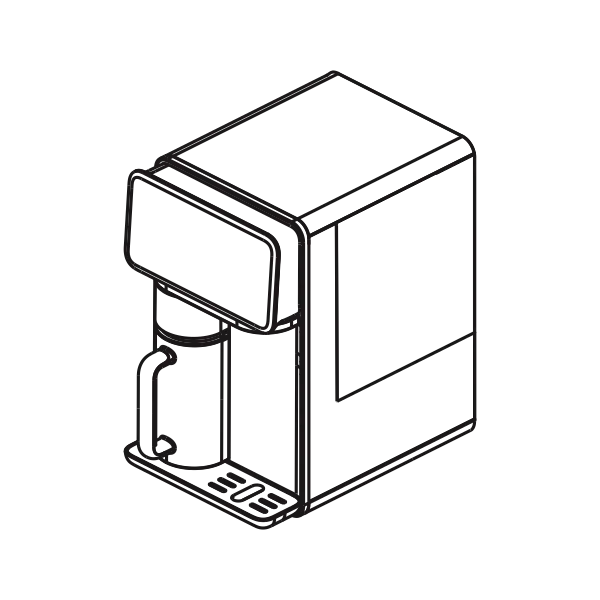
Our manufacturing lines support a wide range of standard configurations, including space-saving countertop units, high-capacity under-sink systems, and robust commercial series models. Below is the technical breakdown for our bulk supply options.
Key Performance Metrics
We provide transparent data to help distributors match the right system to their local water conditions. Our high flow RO system GPD ratings are tested under standard conditions (77°F/25°C, 60 psi) to ensure reliability.
| Feature | Specification Range |
|---|---|
| Daily Output Capacity | 150 GPD – 2000+ GPD (Scalable) |
| Salt Rejection Rate | 99% Stabilized (Minimum 97%) |
| Operating Pressure | 40 psi – 125 psi (Standard Residential) |
| Recovery Rate | 1:1 to 2:1 (High-Efficiency Configuration) |
| Feed Water TDS Tolerance | Up to 2000 ppm (Standard) / 4000 ppm (Brackish) |
| Inlet Water Temperature | 41°F – 113°F (5°C – 45°C) |
Membrane Dimensions and Durability
The core of our high rejection RO membrane technology lies in the precise engineering of the membrane elements. We utilize industry-standard sizing to ensure compatibility and ease of maintenance for end-users, while upgrading the internal chemistry for extended lifespans.
- Residential Elements: We stock standard 1812 and 2012 membrane sizes for compact residential housings, optimized for low-pressure energy efficiency.
- Commercial Elements: For higher output demands, our 4040 industrial membranes provide maximum surface area for heavy-duty desalination.
- Durability Features: All membranes feature fouling-resistant surface modifications and reinforced outer shells to withstand pressure spikes and minimize performance degradation over time.
OEM/ODM Customization Capabilities at Driplife
At DripLife, we understand that one size rarely fits all in the competitive water treatment market. We provide comprehensive OEM ODM water purifier services that allow you to bring TDS Water Filter Systems with 99% Salt Rejection to market under your own brand name. Our engineering team works directly with your specifications to build a Custom RO filtration solution that aligns perfectly with your business goals and customer expectations.
Tailored Branding and Regional Engineering
We move beyond basic logo placement. Our customization process covers every aspect of the product lifecycle, ensuring your inventory stands out on the shelf and performs reliably in the field.
- Full Private Labeling: We offer complete custom branding, including silk-screen logos on the chassis, customized packaging boxes, and user manuals tailored to your language and brand voice.
- Regional Water Adaptation: Water quality varies significantly across the US. We engineer systems specifically for your target market’s water profile, adjusting the filtration stages to handle high-hardness or brackish water while maintaining a 99% TDS reduction.
- Flexible Configurations: Whether you need a compact water filter from sink design or a high-flow commercial setup, we adjust membrane sizing and stage counts to meet your specific performance metrics.
Scalable Manufacturing Power
Reliability is key for bulk distribution. Our facility is equipped to support massive growth without compromising on the Salt rejection rate 99% standard that defines our high-performance units.
- High-Volume Output: Our automated production lines boast an annual capacity of over 500,000 units, ensuring we can meet tight lead times for large-scale orders.
- Smart Feature Integration: We can integrate advanced electronics, such as real-time TDS digital displays and smart faucet indicators, directly into your custom build to offer a modern user experience.
Quality Assurance and Manufacturing Excellence
At DripLife, we operate with a philosophy of total vertical integration. We control the critical manufacturing steps rather than relying on third-party assemblers, which is essential for maintaining tight tolerances on high-rejection RO membrane production. Our facility houses dedicated R&D and software laboratories where we validate the performance of every smart monitoring system and filtration component. This internal oversight allows us to provide factory-direct quality assurance that meets the rigorous demands of the US market.
To maintain a consistent 99% TDS reduction, we utilize strict online quality control and batch-tested salt rejection rates. We do not rely on theoretical data; we verify performance through high-pressure durability testing on the production line. This ensures that every unit handles varying water pressures without compromising the structural integrity of the food-grade internal waterways.
Compliance and Certification Standards
Safety and reliability are non-negotiable for bulk buyers and OEM partners. Our manufacturing processes align with global standards to ensure immediate market readiness:
- Material Safety: Components are built to meet NSF certified RO elements standards, ensuring material safety and filtration efficacy.
- Global Compliance: Full adherence to TUV and CE certifications for international distribution.
- Performance Verification: Rigorous testing protocols applied to all models, including our under-sink reverse osmosis filtration systems, to guarantee leak-free operation and consistent flow.
By keeping R&D and production under one roof, we eliminate the variability often found in outsourced manufacturing. This vertical integration secures the supply chain and guarantees that our industrial RO technical specifications are met with precision in every batch, providing distributors with a reliable, high-margin product.
Why Choose Driplife for Bulk OEM TDS Filter Systems
As a dedicated China RO system supplier, we understand that for distributors and brand owners, the bottom line depends on two things: margin and reliability. We don’t just assemble parts; we engineer the core technology, including high rejection RO membrane elements, ensuring your product line stands out in a crowded market. Partnering with us means accessing a bulk wholesale RO system supply chain that prioritizes 99% TDS reduction and operational consistency.
Factory-Direct Pricing for Maximum Margins
We operate with a tiered wholesale pricing structure that rewards volume. By sourcing directly from our manufacturing facility, you eliminate the markup of trading companies and middlemen. This direct access allows you to maintain competitive retail pricing while securing a healthier profit margin. Our factory direct RO membrane production ensures that the most expensive component of the system—the filtration core—is cost-optimized without sacrificing the salt rejection rate 99% standard.
Global OEM Track Record & Reliability
We have built a scalable manufacturing capacity capable of handling orders ranging from small pilot batches to massive annual contracts (500,000+ units). Our facility is vertically integrated, meaning we control the quality of internal waterways, injection molding, and final assembly. This vertical control is why global brands trust us as their primary reverse osmosis OEM manufacturer.
Whether you are looking to private label a compact countertop unit or a high-capacity undersink reverse osmosis system, our engineering team ensures every unit meets strict factory-direct quality assurance protocols before it hits the shipping container.
The Driplife Advantage:
| Feature | Driplife OEM/ODM | Traditional Trading Company |
|---|---|---|
| Cost Structure | Factory-direct, high margin | Layered markups, lower margin |
| Customization | Full design & mold control | Limited to off-the-shelf options |
| Technical Data | Direct access to R&D engineers | Slow relay of technical info |
| Quality Control | In-house lab & batch testing | Third-party inspection only |
Comprehensive Distributor Support
We support our partners with more than just hardware. We provide detailed industrial RO technical specifications, marketing assets, and after-sales engineering support. If your local water conditions require specific modifications—such as handling brackish water—our R&D team adjusts the system parameters to ensure consistent performance.
FAQs: Ordering and Lead Times
What is the lead time for custom OEM orders?
For standard bulk wholesale RO system orders, our production lead time is typically 15–20 days. For fully custom OEM projects involving new mold designs or specific branding requirements, the timeline is generally 30–45 days to allow for prototyping and high-pressure durability testing.
Do you provide samples for testing salt rejection?
Yes. We encourage all potential partners to test our units. We can ship sample units specifically for you to verify the 99% TDS reduction capabilities in your local water environment before committing to a bulk order.