












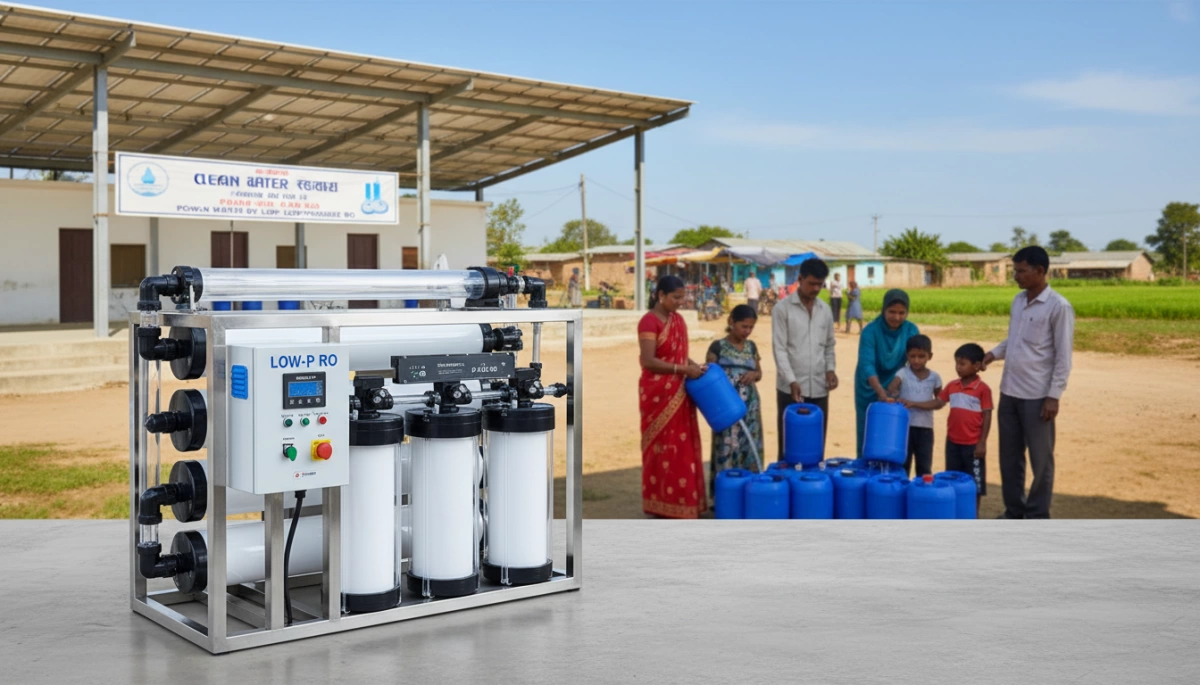
The Real Struggle: Water Access in Rural Areas
Expanding clean water access into rural territories is one of the toughest challenges we face in the water treatment industry. While the demand for purification is massive, the rural infrastructure often isn’t ready to support standard industrial equipment. We see distributors and developers constantly hitting a wall: trying to force city-grade technology into off-grid or remote environments.
The reality is that market penetration in these areas isn’t about just shipping a product; it’s about solving the unique logistical nightmares that come with remote locations.
Why Traditional High-Pressure Systems Fail
Standard Reverse Osmosis (RO) systems are beasts when it comes to power. To force water through a standard membrane and achieve high salt rejection, you typically need significant feed water pressure. This requirement creates a domino effect of failure in rural settings:
- Excessive Pump Strain: High-pressure requirements mean relying on heavy-duty booster pumps.
- Equipment Fatigue: In rugged environments, running pumps at maximum capacity leads to faster wear and tear.
- Maintenance Nightmares: When a high-pressure pump fails in a remote village, getting a technician out there isn’t quick or cheap.
Traditional systems are simply too demanding for environments where resources are scarce.
The Impact of Unreliable Electricity Grids
The biggest enemy of a standard RO system is an unstable power supply. In many rural markets, the electrical grid is prone to voltage fluctuations, brownouts, or complete outages.
High-pressure systems require a consistent, strong current to maintain the necessary feed water pressure. When the grid wobbles, the system shuts down or, worse, the motors burn out. We cannot expect a system designed for a stable industrial park to survive on a weak rural grid. This instability makes energy efficiency not just a “nice-to-have” feature, but a critical operational requirement.
Cost Barriers for Rural Communities
Ultimately, it comes down to the Total Cost of Ownership (TCO). For a rural water project to be sustainable, the operational costs must be kept rock bottom.
- High Energy Bills: Traditional high-pressure pumps consume massive amounts of electricity, driving up the cost per gallon of water.
- Infrastructure Costs: Supporting heavy machinery requires expensive electrical upgrades (transformers, stabilizers) that rural budgets can’t absorb.
If the system costs too much to run, it gets turned off. That is why we focus on low-pressure membrane technology—because reducing the energy load is the only way to make clean water economically viable in these markets.
What Exactly is a Low-Pressure RO System?
Defining Low-Energy Reverse Osmosis (LPRO)
At Driplife, we define Low-Energy Reverse Osmosis (LPRO) as a specialized filtration approach designed to maximize water production while minimizing energy consumption. Unlike standard industrial setups that demand immense power, our Ultra-Low Pressure (ULP) series membranes are engineered to operate effectively at significantly reduced operational pressures.
This technology utilizes advanced Polyamide Thin-Film Composite (TFC) materials. These materials are chemically modified to increase membrane permeability without sacrificing filtration quality. Essentially, we are achieving the same high-standard purification—removing up to 98% of dissolved solids—but doing so with a much lighter energy footprint. This makes low-pressure membrane technology the ideal choice for regions where the electrical grid is unstable or where solar power is the primary energy source.
How Low-Pressure Membranes Work
The magic lies in the surface chemistry of the membrane. In a standard RO scenario, you need high pressure to force water molecules through the semi-permeable layer against the natural osmotic pressure.
Our low-pressure membranes are designed with a looser, yet highly selective, molecular structure. This allows water molecules to pass through more freely at lower feed water pressure, while still blocking contaminants like salts, heavy metals, and bacteria.
- Reduced Resistance: The membrane offers less resistance to water flow, requiring less force from the pump.
- High Flux: We maintain a steady flow rate even when the system isn’t running at max capacity.
- Energy Efficiency: Because the back-pressure is lower, the booster pump necessity is reduced, allowing for smaller, more energy-efficient pumps.
Key Differences Between Standard and Low-Pressure RO
Understanding the distinction between these two technologies is critical for making the right infrastructure investment. Here is a breakdown of how our ULP technology compares to traditional high-pressure systems:
| Feature | Standard High-Pressure RO | Low-Pressure RO (Driplife ULP) |
|---|---|---|
| Operating Pressure | 225 psi (15.5 bar) or higher | 100–150 psi (6.9–10.3 bar) |
| Energy Consumption | High (Requires heavy-duty pumps) | Low (Up to 30-40% savings) |
| Salt Rejection Rate | 99%+ | 97% – 98% (Excellent for potable water) |
| Pump Requirement | Large, expensive multi-stage pumps | Smaller, cost-effective rotary or solar pumps |
| Application | Seawater desalination, high-salinity industrial waste | Brackish water desalination, rural water supply, municipal tap water |
By shifting to low-energy reverse osmosis, operators in rural markets can bypass the heavy infrastructure requirements that usually stall water projects. We provide a solution that balances TDS reduction with operational reality, ensuring clean water is accessible without breaking the bank on electricity.
Why LPRO is the Game Changer for Rural Markets
We see Low-Pressure Reverse Osmosis (LPRO) as the definitive bridge between needing clean water and actually being able to afford the infrastructure to get it. In rural expansion, the technology isn’t just about filtration; it is about economic feasibility. By shifting to low-pressure membrane technology, we eliminate the heavy operational costs that usually doom rural water projects.
Massive Energy Savings and Efficiency
The math here is simple: higher pressure requires more electricity. Traditional industrial RO systems demand high-pressure pumps that guzzle power, driving up the monthly utility bills for operators. Our Driplife ULP (Ultra-Low Pressure) series changes this dynamic entirely.
Designed to operate at significantly reduced psi (often around 100–150 psi for commercial applications), these membranes maintain a high permeate flow without the heavy energy tax. This reduction in feed water pressure directly correlates to lower electricity consumption, making the system far more sustainable for long-term operation. It ensures that achieving significant TDS water filter reduction goals doesn’t come with a prohibitive energy price tag.
Compatibility with Solar and Renewable Energy
One of the biggest hurdles in remote areas is the lack of a stable electrical grid. This is where energy-efficient water filtration shines. Because LPRO systems reduce the booster pump necessity—or allow for the use of much smaller, lower-voltage pumps—they are perfectly suited for solar-powered RO systems.
- Low Power Draw: Smaller pumps require fewer solar panels and smaller battery banks.
- Off-Grid Viability: Communities completely disconnected from the grid can now access reliable rural water supply solutions.
- Consistent Output: Even with fluctuating solar input, low-pressure systems maintain a relatively steady flow rate compared to high-pressure demands.
Lowering the Barrier to Entry for Operators
For local entrepreneurs and rural cooperatives, the initial capital expenditure (CAPEX) is often the dealbreaker. High-pressure systems require expensive, heavy-duty pumps and reinforced piping to handle the stress. By utilizing low-energy reverse osmosis membranes, we lower the hardware requirements.
Operators can utilize more affordable, standard pumps rather than specialized high-pressure industrial units. This reduction in upfront hardware costs, combined with lower ongoing energy bills, significantly lowers the barrier to entry. It allows for faster market penetration in rural sectors, enabling smaller players to set up effective water stations that are profitable from day one.
Economic Advantages of Low-Pressure RO
Reducing Operational Expenditures (OPEX)
In rural water projects, energy consumption is often the single largest ongoing cost. Traditional desalination or purification setups require high-pressure pumps that demand significant electricity, which can be prohibitively expensive in off-grid or weak-grid locations. Low-pressure RO systems fundamentally change this equation.
By utilizing our ULP (Ultra-Low Pressure) series membranes, operators can achieve high permeate flow at significantly reduced operating pressures (often around 100–150 psi for commercial applications). This reduction allows for the use of smaller, less energy-hungry booster pumps. The result is a drastic cut in monthly utility bills or fuel costs for generator-based sites, directly lowering the water purification operational costs.
Faster Return on Investment (ROI)
The financial viability of a rural water station hinges on how quickly the initial capital expenditure can be recovered. Low-pressure systems contribute to a faster ROI in two distinct ways:
- Lower Initial Hardware Costs: Because the system operates at lower psi, there is no need for expensive, heavy-duty high-pressure piping and oversized pumps.
- Extended Equipment Lifespan: Operating at lower pressures reduces mechanical stress on the entire system. Pumps, seals, and fittings experience less wear and tear, leading to longer service intervals and fewer emergency repairs.
Our Polyamide Thin-Film Composite membranes are designed for durability, ensuring that the system remains an asset rather than a liability.
Making Clean Water Affordable for End Users
The ultimate goal of rural market expansion is accessibility. If the cost of production is high, the price per gallon for the consumer must also be high, which limits market penetration. By minimizing energy and maintenance overheads, operators can lower the price point for the end user while maintaining healthy profit margins.
Deploying efficient technology, such as a high-capacity reverse osmosis filtration system, allows businesses to scale up production without a linear increase in costs. This efficiency ensures that communities get access to water with 97% to 98% salt rejection rates at a price they can afford, securing long-term business sustainability.
Technical Reliability in Remote Locations
When we talk about expanding into rural territories, the equipment has to be tough. We aren’t just dealing with distance; we are dealing with variable water quality and limited technical support. Low-pressure systems are built to withstand these rugged environments where standard setups often fail.
Handling Brackish Groundwater Effectively
Rural water sources, especially deep wells, frequently suffer from high Total Dissolved Solids (TDS). In these scenarios, brackish water desalination becomes a necessity, not an option. Our Ultra-Low Pressure (ULP) series membranes are engineered to tackle this specific challenge.
By utilizing advanced Polyamide Thin-Film Composite materials, we achieve a stable salt rejection rate of 97% to 98%. This ensures that even with fluctuating feed water quality, the permeate remains safe and potable. Unlike standard membranes that require immense pressure to force water through, our technology maintains high rejection rates without stressing the infrastructure, making TDS reduction efficient even in off-grid setups.
Simplified Maintenance and Durability
In remote locations, downtime is costly because getting a technician on-site can take days. Low-pressure membrane technology significantly extends the lifespan of the entire system. Operating at lower pressures reduces the mechanical load on pumps, seals, and piping, leading to fewer leaks and component failures.
We focus on durability to minimize the frequency of site visits. Because our membranes maintain high flux at lower pressures, they are less prone to the rapid fouling that plagues high-pressure systems running on untreated raw water. This reliability is crucial for maintaining a consistent rural water supply solution.
Performance at Lower PSI Levels
The biggest hurdle in rural expansion is often the lack of consistent power to drive high-pressure pumps. Standard industrial RO requires pressures that small solar setups or weak rural grids simply can’t support.
Our systems are designed to deliver consistent membrane permeability at significantly reduced PSI levels. Whether it is a commercial unit running at 100–150 psi or a residential application, the feed water pressure requirements are drastically lower. This compatibility allows for the use of smaller, energy-efficient booster pumps, or even direct solar-driven pumps, ensuring steady flow rates without blowing the energy budget.
Comparison: Standard vs. Low-Pressure RO in Rural Applications
| Feature | Standard High-Pressure RO | Driplife Low-Pressure (ULP) RO |
|---|---|---|
| Operating Pressure | 225+ psi (High Energy) | 100–150 psi (Energy Efficient) |
| Pump Requirement | Large, expensive industrial pumps | Smaller, cost-effective booster pumps |
| Energy Source | Grid-dependent (3-phase often needed) | Solar/Renewable compatible |
| Membrane Stress | High (Frequent replacement) | Low (Extended lifespan) |
| Salt Rejection | 98-99% | Consistent 97-98% |
By lowering the barrier to entry regarding energy and maintenance, we make high-quality water purification accessible to communities that were previously priced out of the market. While we focus heavily on industrial applications here, understanding the basics of engineering the perfect kitchen water filter can also help local distributors grasp how these technologies scale down for individual rural households.
Scaling Up: Business Opportunities in Rural Expansion

Expanding into rural markets isn’t just about charity; it’s a viable business model when you utilize the right low-pressure membrane technology. By leveraging our ULP (Ultra-Low Pressure) series, businesses can overcome the traditional cost barriers that previously made rural projects unsustainable.
Setting Up Micro-Utility Water Stations
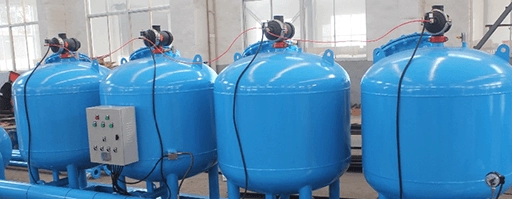
The most effective way to achieve market penetration in remote areas is through decentralized micro-utilities. Instead of relying on massive, centralized plants that require expensive piping infrastructure, operators are deploying compact commercial RO systems equipped with our 4040 or 8040 ULP membranes.
Because these membranes operate efficiently at lower psi (often 100–150 psi for commercial applications), the initial capital expenditure on pumps and power equipment drops significantly. This allows entrepreneurs to set up community water kiosks that turn a profit faster. The reduced energy load also makes these stations compatible with off-grid water treatment setups, running smoothly on solar or hybrid power sources.
Government and NGO Partnership Opportunities
Rural expansion often intersects with public funding. Governments and NGOs are aggressively seeking sustainable water infrastructure projects that promise longevity and low operating costs.
At Driplife, our manufacturing process adheres to ISO 9001:2015 standards, ensuring the consistency and reliability required for government tenders. When pitching to these organizations, the key selling point is the “Total Cost of Ownership.” By demonstrating that our low-pressure elements reduce the strain on rural infrastructure and lower the monthly energy bill for the community, contractors can secure long-term partnerships.
Future Trends in Low-Energy Water Treatment
The industry is moving decisively toward energy neutrality. We are seeing a surge in demand for low-energy reverse osmosis systems that integrate smart monitoring with high-flux membranes. The future of rural water lies in systems that can self-regulate pressure based on available power—something our robust Polyamide Thin-Film Composite membranes are designed to handle.
Key Trends to Watch:
- Solar-Direct Drive: Systems that eliminate battery storage costs by utilizing membranes that perform well under variable pressure.
- Remote Monitoring: IoT-enabled pumps that alert operators to fouling before it becomes critical.
- High-Recovery Designs: Systems pushing beyond standard recovery rates to minimize wastewater in water-scarce regions.
FAQs About Low-Pressure RO Systems
We often field questions from distributors and project managers about the practicalities of switching to low-pressure membrane technology. When you are expanding into rural markets where infrastructure is tricky, you need straight answers. Here is the breakdown of the most common inquiries regarding our ULP (Ultra-Low Pressure) series and system capabilities.
Can low-pressure RO systems remove viruses and bacteria?
Absolutely. The operating pressure does not compromise the filtration quality. Our membranes utilize Polyamide Thin-Film Composite technology with a pore size of approximately 0.0001 microns. This is significantly smaller than bacteria and viruses. Whether running at standard pressure or utilizing low-energy reverse osmosis, the physical barrier remains effective, maintaining high rejection rates of 97% to 98% for contaminants.
How much electricity does a low-pressure RO save?
The savings are substantial. Standard commercial RO systems often require pressures upwards of 225 psi, whereas our ULP series is designed to operate efficiently between 100 and 150 psi. This reduction allows operators to use smaller pumps or run existing pumps at lower speeds. For rural cooperatives, this translates to a direct drop in monthly utility bills and reduces the load on backup generators.
Are low-pressure membranes more expensive to replace?
The upfront cost is generally comparable to standard membranes. However, the real value lies in the Total Cost of Ownership (TCO). Because these systems put less strain on the booster pump and associated hardware, the overall equipment lifespan tends to be longer. If you are looking to stock up on components, working with reliable water purifier suppliers ensures you get consistent quality without a premium price tag.
Can these systems run entirely on solar power?
Yes, and this is a major advantage for off-grid water treatment. Because the energy demand is significantly lower, the size of the solar array and battery bank required to run the system is reduced. This compatibility makes solar-powered RO systems a financially viable option for remote villages where grid electricity is unstable or non-existent.
What is the ideal TDS level for low-pressure RO?
Low-pressure systems are engineered primarily for tap water and brackish water sources. They perform best with feed water TDS (Total Dissolved Solids) levels below 2,000 ppm. For higher salinity sources, like seawater, higher pressure is physically required to overcome osmotic pressure. However, for most rural groundwater projects, a setup like an 800GPD RO system configured with ULP membranes offers the perfect balance of permeate flow and energy efficiency.