













Strategic Zoning: Mapping the Customer Journey
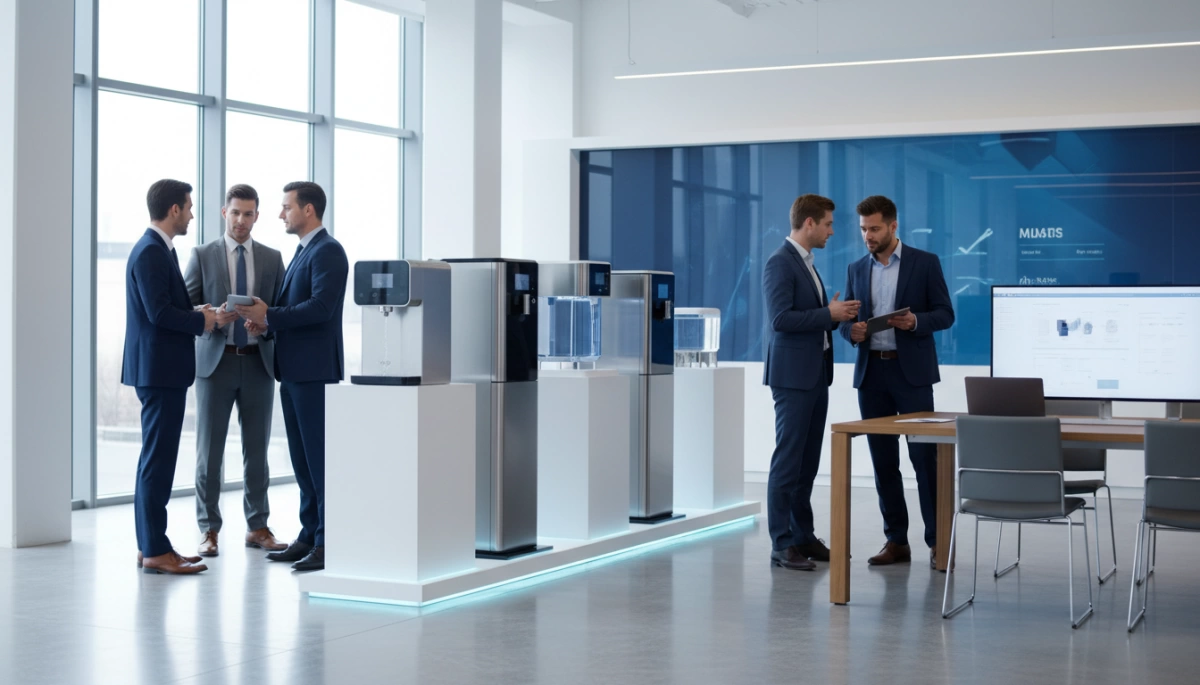
When we approach Creating a Professional Showroom for Kitchen Water Purifiers, we treat the floor plan as a narrative that guides the client from curiosity to conversion. We don’t just stack boxes on shelves; we design a retail experience center design that mirrors the customer’s daily life. This journey begins by grounding the technology in a familiar environment, ensuring the layout flows logically from aesthetic appreciation to technical verification.
Zone 1: The Real-Life Kitchen Simulation
The most effective way to sell a premium appliance is to show it in its natural habitat. We recommend anchoring the entrance with a high-quality mock kitchen island setup. This context is crucial because it answers the customer’s primary question: “How will this look in my home?” By simulating a modern kitchen environment, we shift the conversation from specs to lifestyle immediately.
- Under-Sink Installation Mockup: We install the units exactly where they belong—under the sink. This demonstrates the practical application of the hardware.
- Visualizing the Compact Footprint: We replace standard cabinet doors with tempered glass or remove the doors entirely. This transparency highlights the space-saving benefits of our tankless water purifier display.
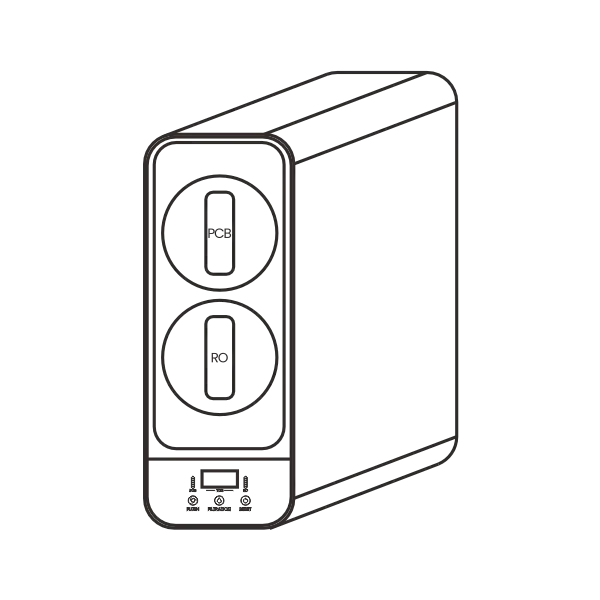
- Highlighting Direct-Flow Technology: Unlike bulky traditional systems, our tankless RO systems (such as the 400GPD or 600GPD models) fit neatly into tight spaces. The glass display proves that high-performance filtration doesn’t require sacrificing valuable storage space.
By presenting a smart kitchen integration, we allow distributors and homeowners to visualize the compact footprint of DripLife’s direct-flow systems, validating that professional water treatment can be both powerful and unobtrusive.
The Science Lab: Trust and Verification Stations
To truly engage customers, we move beyond static displays and create a functional interactive water tasting station. A dedicated wet bar serves as the heart of this zone, transforming abstract filtration concepts into tangible results. We install fully operational units, such as the Under Sink Soda, Cold, & Hot Water Distribution System, allowing clients to dispense water at various temperatures immediately. This hands-on approach proves the system’s instant heating capabilities and flow stability in a real-world setting.
Conducting Live TDS Testing
The most effective way to validate performance is through hard data. We equip the station with a Live TDS testing meter (Total Dissolved Solids). By filling one beaker with standard tap water and another with water processed by our RO demonstration unit, we show the drastic drop in dissolved solids instantly.
- Input Reading: Often shows 200–400 PPM (City Water).
- Output Reading: Drops to 10–30 PPM (RO Purified).
Interactive Challenges and Real-Time Data
We encourage visitors to participate in a blind taste test. This “Challenge Your Tap” activity highlights the clean, crisp profile of purified water compared to the often chlorine-heavy taste of municipal supplies. For clients concerned that RO water might taste “flat,” we demonstrate how a remineralizing water filter adds beneficial minerals back into the water, enhancing the flavor profile while maintaining purity.
To modernize the experience, we mount LED screens behind the wet bar. These displays visualize real-time filtration data, tracking metrics like current flow rate and filter cartridge lifespan. This transparency builds immediate trust, showing that our Made in Taiwan components deliver consistent, high-quality results without hiding behind a “black box.”
The Exploded View Gallery: Technical Education

Demystifying the “Black Box” with Cut-Away Models
For many customers, a water purifier is just a mysterious white box under the sink. To bridge the gap between skepticism and trust, I utilize cross-section filter models that strip away the outer casing. By displaying the internal anatomy of our systems, we visualize the quality of our Made in Taiwan manufacturing. We don’t just claim performance; we show the precision engineering inside the high-pressure pumps and the structural integrity of the housings. This visual transparency effectively communicates value without saying a word.
Showcasing Internal Filtration Layers
A professional showroom must offer water filtration technology education. I arrange the filter cartridges in an “exploded” sequence to demonstrate the multi-stage defense system. We highlight the density of the PP cotton for sediment removal, the solid structure of the Carbon block for adsorption, and the microscopic precision of the RO membranes. This breakdown helps clients understand how we are tailoring RO system features for specific regional water qualities by selecting the right combination of filters for their specific water source.
Core Filtration Components Display:
| Component | Function | Visual Feature |
|---|---|---|
| PP Cotton Filter | Intercepts rust, mud, and sand. | Gradient density fiber structure. |
| Activated Carbon Block | Absorbs chlorine, odors, and VOCs. | High-density, uniform black cylinder. |
| RO Membrane | Rejects heavy metals and bacteria (0.0001 micron). | Tightly wound, semi-permeable sheets. |
Hands-On “Quick-Change” Stations
Maintenance anxiety is a major barrier for US homeowners. I counter this by setting up interactive stations featuring our quick-change filter mechanism. Instead of just talking about ease of use, I invite customers to perform a filter swap themselves. This tactile experience proves that our systems require tool-free maintenance. With a simple twist, they can see how the patented design prevents leaks and simplifies the ownership experience, reinforcing the practicality of modern tankless designs.
Visual Merchandising and Atmosphere Control
Creating a professional showroom for kitchen water purifiers requires more than just placing boxes on shelves; it demands an environment that subconsciously signals purity and technology. Visual merchandising for appliances in this sector relies heavily on lighting temperature. We strictly recommend using 4000K-5000K LED lighting throughout the display area. Warm lighting (3000K) can cast a yellowish hue, which is the last thing you want associated with drinking water. Cool white light mimics a clinical, hygienic standard, reinforcing the effectiveness of the filtration systems on display.
To elevate the perceived value of the components, we utilize backlit shelving strategies. By placing translucent filter cartridges—such as sediment or resin filters—against a lit background, we turn functional parts into glowing focal points. This technique highlights the quality of the materials and the intricacy of the filtration media.
Key Atmosphere Elements:
- Color Psychology: Stick to a strict palette of White (Hygiene), Blue (Water), and Metallic Silver (Industrial Quality). This combination builds immediate trust.
- Sound Management: A noisy machine kills the sale. We set up active demos to prove the silence of our modern pump systems. In a quiet showroom, the absence of vibration and noise from a running high-flow RO system speaks louder than any sales pitch.
- Hygiene Signaling: Showroom lighting for hygiene products must be shadow-free to allow customers to inspect the build quality of housings and faucets without obstruction.
Digital Integration and Smart Retail Tactics
Modern showrooms require more than static shelving; they demand smart kitchen integration to truly engage professional buyers. We equip our display zones with interactive tablets that allow distributors to visualize the performance mechanics behind our engineering. This is particularly effective for a high-flow RO system comparison, where digital animations clearly demonstrate the output difference between a standard 400 GPD unit and a commercial-grade 800 GPD system. This digital layer validates the efficiency of our direct-flow technology without needing to run a live wet test for every single visitor.
To maintain a clean, high-end aesthetic, we utilize QR code stations instead of cluttering the space with paper brochures. Clients can scan these codes to instantly access water purification marketing assets, including detailed PDF spec sheets and installation videos. This approach streamlines the information flow and ensures our partners always walk away with the most current data on our “Made in Taiwan” components.
The hardware itself serves as a digital touchpoint. Our Point of Sale (POS) display materials focus on the user interface of our products. We showcase how a good faucet water filter setup communicates with the user through active LED indicators. By displaying faucets that signal real-time filter life status, we prove that our systems offer predictable maintenance and modern convenience, essential features for today’s tech-savvy kitchen market.
Leveraging the Driplife Advantage in Design
When setting up a high-end retail space, the visual consistency of the products on display is just as critical as the lighting or floor plan. We focus on a minimalist unibody design language that aligns perfectly with modern US kitchen aesthetics. Unlike bulky, industrial-looking units of the past, our systems are designed to be displayed openly, turning a functional appliance into a sleek kitchen feature.
Customization and Brand Integration
A professional showroom should tell your story, not just the manufacturer’s. We empower our partners through extensive OEM water purifier branding capabilities. This allows you to present a unified brand image across the entire showroom floor, from the entry console to the demo station. As a specialized water filter supplier, we ensure that the hardware matches your brand’s specific color palette and logo placement requirements, giving you a competitive edge in a crowded market.
Marketing Support and Technical Assets
Building a credible “Science Lab” or “Exploded View” gallery requires more than just the physical product. We support our partners by providing the essential tools needed to educate customers:
- High-Resolution Assets: Professional photography and 3D renders suitable for large-format wall murals and digital displays.
- Technical Diagrams: Detailed schematics for water purification marketing assets that clearly explain internal flow paths and filtration stages.
- Engineering Data: Verified specs to support claims made on interactive tablets or spec sheets.
By utilizing these factory-direct resources, you can significantly reduce the overhead of showroom design while ensuring that every technical claim displayed on your walls is accurate and backed by manufacturing expertise.
Frequently Asked Questions About Showroom Setup
How much floor space is needed for a water purifier experience center?
You do not need a massive warehouse to make an impact. A high-converting retail experience center design focuses on efficiency rather than square footage. Since we specialize in compact, tankless RO systems, you can effectively showcase a full range of residential and commercial units in a space as small as 300 to 500 square feet. The key is vertical utilization and smart zoning—separating the interactive water tasting station from the technical component displays allows for smooth customer flow without overcrowding the floor.
What plumbing requirements are necessary for live RO demo units?
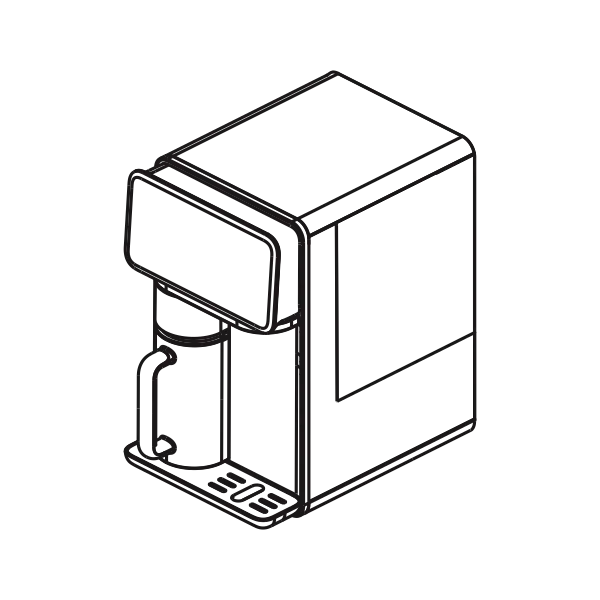
To run a legitimate RO demonstration unit, you need access to a standard cold water feed (1/4″ or 3/8″ tubing) and a drain line for the wastewater. We also recommend installing pressure regulators to protect your display units from fluctuations in the building’s main supply. If running extensive plumbing lines to a central island is too difficult for your current location, consider displaying a countertop water cooler dispenser which requires significantly less installation effort while still proving the filtration concept. Don’t forget grounded electrical outlets for the booster pumps and UV sterilization modules.
How often should showroom demo filters be replaced?
Even if your daily volume is lower than a typical household, hygiene is critical for sales. We recommend replacing the carbon and sediment filters in your live TDS testing meter stations every 6 months. This ensures that when a customer tastes the water, it is crisp and odorless. Old filters can harbor bacteria or reduce flow rates, which kills confidence in the product. Regular maintenance also protects the internal components, much like how hard water faucet filters protect household plumbing from scale buildup.
What is the best way to display under-sink models at eye level?
Never force a customer to kneel on the floor to see the technology. The best practice is an elevated under-sink installation mockup.
- Eye-Level Shelving: Place the RO unit on a shelf 4-5 feet high.
- Transparent Cutaways: Use a cabinet with a glass door or no door at all.
- Mock Connections: Route the tubing to a dummy faucet mounted on the shelf edge.
This setup allows customers to easily inspect the quick-change filter mechanism and appreciate the compact unibody design without physical discomfort.