















Understanding Your Local Water Quality – The Foundation of Customization
As an OEM/ODM manufacturer with over 15 years of R&D expertise, we know that a “one-size-fits-all” approach to water purification is a recipe for inefficiency. Water chemistry varies drastically across borders and even between neighboring municipalities. To build a successful private label brand, you must first understand the specific regional water contaminants your target market faces. Customizing hardware begins with a deep dive into the local water profile.
Assessing Regional Water: A Step-by-Step Guide
Before we calibrate a production line for custom RO filtration, we recommend a thorough analysis of the feed water. Here is how we approach the assessment phase to ensure the final product meets local demands:
- Review Municipal Water Reports: For city-based markets, annual water quality reports provide a baseline for chlorine levels, turbidity, and regulated contaminants.
- Conduct Private Well Testing: In rural markets, well water RO customization is critical. We look for fluctuations in biological contaminants and sediment that municipal treatment would usually handle.
- Analyze Key Parameters: We focus on Total Dissolved Solids (TDS), water hardness (calcium/magnesium), and pH levels. These metrics dictate whether a standard membrane is sufficient or if a high TDS membrane is required.
Why Generic RO Systems Struggle Without Adaptation
Deploying a standard, off-the-shelf RO unit in a region with aggressive water conditions often leads to hardware failure. Without municipal water RO adjustments, generic systems face significant operational risks:
- Scaling and Fouling: In areas with high hardness, calcium carbonate builds up rapidly on the membrane surface, drastically reducing flow rates and shortening the 2,000-gallon cycle lifespan of standard filters.
- Low Flux and Pressure Issues: High TDS levels increase osmotic pressure. A standard pump may not provide enough pressure, resulting in poor water production and high wastewater ratios.
- Bacterial Risks: Standard carbon filters may not be enough in regions with older infrastructure. Without specific modifications, such as UV integration or specialized membrane fouling prevention, the system becomes vulnerable to biological growth.
Quick Reference: Common Regional Water Profiles
To help our partners identify the right configuration, we categorize water quality into common profiles requiring specific hardware interventions.
| Water Profile | Key Characteristics | Primary Risks for Generic Systems |
|---|---|---|
| High Hardness | Elevated Calcium & Magnesium (>120 ppm) | Rapid scale buildup, clogged membranes, reduced flow. |
| High TDS / Brackish | High salinity & dissolved solids (>500 ppm) | Poor rejection rates, bad taste, low water pressure. |
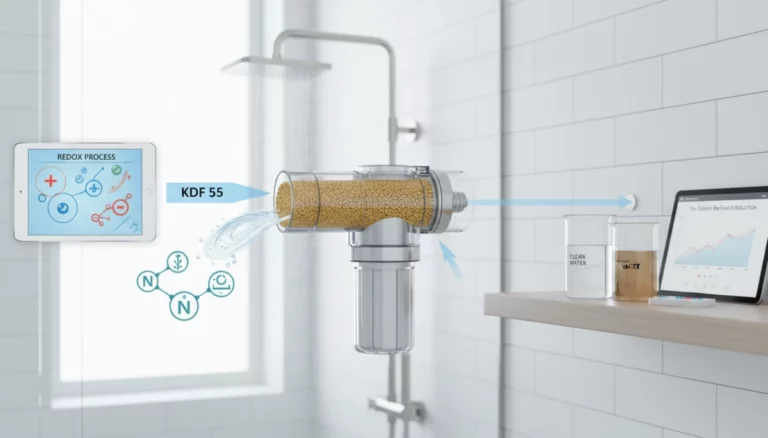
| Fluoride & Arsenic | Presence of specific inorganic toxins | Standard carbon blocks fail to remove these effectively; requires specialized media. |
| Iron & Manganese | Metallic taste, reddish/brown staining | Fouls membranes instantly; requires oxidation or sediment pre-treatment. |
By leveraging our state-of-the-art laboratory for software and hardware testing, we can simulate these conditions to ensure your custom under-sink RO system or countertop unit performs reliably, regardless of the local water challenges.
Key Regional Water Challenges and Required RO Adjustments
Every region presents a unique chemical profile, and a standard off-the-shelf filter often fails to deliver consistent results across different territories. As a manufacturer with over 15 years of R&D experience, we know that custom RO filtration must be engineered to tackle the specific contaminants found in local water supplies. We adjust our OEM/ODM solutions to ensure hardware longevity and safety.
High Hardness and Scaling Regions
In areas with hard water, calcium and magnesium buildup is the primary enemy of reverse osmosis membranes. Without intervention, scale accumulates rapidly, slashing flow rates and destroying the membrane within months.
- Hard water pretreatment: We incorporate specialized pre-filters or anti-scalant dosing cartridges to neutralize mineral ions before they reach the main membrane.
- Membrane fouling prevention: By adjusting the waste water ratio and flushing mechanisms, we prevent scale from settling, ensuring the system maintains peak performance.
High TDS and Brackish Water Areas
Regions with extremely high Total Dissolved Solids (TDS) require more than standard residential pressure. A generic pump simply cannot push water through the membrane effectively against high osmotic pressure.
- High TDS membrane: We utilize specialized industrial-grade membranes designed for high rejection rates even in brackish conditions.
- Pump Calibration: Our engineering team upgrades the booster pumps to handle higher PSI loads without overheating or excessive vibration.
Fluoride and Arsenic Hotspots
Certain US regions struggle with specific inorganic toxins that standard carbon filters might miss.
- Arsenic reduction system: We design multi-stage configurations that include specific oxidation or adsorptive media to target arsenic III and V.
- Fluoride removal RO: While RO naturally removes fluoride, we can enhance this with activated alumina post-filters for areas with dangerously high concentrations.
Well Water Specifics
Private wells are unpredictable and often carry biological risks that municipal water does not.
- Sediment Defense: We increase the micron rating of pre-filters to catch heavier silt and sand common in well systems.
- Sterilization: For biological safety, we integrate UV water purifiers into the final stage to neutralize bacteria and viruses without adding chemicals.
Municipal Water Variations
City water is generally biologically safe but often heavy on chlorine and low on pH.
- Municipal water RO adjustments: We use high-capacity carbon blocks to strip out chlorine and chloramines that damage TFC membranes.
- Remineralization stage: To combat the “flat” taste of acidic RO water, we add alkaline cartridges that restore healthy minerals like calcium and magnesium.
Climate and Operational Factors
Beyond water chemistry, local lifestyle and climate dictate the physical design of the unit.
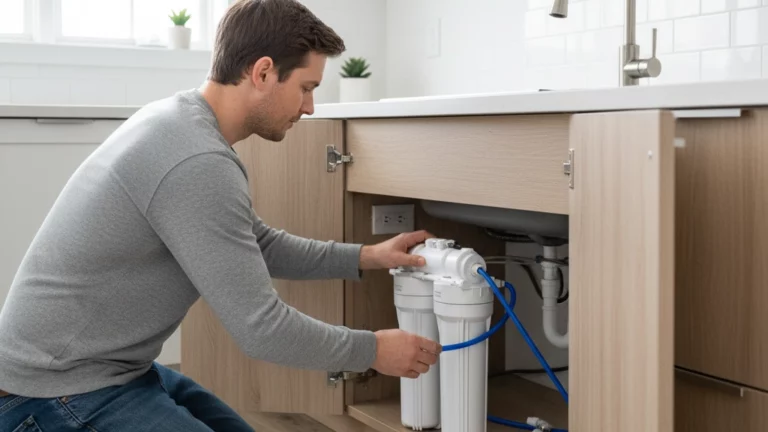
- Tankless RO design: In urban apartments where space is tight, our tankless systems provide high-flow output without a bulky storage tank.
- Flow Rate Optimization: We adjust the GPD capacity (Gallons Per Day) based on regional household sizes, scaling from 150 GPD up to high-flow commercial outputs.
- Noise Control: Our ultra-quiet pump technology is essential for modern open-concept kitchens where silence is a priority.
Essential RO Features to Customize for Regional Needs

When building a private label water purification brand, the hardware must match the local water chemistry. We leverage over 15 years of R&D expertise to tailor system architecture, ensuring the final product handles specific regional contaminants effectively while maintaining high flow rates.
Filtration Stages and Modularity
A standard setup might not suffice for every market. We utilize a modular design approach, allowing us to scale from basic 4-stage filtration to comprehensive 7-stage systems. For regions with heavy sediment or rust, we integrate reinforced pre-filters. In areas requiring custom RO filtration, we can combine Reverse Osmosis with Ultrafiltration (UF) stages to balance purity with mineral retention.
Membrane Selection and GPD Rating
The heart of any system is the membrane. We adjust the GPD capacity adjustment based on local water pressure and usage habits.
- Countertop Units: Typically configured with 150 GPD membranes to balance speed with compact size.
- High-Flow Needs: For under-sink models, we engineer systems capable of 5.2 L/min output, utilizing high TDS membranes where feed water salinity is elevated.
Tankless vs. Traditional Designs
Modern consumers often prefer space-saving solutions. Our tankless RO design eliminates the bulky storage tank, freeing up under-sink space and removing the risk of secondary bacterial growth. These systems often feature our ultra-quiet technology, using low-dB pumps and vibration reduction to keep operation noise minimal. For versatile placement, you might consider how the best countertop RO system features compare to under-sink units for your specific market demographic.
Additional Enhancements
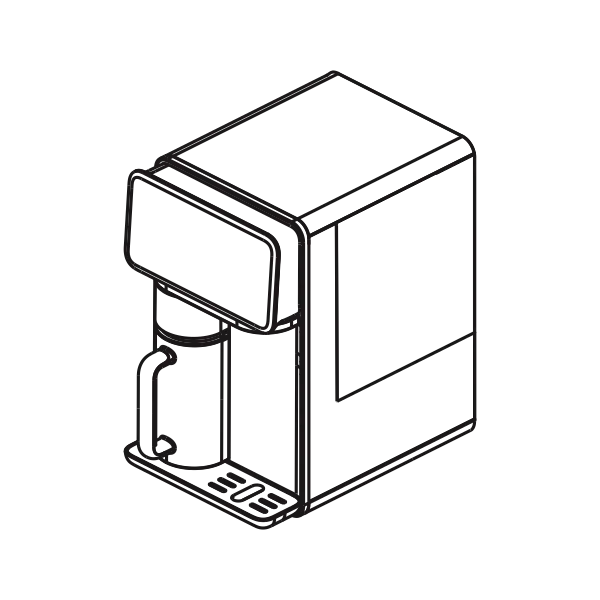
Beyond basic purification, we integrate lifestyle features. Our “4-in-1” technology combines purification with heating, cooling, and ice-making modules. For health-conscious markets, a remineralization stage restores beneficial minerals and balances pH. To ensure consistent performance, integrating smart monitoring hardware allows users to track filter life and water quality. Understanding how to use a TDS tester is often the first step for end-users to verify these smart systems are working correctly.
Feature Recommendations by Water Type
| Water Profile | Recommended Feature | Benefit |
|---|---|---|
| High Sediment / Turbidity | Reinforced Pre-filters (PP) | Prevents premature membrane fouling. |
| High TDS / Brackish | High TDS Membrane (>90% Rejection) | Ensures safe drinking water in saline areas. |
| Microbiologically Unsafe | UV-C Sterilization Module | Neutralizes bacteria and viruses instantly. |
| Low pH / Acidic | Alkaline Remineralization Stage | Improves taste and balances water acidity. |
| Small Urban Kitchens | Tankless RO Design | Saves cabinet space and provides fresh flow. |
Benefits of a Tailored RO System

When we design a purification solution, we aren’t just assembling parts; we are engineering a response to specific environmental conditions. A generic “one-size-fits-all” unit often fails to handle local water anomalies, leading to frequent breakdowns and unhappy end-users. By leveraging custom RO filtration strategies, we ensure the hardware survives the chemistry it faces.
Extended Equipment Lifespan
Standard systems often fail quickly in high-hardness areas because they lack proper pretreatment. Tailoring the setup with the right anti-scalant or softening stages ensures membrane fouling prevention. This direct adaptation means the RO membrane doesn’t get clogged by calcium or magnesium prematurely, significantly extending the 2,000-gallon cycle life of our filters.
Precision Contaminant Removal
Regional water profiles vary wildly—some fight heavy metals, while others battle bacterial risks. A tailored approach allows us to integrate specific stages, like UV-C sterilization or specialized media for arsenic, ensuring the system targets the actual threats present. This results in superior safety compared to standard off-the-shelf models.
Enhanced Taste and Efficiency
Beyond safety, customization improves the user experience. By adjusting post-filtration stages—such as using high-quality carbon blocks—we refine the taste profile. You can read more about how activated charcoal in water filtration plays a crucial role in removing residual odors and chlorine. Furthermore, optimizing the waste-to-pure water ratio reduces environmental impact, a key selling point for modern eco-conscious consumers.
Operational Cost Savings
While a custom configuration might seem like a complex upfront effort, it lowers long-term costs.
- Reduced Service Calls: Hardware matched to water pressure and sediment levels breaks down less often.
- Lower Consumable Spend: Filters last their intended lifespan rather than burning out early.
- Energy Efficiency: Our tankless, low-dB pump designs consume less power while delivering high flow rates.
Comparison: Generic vs. Tailored RO Systems
| Feature | Generic RO System | Tailored RO System |
|---|---|---|
| Membrane Life | Often shortened by local scaling | Optimized for max duration |
| Waste Ratio | Standard 1:3 or 1:4 | Optimized (up to 1:1 or better) |
| Maintenance | Frequent, unpredictable | Scheduled, reliable cycles |
| Targeting | Broad spectrum only | Specific toxin removal (e.g., Arsenic) |
Investing in a system designed for the specific regional water contaminants of your market ensures reliability. For businesses looking to scale, understanding the benefits of under-sink water purifier systems that are purpose-built for local conditions is the first step toward a successful private label product.
How Driplife Delivers Customized RO Solutions
At Driplife, we leverage over 15 years of R&D expertise to engineer water purification systems that align perfectly with your target market’s specific water chemistry. Our 60,000-square-foot facility operates as a comprehensive industrial ecosystem, capable of producing 500,000 units annually while maintaining strict quality control. We specialize in OEM/ODM services, providing turnkey manufacturing for private label brands that require more than generic, off-the-shelf products.
Precision R&D and Laboratory Testing
Our internal laboratory allows us to simulate various regional water conditions to validate hardware performance before mass production. We don’t guess; we test. This capability enables us to modify filtration stages, such as integrating specific media to ensure filtered water has fluoride removed in areas with heavy municipal dosing. Our engineering team also focuses on the end-user experience, utilizing ultra-quiet technology and vibration reduction to ensure our high-performance pumps operate silently in modern kitchens.
Scalable Manufacturing for Global Markets
We adapt our core technologies to fit diverse lifestyle and infrastructure needs. Whether your market demands a space-saving tankless under-sink unit with a high 5.2 L/min flow rate or a versatile 4-in-1 countertop system that dispenses ice and hot water, we build to spec.
- Custom Capacity: Options ranging from standard 150 GPD to high-flow commercial grades.
- Extended Lifespan: Filters engineered for a 2,000-gallon cycle work life to reduce maintenance frequency.
- Strict Inspection: Every unit undergoes rigorous online inspection to ensure durability against local water pressures.
Partnering with Driplife gives you direct access to a sound industrial supply chain dedicated to solving regional water challenges. We invite professional companies to contact us for a design consultation to translate your local water analysis into a market-winning product line.
Frequently Asked Questions (FAQs)
How do I determine the specific water quality of my region?
To accurately assess regional water contaminants, start by reviewing the annual Consumer Confidence Report (CCR) provided by local municipalities. For businesses targeting areas with private wells, we recommend professional lab testing to identify specific issues like hard water or heavy metals. Knowing the exact TDS levels and pH balance is the first step in defining the custom RO filtration specs needed for your product line.
Can a standard RO system handle high TDS or well water?
Generic off-the-shelf units often struggle with extreme conditions. Areas with brackish water require a High TDS membrane and boosted pump pressure to prevent fouling and low flow. Furthermore, standard carbon blocks may not suffice for specific toxins; for instance, regions dealing with industrial runoff often need specialized fluoride water filters or arsenic-specific resin stages. Well water RO customization also typically demands UV sterilization add-ons to handle biological risks that municipal treatment usually eliminates.
What are the benefits of a tankless RO design for specific regions?
A tankless RO design is ideal for urban markets where kitchen space is at a premium. By removing the bulky storage tank, we save significant under-sink space and eliminate the risk of secondary bacterial growth inside the tank. Our tankless systems are engineered for high-flow output (up to 5.2L/min) and utilize ultra-quiet technology, solving the noise and space issues common in modern apartments.
How does climate affect RO system performance?
Water temperature significantly impacts membrane flux; colder feed water increases viscosity, which can reduce flow rates. We mitigate this during the OEM/ODM process by adjusting pump specifications and GPD capacity to ensure consistent output regardless of seasonal temperature drops. Additionally, our 4-in-1 countertop units are designed to match climate-driven lifestyle needs, offering instant heating for colder regions and ice-cooling functions for hotter climates.