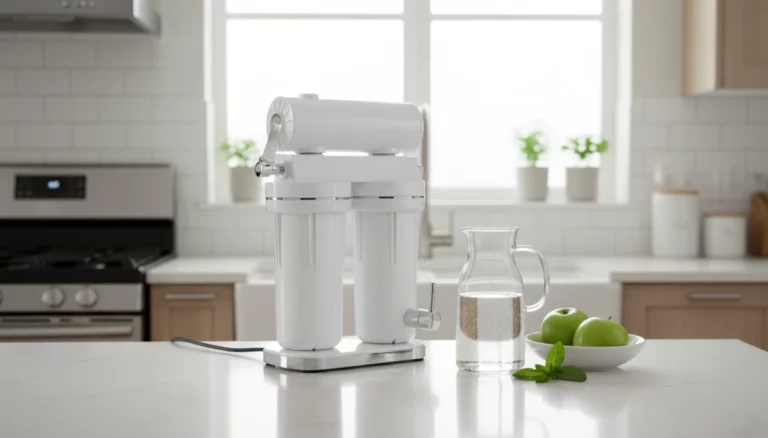


















As someone experienced in water purification, I can attest that countertop reverse osmosis systems are a reliable and hassle-free option for cleansing drinking water. These systems operate on the same principles as traditional RO devices but are designed for easy installation on kitchen countertops.
The Purification Process
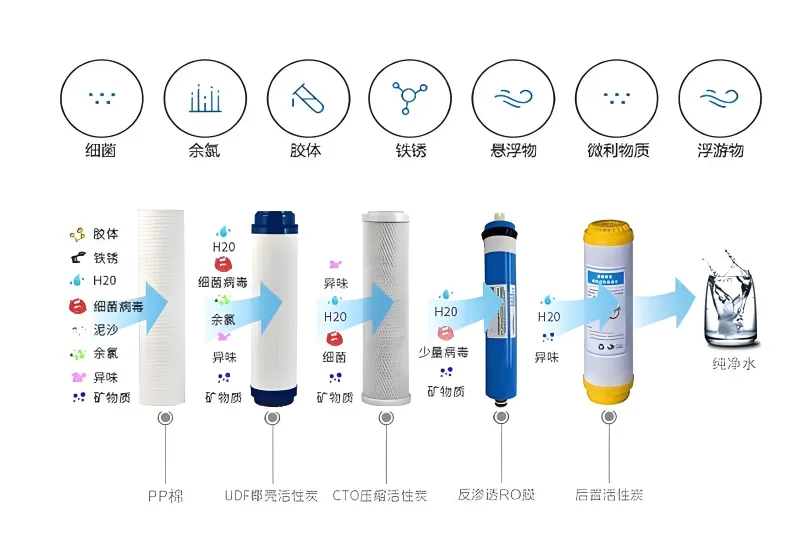
The core of a countertop reverse osmosis system is its multi-stage purification procedure. This typically includes:
- A pre-filter to remove larger sediments
- A carbon filter to tackle chemicals like chlorine
- A reverse osmosis membrane that effectively eliminates dissolved solids and heavy metals
After passing through these stages, a post-filter ensures any remaining tastes and odors are removed, resulting in clean, great-tasting water.
Key Points
- Portable and easy to install on kitchen countertops.
- Multi-stage filtration process for thorough purification.
- Removes chlorine, heavy metals, and other contaminants.
- Compact size ideal for small spaces or temporary setups.
- Cost-effective with lower maintenance requirements.
How Counter Top Reverse Osmosis Solution Work
As a professional in the area, I can confirm that countertop reverse osmosis systems are a reliable and hassle-free option for cleansing alcohol consumption water. These systems operate on the exact same principles as conventional reverse osmosis (RO) devices but are created for simple installation on kitchen countertops.
The core of a countertop reverse osmosis system is its multi-stage purification procedure. The procedure commonly consists of the complying with stages:
| Phase | Filtration Part | Feature |
|---|---|---|
| 1 | Pre-filter (Debris Filter) | Gets rid of larger bits such as dirt, sand, and rust. |
| 2 | Carbon Filter | Lowers chlorine, chloramines, and various other chemical impurities. |
| 3 | Reverse Osmosis Membrane Layer | Removes approximately 99% of liquified solids, heavy steels, and other contaminations. |
| 4 | Post-filter (Turned On Carbon Filter) | Enhances taste and removes any type of recurring odors. |
Water is compelled with these filters by the family water stress. Originally, the pre-filter records larger sediments, safeguarding the succeeding stages from clogging. The carbon filter after that removes organic substances and chlorine, which can damage the RO membrane.
The heart of the system, the reverse osmosis membrane layer, utilizes a semi-permeable barrier to separate dissolved contaminants from the water. This membrane layer allows just water molecules to go through, efficiently trapping impurities such as lead, fluoride, arsenic, and nitrates.
After the water travels through the RO membrane layer, it experiences a post-filter to make sure any type of continuing to be tastes and odors are eliminated, causing clean, great-tasting water. These systems are typically furnished with a little storage space tank or deliver water directly to a dedicated faucet, making sure a constant supply of detoxified water.
Among the benefits of kitchen counter reverse osmosis systems is their mobility and ease of setup. They do not need permanent alterations to plumbing, making them an excellent selection for occupants or those who require a short-lived solution. Merely attach the unit to a typical faucet, and it prepares to use.
Key Benefits of Utilizing a Counter Top Opposite Osmosis System
Using a counter top reverse osmosis system supplies several considerable advantages that make it a superb selection for improving the top quality of your drinking water. Primarily, these systems are designed to eliminate a wide variety of impurities, consisting of chlorine, hefty steels, and various other dangerous substances. This guarantees that the water you take in is much safer and healthier.
One more crucial advantage is the comfort and portability of countertop reverse osmosis systems. Unlike under-sink versions, these systems do not need any kind of irreversible installment, making them excellent for tenants or those who move regularly. You can easily establish up the system on your kitchen counter and start utilizing it practically quickly, without the need for professional installment.
Cost-effectiveness is another vital advantage. Countertop units generally have a reduced upfront cost contrasted to full-sized reverse osmosis systems. Additionally, they are typically extra inexpensive to maintain, as they utilize standard-sized filters that are very easy to replace and extensively readily available.
The portable size of these systems is additionally worth noting. They inhabit minimal room, making them suitable for small cooking areas or locations with restricted counter area. Despite their size, they offer the very same high degree of water filtration as bigger systems, ensuring you do not compromise on top quality.
Additionally, countertop reverse osmosis systems are user-friendly and need minimal upkeep. A lot of versions feature straightforward filter replacement processes and offer clear signs when upkeep is required. This convenience of use makes certain that keeping the system does not come to be a cumbersome task.
Lastly, the water created by these systems typically tastes much better. By eliminating impurities and impurities, the water’s all-natural flavor is boosted, which can be particularly appealing for alcohol consumption and cooking objectives. This improved taste can encourage increased water consumption, advertising much better total health and hydration.
Top Functions to Search For in a Kitchen Counter Reverse Osmosis System
When selecting a countertop reverse osmosis system, it’s crucial to think about several key features to ensure you obtain the very best performance and worth. These systems vary substantially in layout, capability, and added attributes, which can affect their efficiency and suitability for your requirements.
Filtration Phases
The number of purification stages is a main element. Many effective systems generally contend least 3 to five stages, consisting of pre-filters, reverse osmosis membranes, and post-filters. These stages are created to remove different contaminants, making sure thorough filtration.
| Filtration Stage | Purpose |
|---|---|
| Pre-Filter | Gets rid of huge bits such as sediment and chlorine |
| RO Membrane layer | Removes liquified solids and smaller sized pollutants |
| Post-Filter | Brightens the water, enhancing taste and smell |
Water Outcome and Efficiency
One more essential feature is the system’s water output and effectiveness. This is commonly measured in gallons per day (GPD). Greater GPD rates are more suitable for larger families or higher water usage. In addition, think about the system’s performance ratio, which suggests just how much water is thrown away throughout the purification procedure. Much more effective systems waste less water, making them extra environmentally friendly and affordable.
Ease of Setup and Utilize
For lots of users, the simpleness of installation and operation is a considerable consideration. Seek systems that offer tool-free setup and straightforward design. Solutions that do not need long-term alterations to your countertop or pipes are specifically advantageous for tenants or those seeking benefit.
Filter Long Life and Substitute Expense
The life-span of the filters and the cost of substitutes are important for preserving the system’s performance and managing long-lasting expenditures. Higher-quality systems generally have longer-lasting filters, which can reduce the frequency and expense of substitutes. It’s also useful to choose systems with conveniently obtainable and changeable filters.
Certifications and Examining
Certifications from trusted organizations such as NSF International supply assurance of the system’s effectiveness and security. Qualified systems have actually undertaken extensive screening to verify their contaminant elimination cases. Guarantee that the kitchen counter reverse osmosis system you choose meets pertinent sector criteria and qualifications.
Dimension and Style
The size and style of the system must complement your kitchen area room. Compact and visually pleasing styles are perfect for preserving kitchen design without sacrificing capability. Take into consideration the system’s impact and how it incorporates with your existing kitchen counter area.
Additional Features
Some advanced systems use added attributes such as remineralization filters, which add useful minerals back right into the detoxified water, improving preference and health advantages. Others could include smart indicators for filter changes, pressure determines, or even UV sterilizers for added filtration.
| Attribute | Benefit |
|---|---|
| Remineralization Filter | Boosts taste and includes advantageous minerals |
| Smart Indicators | Alerts for filter adjustments and upkeep |
| UV Sterilizer | Supplies extra microbial purification |
Installation and Upkeep Tips for Counter Top Reverse Osmosis Equipments
Proper installment and upkeep of your counter top reverse osmosis system are crucial for ensuring its effectiveness and long life. Below are some thorough suggestions to direct you via the process:
Installment Tips
| Action | Details |
|---|---|
| 1. Place Choice | Select a flat, secure surface near a water resource and electric outlet. Guarantee there is adequate area for simple access to the system for upkeep. |
| 2. Pre-installation Prep work | Collect all necessary tools, consisting of a wrench and screwdriver. Check the system bundle for all elements and check out the manufacturer’s instructions completely. |
| 3. Attaching to the Faucet | Attach the system to your kitchen area tap making use of the offered adapter. Make sure the connection is tight to stop leaks. |
| 4. System Flushing | Run water via the system for the recommended time (normally 10-15 minutes) to clear out any type of manufacturing residues and turn on the filters. |
| 5. Preliminary Water Testing | Test the filtered water using a TDS (Complete Dissolved Solids) meter to make sure the system is working correctly. The TDS level ought to be considerably lower than that of the faucet water. |
Upkeep Tips
| Task | Regularity | Information |
|---|---|---|
| Filter Substitute | Every 6-12 months | Change pre-filters, carbon filters, and post-filters according to the maker’s timetable to preserve optimal efficiency. |
| Membrane layer Cleaning/Replacement | Every 2-3 years | Examine the RO membrane regularly and clean or replace it as required. A decrease in water output or top quality suggests it might be time for a substitute. |
| Sanitization | Every 6 months | Sterilize the system to prevent microbial build-up. Utilize a safe sterilizing service as suggested by the maker. |
| Evaluating Links and Tubes | Monthly | On a regular basis check all links and tubes for leaks or wear. Change any kind of damaged elements quickly. |
| Tank Inspect | Every year | If your system includes a storage tank, check the atmospheric pressure and guarantee it is within the recommended array. This aids maintain efficient water circulation. |
Sticking to these installation and maintenance ideas will assist you obtain the most out of your kitchen counter reverse osmosis system. Routine maintenance not just makes certain high-quality water but additionally extends the life expectancy of your financial investment.
Frequently Asked Questions (FAQs) About Countertop Reverse Osmosis Systems
How do countertop reverse osmosis systems work?
Countertop reverse osmosis systems use a multi-stage filtration process to purify water. Initially, a pre-filter removes larger particles, followed by a carbon filter that reduces chemicals. The reverse osmosis membrane then eliminates up to 99% of dissolved solids, heavy metals, and other contaminants. Finally, a post-filter enhances taste and removes odors, resulting in clean drinking water.
What are the key benefits of using a countertop reverse osmosis system?
Countertop reverse osmosis systems offer significant advantages, including comprehensive removal of contaminants like chlorine and heavy metals, portability without the need for permanent installation, cost-effectiveness, compact size suitable for small spaces, user-friendly operation, and improved water taste.
What are the top features to look for in a countertop reverse osmosis system?
When choosing a countertop reverse osmosis system, consider the number of filtration stages for thorough purification, water output efficiency, ease of installation, filter longevity and replacement cost, certifications for effectiveness, system size and design, and additional features like remineralization filters or smart indicators.
How should I install and maintain a countertop reverse osmosis system?
For installation, select a stable surface near a water source, connect to the faucet using provided adapters, flush the system initially, and test the water quality. For maintenance, replace filters regularly, clean or replace the RO membrane as needed, sanitize the system, inspect connections monthly, and check the storage tank annually to ensure optimal performance and longevity.
These FAQs provide a concise summary of key information about countertop reverse osmosis systems, addressing common questions and highlighting important considerations for users.