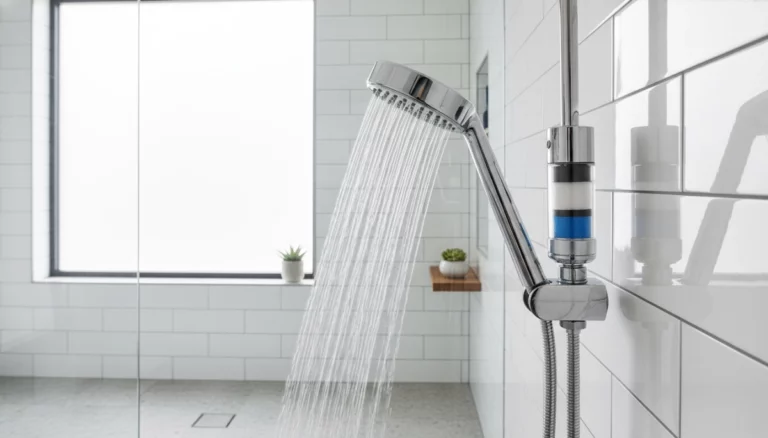














The Standard Lifespan vs. Reality: What Affects the Timeline?
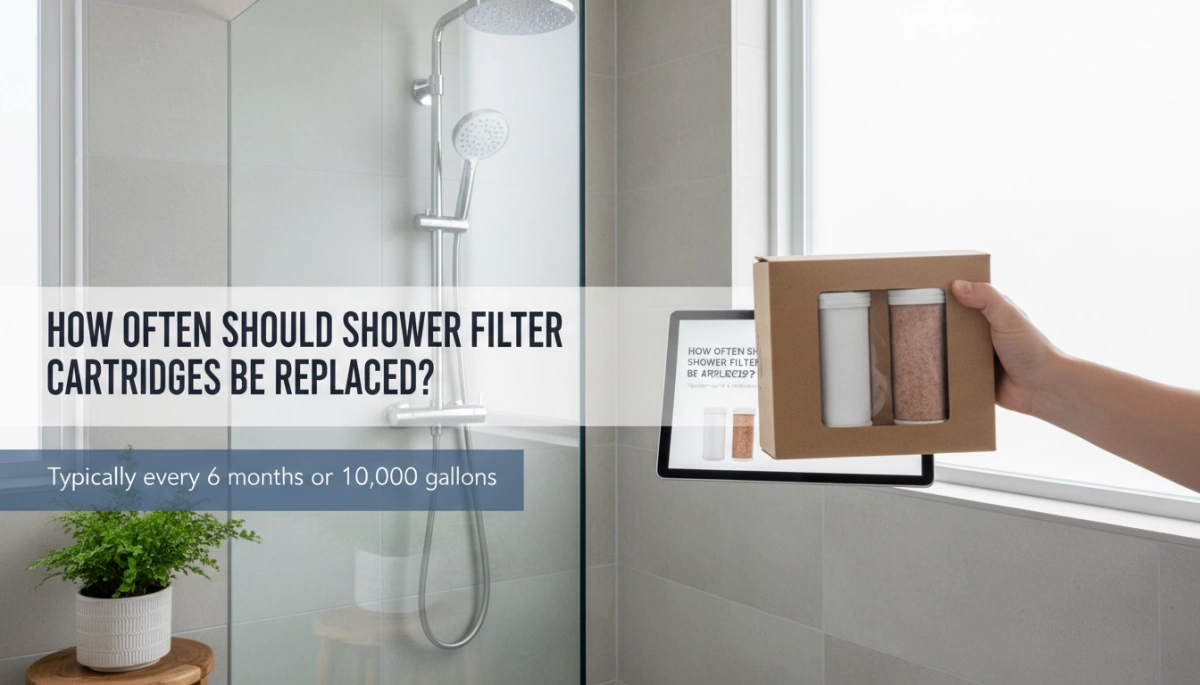
At DripLife, we generally recommend a standard shower filter replacement cycle of 6 months or roughly 10,000 to 12,000 gallons of water. This baseline ensures our 15-stage and 20-stage systems perform at peak efficiency. However, we know that “standard” doesn’t apply to every home. The actual lifespan of your cartridge depends heavily on your local environment and daily routine. If you are waiting for a calendar reminder while your water quality drops, you might be waiting too long.
Water Quality and Sediment Load Impact
Your local water source is the biggest variable in the equation. If you live in an area with hard water sediment or older municipal piping, your filter is doing double duty. It isn’t just neutralizing chemicals; it is physically trapping rust, sand, and large particles.
- High Sediment: Clogs the stainless steel mesh and micro-porous PP cotton layers rapidly, restricting flow before the chemical media is exhausted.
- Hard Water: High mineral content (calcium and magnesium) can coat the filtration beads, reducing their surface area and effectiveness.
Chlorine Levels and Media Saturation
While sediment blocks flow, chlorine consumes the filter’s chemical energy. Our cartridges rely on KDF-55 media effectiveness and Calcium Sulfite to neutralize chlorine and heavy metals through redox reactions. This is a finite process. If your city water has exceptionally high chlorine levels—often recognizable by a strong “pool smell”—the chlorine reduction capacity of the media will deplete faster than the standard 6-month estimate. Once the active sites on the Activated Carbon and KDF-55 are saturated, contaminants will pass through untreated.
Household Usage Math: Calculating Your Needs
The “6-month rule” assumes average usage, but a family of four consumes significantly more water than a single user. To pinpoint your specific replacement schedule, we need to look at the volume passing through the multi-stage filtration system.
Let’s break down the usage math:
- Standard Shower Head Flow: ~2.5 Gallons Per Minute (GPM).
- Average Shower Time: 10 minutes = 25 gallons per shower.
| Household Size | Showers Per Day | Daily Usage | 10,000 Gallon Limit Reached In |
|---|---|---|---|
| 1 Person | 1 | 25 Gallons | ~13 Months (Replace at 6 months for hygiene) |
| 2 People | 2 | 50 Gallons | ~6.5 Months |
| 4 People | 4 | 100 Gallons | ~3.5 Months |
As you can see, heavy usage replacement frequency is critical for larger families. If four people are showering daily, you will likely need to swap your DripLife cartridge every 3 to 4 months to maintain optimal skin and hair protection.
5 Telltale Signs Your Filter Cartridge is Expired
Even if you haven’t hit the standard 6-month mark or the 10,000 gallon capacity, your local water conditions might speed up the timeline. I always tell customers to trust their senses over the calendar. If the filtration media is saturated, it stops protecting you, regardless of how long it has been installed. Here are the most reliable water quality indicators that suggest it is time to swap out your cartridge.
The Return of the Pool Smell
The most obvious red flag is the scent of chlorine. Our 15-stage and 20-stage filters are designed to neutralize chlorine and chloramine odors instantly. If you step into the shower and it smells like a public swimming pool, the chlorine reduction capacity of the Activated Carbon and Calcium Sulfite layers has been reached. Once that chemical odor returns, the filter is no longer effectively treating the water vapor you breathe in.
A Noticeable Drop in Water Pressure
A significant water pressure drop is usually physical proof that the filter is doing its job a little too well. The high-density stainless steel mesh and micro-porous PP cotton layers trap sediment, rust, and large particles. Over time, this debris accumulates and restricts flow. If your shower feels more like a drizzle than a downpour, the physical barrier stages are clogged with hard water sediment, and the cartridge needs to be replaced to restore flow.
Dry, Itchy Skin and Brittle Hair
One of the main reasons people switch to DripLife is to combat skin irritation. When the Vitamin C and alkaline ceramic balls are depleted, you will feel the difference immediately. If you notice a recurrence of dry skin and hair, dandruff, or that “tight” feeling on your skin after toweling off, the revitalizing stages of the filter are exhausted. This is a clear signal that the water is no longer being softened or infused with beneficial minerals.
Visual Cues: Discoloration and Rust
Sometimes you can see the problem before you feel it. If you notice reddish-brown staining or scale buildup forming on your shower head nozzles or the glass door, contaminants are bypassing the filter. This often indicates that the KDF-55 media effectiveness has dropped and heavy metals or rust are passing through the system.
Changes in Water Feel and Lather
Hard water fights against soap, making it difficult to create a rich lather. A fresh DripLife filter softens the water, allowing shampoos and body washes to foam up easily. If you find yourself using more product than usual to get clean, or if the water feels “sticky” rather than slick, the filtration media is saturated with calcium and magnesium. Replacing the cartridge will restore that soft, slippery water feel that makes for a better shower experience.
The Hidden Dangers of Overusing an Old Cartridge
Many people assume that when a filter gets old, it simply stops working. The reality is actually much worse. Pushing your shower filter lifespan beyond its limit doesn’t just mean you are showering in unfiltered water; it can actively introduce concentrated problems back into your routine. We design our cartridges to hold contaminants securely, but physics eventually takes over when maintenance is ignored.
The Desorption Effect: Releasing Contaminants
The most critical risk involves activated carbon saturation. Think of the carbon layer in our filters like a sponge. It absorbs chlorine, volatile organic compounds (VOCs), and odors. Once a sponge is completely full, it cannot hold any more liquid. If you keep adding water to a saturated sponge, it starts leaking what it previously absorbed.
In filtration, this is called desorption. If you ignore the replacement schedule, the water pressure can force captured toxins out of the media and back into your shower stream. This can result in a sudden spike in contaminant levels, often higher than the unfiltered tap water itself.
Bacterial Accumulation in Expired Filters
A shower filter housing is a dark, wet, and warm environment—the perfect breeding ground for microorganisms. Our cartridges utilize KDF-55 media effectiveness and silver-infused components to act as a bacteriostatic agent, preventing algae and mold from growing inside the shell.
However, these active ingredients deplete over time. Once the inhibitory properties are gone, bacterial growth in filters becomes a real possibility. Instead of purifying your water, an expired cartridge can become a source of biological contamination, potentially causing skin irritation or respiratory issues from inhaling mold spores in the steam.
Reduced Shower Experience and Water Quality
Beyond the health risks, the quality of your shower takes a nosedive. The revitalization stages in our 15 and 20-stage filters—specifically the Vitamin C and mineral balls—dissolve and deplete. When these are gone, you lose the skin-nourishing benefits that combat dry skin and hair.
You will likely notice water quality indicators shifting rapidly:
- Hardness Returns: Soap scum builds up faster on glass and tile.
- Sediment Breakthrough: If you start seeing discoloration, you are dealing with significant sediment issues. In severe cases of pipe corrosion, you might even need a dedicated water filter for rusty water to handle the load before it hits your shower.
- Harsh Feel: The water feels “sharp” or “sticky” again due to unbuffered chlorine and minerals.
Understanding Filtration Stages and Quality
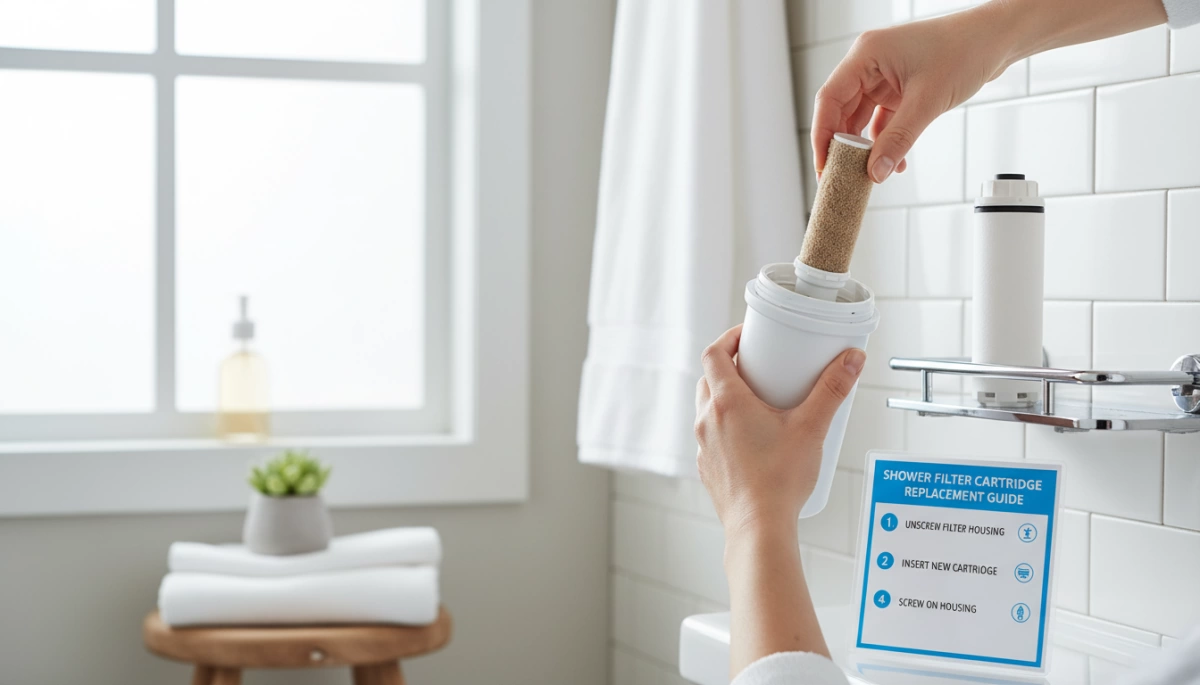
To understand why a cartridge “expires,” you have to look at what’s happening inside the housing. We don’t just use a single screen; our multi-stage filtration system is a complex stack of materials designed to target specific contaminants at different levels. Whether you are using our 15-stage or 20-stage models, each layer plays a critical role in purifying your water before it hits your skin.
The Pre-filtration Mesh Advantage
The first line of defense in any DripLife cartridge is the high-density stainless steel mesh and micro-porous PP cotton. Think of this as the gatekeeper. Its primary job is to physically block large particles like hard water sediment, rust, sand, and other debris commonly found in municipal pipes.
By trapping these larger solids upfront, the mesh prevents the finer chemical filtration layers from getting clogged prematurely. If you see a drop in pressure, it is often because this pre-filtration layer has done its job effectively by catching the physical muck.
KDF-55 and Calcium Sulfite for Hot Water
Standard carbon filters often struggle when water temperatures rise, but American showers are typically hot. That is why we rely heavily on KDF-55 media effectiveness and Calcium Sulfite. These materials are specifically engineered to function in high-temperature environments where activated carbon might release trapped contaminants.
- KDF-55 (Kinetic Degradation Fluxion): This high-purity copper-zinc formulation uses a redox reaction to neutralize chlorine and remove heavy metals like lead, mercury, and nickel. It also inhibits the growth of bacteria and algae within the filter.
- Calcium Sulfite: This creates a powerful calcium sulfite filtration layer that works rapidly to remove chlorine, ensuring that the water is safe before it vaporizes.
This combination is essential to protect hair from chlorine damage and prevent the inhalation of chlorine gas during a steamy shower.
Vitamin C and Mineral Balls for Rejuvenation
Filtration isn’t just about taking the bad stuff out; it is also about conditioning the water. Once the chlorine reduction capacity of the heavy-duty layers has done the work, the water passes through our revitalization stages.
We incorporate Vitamin C and alkaline ceramic balls to adjust the water’s pH and infuse it with beneficial minerals. This process helps revitalize the skin and hair, combating the effects of dryness. Over time, these mineral balls dissolve and the Vitamin C depletes, which is a major reason why sticking to a strict replacement schedule is vital for maintaining the quality of your bathroom water filter solutions. When these beneficial elements run out, you lose that silky, soft water feel.
Step-by-Step: How to Replace Your Shower Filter Cartridge
We designed our filtration systems to be tool-free, meaning you don’t need to call a plumber or dig through your toolbox to keep your water clean. Whether you are using our 15-stage or 20-stage model, the shower head filter replacement process is straightforward and takes less than five minutes. Just as you would consider the role of hard water faucet filters in household plumbing for protecting your sink fixtures, keeping your shower filter fresh is vital for maintaining consistent water pressure and skin health.
Here is the exact process to swap out your cartridge:
- Opening the Housing: Ensure the shower is turned off. Grip the upper and lower halves of the filter housing firmly. Twist the bottom half counter-clockwise to unscrew it. If it’s tight due to scale buildup, using a dry towel for better grip usually does the trick.
- Removing the Old Cartridge: Once open, simply pull the expired cartridge out of the shell. You might notice it feels heavier than a new one due to trapped sediment and water saturation.
- Inserting the New Replacement Cartridge: Take your new Driplife replacement cartridge and place it into the housing. Pay attention to the direction; usually, the mesh screen faces the water inlet, but our universal cartridge compatibility design ensures a snug fit in standard housings. Ensure the O-rings (rubber washers) are properly seated to prevent leaks.
- The Flush: Priming the Filter: Before hopping in for a shower, you must flush the new cartridge. Screw the housing back together and run hot water through the filter for about 30 to 60 seconds. You will likely see black water initially—this is just loose activated carbon dust clearing out and is completely normal.
- Checking for Leaks: While the water is running for the flush, check the seam where you screwed the housing together. If you see any dripping, tighten the shell slightly more or check that the O-ring didn’t slip out of place during installation.
FAQ: Common Maintenance Questions
We get a lot of questions about squeezing extra life out of filters or handling storage. Here is the straight talk on maintaining your multi-stage filtration system.
Can I clean and reuse a cartridge?
The short answer is no. While you might be able to rinse off large debris or hard water sediment caught in the steel mesh, you cannot “clean” the internal media. Once activated carbon saturation occurs, the media stops absorbing chemicals.
Attempting to wash and reuse a filter is actually dangerous. It doesn’t restore chlorine reduction capacity, and worse, it can disturb the bed of media, leading to bacterial growth in filters. When the shower filter replacement cycle recommendation comes around, swap it out. Don’t risk washing contaminants back into your water.
Does the filter shelf life expire?
Yes, even if they are sitting on a shelf. A standard Driplife replacement cartridge sealed in plastic typically has a shelf life of about 3 years if kept in a cool, dry place. However, this changes if your filter uses Vitamin C or aroma blocks.
Organic components degrade faster. Understanding the stability of VC fragrance under high-temperature showers and storage is key; if these sit too long, the Vitamin C may oxidize and lose potency before you even install it. Always check the date on the box.
How do I dispose of the old cartridge?
For most shower head filter replacement units, the used cartridge goes into the general trash. The filtration media inside—loaded with trapped heavy metals and chlorine byproducts—is generally not compostable.
If you are strictly recycling-conscious, you would need to crack open the plastic casing, empty the wet media into the trash, and then recycle the plastic shell (check your local recycling codes first). For most users, simply tossing the old unit is the standard procedure.