













Understand the Chinese RO Manufacturing Landscape
Finding the right partner starts with knowing where to look. In our 15+ years of experience within the industry, we have seen countless brands struggle because they couldn’t distinguish a true OEM RO water purifier factory from a middleman. The Chinese water purification sector is concentrated in specific industrial clusters, primarily Ningbo/Zhejiang (known for robust hardware and molding), Guangdong/Shenzhen (famous for smart electronics integration), and Jiangsu. Knowing these hubs helps you pinpoint where the supply chain is strongest.
Factory vs. Trader vs. Assembler
The most critical step in China RO system supplier vetting is determining who actually makes the product. A “trading company” might offer lower MOQs, but they lack control over quality and pricing. A true manufacturer controls the entire ecosystem, from R&D to final assembly.
Here is a quick breakdown to help you identify reliable RO manufacturers in China:
| Feature | True Manufacturer (OEM/ODM) | Trading Company | Assembler |
|---|---|---|---|
| Production Control | High: Owns molds, R&D labs, and assembly lines. | None: Outsources everything. | Low: Buys parts, only assembles. |
| R&D Capability | Strong: Dedicated software/hardware engineers. | None: Relies on factory catalogs. | Weak: Limited to basic assembly. |
| Price Stability | Best: Direct factory pricing. | Low: Adds margin on top. | Medium: Fluctuates with part costs. |
| Quality Consistency | Strict: Online inspection & standardized QC. | Variable: Depends on the sub-supplier. | Inconsistent: Mismatched components. |
Why Production Line Ownership Matters
Quality control isn’t just about checking the final product; it’s about controlling every step. When we operate a facility—like a 60,000 sq. ft. plant with an annual capacity of 500,000 machines—we aren’t just assembling parts; we are managing the entire lifecycle. Ownership of production lines allows for strict online inspection protocols that trading companies simply cannot enforce. If a factory outsources its core components (like injection molding or pumps), they lose the ability to guarantee the durability and safety of the final unit.
Current Trends: Tankless and Multi-Function Systems
The market is shifting rapidly. To stay competitive in the US market, you need a factory capable of producing modern, high-demand features rather than outdated bulky units.
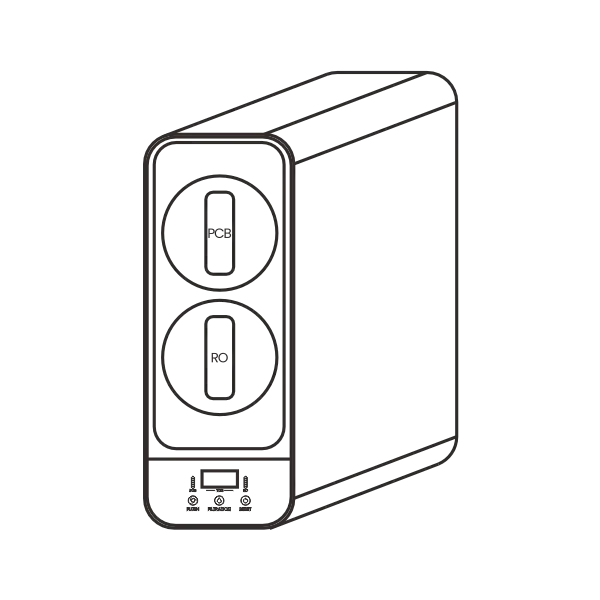
- Tankless Designs: Consumers demand space-saving units. Look for factories producing high-flow systems (e.g., 5.2L/min) that eliminate the need for a storage tank.
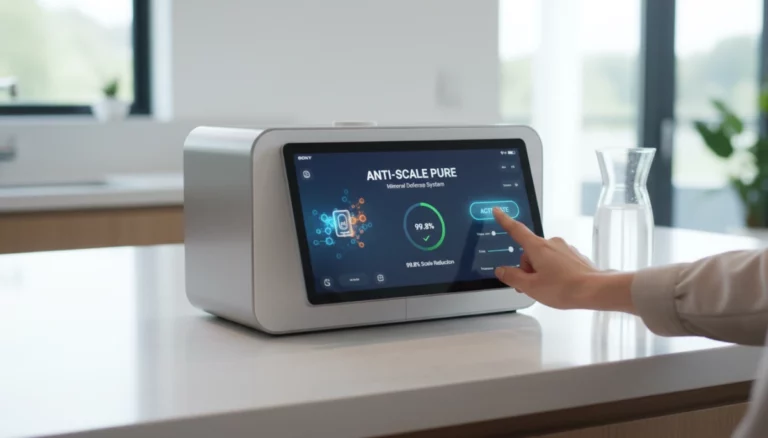
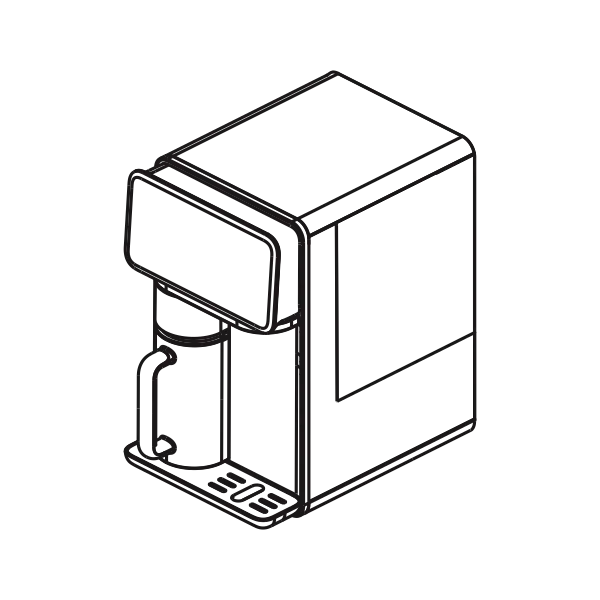
- 4-in-1 Functionality: The standard RO unit is evolving into a comprehensive hydration station. We are seeing a massive surge in demand for systems that integrate Purification, Cold, Hot, and Soda/Ice making into a single countertop or under-sink unit.
- Smart Integration: From filter life monitoring to software-driven dispensing, China water filter OEM/ODM capabilities must now include software R&D to match hardware precision.
Start with Targeted Supplier Discovery
Finding a reliable RO manufacturers China requires more than a simple web search; it demands a strategic approach to filter out middlemen. Start by utilizing verified B2B platforms like Alibaba and Global Sources, but be rigorous with your search filters. You specifically want to toggle options that verify “Manufacturer” status to avoid trading companies that add markup without controlling quality. However, digital verification has its limits. Whenever possible, attending major industry events like the Canton Fair and Aquatech offers the best opportunity for direct connections. These expos allow you to physically inspect the build quality of a China water filter OEM/ODM and gauge their professionalism face-to-face.
Once you have a shortlist, leverage trade associations and directories for pre-vetted lists, then move immediately to initial screening. You need to ask specific, hard-hitting questions to determine if a factory can handle your brand’s scale. A high-quality partner should demonstrate a robust portfolio, potentially including complex innovations like a countertop ice maker water filter, rather than just basic units.
Key Screening Questions for Potential Suppliers:
- Manufacturing Capacity: Can they handle large-scale orders? Look for benchmarks like an annual capacity of 500,000+ machines.
- Export Markets: Do they have experience navigating global compliance and logistics for Western markets?
- OEM/ODM Experience: Do they have a proven track record? A solid baseline is 15+ years of specialized R&D and manufacturing experience.
- Product Diversity: Can they engineer diverse solutions, from standard under-sink systems to specialized ultrafiltration faucet water filter units?
Verify Factory Legitimacy and Ownership
Finding a partner in China is easy; finding the right partner requires digging deep. In my 15+ years in the water purification industry, I’ve seen countless brands get stuck with trading companies masquerading as manufacturers. To protect your supply chain, you must verify that your partner actually owns the production lines, R&D labs, and quality control systems.
Check Official Government Records
Don’t rely on a glossy brochure. Your first step is the National Enterprise Credit Information Publicity System (NECIPS). This government database reveals the registered scope of business.
- Look for: “Manufacturing,” “Production,” or “Processing” in the business scope.
- Red Flags: If the scope only lists “Sales,” “Trading,” or “Import/Export” without manufacturing keywords, you are likely dealing with a middleman.
Demand Real-Time Visual Proof
Static photos are easily staged or stolen. If a supplier claims to manufacture the best countertop RO systems, make them prove it live.
- Video Calls: Request an immediate FaceTime or Zoom walkthrough.
- Specific Locations: Ask to see the R&D laboratories and the raw material warehouse. A real factory like ours, with 60,000 sq. ft. of space, will have distinct zones for injection molding, assembly, and testing that are buzzing with activity.
- Time Check: Ask the operator to show a current newspaper or phone clock next to the machinery to prove the footage is live.
Differentiate via Paper Trails
A true OEM RO water purifier factory leaves a specific paper trail that traders cannot fake.
- 13% VAT Invoices: Manufacturers issue specific VAT invoices for raw materials (like plastic resin or filter media). Traders usually only have invoices for finished goods.
- Export Records: Check their history of shipping to Western markets. Experienced factories understand the compliance required for US customs.
Verification Checklist: Factory vs. Trader
| Verification Point | True Manufacturer | Trading Company |
|---|---|---|
| Business License | Lists “Production/Manufacturing” | Lists “Sales/Trading” only |
| Facility Access | Open to live video audits of R&D Labs | Reluctant or “needs appointment” |
| Technical Knowledge | Deep understanding of flow rates & 4-in-1 tech | Vague answers, needs to “check with engineer” |
| Pricing Structure | Transparent BOM (Bill of Materials) cost | Lump sum pricing with hidden margins |
Validating these details ensures you are working directly with the source, securing better margins and direct control over product quality.
Evaluate Core Manufacturing Capabilities and Scale
When vetting a partner for your brand, physical scale and production volume are non-negotiable indicators of reliability. A garage operation cannot sustain the growth of a serious US brand. You need to look for a facility that meets specific size benchmarks—ideally around 60,000 square feet. This footprint ensures they have the necessary space for organized assembly lines, inventory management, and manufacturing capacity. A factory operating at this scale should easily handle an annual output of 500,000 machines, guaranteeing they won’t bottleneck your supply chain when your sales volume spikes.
Beyond size, longevity in the industry is a critical filter. Prioritize partners with at least 15 years of specialized OEM/ODM experience. This history proves they have successfully navigated the evolution of filtration technology and global compliance standards.
A high-quality OEM RO water purifier factory distinguishes itself through comprehensive in-house capabilities rather than just assembly. Look for these specific infrastructure elements:
- Dedicated R&D Laboratories: Essential for testing membrane integrity and software integration.
- Strict Online Inspection: Automated quality checks integrated directly into the production line.
- Advanced Product Portfolio: Ability to manufacture complex units, such as a tankless water filter system with high flow rates (up to 5.2L/min) or 4-in-1 countertop models that combine purification, heating, cooling, and ice making.
These capabilities confirm the factory has the engineering strength to deliver premium, differentiated products rather than generic, off-the-shelf solutions.
Assess Technical and Performance Standards
When vetting a China RO system supplier, looking at the spec sheet is just the beginning. You need to verify that the factory can deliver consistent performance that meets Western standards. A high-quality manufacturer doesn’t just assemble parts; they engineer systems for longevity and efficiency.
Critical RO Performance Metrics
For any OEM RO water purifier factory, the numbers must add up. We look for specific benchmarks that indicate a mature manufacturing process.
| Metric | Standard Requirement | Why It Matters |
|---|---|---|
| TDS Rejection | ≥97% – 99% | Ensures the membrane effectively removes contaminants. |
| Flow Rate | High Output (e.g., 5.2L/min) | Fast dispense rates are critical for modern under-sink user experience. |
| Recovery Rate | 1.5:1 or 2:1 | High recovery RO production reduces water waste, a key selling point in the US. |
| Durability | 2,000+ Gallon Cycle | Proves the system can handle heavy usage without pressure drop. |
Membrane Quality and Component Sourcing
The heart of any reverse osmosis system is the membrane. Reliable factories maintain transparent supply chains for these core components. You should ask if they produce their own membranes or partner with established leaders like Vontron or Filmtec. Using verified, high-quality membranes ensures that the TDS rejection rates remain stable over the product’s lifespan, protecting your brand from quality claims down the road.
Innovations: Low Noise and Smart Integration
The market has moved beyond basic filtration. Leading manufacturers now focus on user experience improvements, such as low noise RO pump factory capabilities that keep operation volume under 45 dB.
Furthermore, R&D strength is visible in multi-functional units. Top-tier factories are engineering 4-in-1 systems that integrate purification with instant hot, cold, and even ice-making functions. If you are looking to expand your product line, sourcing industrial-grade hot water filter systems that combine heating efficiency with high-capacity filtration is a smart move for high-margin distribution.
Customization Flexibility for OEM/ODM
Finally, a true partner offers extensive China water filter OEM/ODM flexibility. This goes beyond sticking a logo on a generic case. You need a factory with the software and hardware R&D capabilities to modify control boards, adjust flow logic, and design custom housing. Whether it is a countertop unit or an under-sink solution, the ability to tailor the product ensures your brand stands out in a crowded market.
Prioritize Certifications and Compliance
When sourcing for your brand, compliance isn’t optional; it is the primary barrier to entry for the US and European markets. A high-quality manufacturing partner must navigate the complex regulatory landscape to ensure your products are legal and safe for sale. You need to look specifically for ISO NSF CE RoHS RO suppliers who treat certification as a continuous commitment rather than a one-time hurdle.
To ensure your home reverse osmosis water filter systems meet market expectations, demand the following certifications:
- NSF/ANSI 58: The specific standard for Reverse Osmosis Drinking Water Treatment Systems. This is critical for validating claims regarding contaminant reduction.
- ISO 9001: This indicates the factory operates under a standardized quality management system, ensuring consistency across production runs.
- CE & RoHS: Essential for electrical safety and restricting hazardous substances, particularly for systems with pumps or UV features.
- WQA Gold Seal: An additional layer of trust often recognized by North American consumers.
Beyond technical specs, major Western retailers often require social and ethical compliance. Factories holding BSCI (Business Social Compliance Initiative) or Sedex audits demonstrate fair labor practices, which is vital for protecting your brand’s reputation.
Verification is key. Never accept a PDF certificate at face value. Photoshop is easy to use; genuine databases are harder to fake.
- Direct Database Checks: Go to the official NSF or WQA website and search for the manufacturer’s name or license number.
- Third-Party Audits: If a supplier claims compliance but lacks a current certificate, hire a third-party agency to conduct an on-site RO factory audit checklist. This ensures the facility actually maintains the standards they claim on paper.
Conduct Thorough Quality Control and Audit Processes
You cannot rely on a handshake when it comes to manufacturing water filtration systems. A high-quality factory distinguishes itself through transparent, documented Quality control standards. When vetting a partner, I always demand to see their detailed QC flowcharts. You need to verify three specific stages: Incoming Quality Control (IQC) for raw materials, In-Process Quality Control (IPQC) on the assembly line, and Outgoing Quality Control (OQC) before the goods leave the dock. If a supplier cannot provide a clear paper trail for these processes, they are likely cutting corners.
For Reverse Osmosis systems, specific performance metrics are non-negotiable. You must verify membrane integrity to ensure high TDS rejection rates and conduct rigorous pressure tests to prevent leaks—a critical failure point that can destroy a brand’s reputation in the US market. Noise levels are equally important; verify that pumps operate quietly, especially for countertop units. For example, complex multi-functional machines like a countertop ice water purifier require specialized testing to ensure the ice-making, heating, and purification systems function simultaneously without overheating or failure.
Never authorize mass production without approving a “golden sample”—the perfect prototype that all subsequent units must match. Once production is complete, insist on third-party inspections from reputable agencies like SGS or BV. A professional Factory audit checklist should be your guide during this phase:
- Machinery Condition: Are the injection molding and assembly machines modern and well-maintained?
- Worker Training: Do line workers follow visible Standard Operating Procedures (SOPs)?
- Traceability: Can the factory track a specific component back to its batch if a defect occurs?
- Testing Lab: Does the facility have an in-house laboratory for life-cycle testing and water analysis?
Factories operating at a high level, such as those with 15+ years of experience and “strict online inspection” protocols, will welcome this scrutiny because their infrastructure is built to pass these audits.
Review After-Sales Support and Partnership Potential
Finding a factory isn’t just about the initial transaction; it is about securing a long-term partner who supports your brand’s growth. When vetting a China RO system supplier, the quality of after-sales service is often the deciding factor between a successful launch and a logistical nightmare. You need a manufacturer that treats your business as an extension of their own, offering transparency and reliability long after the container leaves the port.
Evaluating Technical Support and Warranty
A reliable OEM RO water purifier factory stands behind its manufacturing quality. During your negotiations, clarify the warranty terms explicitly. Standard agreements usually cover 1 year, but confident manufacturers with strict online inspection protocols often extend this to 2 years or more for core components.
Beyond the contract, assess their technical readiness. If a customer encounters an issue with one of your under-sink water filters, you need immediate access to troubleshooting guides or engineering support.
Key Support Checkpoints:
- Spare Parts Availability: Ensure the factory guarantees a supply of critical replacement parts (pumps, PCBs, fittings) for at least 3–5 years post-production.
- Warranty Coverage: Look for clear terms that cover manufacturing defects without excessive bureaucratic hurdles.
- Response Time: Test their responsiveness during the vetting phase. If they are slow to reply before they have your money, they will be invisible after they have it.
Communication and Long-Term Viability
Communication barriers can destroy a product launch. Your point of contact must have strong English proficiency to understand technical nuances and US market compliance requirements. Misunderstandings regarding voltage, plug types, or filtration specs can be costly.
Finally, look for indicators of stability and innovation. A factory with 15+ years of R&D experience and dedicated software and hardware laboratories is investing in the future. Manufacturers that own their facilities and invest in new molds and patent portfolios are far less likely to cut corners or disappear overnight compared to temporary assembly workshops. Partnering with a supplier that offers a transparent industrial ecosystem ensures you have the infrastructure needed to scale.
Negotiate and Test Before Committing
Before you sign a contract or wire a deposit, you must validate that the factory can actually deliver on its promises. A high-quality manufacturing partner understands that trust is built through transparency, not just sales pitches. The goal here is to secure favorable terms that protect your cash flow while ensuring the factory is committed to your long-term growth.
Negotiating MOQ Flexibility
For new brands, committing to thousands of units immediately is a huge risk. You need a partner with OEM/ODM flexibility who is willing to grow with you. While large-scale facilities like ours have an annual capacity of 500,000 machines, a strategic partner should offer reasonable Minimum Order Quantities (MOQs) for pilot runs. This allows you to test the market with innovations like smart countertop RO water filter technology without overextending your initial budget.
Sample Ordering and Testing Process
Never rely on photos alone. You must purchase and rigorously test a “Golden Sample.” This unit serves as the benchmark for all future mass production.
- Performance Testing: Run the unit to verify flow rates (e.g., 5.2L/min) and filtration efficiency.
- Component Check: Open the casing to ensure the internal components match the spec sheet (pumps, tubing, and electronics).
- Packaging: Verify that the packaging is robust enough to survive international shipping to the US.
Payment Terms and Risk Mitigation
Clear terms prevent headaches down the road. Reliable manufacturers typically operate on standard deposit structures (often 30% down, 70% upon completion) rather than demanding 100% upfront.
- Production Lead Time: Get a firm commitment on timelines. A factory with a transparent industrial ecosystem should be able to give accurate delivery dates.
- Escrow Services: If you are using platforms like Alibaba, utilize trade assurance or escrow services for the first few transactions to mitigate financial risk.
- Warranty Agreements: Ensure the contract explicitly states the warranty period (aim for 1–2 years) and the process for handling defective units.
Frequently Asked Questions (FAQs)
How do I verify if a Chinese supplier is a factory or a trader?
The most reliable method is to look for tangible assets and R&D capabilities. A true OEM RO water purifier factory will operate its own manufacturing facilities—like our 60,000 sq. ft. plant—rather than just an office address. Ask for proof of in-house R&D laboratories and specialized software development teams. Trading companies rarely invest in the infrastructure required for complex under-sink distribution systems, whereas a legitimate manufacturer can demonstrate a clear production capacity, such as 500,000 units annually, and walk you through their specific quality control protocols.
What are the most important certifications for RO systems in the US market?
For the United States, safety and material compliance are non-negotiable. You should prioritize ISO NSF CE RoHS RO suppliers who understand Western regulatory standards. The most critical benchmarks include NSF/ANSI 58 for reverse osmosis performance and material safety, as well as RoHS compliance to ensure hazardous substances aren’t used in electronic components. Additionally, ISO 9001 certification indicates that the factory follows a standardized quality management system, ensuring consistency across large production runs.
What is a good TDS rejection rate for high-quality RO membranes?
High-performance reverse osmosis systems should achieve a Total Dissolved Solids (TDS) rejection rate between 97% and 99%. This metric proves the membrane is effectively removing contaminants. Whether you are sourcing a standard unit or a specialized countertop reverse osmosis model with 4-in-1 functionality (heating, cooling, and ice-making), consistent TDS rejection is the primary indicator of filtration quality. Lower rates often signal inferior membrane sourcing or poor system engineering.
How much does a third-party factory audit typically cost in China?
While prices vary based on the depth of the inspection, a standard one-day audit by a reputable third-party agency typically ranges from $300 to $1,000 USD. This investment is minimal compared to the risk of importing a container of defective goods. A proper audit should verify the factory audit checklist, covering machinery condition, worker training, and the existence of “strict online inspection” processes. For brands looking for a reliable RO manufacturer in China, this step confirms that the facility’s reality matches their marketing claims.