











You’ve likely noticed the massive surge in demand for premium home water solutions.
But how do you capitalize on this without spending millions on R&D or factory infrastructure?
The answer lies in a strategic partnership, not a manufacturing overhaul.
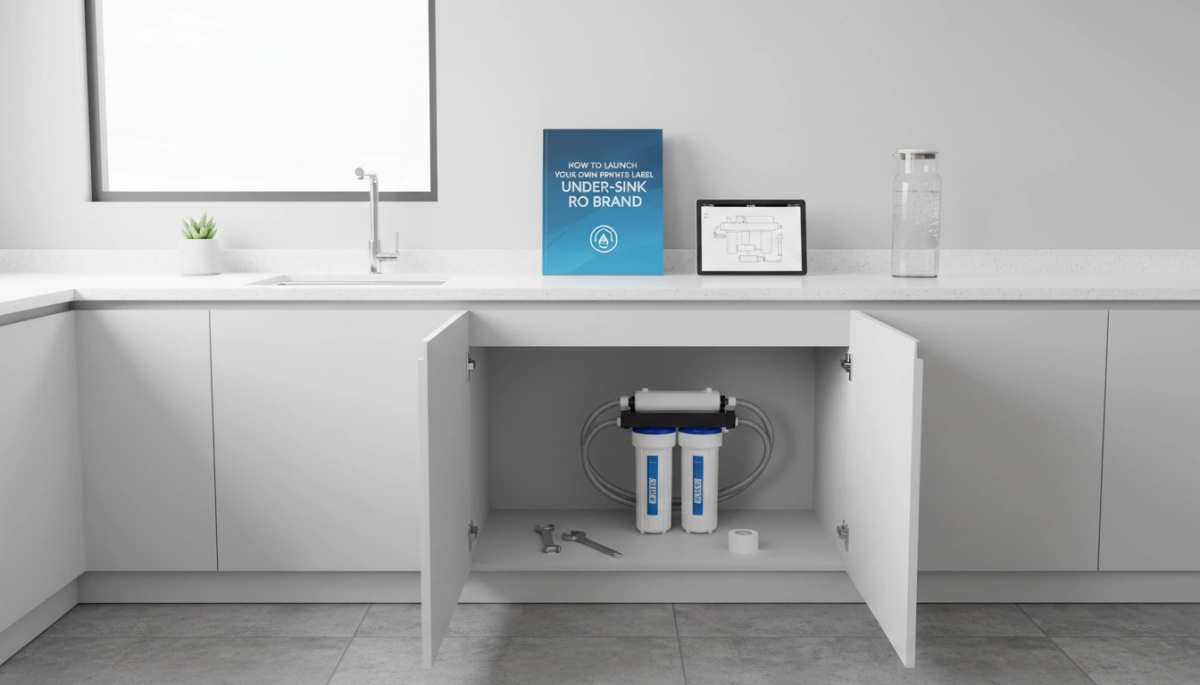
If you are looking for the blueprint on How to Launch Your Own Private Label Under-sink RO Brand, you are in the right place.
Instead of building from scratch, smart entrepreneurs are leveraging experienced Under sink RO OEM/ODM partners to fast-track their market entry. This approach allows you to bypass technical hurdles and focus entirely on building a recurring revenue water filter brand.
In this guide, I’m going to show you exactly how to navigate the process—from selecting a custom RO system supplier to securing NSF certified private label RO units that build instant trust.
Let’s get to work.
Why Under-Sink RO Is a Strong Private Label Opportunity Right Now
Launching a private label reverse osmosis system is one of the smartest moves in the wellness and home appliance sector today. We aren’t just seeing a trend; we are witnessing a fundamental shift in “modern lifestyles.” Consumers are hyper-aware of water quality, yet they demand solutions that fit seamlessly into compact, design-forward kitchens. This creates a perfect storm for brands ready to offer high-performance, under sink water filter private branding.
Capitalizing on Health and Space-Saving Trends
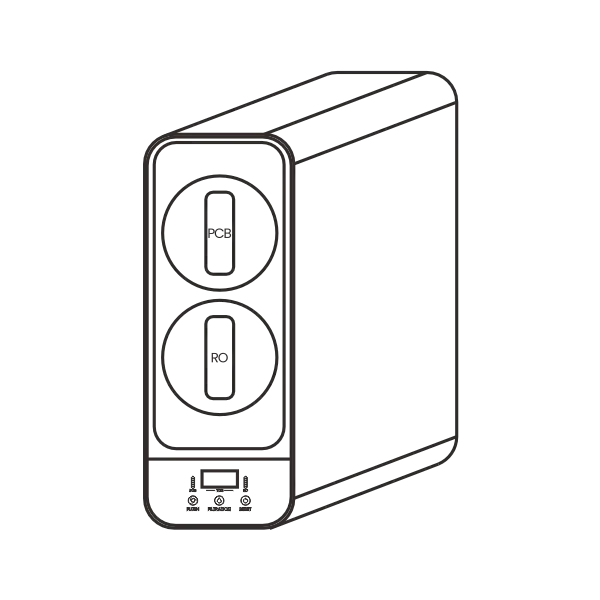
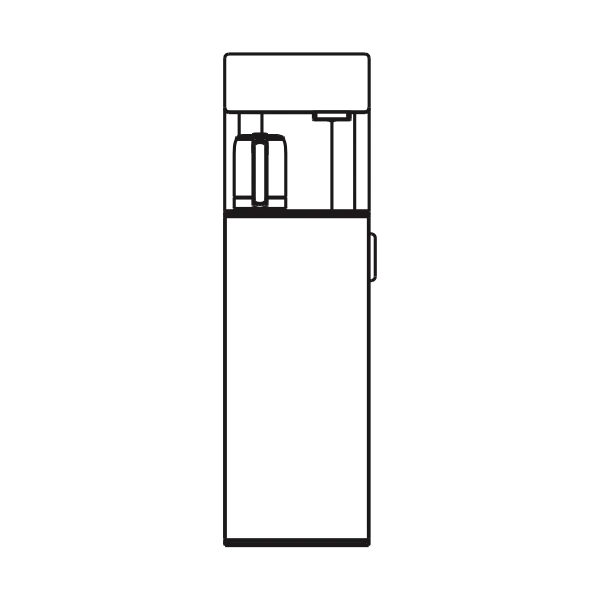
The market is moving away from bulky countertop units. Today’s homeowner wants invisible power. By leveraging OEM manufacturing, you can provide systems that deliver purification, cold, hot, and even soda water from a single under-sink unit. The demand is driven by two main factors:
- Health Consciousness: A non-negotiable need for pure water free from contaminants.
- Aesthetic Minimalism: The desire to keep countertops clear, pushing filtration technology underneath the sink.
The Profit Model: Unit Sales vs. Recurring Revenue
The true power of a recurring revenue water filter brand lies in the ecosystem you create. While the initial sale of the RO machine generates immediate cash flow, the long-term value comes from the consumables.
| Revenue Stream | Characteristics | Strategic Value |
|---|---|---|
| One-Time Unit Sale | High ticket price, immediate revenue. | Establishes brand presence and customer base. |
| Recurring Filter Sales | Lower price, high frequency, predictable income. | Builds long-term loyalty and stabilizes cash flow. |
Competitive Edge Through Design and Smart Features
To succeed, you cannot simply re-sell a generic product. You need differentiation. Partnering with an experienced OEM under sink RO manufacturer allows you to utilize advanced R&D to create a unique product identity.
- Custom Design: Move beyond standard white boxes. Use professional industrial design to match modern kitchen aesthetics.
- Smart Functionality: Integrate features like real-time water quality monitoring or multi-temperature dispensing (Hot/Cold/Sparkling).
- High Capacity: Offer systems with up to 2000 gallons capacity and 5.2L/min flow rates to outperform standard retail models.
By focusing on these pillars, you position your brand not just as a hardware seller, but as a provider of essential, high-quality lifestyle solutions.
Step 1: Define Your Brand Vision and Target Market
Before we even talk about manufacturing specs, you need a clear roadmap. The water filtration market is crowded, so launching a generic product won’t cut it. You need to carve out a specific identity that resonates with American households.
Identify Your Niche
Successful brands don’t try to be everything to everyone. We see partners succeed by focusing on specific segments:
- Wellness & Health: Targeting fitness enthusiasts who want mineral-rich or ultra-pure hydration.
- Eco-Conscious: Focusing on reducing plastic waste with durable, long-lasting systems.
- Luxury & Design: Prioritizing sleek aesthetics that fit modern kitchens (a core strength of our design team).
- Budget-Friendly: Offering reliable, basic filtration for cost-sensitive families.
Research Competitors and Find the Gap
Look at the current private label reverse osmosis system landscape. Where are the pain points? Maybe existing options are too bulky for compact US apartments, or perhaps they lack smart features. Our R&D team focuses on “modern lifestyles,” helping you fill these gaps with features like tankless designs or multi-functional faucets that offer hot, cold, and sparkling options. Understanding the technical differences, such as reverse osmosis vs. distilled water, helps you educate your customers and position your product as the superior choice.
Set Realistic Goals
Define your brand positioning early. Are you aiming for high-volume sales on Amazon or a premium, low-volume direct-to-consumer model?
- Volume: Determine your initial rollout numbers. Our facility supports a 500,000-unit annual capacity, so we can scale with you, but starting with a clear forecast helps us optimize production.
- Pricing: Calculate margins based on whether you want to compete on price or value-added features.
- Distribution: Decide if you are shipping D2C or stocking retail shelves.
By solidifying these elements now, you streamline the OEM process later.
Step 2: Select the Right OEM/ODM Manufacturing Partner
Choosing the right manufacturing partner is the most critical decision you will make. You aren’t just looking for a factory; you need a strategic ally that can handle everything from initial design to mass production without compromising quality. A reliable OEM under sink RO manufacturer acts as the engine behind your brand, allowing you to focus on marketing while they handle the heavy lifting of production.
When evaluating potential partners, look for these non-negotiable assets:
- Proven Experience: You want a team with a track record. We bring 15+ years of R&D and OEM/ODM service expertise to the table, ensuring we understand the technical nuances of water purification.
- Scalable Infrastructure: Your supplier must be able to grow with you. Our 60,000 sq. ft. manufacturing facility supports an annual capacity of 500,000 units, guaranteeing that supply never bottlenecks your sales.
- In-House Innovation: Look for a partner with their own R&D and software laboratories. This capability allows for the development of “modern lifestyle” products rather than generic, off-the-shelf clones.
Partnering with a custom RO system supplier in China offers significant advantages in cost and speed, but only if the quality control is rigorous. You need a partner that prioritizes a transparent industrial ecosystem. At Driplife, we implement strict online quality inspection processes to ensure every unit meets international standards before shipment.
Finally, assess their ability to deliver. A top-tier under sink RO OEM/ODM partner should have established worldwide distribution channels and close international partnerships to ensure timely delivery. By vetting their manufacturing capabilities and export history, you can secure a supply chain that is both robust and reliable.
Step 3: Choose and Customize Your Under-Sink RO Product Platform
Selecting the right hardware foundation is critical for your brand’s reputation. You need a platform that balances high performance with the aesthetic demands of modern American kitchens. As an experienced OEM under sink RO manufacturer, we provide a range of base architectures that can be tailored to your specific market niche, whether you are targeting budget-conscious families or the luxury wellness sector.
Prioritize Core Performance Specifications
In the US market, speed and longevity are non-negotiable. Consumers will not tolerate a slow trickle. When configuring your private label reverse osmosis system, focus on these three technical pillars:
- High Flow Rate: Aim for systems delivering at least 5.2L/min. This ensures users can fill pots and pitchers quickly, matching the pace of a busy lifestyle.
- Extended Capacity: A 2000-gallon filtration capacity is the sweet spot. It reduces the frequency of filter changes, lowering maintenance frustration while maintaining high water quality.
- Filtration Technology: Decide between standard RO, Carbon, or Ultra-filtration (UF) based on your local water quality targets. For comprehensive purification, a multi-stage filter water for sink setup is often the standard for premium branding.
Deep Customization Options
Differentiation is how you win on the shelf and online. We leverage our advanced product design capabilities and R&D software laboratories to modify the product platform beyond just the internal mechanics. You can upgrade a standard purifier into a multi-functional appliance.
Customization Tier Breakdown:
| Feature Category | Customization Options |
|---|---|
| Functionality | Integration of instant hot, cold, or sparkling water modules. |
| User Interface | Smart monitoring displays, filter life indicators, and leak detection alarms. |
| Exterior Design | Custom mold shapes, matte or gloss finishes, and compact footprints for tight spaces. |
| Premium Add-ons | Upgrading to an under sink water chiller dispenser for a luxury edge. |
Visual Identity and Branding Elements
Your product must visually communicate your brand’s value the moment it is unboxed. We support full brand identity kits to ensure the physical product matches your marketing promise. This includes logo silk-screening directly onto the unit, selecting custom chassis colors that align with your brand palette, and designing retail-ready packaging. By controlling the entire aesthetic from the factory floor, you ensure a cohesive customer experience that builds trust and justifies your price point.
Step 4: Navigate Certifications and Compliance Without Delays
Why Certifications Like NSF/ANSI and ETL Matter
In the United States, water quality is a sensitive topic. You cannot simply import a generic box, slap a logo on it, and expect it to sell on Amazon or in big-box stores. Compliance is your entry ticket. If your product involves electricity—like smart faucets or pump-assisted units—ETL or UL certification is non-negotiable for safety.
More importantly, performance claims build your brand’s reputation. Consumers want proof. An NSF certified private label RO system assures buyers that the machine actually removes the contaminants you claim it does. For instance, if your marketing highlights that your system is one of the best methods for removing fluoride from water, you need the official lab data and certification to back that statement up legally and ethically. Without these badges, you risk liability and getting delisted from major e-commerce platforms.
Fast-Track Strategy: Using Pre-Certified Platforms
Obtaining your own certifications from scratch is expensive and can take six months to a year. As a startup or private label brand, you likely don’t have the time or budget for that initially.
The smartest move is to leverage an under sink RO OEM/ODM partner that offers pre-certified reverse osmosis system platforms.
- WQA/NSF Listings: Many top-tier manufacturers already hold the main certifications (like NSF/ANSI 58).
- Data Transfer: You can often “piggyback” on their existing certification through a process called a trade name listing or co-listing.
- Speed to Market: This approach cuts your compliance timeline from months down to just a few weeks, allowing you to launch a legitimate, trusted product immediately.
Risk Mitigation Through Strict Quality Inspections
Relying on a factory’s certification is step one, but maintaining that standard is step two. A certificate on the wall doesn’t guarantee that the specific batch shipping to your warehouse is perfect. You need a rigorous inspection protocol before the goods leave the factory floor.
Implement a Third-Party Inspection (TPI) plan that checks:
- Pressure Testing: Ensuring housings don’t crack under US household water pressure.
- Component Verification: Confirming that the filters and membranes used are the exact ones listed in the certification documents.
- Visual Standards: Checking for scratches, logo alignment, and correct packaging.
By combining a pre-certified reverse osmosis system strategy with strict quality control, you protect your brand from the nightmare of product recalls and bad reviews.
Step 5: Manage MOQ, Costs, and Supply Chain Logistics
Launching a private label brand requires a careful balance between inventory investment and cash flow. As a manufacturer with a 60,000-square-foot facility and an annual capacity of 500,000 units, we understand that scaling requires a solid foundation. You need a clear strategy for Minimum Order Quantities (MOQ) and a transparent view of your total costs to ensure profitability in the US market.
Realistic Entry Points and MOQ
For new brands, the Minimum Order Quantity is often the biggest barrier to entry. While high-volume production drives the lowest unit costs, you need a partner who offers realistic entry points for a low MOQ under sink RO pilot run. This allows you to test your specific market niche without tying up all your capital in warehouse inventory. We work to balance our high-capacity manufacturing strengths with the flexibility needed for growing B2B partnerships.
Understanding the Full Cost Breakdown
To price your product competitively, you must look beyond the factory gate price. A successful turnkey private label water purifier project involves several cost layers:
- Tooling and Molds: If you require a completely unique exterior design rather than a standard ODM model, expect upfront investment for custom molds.
- Unit Pricing: This is volume-dependent. Committing to a predictable schedule often secures better pricing than sporadic spot orders.
- Landed Costs: Always calculate the total cost to get the product to your warehouse, including freight, insurance, and US import duties.
Supply Chain and International Distribution
Reliability is just as important as price. A delay in shipping can cause you to miss critical sales windows. We leverage close international partnerships to streamline the export process, ensuring that your under sink RO OEM/ODM products move efficiently from our production lines to your distribution center. By utilizing a supplier with established logistics channels, you minimize the risk of unexpected delays and keep your supply chain running smoothly.
Step 6: Develop Branding, Packaging, and Marketing Assets
When you launch a water filtration brand, trust is your most valuable currency. American consumers are inviting your product into their homes to protect their health, so your visual identity must communicate safety, reliability, and modernity immediately. This goes beyond just slapping a logo on a box; it requires a cohesive brand identity kit that aligns your physical product with your digital presence.
Building Trust Through Professional Design
Your custom packaging RO system serves two purposes: protecting the unit during transit and acting as your silent salesman. We utilize advanced product design capabilities to ensure the unboxing experience reflects the quality of the engineering inside.
- Visual Consistency: Ensure your logo, color palette, and typography are consistent across the unit, the manual, and the retail box.
- Instructional Clarity: High-quality, English-native user manuals reduce return rates and installation frustration.
- Premium Feel: Use sturdy materials that signal durability before the customer even touches the filter.
Marketing Focus: Purity and Modern Lifestyles
Your messaging needs to resonate with the “modern lifestyle” consumer who values wellness and convenience. Since many potential customers are already aware that at present water pollution is serious, your marketing should pivot to the solution: effortless purity.
- Highlight Convenience: Emphasize features like the 5.2L/min flow rate or the multi-functional nature of the system (hot, cold, soda).
- Health-First Messaging: Focus on the specific contaminants your chosen RO or UF technology removes.
- Eco-Friendly Angle: Position your brand as a sustainable alternative to bottled water.
Strategic Launch Channels
Don’t limit yourself to a single storefront. A successful private label reverse osmosis system launch often requires a mix of direct-to-consumer and B2B strategies.
- E-commerce & Amazon: Essential for volume, but requires optimized listings and competitive pricing.
- Wellness Partnerships: Collaborate with health influencers or eco-conscious lifestyle brands.
- B2B Water Purifier Partnerships: Target local plumbers, kitchen remodelers, and real estate developers who can install your units as a standard home upgrade.
Step 7: Launch, Scale, and Maximize Recurring Revenue
Launching your private label reverse osmosis system is just the starting line. We always recommend beginning with a pilot launch to a targeted segment of your audience. This allows you to gather real-world feedback on installation ease and water taste, ensuring your product hits the mark before a full-scale rollout. Use this data to refine your messaging and ensure your support team is ready for the broader market.
Building a Recurring Revenue Engine
The most successful water filtration brands don’t just sell hardware; they build ecosystems. The key to long-term profitability is the under sink RO replacement filters.
- Subscription Models: Implement a “subscribe and save” option for filter replacements. This ensures your customers always have clean water and guarantees you predictable monthly revenue.
- Smart Reminders: If your unit includes smart monitoring (a feature our R&D team can integrate), use it to prompt timely reorders.
Expanding Your Product Line
Once your core RO brand is established, use our 500,000-unit annual production capacity to scale up rapidly. A natural next step is cross-selling complementary products to increase average order value. For example, customers who prioritize pure drinking water often look for a hot and cold water dispenser for their home office or a best shower head water filter to protect their skin and hair. Expanding your catalog transforms your business from a single-product seller into a comprehensive home wellness brand.
Common Pitfalls to Avoid When Launching Your Private Label RO Brand
I have seen plenty of entrepreneurs burn through their startup capital before selling a single unit because they fell into avoidable traps. Launching a private label reverse osmosis system is profitable, but only if you navigate the early stages with discipline.
Over-Customizing Early and Increasing Costs
The biggest rookie mistake is trying to reinvent the wheel immediately. You might want a completely unique casing shape, but requiring new molds drives up your OEM manufacturing costs and extends lead times by months.
- Stick to the platform: Use an existing turnkey private label water purifier design for your MVP (Minimum Viable Product).
- Focus on soft customization: Differentiate using logo silk-screening, custom packaging, and a strong brand identity kit rather than structural engineering changes.
Ignoring the Profitability of Recurring Filter Sales
Many new brands focus 100% on selling the machine and forget the backend. The real valuation of a water filtration business comes from being a recurring revenue water filter brand. If you aren’t setting up an easy subscription model for Under sink RO replacement filters from day one, you are leaving the majority of your long-term profit on the table.
Choosing Partners Without Proven Certifications
In the US market, compliance is not optional. Partnering with a custom RO system supplier China that lacks proper documentation is a fast track to failure. You need a pre-certified reverse osmosis system to satisfy safety standards. If you attempt to launch reliable under-sink water filter systems without meeting NSF/ANSI standards or ETL electrical safety requirements, major retailers and Amazon will eventually block your listings.
Underestimating Import and Logistics Challenges
Sourcing from overseas involves more than just the unit price.
- Hidden Costs: Factor in tariffs, harbor maintenance fees, and last-mile delivery.
- Lead Times: An OEM under sink RO manufacturer might finish production in 30 days, but ocean freight and customs clearance can double that timeline. Always buffer your inventory planning to avoid stockouts during your launch phase.
Frequently Asked Questions About Private Labeling RO Systems
What is the minimum order quantity (MOQ) for private label RO systems?
MOQs generally depend on the level of customization required for your project. For a standard private label reverse osmosis system—where we apply your branding to a pre-validated model—the entry threshold is typically lower, allowing for a low MOQ under sink RO launch. However, if you require deep customization involving unique tooling or proprietary mold designs, the volume requirements will be higher to cover the engineering and setup costs. We aim to offer flexible solutions that balance your inventory risk with production efficiency.
How long does it take to launch a custom under-sink RO brand?
The timeline varies based on whether you choose an ODM or OEM route. A turnkey private label water purifier utilizing our existing infrastructure can be market-ready quickly, often within a few months, including packaging and branding implementation. In contrast, a fully custom project requires time for R&D, prototyping, and our strict online inspection processes. With our 60,000 sq. ft. facility and 500,000-unit annual capacity, we have the scale to accelerate production timelines significantly compared to smaller workshops.
Do I need my own certifications if the manufacturer has them?
In most cases, you can leverage the certifications held by your manufacturing partner to save significant time and capital. Because we adhere to rigorous international standards, utilizing our pre-certified reverse osmosis system platforms allows you to bypass months of testing. This strategy is essential for brands that want to market a compliant, high-quality product without managing the complex regulatory landscape independently.
Can I customize the filter lifespan and replacement schedule?
Yes, our in-house R&D team allows for extensive technical customization. We can adjust internal components to achieve specific performance metrics, such as a high 2000-gallon capacity or a fast 5.2L/min flow rate. Whether your goal is to create a system that can filter microplastics from water or one optimized for specific mineral retention, we tailor the specifications to fit your strategy. This flexibility helps you build a recurring revenue water filter brand with a replacement cycle that aligns perfectly with your business model.