
















Thinking about how to filter water for your sink, but not sure where to start?
Maybe your tap water smells like chlorine, tastes a little off, or you’re worried about hidden contaminants like lead and PFAS. You’re not alone—and the good news is, you don’t need a whole-house overhaul to fix it.
With the right under sink water filter or faucet water filter, you can turn the water from your existing tap into clean, better-tasting drinking water for cooking, coffee, and everyday use—often in under an hour of DIY setup.
In this guide, you’ll quickly see:
- Which sink water filter types actually work (and which are hype)
- What they really remove from your tap water
- How to choose a point of use filtration system that fits your sink, budget, and water quality
If you’re ready to get safer, fresher water straight from your sink without wasting money on the wrong system, keep reading.
Understanding Sink Water Filtration
When you see “filter water for sink,” we’re really talking about cleaning up the tap water you actually use every day at the faucet—where you drink, cook, wash your face, and brush your teeth. Instead of treating all the water in the house, a sink water purifier focuses on the water you put in your body and on your skin.
What “Filter Water for Sink” Means
To filter water for sink at home, you add a point of use filtration system directly at one tap, like:
- A faucet water filter that clips onto the kitchen tap
- An under sink water filter hidden in the cabinet with a small drinking faucet
- A countertop water filter for sink connected by a short hose
The goal is simple: better-tasting, safer water right where you actually use it most.
Point of Use vs Whole House Filtration
You’ll hear two main terms:
- Point of use filtration
- Installed at one sink (kitchen or bathroom)
- Great for drinking water filter systems and cooking
- Lower cost, easier to install, focused on quality at that one tap
- Whole-house filtration
- Installed where water enters the home
- Treats every faucet, shower, and toilet
- Better for overall plumbing and showers, but not always as strong as a dedicated tap water purifier at the sink
Most people in apartments, rentals, and smaller homes start with sink-mounted water filters or under counter water filter systems because they’re cheaper, flexible, and don’t need major plumbing changes.
How Sink Filters Are Used Day to Day
In real life, kitchen sink filtration and bathroom sink water purifiers get used like this:
- Kitchen sink
- Fill glasses, bottles, and pet bowls with filtered water
- Make coffee, tea, and ice with a kitchen tap filter system
- Rinse fruits and veggies with cleaner water
- Bathroom sink
- Brush teeth with filtered water, not harsh chlorine
- Wash your face with gentler water that’s easier on skin
- Rinse contact lens cases or mouthwash cups with more trusted water
By focusing on filter water for sink instead of the whole house, you get a quick upgrade where it matters most with less cost, less hassle, and more control over what you’re actually drinking and using every day.
Why You Should Filter Water for Your Sink
Most U.S. homes technically have “safe” tap water, but that doesn’t mean it’s clean, fresh, or what you want to drink every day. When you filter water for your sink, you’re protecting yourself from common city and well water problems like:
- Chlorine and chloramine that make your water smell like a pool
- Lead from old pipes and fixtures
- PFAS (“forever chemicals”), now a growing concern across the U.S.
- Rust, sediment, and cloudy water from aging infrastructure
- Bad taste and odors that ruin coffee, tea, and ice
A good sink water purifier or faucet water filter gives you real, everyday benefits:
- Health peace of mind – Better protection from heavy metals, some PFAS, and other contaminants
- Better taste and smell – Water, coffee, tea, and mixed drinks taste cleaner and more consistent
- Safer cooking and washing – You’re rinsing produce, baby bottles, and cookware with filtered water, not whatever came through miles of pipe
- More comfort at the sink – Less chlorine and grit on your hands, face, and dishes
If you’re serious about improving tap water at the point of use, a quality under sink water filter or kitchen tap filter system is the most practical upgrade you can make. For higher performance, systems like a countertop reverse osmosis water filter can take things even further with advanced contaminant reduction while still sitting right next to your sink.
Main Types of Sink Water Filters
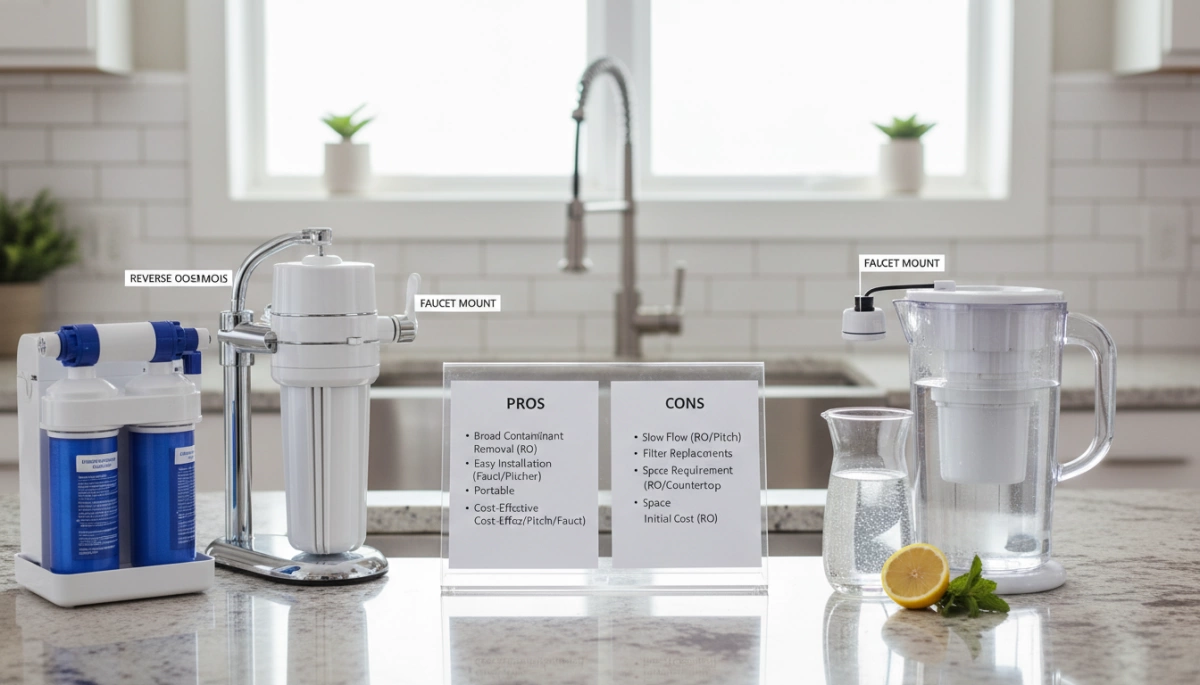
When people search “filter water for sink,” they’re usually looking at three main options: faucet-mounted filters, under sink water filters, and countertop/inline sink filters. Each fits a different type of home, budget, and daily use.
Faucet-Mounted Sink Filters
A faucet water filter is a small unit that attaches directly to your kitchen or bathroom tap.
Pros:
- Fast install – usually tool-free, great for renters and apartments
- Low upfront cost – one of the cheapest ways to start home tap water filtration
- On-demand filtering – switch between filtered and unfiltered water to save cartridge life
Cons:
- Can slow flow rate – filling big pots or bottles takes longer
- Bulky on the faucet – not everyone likes the look or extra weight on the tap
- Shorter filter life – more frequent filter cartridge replacement vs under sink systems
Best for:
- Renters who can’t modify plumbing
- Smaller households that mainly filter water for drinking and coffee
- People who want a simple sink mounted water filter with minimal commitment
Under Sink Water Filters
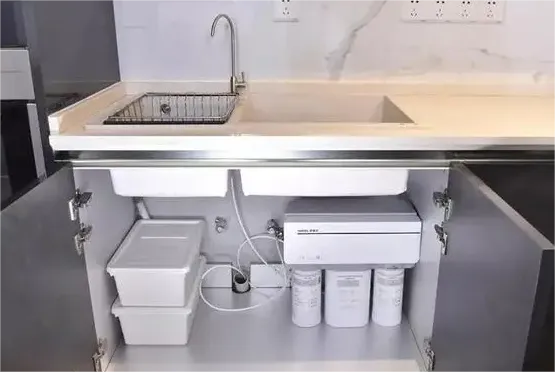
An under sink water filter (or under counter water filter system) sits in the cabinet under your kitchen sink and connects to the cold water line, often with a dedicated drinking faucet.
Pros:
- Cleaner look – everything hidden under the sink
- Better performance – multi-stage systems for lead reduction, PFAS water filtration, and higher-capacity carbon block cartridges
- Longer filter life – fewer changes per year, ideal for families
- Higher flow – more comfortable for cooking, washing produce, and filling pitchers
If you’re planning a more permanent setup, a dedicated under counter water filter with an NSF-focused design is usually the best balance of performance and cost. For example, our own under-counter water filter systems are built around high-capacity carbon blocks and export-ready specs for U.S. kitchen layouts.
Cons:
- More involved installation – may need basic plumbing skills or a plumber
- Higher upfront cost than faucet filters
- Takes cabinet space under the sink
Ideal for:
- Families and heavy water users
- Homeowners who want a long-term kitchen sink filtration solution
- People focused on NSF certified water filter performance for drinking and cooking
Countertop and Inline Sink Filters
These fall into two groups: portable countertop water filters for sink and built-in inline sink water filters.
Portable Countertop Filters
These connect to your faucet with a small diverter valve and sit on the counter.
Pros:
- No permanent changes – perfect for renters and RVs
- Higher capacity than most faucet-mounted units
- Easy to move if you change apartments or homes
Cons:
- Takes counter space
- Visible hoses and housing may not match your kitchen style
Best for people who want flexible, point of use filtration without drilling or cabinet work.
Built-In Inline Sink Filters
An inline sink water filter installs under the sink directly on the cold water line, often feeding your existing faucet or a dedicated drinking water faucet.
Pros:
- Clean setup – nothing on the counter and minimal visual impact
- Good for both kitchen and bathroom sinks for daily use and brushing teeth
- Simple cartridge swaps with quick-connect fittings
Cons:
- Some plumbing work required
- Performance varies – you need to check specs for chlorine removal, lead, and PFAS
Inline systems are a solid middle ground if you want better home tap water filtration without stepping up to full reverse osmosis. For higher-end builds or OEM projects, I design these to be compact, easy to mount, and compatible with U.S. plumbing and packaging standards so brands can drop them straight into their own drinking water filter systems without redesign.
What Sink Water Filters Really Remove
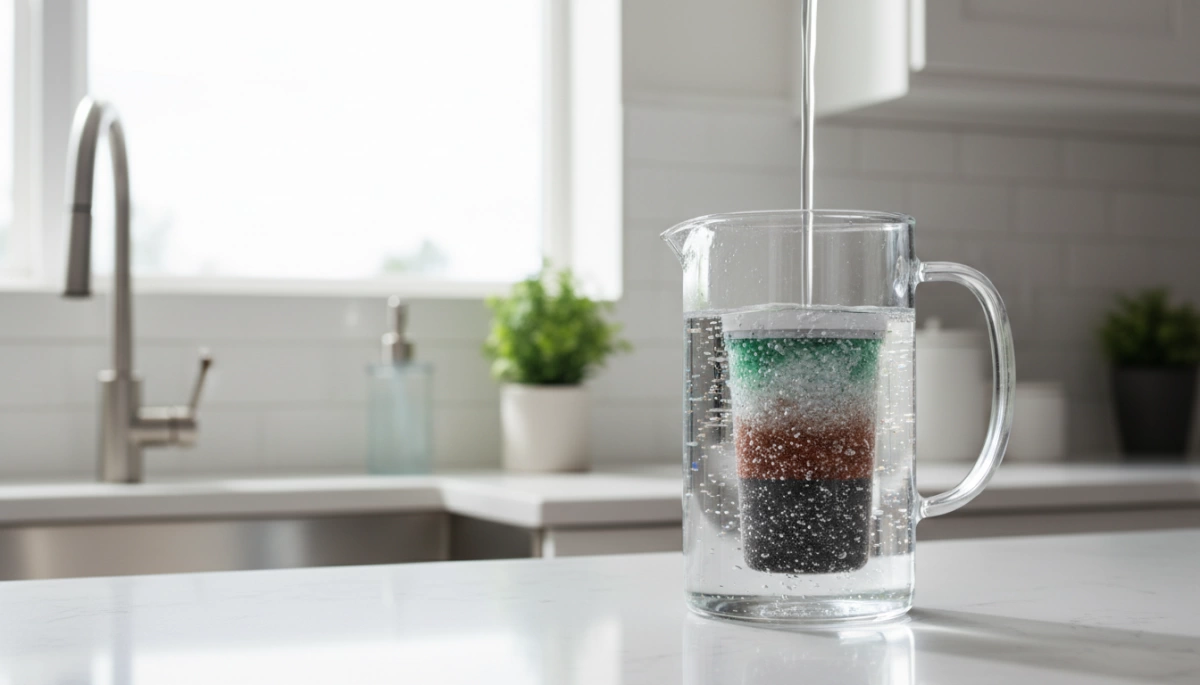
When we talk about “filter water for sink,” most people want to know one thing: what does a faucet water filter or under sink water filter actually remove?
Chlorine, Bad Taste, and Smell
Most kitchen sink filtration systems use carbon (often a carbon block sink filter) that’s great at:
- Cutting chlorine and chloramine (city water disinfectants)
- Reducing bad taste and odor from tap water
- Making coffee, tea, and cooking water taste cleaner
If taste and smell are your main issues, a good NSF certified water filter with chlorine reduction is usually enough.
Sediment, Rust, and Particles
A solid sink water purifier will also include a sediment stage to catch:
- Sand, silt, and fine dirt
- Rust from aging pipes
- Visible particles that make water look cloudy
These are common in older U.S. homes and apartments, so even a basic inline sink water filter can make a visible difference in clarity.
Heavy Metals, PFAS, and VOCs
For tougher contaminants, you need a filter that’s specifically rated to handle them:
- Lead reduction sink filter: Look for NSF/ANSI 53 or 58 claims
- PFAS water filter: Advanced carbon and specialty media, clearly labeled for PFAS
- Certain VOCs (chemical fumes in water), some pesticides, and industrial byproducts
Many under sink water filters and reverse osmosis under sink systems are built to tackle these higher-risk contaminants. Always check the performance data sheet, not just the marketing.
If you want to understand how RO affects drinking water itself, it’s worth looking at the basics of reverse osmosis water and pH balance.
What Most Sink Filters Can’t Do
Even the best home tap water filtration at the sink has limits. Most standard faucet filters and basic under counter water filter systems:
- Do not remove all viruses and bacteria from unsafe well water
- Do not fix super-high TDS (total dissolved solids) like salt or hardness (you’d need RO or a softener)
- Do not solve serious contamination from sewage or major pipe breaks
You need advanced systems (like multi-stage RO, UV, or full-home treatment) when:
- Your water test shows microbiological issues
- You’re on a problem well
- Local authorities issue boil-water or contamination notices
For more advanced kitchen setups that pair filters with specialized taps, you can also look at types of kitchen sink filtered water faucets that are designed to work with modern under sink systems: filtered water faucet options and styles.
How to Choose the Best Sink Water Filter
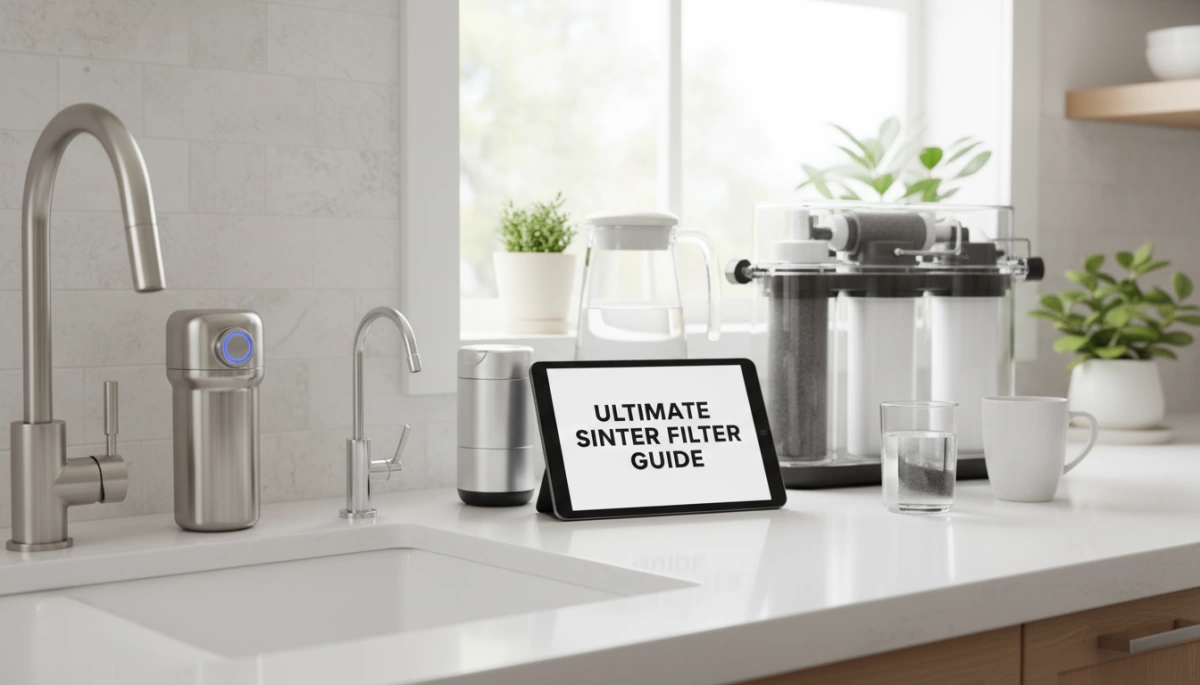
1. Test Your Tap Water First
Before buying any sink water purifier, figure out what you’re actually dealing with.
- Check your local water report (city website or annual CCR report)
- Use a home test kit for hardness, chlorine, lead, etc.
- If you’re unsure about hardness, this guide on how to determine if your water is hard or soft is a good starting point
Knowing your water helps you decide if you need a chlorine removal filter, lead reduction sink filter, or a PFAS water filter.
2. Match Filter Type to Your Sink, Space, and Usage
Pick the type that actually fits your life:
| Situation / Need | Best Filter Type |
|---|---|
| Renters, no drilling, quick install | Faucet water filter / sink mounted unit |
| Small kitchen, hidden setup | Under sink water filter |
| Need portable or no plumbing changes | Countertop water filter for sink |
| High daily drinking + cooking use | Under counter water filter system |
Think about:
- Available under-sink space
- Ability to drill or modify plumbing
- Number of people using the kitchen tap filter system daily
3. Compare Key Specs (NSF, Filter Life, Flow Rate, Cost)
When you compare point of use filtration systems, lock in on these:
- NSF Certification
- Look for NSF/ANSI 42 (chlorine, taste, odor)
- NSF/ANSI 53 (lead, cysts, some chemicals)
- NSF/ANSI 58 for reverse osmosis under sink systems
- This article on how a water filter works is useful if you want a quick tech overview.
- Filter Life
- Typical: 3–12 months or a set number of gallons
- Longer life = fewer changes, but only if you actually hit the usage
- Flow Rate
- Measured in GPM (gallons per minute)
- Too low = slow filling pots and bottles
- Aim for a balance between filtration performance and speed
- Total Cost
- Upfront system price + annual filter cartridge replacement
- Compare cost per gallon to see what you’re really paying
4. Plan a Realistic Filter Budget
Don’t just buy the cheapest tap water purifier. Plan for the long game.
- Count how many people are using the drinking water filter system
- Estimate daily filtered water: drinking, coffee, tea, cooking
- Check cartridge price and replacement frequency
- Watch for:
- Systems with low-cost cartridges
- Bundled multi-pack filters
- Easy DIY replacement to avoid plumber fees
If you’re in a U.S. household that cooks often and uses a kitchen sink filtration system for all drinking water, a slightly higher upfront price with cheaper, long-life cartridges usually wins over time.
Kitchen Sink Water Filtration
When I filter water for the kitchen sink, I’m thinking about one thing: every sip and every recipe starts at that tap. A good kitchen sink filtration setup turns your main faucet into a clean water station for the whole family.
Filtered water for drinking, coffee, tea, and ice
Filtered water at the sink makes a big difference in everyday drinks:
- Drinking water: A quality under sink water filter or faucet water filter cuts chlorine taste, odd smells, and many common tap contaminants so you actually want to drink more water.
- Coffee and tea: Clean, low-chlorine water gives you better flavor and less bitterness. If you’re into specialty coffee or tea, a stable filtered supply is a game changer.
- Ice: If your fridge takes water from the kitchen line, a point of use filtration system under the sink can feed it cleaner water, so your ice looks clearer and doesn’t taste like tap.
If you’re using reverse osmosis under the sink, pairing it with post-filtration to add minerals back into the water can really improve taste and mouthfeel (see this guide on how to add minerals to filtered water).
Cleaner water for cooking and washing produce
When I filter water for the sink, I want cooking water to be as clean as my drinking water:
- Cooking and boiling: Pasta, soups, rice, and baby food all absorb what’s in your tap. A kitchen tap filter system helps cut chlorine, sediment, and some heavy metals before they hit your pot.
- Washing fruits and veggies: Rinsing produce with filtered water means you’re not adding extra chlorine, rust, or sediment right back onto your food.
- Baking and broths: Clean, consistent water quality makes recipes more repeatable and often improves flavor.
Setting up a dedicated drinking water faucet at the sink
For most U.S. homes, the best balance of performance and convenience is a dedicated drinking water faucet fed by an under counter water filter system:
- Install a compact under sink water filter or reverse osmosis under sink unit. Many models are slim enough for apartments and small kitchens; for higher demand, something like a high-capacity under sink RO system can handle big families.
- Add a small separate drinking faucet on the sink deck. Your main faucet keeps its full flow for washing dishes, while the mini faucet is for filtered drinking and cooking water.
- Run your fridge/ice maker line from the filtered outlet if you want better ice and chilled drinking water without buying a separate fridge filter.
This setup gives you premium drinking water right at the kitchen sink, keeps filter cartridges working longer by focusing on what you actually consume, and fits easily into most U.S. kitchen layouts.
Bathroom Sink Water Filtration
Filtering water at the bathroom sink is one of the easiest upgrades you can make if you care about your skin, teeth, and daily comfort. A compact bathroom sink water purifier or faucet water filter gives you cleaner, gentler water right where you actually use it every day.
Gentler Water for Face Washing and Brushing Teeth
When you filter water for the sink, you cut down on the harsh stuff that can irritate your face and mouth. For most bathrooms, a small tap water purifier or inline sink water filter is more than enough to:
- Make water feel softer and less drying on your face
- Reduce that “pool water” taste when you rinse your mouth
- Help sensitive or acne-prone skin by lowering irritants
- Give you better-tasting water for brushing teeth and quick sips
A simple carbon block sink filter can do a lot of this without taking up much space or changing your routine.
Reducing Chlorine and Irritants for Skin and Hair
Typical city tap water in the U.S. is disinfected with chlorine. It’s safe to drink, but it’s rough on skin and hair. A chlorine removal filter at the bathroom sink helps:
- Cut down redness and tight, itchy skin after washing
- Reduce dryness and irritation around the eyes and lips
- Keep colored or treated hair from drying out when you rinse at the sink
- Make shaving more comfortable by lowering chemical irritation
If you’re already filtering your kitchen sink but still dealing with dry or reactive skin, adding a sink water purifier in the bathroom usually makes a noticeable difference.
When a Bathroom Sink Water Purifier Makes Sense
A bathroom sink water filter is worth it if:
- You have sensitive skin, eczema, or frequent irritation
- You notice strong chlorine smell from your bathroom tap
- Kids use the bathroom sink for drinking and brushing often
- You rent an apartment and can’t install a whole-house system
- You want a simple point of use filtration option without major plumbing work
For lighter bathroom use, a compact faucet water filter like an ultrafiltration faucet system (for example, an ultrafiltration faucet water filter designed for sink use) gives you cleaner water at the tap with quick DIY installation and easy filter cartridge replacement.
Installation and Maintenance Tips for Sink Water Filters
Installing and maintaining a faucet water filter, under sink water filter, or countertop system is usually straightforward if you follow the basics and don’t rush. Here’s how I look at it so you get clean water without headaches.
DIY Install Basics (Faucet, Under Sink, Countertop)
Faucet-mounted sink filters
- Make sure the filter fits your faucet type (standard aerator vs pull-down sprayer).
- Wrap threads with plumber’s tape if needed to prevent leaks.
- Hand-tighten first, then snug gently with a wrench—don’t overtighten.
- Run water for a few minutes to flush carbon dust before drinking.
Under sink water filters
- Shut off cold-water supply and open the faucet to relieve pressure.
- Use the included tee valve or adapter to tap into the cold line.
- Mount the under counter water filter system vertically with easy access to cartridges.
- Double-check all compression fittings and push-fit connections.
- Slowly turn water back on and check for leaks over the next 10–15 minutes.
If you want a deeper breakdown of under sink setup and options, I recommend this practical guide to choosing under sink water filters.
Countertop and inline sink water filters
- Place the unit on a stable, level spot near the kitchen sink.
- Connect the diverter valve to the faucet and switch between tap and filtered mode as needed.
- For inline sink water filters feeding a dedicated faucet, treat the install like a compact under sink system—secure mounting, clean cuts on tubing, and tight fittings are key.
When to Call a Plumber Instead
Do not DIY if:
- You have old, corroded, or galvanized pipes that may break when turned.
- You’re unsure how to shut off water to the sink.
- You see active leaks at shutoff valves, or valves won’t fully close.
- You’re installing a more complex reverse osmosis under sink system with drain connections and you’re not comfortable drilling a sink or countertop.
Paying a plumber once is cheaper than fixing water damage or a flooded cabinet.
Replacing Filter Cartridges on Time
A drinking water filter system is only as safe as its filter cartridge replacement schedule.
- Follow the shorter of:
- Time (e.g., every 6–12 months), or
- Gallons (e.g., 300–800 gallons), as listed on the product.
- Set a calendar reminder or use a label under the sink with “Installed on / Replace after.”
- Watch filter indicators:
- Green / blue: good
- Yellow: nearing replacement
- Red / blinking: change now
- If water suddenly tastes off, smells strange, or flow drops and the filter is near end of life, replace the cartridge even if the indicator hasn’t triggered yet.
Fixing Low Flow, Leaks, and Weird Tastes
After you install a sink water purifier, a quick check can prevent ongoing issues:
Low flow from kitchen tap filter system
- Make sure the shutoff valve is fully open.
- Check for kinked tubing under the sink.
- Replace clogged pre-filters or carbon block sink filter cartridges.
- If you’re on well water or have high sediment, add a simple sediment pre-filter.
Leaks at fittings or housing
- Turn off the water immediately and depressurize by opening the faucet.
- Reseat O-rings and ensure they’re not twisted or damaged.
- Re-cut plastic tubing square and push fully into quick-connect fittings.
- Retighten fittings but avoid overtightening plastic parts.
Weird tastes or odors after install
- Flush the filter as the manufacturer recommends (often 2–5 minutes, sometimes more for carbon).
- If the water still tastes “chemical” or dusty after flushing, recheck installation and cartridge placement.
- For chlorine removal filters, remember that heavy chlorine levels may need a higher-capacity NSF certified water filter or multi-stage system.
Staying on top of simple installation details and maintenance keeps your faucet water filter, under sink water filter, or countertop water filter for sink performing the way it was designed—clean, reliable, and hassle-free.
Sink Water Filter Options from driplife
At driplife, I focus on practical, high‑performance ways to filter water for sink use, built for daily life in U.S. homes and for brands that need reliable OEM supply.
Under Sink Filter Solutions from a Dedicated Manufacturer
I specialize in under sink water filter systems that are compact, high‑flow, and easy to service:
- Slim bodies that fit tight U.S. kitchen cabinets
- Quick‑change cartridges for fast maintenance
- Options for reverse osmosis under sink systems and standard carbon filtration
For higher‑end needs, I offer a high‑capacity under sink reverse osmosis filtration system that’s designed for strong performance and export markets. You can see a typical configuration in this under-sink 800–2000 GPD RO system.
NSF-Focused, Export-Ready Designs
Every sink water purifier I build is designed with U.S. standards in mind:
- NSF-focused design for materials, performance, and safety
- Compatible with common U.S. plumbing sizes and layouts
- Clear English manuals and labeling for retail or online sales
These systems work as point of use filtration for kitchen and bathroom sinks, ideal as a drinking water filter system for apartments, houses, and small offices.
Custom Sizing, Packaging, and OEM Support
For brands and distributors, I offer full OEM/private label support for kitchen tap filter systems and under counter water filter systems:
| OEM Option | What I Offer |
|---|---|
| System size & flow rate | Custom bodies, hose lengths, and flow to match your market |
| Filter media & performance | Carbon block, lead reduction, PFAS-focused, RO options |
| Packaging & branding | Retail boxes, inserts, and private label printing |
| Certification support | Help aligning with NSF targets and local regulations |
Whether you need a faucet water filter, an inline sink water filter, or a full best under sink purifier lineup, I can adapt designs, packaging, and performance to fit different U.S. regions and global markets.