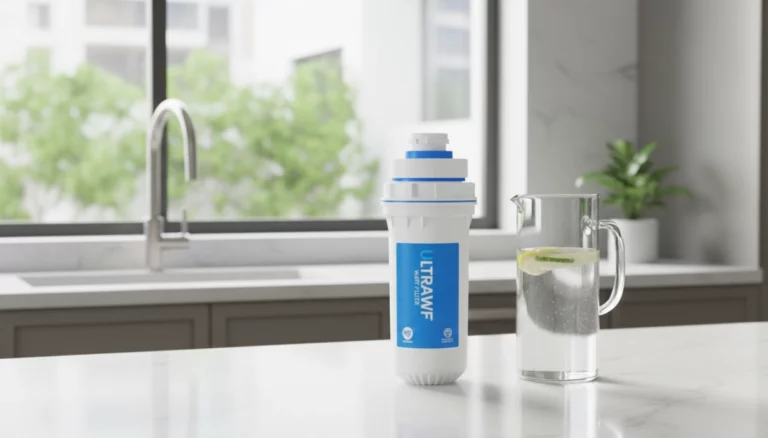
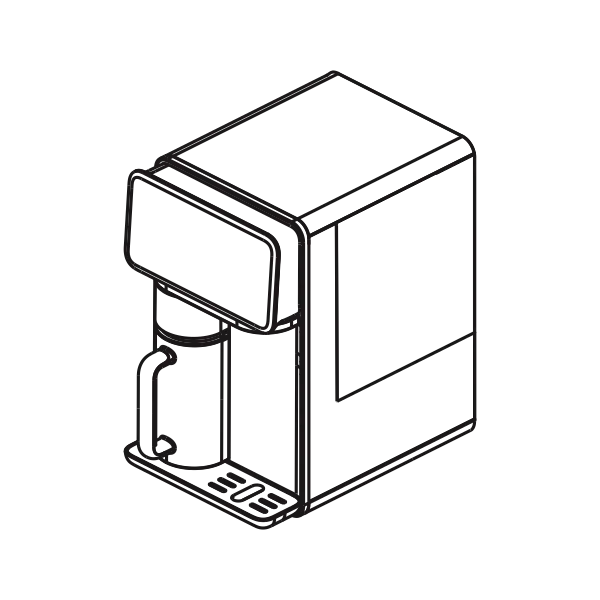

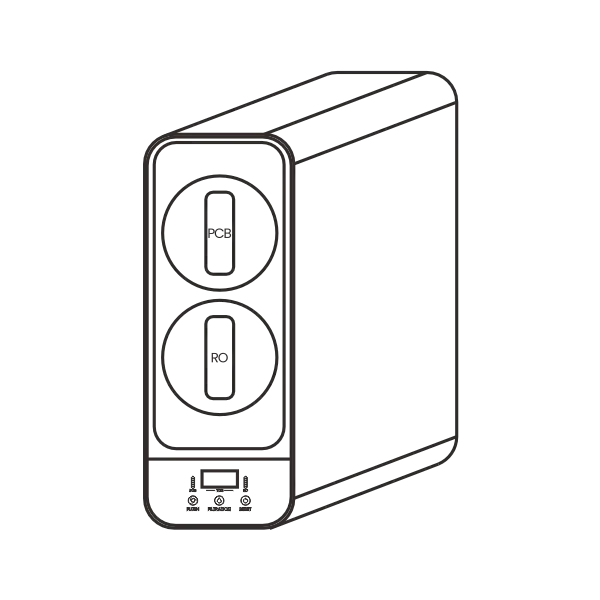












Looking for the best under counter water filter to ensure clean, safe drinking water in your home? Choosing the right water filtration system can transform your tap water, removing harmful contaminants like PFAS, lead, and chlorine while delivering crisp, great-tasting results. As water quality experts at Driplife, we’ve tested countless systems to bring you real insights based on performance, ease of use, and sustainability. In this guide, you’ll discover top under sink water purifiers, key features to prioritize, and how to pick the perfect NSF-certified water filter for your needs. Let’s dive in and find your ideal kitchen water filtration solution!
What Are Under Counter Water Filters Definition and Functionality
Under counter water filters are filtration systems installed beneath your kitchen sink to provide clean, purified water directly from your tap. These systems use different technologies like carbon filters, reverse osmosis (RO), or multi-stage filtration to remove contaminants including lead, PFAS, chlorine, and other harmful substances from your water supply.
Here’s how they work:
- Carbon filters trap chemicals and improve taste and odor by absorbing impurities.
- Reverse osmosis pushes water through a semi-permeable membrane, removing up to 99% of contaminants.
- Multi-stage filtration combines several filter types to target a wide range of pollutants for thorough purification.
Compared to pitchers or faucet-mounted filters, under counter water filters provide higher filtration capacity without the hassle of refilling or replacing pitchers often. They deliver filtered water on demand directly to a dedicated faucet or existing tap.
When stacked against whole-house systems, these under sink water purifiers focus on drinking and cooking water purification rather than treating every drop used in showers or laundry. This makes under counter filters a convenient, space-saving, and efficient choice for clean water at the point of use.
What Are Under Counter Water Filters Key Benefits
Under counter water filters remove up to 99% of harmful contaminants like lead, PFAS, chlorine, and more. This means you get clean, safe drinking water straight from your tap without worrying about harmful chemicals or bad taste. Unlike pitchers or faucet-mounted filters, these systems offer convenient, direct access to filtered water—no refilling or waiting required.
These filters also last a long time, with lifespans ranging from 6 months to 5 years depending on the model and your water use. That means fewer filter changes and less hassle, saving you time and money. Plus, long-lasting filters reduce waste, making these systems a smarter, eco-friendly choice for your kitchen.
What Are Under Counter Water Filters Ideal Use Cases
Under counter water filters are great for homes where clean, safe drinking water is a priority. If you have health-conscious family members, these systems offer reliable removal of harmful contaminants like lead, PFAS, and chlorine, giving you peace of mind.
They’re perfect for urban apartments too, especially when space is tight and you need a compact under sink water purifier that delivers direct tap water without the hassle of refilling pitchers.
If you rely on well water, under counter filters are a smart choice. Many well water sources contain sediments, bacteria, or other impurities that these filters can effectively reduce. With options that include reverse osmosis or carbon block filters, you can be sure your water tastes better and is safer to drink.
In , under counter water filters fit well in:
- Families focused on health and water quality
- City dwellers with limited kitchen space
- People using well water looking for thorough filtration
They’re a practical, space-saving solution that keeps your tap water clean and ready whenever you need it.
Key Features to Look for in an Under Counter Water Filter Filtration Technology
When choosing an under counter water filter, the filtration method is one of the most important factors. Common options include:
- Carbon Filters: Great at removing chlorine, bad tastes, odors, and some chemicals like lead and PFAS. They’re reliable for general tap water purification.
- Reverse Osmosis (RO): Uses a fine membrane to remove a wide range of contaminants including heavy metals, fluoride, and dissolved solids. RO systems often come with multiple stages for thorough cleaning.
- Ultrafiltration: Uses a membrane with slightly larger pores than RO, filtering out bacteria and some viruses while preserving beneficial minerals.
- Multi-Stage Systems: Combine several filter types like carbon, sediment, and RO or ultrafiltration for comprehensive water cleaning.
Driplife’s proprietary filtration technology blends these approaches to ensure you get clean, great-tasting water without sacrificing flow rate or space. Their systems are designed to match the needs of American homes, targeting common contaminants found in US tap water while offering hassle-free maintenance.
Key Features to Look for in an Under Counter Water Filter
Certifications
When choosing an under counter water filter, certifications matter a lot. Look for NSF and ANSI certifications like 42, 53, 58, or 372. These labels show the filter has been tested and proven to do what it claims.
- NSF ANSI 42 means the filter reduces chlorine, taste, and odor
- NSF ANSI 53 covers removal of health-related contaminants like lead and PFAS
- NSF ANSI 58 is for reverse osmosis systems, ensuring effective contaminant reduction
- NSF ANSI 372 confirms the filter is lead-free and safe for drinking water
Certified filters give peace of mind that your investment is protecting you from harmful substances. For anyone serious about safe drinking water, these certifications are a must when shopping for a tap water filtration system.
Key Features to Look for in an Under Counter Water Filter
Filter Lifespan and Maintenance
When choosing an under counter water filter, knowing the filter lifespan and how easy it is to maintain matters a lot. Most filters last between 6 months to 5 years, depending on the type and usage. Filters that need frequent changes can add up in cost and hassle over time.
With Driplife, the cartridges are designed for easy replacement—no fuss or special tools needed. Plus, their systems include filter-life indicators that alert you when it’s time to swap out the filter. This helps keep your water clean without guesswork or interrupted flow.
Replacement costs vary, but Driplife’s long-lasting filters offer great value, reducing the frequency and expense of maintenance compared to some other brands. This makes it a smart choice for anyone wanting hassle-free, reliable water filtration right under the sink.
Key Features to Look for in an Under Counter Water Filter
Flow Rate and Capacity
When choosing an under counter water filter, flow rate and capacity are big factors to consider. You want a system that delivers enough water quickly without interruptions, especially during busy times like cooking or filling bottles.
- Flow rate is usually measured in gallons per minute (GPM). A good under sink water purifier should offer at least 0.5 to 1 GPM. This means you get steady water flow that’s fast enough for everyday use.
- Capacity refers to how much water the filter can clean before needing a cartridge change. Higher capacity means fewer replacements and better value. Some systems can handle thousands of gallons before a change is necessary.
- Be careful—systems with very low flow rates can frustrate users, while those with very high rates may reduce filtration efficiency.
Driplife filters strike a good balance by providing steady water flow without compromising on filtration quality. This means you get clean, safe water right at the tap without waiting. It’s especially important for families who use a lot of water daily or in homes where under sink space is limited, and you need efficient, hassle-free access.
For more on easy water access solutions, check out our guide on water purifier for sink faucet.
Key Features to Look for in an Under Counter Water Filter Installation Requirements
When choosing an under counter water filter, installation is a big factor. Some systems are DIY-friendly, meaning you can set them up yourself with basic tools. These often come with clear instructions and sometimes include quick-connect fittings to make the job easier.
However, other filters might need professional installation, especially if they require drilling a hole for a dedicated faucet or connecting to your main water line in a more complex way. Here’s what to consider:
- DIY-friendly systems
- Usually have simple plumbing connections
- Include step-by-step guides and all necessary parts
- Ideal if you want to avoid extra costs
- Professional installation
- Recommended for reverse osmosis (RO) systems or tank models
- Needed if you want a separate faucet installed on your sink
- Ensures proper setup to avoid leaks or pressure problems
Also, check if the filter works with your existing faucet or if it requires a dedicated tap. Some under sink water purifiers come with their own faucet, which might need extra drilling but keeps your main tap free.
Balancing ease of installation with your comfort level and kitchen setup will help you find the best under counter water filter for your home.
Key Features to Look for in an Under Counter Water Filter Space and Design
When picking an under counter water filter, space and design matter a lot, especially for homes with small under-sink areas. You want a system that fits neatly without crowding your cabinet or blocking other plumbing.
Look for these features:
- Compact footprint: Slim, vertical filters or tankless designs save space and make installation easier in tight spots.
- Flexible installation options: Systems that can be installed on the side or back of your cabinet give you more room to work with.
- Neat tubing and connections: Well-organized and short tubing means less clutter and better access to other plumbing components.
- Discrete appearance: Some models are designed to blend in or stay hidden, keeping your kitchen looking clean and tidy.
Driplife, for example, offers compact under sink water purifiers that fit well in smaller spaces without sacrificing filter capacity or flow rate. When space is tight, choosing the right size means you get quality, clean water without hassle or a crowded sink area.
Top Under Counter Water Filters from Driplife
Driplife PureFlow 3-Stage System
The Driplife PureFlow 3-Stage System is a standout under counter water filter designed for reliable, high-quality tap water filtration. It removes up to 99% of more than 90 contaminants, including lead, PFAS, chlorine, and other common pollutants. This NSF ANSI certified system gives you peace of mind knowing your water meets strict safety standards.
What sets PureFlow apart is its long 2-year filter life, meaning fewer replacements and less hassle. It uses a multi-stage filtration process combining carbon block technology and other advanced filtration methods, providing clean tasting water right from your kitchen sink. Ideal for health-conscious families and urban apartments looking for convenient, direct tap water access without constant refills.
If you want to dive deeper into effective water filtration and benefits, check out our comprehensive guide to choosing under sink water filters for more details on what fits your needs best.
Top Under Counter Water Filters from Driplife

Driplife Compact RO System Tankless RO Space-Saving Remineralization for Taste
The Driplife Compact RO System is perfect if you want powerful filtration without taking up too much space under your sink. Unlike traditional reverse osmosis systems with bulky tanks, this model is tankless, meaning it saves valuable under-counter room—ideal for smaller kitchens or apartments.
This system uses advanced reverse osmosis technology to remove up to 99% of contaminants including lead, PFAS, chlorine, and more. Plus, it includes a built-in remineralization stage that adds essential minerals back into your water. This step improves the taste and balances pH, so your water isn’t just pure—it’s fresh and naturally tasty too.
Other benefits include:
- Compact design fits easily under most sinks without clutter
- No tank means less maintenance and faster water flow, providing filtered water on demand
- NSF-certified filtration ensuring reliable contaminant removal
- Easy integration with your existing faucet setup or dedicated tap
If you’re looking for a space-saving, efficient under counter water filter that doesn’t compromise on quality or taste, the Driplife Compact RO System is a strong choice.
For a broader look at some of the best options available, check out our top under sink water filtration systems of 2024.
Top Under Counter Water Filters from Driplife EcoSingle Filter
The Driplife EcoSingle Filter is a great choice if you want a simple, budget-friendly under counter water filter. It uses a single-stage carbon block filter that effectively removes common contaminants like chlorine, bad tastes, and odors from your tap water. This makes it perfect for anyone looking to improve their water quality without spending a lot or dealing with complicated setups.
Why choose the EcoSingle Filter?
- Easy DIY Installation: No special tools or plumbing skills needed. It fits neatly under most sinks and connects directly to your cold water line.
- Compact Design: Ideal for small under-sink spaces in apartments or homes where space is tight.
- Affordable: Low upfront cost and economical filter replacements keep long-term expenses down.
- Reliable Filtration: While it’s a single-stage system, it offers solid contaminant reduction for everyday drinking water needs.
If you want a straightforward, eco-friendly water purifier that delivers clean, better-tasting water without fuss, the EcoSingle is a solid pick. For more advanced filtration options or multi-stage systems, check out Driplife’s PureFlow and Compact RO systems.
Explore more about how cartridge filters work and the benefits you get from simple setups in our bathroom sink filters guide.
How to Choose the Right Under Counter Water Filter
Assess Your Water Quality
Before picking an under counter water filter, it’s important to know what’s actually in your tap water. Water quality varies a lot across the U.S., so testing your local water helps you understand which contaminants you need to remove. You can get a simple water test kit or check your annual water quality report from your city or utility provider.
Look for common contaminants like lead, chlorine, PFAS, pesticides, or hard minerals. If you use well water, testing for bacteria and heavy metals is crucial. Knowing what’s in your water makes choosing the right filtration technology easier—whether it’s carbon filters for chlorine and taste, reverse osmosis for heavy metals and PFAS, or multi-stage systems for broader protection.
Driplife offers customizable filter options based on your water profile, so you get exactly the treatment your household needs. Tailoring your under sink water purifier means you’re not paying for unnecessary features but focusing on what keeps your water safe and fresh.
For more insight on filtration tech, check out how does a water purifier work.
How to Choose the Right Under Counter Water Filter Consider Household Needs Number of Users Daily Water Usage Budget Constraints
When picking an under counter water filter, think about who’s drinking it and how much you’ll use every day. Here’s what to keep in mind:
Number of users
- More people mean higher water demand. Choose a system with a higher flow rate and bigger capacity if you have a large family.
- For singles or couples, compact systems with moderate output often work well and save space.
Daily water usage
- Consider how often you use filtered water — for drinking, cooking, or even pets.
- If you’re a heavy user, look for filters with longer filter life and faster flow rates to avoid running out or waiting.
Budget constraints
- Balance upfront costs with ongoing expenses like filter replacements.
- Higher-end systems often cost more initially but save money over time with longer-lasting filters.
- Budget-friendly options can be great for smaller households but might require more frequent maintenance.
By matching your household size, daily habits, and budget, you’ll find an under sink water purifier that keeps your water fresh and your wallet happy.
How to Choose the Right Under Counter Water Filter Installation and Space Constraints
When picking an under counter water filter, the space you have under your sink is a big deal. These filters need room for the filter cartridges and sometimes a storage tank, especially if you’re looking at reverse osmosis (RO) systems. Before buying, measure your under-sink area carefully to make sure the system fits without crowding or blocking plumbing.
Also, check your existing faucet setup. Some filters require a dedicated tap for filtered water, meaning you might need to drill a hole or replace your faucet. Others connect directly to your cold water line and use your current faucet, making installation simpler.
If you have limited space or don’t want changes to your kitchen hardware, consider compact or tankless models like Driplife’s Compact RO System. These save space without sacrificing water quality.
Knowing your under-sink layout and faucet compatibility saves you from installation headaches and ensures your water filter works smoothly from day one. For a detailed guide on installation, check out Driplife’s step-by-step instructions that make DIY setup easy.
How to Choose the Right Under Counter Water Filter Compare Costs Upfront cost vs long-term maintenance
When picking an under counter water filter, it’s smart to look beyond the sticker price. Here’s what to consider between upfront costs and ongoing expenses:
Upfront Cost
This includes the price of the system itself plus any installation fees. Some filters come with DIY-friendly setups that save you money on professional installation. Higher-end systems with advanced filtration like reverse osmosis usually cost more upfront but offer better water quality.
Filter Replacement Costs
Filters need replacing regularly—anywhere from 6 months to several years depending on the system. Check prices for replacement cartridges and how often you’ll need them. Some brands, like Driplife, offer affordable, easy-to-replace filters that keep yearly costs manageable.
Maintenance and Parts
Beyond filter changes, think about any extra maintenance or parts you might need. Systems with simple designs tend to be cheaper to maintain.
Water Usage and Capacity
A system with a high flow rate might be more expensive upfront but can save you hassle for larger households by providing enough filtered water without slowing down.
Balancing these points helps you find a system that fits your budget without surprises down the road. To learn more about matching water filters to your needs, check out Choosing the Right Pur Water Filter Faucet Adapter.
How to Choose the Right Under Counter Water Filter Eco-Friendly and Health Benefits
When picking an under counter water filter, think about how it impacts both your health and the environment. Using an eco-friendly water purifier helps reduce plastic waste by cutting down on bottled water use. Plus, safe tap water means fewer contaminants like lead and PFAS, which can pose health risks.
Here’s what to look for:
- Less Plastic Waste: Choose systems with long-lasting filters that don’t need frequent replacement. This lowers plastic cartridge waste.
- Certified Filtration: NSF-certified filters guarantee effective removal of harmful contaminants, keeping your drinking water safe.
- Sustainable Materials: Some brands use eco-friendly parts and packaging to reduce their environmental footprint.
- Better Taste and Safety: Clean water encourages healthier habits by making it easier to drink plenty of water every day without worrying about pollutants.
By opting for a quality under sink water purifier, you’re not just protecting your family’s health but also helping reduce single-use plastic waste at home.
Installation and Maintenance Tips
Step-by-Step Installation Guide
Installing an under counter water filter might sound tricky, but with the right tools and a bit of patience, you can do it yourself. Here’s what you need and how to get started:
Tools Needed
Adjustable wrench
Drill with appropriate bits (if you need to install a dedicated faucet)
Screwdriver
Teflon tape
Bucket or towel to catch drips
Basic Installation Steps
Turn off the cold water supply under your sink before starting.
Disconnect the cold water line from the existing faucet.
Connect the filter’s inlet tube to the cold water line using the included fittings.
Attach the outlet tube from the filter to the faucet or dedicated filtered water tap.
If your system requires a dedicated faucet, carefully drill a hole in the sink or countertop following the instructions.
Secure the faucet and connect it to the filter’s outlet.
Turn the water supply back on and check for any leaks.
Flush the system as directed to clear out any carbon dust or manufacturing residues.
Driplife Plug-and-Play Systems
Driplife makes installation easy with their plug-and-play designs. These systems come ready to connect with quick-fit tubing and require no tools for filter changes. Many models also include clear instructions and videos on their website, so you can feel confident setting it up yourself without professional help.
By following these steps carefully, you’ll have your under sink water purifier up and running in no time, giving you fresh, filtered water straight from your tap.
Installation and Maintenance Tips
Maintenance Best Practices
Keeping your under counter water filter working well means knowing when and how to change the filters. Driplife makes this simple with built-in filter-life indicators that alert you when it’s time for a replacement. This helps avoid any drop in water quality or flow.
Here’s how to stay on top of filter maintenance with Driplife:
- Watch the indicator light: It shows you exactly when to swap the cartridge, so you don’t have to guess.
- Follow the recommended lifespan: Depending on your model, filters usually last between 6 months to 2 years.
- Use the subscription service: Driplife offers hassle-free filter deliveries on your schedule, so you never run out.
- Replace filters properly: Changing cartridges is quick and DIY-friendly — typically a few simple steps under the sink.
- Flush new filters: After replacing, run water for a few minutes to clear any loose particles and get fresh tasting water.
Regular filter changes not only keep your tap water clean but also protect the system for long-term use. With Driplife, maintenance is designed to be easy and worry-free.
Installation and Maintenance Tips Troubleshooting Common Issues
Even the best under counter water filter can run into hiccups. Here’s how to tackle common problems like leaks, low flow, or changes in taste.
Leaks
- Check all connections under the sink; tighten any loose fittings.
- Inspect O-rings and seals for damage—they might need replacing.
- Make sure the filter housing is properly seated and sealed after replacements.
Low Flow Rate
- A clogged or expired filter often causes slow water flow—try replacing it.
- Check if your water pressure is normal; low home water pressure affects flow.
- Make sure the filter is installed correctly and no valves are partially closed.
Taste or Odor Issues
- A new filter can sometimes cause odd tastes—flush it by running water for a few minutes.
- If the taste persists, replace the filter cartridge.
- Check if the water source has changed or if there’s any plumbing contamination.
By following these simple steps, you can keep your under sink water purifier working smoothly and enjoy fresh, clean water without interruption. If issues continue, Driplife’s support team is just a call away to help.
Why Choose Driplife Superior Technology
Driplife stands out with its advanced multi-stage filtration systems designed to tackle a wide range of contaminants like lead, PFAS, chlorine, and more. Their filters combine carbon block technology, reverse osmosis, and proprietary processes to deliver clean, safe water straight from your tap. What really makes Driplife special is their focus on eco-conscious design — using durable, long-lasting filters that cut down on plastic waste and offer high performance without sacrificing convenience. If you want a reliable under counter water filter that balances powerful water purification with sustainability, Driplife’s technology fits the bill perfectly.
Why Choose Driplife Customer Support and Warranty
When you choose Driplife under counter water filters, you’re not just getting a reliable water purifier—you’re also backed by strong customer support based right here in the US. Whether you have questions about installation, maintenance, or product features, their team is easy to reach and ready to help.
Driplife stands behind their products with a 90-day money-back guarantee, so you can try the system risk-free. Plus, they offer extended warranties on select models, giving you peace of mind for years to come. This kind of support ensures you’re never left in the dark about your tap water filtration system.
Why Choose Driplife Sustainability Commitment
At Driplife, we take sustainability seriously. Our under counter water filters help reduce reliance on single-use plastics by providing a reliable alternative to bottled water. Every filter is designed with eco-friendly materials that are safe for your family and gentle on the planet.
We also offer free shipping across the US, cutting down on unnecessary packaging and transportation emissions. By choosing Driplife, you’re supporting a cleaner environment while enjoying fresh, safe tap water every day.
Switching to a Driplife tap water filtration system means fewer plastic bottles in landfills and a smaller carbon footprint for your home. It’s a simple step toward healthier living and a healthier planet.
Frequently Asked Questions
What contaminants do Driplife under counter filters remove
Driplife under counter water filters are designed to tackle a wide range of common and harmful contaminants found in tap water across the U.S. These include:
- Lead – removes up to 99% of lead, which is a major health concern in older plumbing systems
- PFAS (Forever Chemicals) – filters out many PFAS compounds to reduce exposure to these persistent pollutants
- Chlorine and Chloramine – improves taste and odor by reducing these disinfectants commonly used in city water
- Sediment and Rust – blocks dirt, sand, and rust particles that affect water clarity and taste
- Volatile Organic Compounds (VOCs) – filters potentially harmful chemicals from industrial pollution and household products
- Bacteria and Cysts – some Driplife systems with multi-stage or RO technology reduce harmful microorganisms
- Heavy Metals – reduces contaminants like mercury, arsenic, and cadmium for safer drinking water
By combining carbon block filters, reverse osmosis, or other advanced filtration methods, Driplife systems provide thorough protection. This means cleaner, better-tasting water straight from your tap – no need for pitchers or bottled water.
If you’re concerned about specific contaminants in your area, it’s a good idea to test your water first. Driplife offers filtration options that can be customized to your local water quality needs, ensuring you get the right filter for your home.
How Often Should I Replace My Filter
Replacing your under counter water filter regularly is key to keeping your water clean and tasting fresh. Most filters last between 6 months and 2 years, depending on the type and your daily water usage. For example:
- Carbon block filters often last around 6 to 12 months.
- Reverse osmosis (RO) filters can last up to 2 years but may have multiple stages needing replacement at different times.
Driplife filters come with filter-life indicators that let you know exactly when it’s time to swap the cartridge, so you don’t have to guess. Plus, using their subscription service makes it easy to get replacements right when you need them.
Ignoring filter changes can reduce contaminant removal effectiveness and cause unpleasant taste or odors. So keeping up with replacements ensures your system continues to remove lead, PFAS, and other harmful particles effectively.
Frequently Asked Questions
Can I install a Driplife filter myself
Yes, you can install a Driplife under counter water filter yourself. Most Driplife systems are designed with DIY-friendly installation in mind, so you won’t need to call a plumber. Here’s why it’s simple:
- Clear instructions included: Step-by-step guides come with every unit, showing how to connect to your cold water line and install a dedicated faucet if needed.
- Plug-and-play design: Driplife filters use quick-connect fittings and don’t require special tools or complicated plumbing skills.
- No drilling in some models: Certain systems use existing faucets or include adapters, cutting down installation time.
That said, if you’re not comfortable working under your sink or dealing with plumbing, it’s always okay to hire a professional. But most homeowners in the US find installing a Driplife filter straightforward and hassle-free — saving on installation costs while getting clean water fast.
Frequently Asked Questions Do Driplife Systems Work with Well Water
Yes, Driplife under counter water filters work well with well water. Many well water users face issues like sediment, bacteria, and unpleasant taste – Driplife filters are designed to handle these common well water concerns. Our multi-stage filtration, including carbon block and optional reverse osmosis, helps remove contaminants such as chlorine, sediment, heavy metals, and even some bacteria.
However, because well water quality can vary widely, it’s a good idea to test your water first. This helps you choose the right Driplife system and any extra pre-filters you might need. Plus, if your well water has specific issues like high iron or hardness, you may want to consider additional treatment alongside your Driplife under sink water purifier.
In short, Driplife systems offer a reliable, convenient solution for improving well water quality, delivering cleaner, safer water directly from your tap.
Frequently Asked Questions How do under counter filters compare to pitchers or whole-house systems
Under counter water filters offer a middle ground between pitchers and whole-house systems. Compared to pitchers or faucet-mounted filters, under counter filters provide faster, direct tap access to purified water without the hassle of refilling. They also usually have better filtration technology, removing more contaminants like lead, PFAS, and chlorine.
On the other hand, whole-house systems treat all the water entering your home, protecting pipes and appliances, but they don’t always provide the same high-level purification for drinking water. Plus, they’re more expensive and require professional installation.
In short, under sink water purifiers are ideal if you want high-quality, convenient drinking water at one tap, without the bulk or cost of whole-house setups. They’re also a step up from pitchers in terms of filter lifespan and contaminant removal, making them popular for health-conscious families in urban homes or apartments.