
















This article delves into the various under sink water filtration systems, providing a comprehensive overview of different filtration technologies such as reverse osmosis, carbon block, and ceramic filters. By understanding the benefits and drawbacks of each type, you can make informed decisions on the best system for their needs.
Additionally, the article highlights the top-rated under sink water filtration systems of 2024, offering detailed reviews and installation tips. It also discusses the health benefits, environmental impact, and cost savings associated with using these systems, ensuring you gain valuable insights for improving their water quality.
Key Points
- Various filtration technologies explained
- Comparison of RO, carbon block, and ceramic filters
- Pros and cons of each filtration type
- Top-rated under sink systems of 2024
- Installation and maintenance tips
- Health benefits of filtered water
- Environmental impact compared to bottled water
- Cost savings of using filtration systems
- Common issues and troubleshooting
- FAQs about under sink water filtration systems
Sorts of Under Sink Water Filtration Systems
Review of Different Filtration Technologies
When it pertains to under sink water filtration systems, there are a number of modern technologies offered, each with its unique strategy to cleansing water. The most usual modern technologies consist of reverse osmosis (RO), carbon block filtering, and ceramic filtration. Recognizing the differences in between these modern technologies can aid you pick the finest system for your needs.
Contrast of Reverse Osmosis, Carbon Block, and Ceramic Filters
To supply a clear comparison, allow’s take a look at the core attributes of each filtering approach:
| Filtration Technology | Device | Contaminants Removed | Water Wastage | Maintenance |
|---|---|---|---|---|
| Reverse Osmosis | Uses a semipermeable membrane layer to eliminate pollutants | Heavy metals, fluoride, chlorine, nitrates | High | Modest to high |
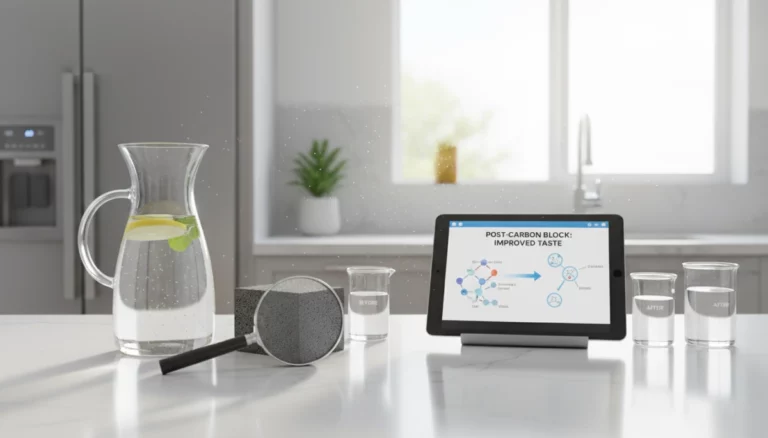
| Carbon Block | Adsorption using activated carbon | Chlorine, unpredictable natural compounds (VOCs), chemicals | Low | Reduced |
| Ceramic Filters | Physical filtering utilizing permeable ceramic material | Microorganisms, debris, microplastics | None | Reduced |
Benefits and Disadvantages of Each Type
Each filtration modern technology features its own collection of benefits and drawbacks. Right here’s a more comprehensive look:
Reverse Osmosis (RO)
Advantages:
- Highly reliable at eliminating a variety of impurities, consisting of heavy steels and chemicals.
- Improves preference and smell of water.
Downsides:
- Produces a substantial quantity of wastewater.
- Commonly calls for specialist setup and upkeep.
Carbon Block Filtration
Advantages:
- Excellent at eliminating chlorine and natural contaminants.
- Reduced maintenance and very easy to install.
- No water wastefulness.
Downsides:
- Not effective at getting rid of dissolved solids and heavy metals.
- Filter needs to be replaced regularly to preserve performance.
Ceramic Filtration
Benefits:
- Effective at eliminating germs and sediments.
- Long lasting and can be cleansed and recycled.
- No water wastage.
Downsides:
- Not efficient versus chemical pollutants.
- May call for regular cleaning to stop obstructing.
Top-Rated Under Sink Water Filtration Systems
Finest Models in 2024 Based on Expert Reviews
In 2024, a number of under sink water filtering systems have actually attracted attention based upon specialist reviews for their efficiency, convenience of installment, and filtration capacities. These include systems utilizing various technologies like reverse osmosis, carbon block, and multi-stage filtering. Below are several of the top-rated models:
Detailed Description of Top Systems
Waterdrop G3P800
The Waterdrop G3P800 is extremely related to for its comprehensive purification capacities. This system uses reverse osmosis technology, which efficiently removes as much as 99.99% of impurities including lead, chlorine, fluoride, and hefty steels. It features a tankless layout that saves area and provides a quick circulation price of 400 gallons per day (GPD). Furthermore, the incorporated TDS (Total Dissolved Solids) display assists customers make certain water top quality in real-time. The system is certified by NSF/ANSI requirements 58 and 372, guaranteeing it meets high water safety and security and performance standards.
Plainly Filtered Under Sink Filtration System
The Clearly Filtered Under Sink Filtration System is kept in mind for its capability to get rid of over 230 impurities, including pharmaceuticals, VOCs (unpredictable organic substances), and heavy metals. Unlike typical RO systems, it minimizes water waste and retains advantageous minerals. This system is simple to install, needing no separate tap or boring, and fits neatly under the sink. It additionally boasts a long filter life, lasting up to 12 months or 2,000 gallons, making it a cost-effective choice for several families.
Aquasana 3-Stage Under Sink Water Filter System
The Aquasana 3-Stage Under Sink Water Filter System combines mechanical filtration with triggered carbon and ion exchange to efficiently get rid of as much as 99% of 77 contaminants, including lead, mercury, herbicides, chemicals, and a lot more. Its three-stage filtration process ensures that both the preference and security of the water are considerably improved. This system is likewise NSF-certified and developed for simple filter substitutes, normally every 6 months.
Client Reviews and Ratings
Waterdrop G3P800
Customers applaud the Waterdrop G3P800 for its convenience of installment and the recognizable enhancement in water taste and quality. Users value the tankless style for conserving space and the rapid water circulation rate. Some, however, point out the preliminary expense as a downside, but they usually agree that the advantages exceed the expense.
Plainly Filtered Under Sink Filtration System
Reviews highlight the Clearly Filtered system’s extraordinary contaminant elimination and uncomplicated installation procedure. Individuals value its compact style and lengthy filter life-span. Some customers directed out that while the system is extra costly upfront, the detailed filtering and durability make it worth the investment.
Aquasana 3-Stage Under Sink Water Filter System
The Aquasana system is favored for its reliable purification and practical cost. Consumers report significant enhancements in water taste and clarity. They additionally find the maintenance uncomplicated, with easy-to-change filters. A couple of individuals keep in mind that the system uses up a reasonable amount of area under the sink, which could be a consideration for those with limited area.
In conclusion, these top-rated under sink water filtration systems offer various advantages and attributes that satisfy different needs and preferences. They supply reliable solutions for guaranteeing clean and risk-free drinking water directly from your kitchen area tap.
Installation and Maintenance Tips
Detailed Guide to Installing an Under Sink Water Filter
Setting up an under sink water filtration system can be a straightforward process if you adhere to the ideal steps. Right here’s a basic guide to assist you:
| Step | Summary |
|---|---|
| 1. Pick the Right Location | Recognize a suitable place under the sink that is easily accessible for upkeep and has adequate space for the filtration system. |
| 2. Close Off the Water Supply | Shut off the cold water supply shutoff under the sink to stop water circulation throughout installment. |
| 3. Install the Filter Bracket | Mount the filter bracket on the wall of the closet under the sink, ensuring it is securely secured. |
| 4. Link the Water Lines | Connect the water inlet and electrical outlet pipes to the filtration system, ensuring all links are limited to stop leakages. |
| 5. Mount the Faucet | Pierce a hole in the sink or kitchen counter (otherwise pre-existing) and install the devoted filtered tap. |
| 6. Flush the System | Transform on the supply of water and flush the system according to the producer’s directions to remove any type of air and contaminants. |
Tips for Maintaining Your System to Ensure Longevity
Correct maintenance is essential for the effective procedure and long life of your under sink water filtration system. Here are some key ideas:
- Regular Filter Replacement: Change the filters as suggested by the producer, typically every 6-12 months, to preserve optimum filtration efficiency.
- Inspect for Leaks: Periodically examine all links and installations for signs of leakages. Tighten or change components as required.
- Sterilize the System: At the very least annually, disinfect the system to stop bacterial development. This process normally includes flushing the system with a sterilizing service.
- Screen Water Quality: Keep an eye on the taste and smell of your filtered water. If there are visible changes, it may be time to change the filters or inspect the system for concerns.
Common Issues and Troubleshooting
Despite having correct installment and upkeep, you may encounter some usual problems with your under sink water purification system. Right here’s a troubleshooting overview:
| Issue | Possible Cause | Solution |
|---|---|---|
| Low Water Pressure | Blocked filter | Replace the filter with a brand-new one. |
| Dripping Connections | Loosened installations | Tighten up all links and guarantee they are effectively secured. |
| Strange Taste or Odor | Ended filter | Change the filter and sanitize the system. |
| No Water Flow | Shut-off shutoff closed | Examine and open the shut-off shutoff under the sink. |
“‘ .
Advantages of Using Under Sink Water Filtration Systems
Health And Wellness Benefits of Filtered Water
Utilizing an under sink water filtering system ensures that the water you take in is devoid of contaminants such as chlorine, lead, pesticides, and other hazardous materials. These systems often employ sophisticated filtration modern technologies like reverse osmosis, carbon block, and ceramic filters, which successfully get rid of pollutants while retaining beneficial minerals. Because of this, you get cleaner, better-tasting water, which can have considerable positive effects on your health and wellness. Consuming filtered water can reduce the danger of intestinal diseases, enhance skin hydration, and contribute to total health.
Environmental Impact of Using Under Sink Systems Compared to Bottled Water
Among the most compelling factors to switch over to an under sink water filtering system is the favorable ecological impact. Unlike bottled water, which produces a considerable quantity of plastic waste, under sink systems supply a lasting option. Mineral water manufacturing and transportation also add to carbon exhausts, whereas filtering systems have a marginal carbon impact when installed. By using a filtering system, you can substantially decrease your house’s plastic waste and ecological influence.
| Environmental Factor | Bottled Water | Under Sink Filtration |
|---|---|---|
| Plastic Waste | High | Low |
| Carbon Emissions | High | Reduced |
| Power Consumption | High | Low |
Cost Savings Over Time by utilizing a Filtration System
Purchasing an under sink water filtering system can cause substantial expense financial savings gradually. While the initial installment expense may seem high, it promptly spends for itself by getting rid of the demand to purchase mineral water. Typically, a family members of four can save hundreds of bucks annually by switching over to filteringed system tap water. Furthermore, maintenance expenses for these systems are fairly reduced, as filters typically just need to be changed every 6-12 months, depending upon usage and water top quality.
| Cost Factor | Mineral water | Under Sink Filtration |
|---|---|---|
| Preliminary Investment | Low | Tool |
| Annual Cost | High | Low |
| Upkeep Cost | N/A | Reduced |
In recap, an under sink water purification system offers many benefits, including enhanced health with cleaner water, decreased environmental effect, and significant expense savings. By choosing a purification system, you are making a smart investment for your health, wallet, and the planet.
FAQs About Under Sink Water Filtration Systems
What is an under sink water filtration system?
An under sink water filtration system is a water purification device installed beneath your kitchen sink. It filters tap water to remove contaminants, providing clean and safe drinking water directly from a dedicated faucet.
What types of filtration technologies are available for under sink systems?
Under sink water filtration systems typically use technologies like reverse osmosis (RO), carbon block filtration, and ceramic filtration. Each technology has unique mechanisms and effectiveness in removing specific contaminants.
How does reverse osmosis filtration work?
Reverse osmosis (RO) uses a semipermeable membrane to remove impurities from water. It is highly effective at eliminating heavy metals, fluoride, chlorine, and nitrates. However, it produces a significant amount of wastewater.
What are the advantages of carbon block filtration?
Carbon block filtration uses activated carbon to adsorb contaminants like chlorine, VOCs, and pesticides. It has low water wastage, requires minimal maintenance, and is easy to install, making it a popular choice for many households.
Can ceramic filters remove bacteria?
Yes, ceramic filters are effective at removing bacteria, sediments, and microplastics from water. They are durable, can be cleaned and reused, and do not produce water wastage. However, they are not effective against chemical contaminants.
What are the top-rated under sink water filtration systems in 2024?
Some of the top-rated systems in 2024 include the Waterdrop G3P800, Clearly Filtered Under Sink Filtration System, and Aquasana 3-Stage Under Sink Water Filter System. Each system has unique features and benefits, such as high contaminant removal efficiency, ease of installation, and long filter life.
How do I install an under sink water filtration system?
Installing an under sink water filtration system involves several steps: choosing the right location, shutting off the water supply, installing the filter bracket, connecting the water lines, installing the faucet, and flushing the system. Detailed instructions are typically provided by the manufacturer.
What maintenance is required for an under sink water filtration system?
Regular maintenance includes changing filters every 6-12 months, checking for leaks, sanitizing the system annually, and monitoring water quality. Proper maintenance ensures the system operates efficiently and prolongs its lifespan.
Are there any common issues with under sink water filtration systems?
Common issues include low water pressure due to clogged filters, leaking connections, strange taste or odor from expired filters, and no water flow from a closed shut-off valve. These problems can usually be resolved with simple troubleshooting steps.
What are the health benefits of using filtered water?
Filtered water is free from harmful contaminants like chlorine, lead, and pesticides, improving taste and safety. Drinking clean water can reduce the risk of gastrointestinal diseases, improve skin hydration, and enhance overall health.
How does an under sink water filtration system benefit the environment?
Using an under sink water filtration system reduces plastic waste and carbon emissions associated with bottled water production and transportation. It provides a sustainable and eco-friendly alternative to bottled water.
Is it cost-effective to use an under sink water filtration system?
While the initial cost of an under sink water filtration system can be higher than bottled water, it leads to significant savings over time. A family can save hundreds of dollars annually by switching to filtered tap water, with low maintenance costs for filter replacements.