













Are you worried about the hidden liabilities flowing down your facility’s drains? As an industry veteran, I constantly see businesses hit with unexpected fines simply because they misunderstand the mechanics of waste water discharge compliance for RO systems. Before navigating complex regulations, we need to nail down the basic terminology and metrics that dictate your compliance strategy.
RO Wastewater Terminology
To understand wastewater compliance, we have to speak the exact same language. In commercial water filtration, feed water is split into two distinct streams.
- Permeate: This is the high-quality, purified water your operations actually use.
- Concentrate (Brine or Reject Water): This is the wastewater stream sent down the drain, heavily loaded with all the rejected contaminants.
Commercial RO Recovery Rate Optimization
Standard commercial RO systems generally operate at recovery rates between 50% and 85%. To grasp your regulatory risk, you have to understand the math behind the membranes:
- The Concentration Factor: If your system operates at a 75% recovery rate, every 100 gallons of feed water produces 75 gallons of permeate and 25 gallons of concentrate.
- The Exponential Spike: The catch is that all the impurities from that original 100 gallons are now crammed entirely into those 25 gallons of reject water.
- The Compliance Threat: This exponential concentration means the effluent sent to your local sewer system carries a massive contaminant load. Without proper commercial RO recovery rate optimization, your facility will hit strict municipal total dissolved solids (TDS) discharge limits much faster than you might anticipate.
Navigating Environmental Standards for RO Systems
When designing and installing commercial reverse osmosis systems, managing the reject water is a critical legal responsibility. Waste water discharge compliance for RO systems is governed by strict environmental standards that vary from the federal level down to your local municipality. Here is how the regulatory landscape breaks down:
EPA Wastewater Regulations and NPDES
Under the Clean Water Act, the US EPA closely monitors industrial and commercial discharge. You cannot legally dump concentrated RO brine directly into local streams, lakes, or storm drains.
- The NPDES Permit: Facilities often require an NPDES permit for RO systems (National Pollutant Discharge Elimination System) to legally discharge wastewater to surface waters.
- Brine Management: This permit dictates exactly how much volume and what concentration of Total Dissolved Solids (TDS) you can release, ensuring your reject water disposal does not harm local ecosystems.
RO Drain Water Local Plumbing Codes
Even if you are discharging straight into the municipal city sewer, local Publicly Owned Treatment Works (POTWs) have the final say. POTWs set strict wastewater limits for RO to protect their treatment infrastructure and biological processes.
- Target Parameters: Municipalities actively monitor the discharge stream for heavy metals, high chlorides, and extreme temperatures.
- pH Requirements: The acidity or alkalinity of your discharge is heavily scrutinized. Understanding the pH of reverse osmosis water and its highly concentrated reject stream is essential. If the drain water falls outside acceptable municipal pH limits, you risk severe penalties and failing effluent discharge standards compliance.
Global Compliance: WRAS and DWI Standards
While we prioritize US environmental rules, our manufacturing footprint requires a global perspective on wastewater and plumbing codes.
- UK & Europe: We engineer filtration systems that meet strict international benchmarks, including the UK Drinking Water Regulations and DWI Reg 31.
- International Adaptability: Utilizing a WRAS compliant RO design ensures that our equipment uses safe, certified materials from the ground up, aligning with the highest global disposal standards and making regulatory fit seamless across different markets.
The True Cost of Non-Compliance
Ignoring waste water discharge compliance for RO systems isn’t just an environmental oversight; it is a direct hit to your bottom line. We consistently see US businesses face severe consequences when they fail to properly manage their reverse osmosis reject water disposal.
Failing to meet effluent discharge standards compliance brings immediate and long-term risks:
- Financial Penalties: Local municipalities and federal agencies do not cut corners on EPA wastewater regulations. If your facility dumps high-TDS brine that violates RO drain water local plumbing codes, you will get hit with massive, compounding fines.
- Operational Disruption: Repeated violations put your facility at serious risk of forced shutdowns. If a local utility revokes your permit or denies your right to discharge, your entire operation stops dead in its tracks.
- Hidden Costs: Fines are just the surface. Pumping high volumes of wastewater down the drain triggers skyrocketing municipal sewer surcharges. Furthermore, running an inefficient setup—such as relying on an outdated carbon water filter system that forces your RO membranes to work harder and waste more water—drives your daily utility costs through the roof.
5 Strategies for Waste Water Discharge Compliance for RO Systems
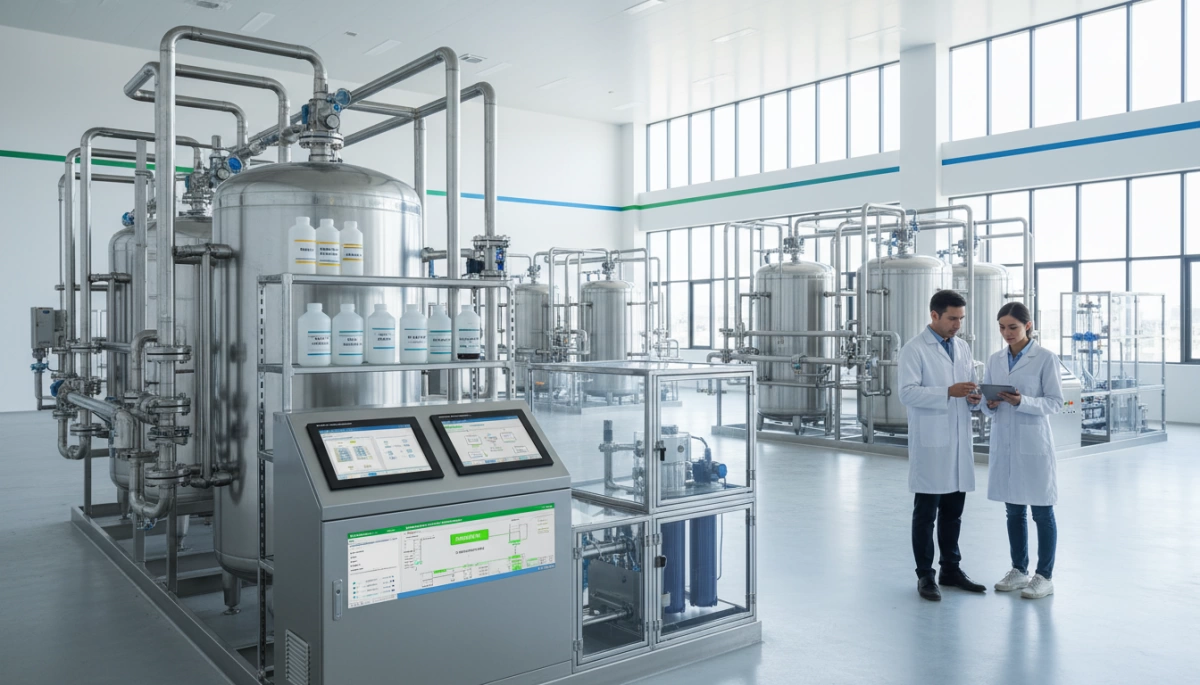
Meeting effluent discharge standards compliance doesn’t have to drain your operational resources. Here are five actionable strategies to manage reverse osmosis reject water disposal efficiently and keep your commercial facility out of regulatory trouble.
- Optimize System Recovery Rates: Upgrading membrane efficiency is your first line of defense. Commercial RO recovery rate optimization significantly minimizes the waste-to-pure-water ratio. By expertly tailoring your RO system features for specific regional water qualities, you can maximize water yield while keeping waste volumes in check.
- Implement Robust Pre-treatment: Run source water through advanced filtration before it hits the RO membrane. This drastically reduces the initial contaminant load, provides essential membrane fouling prevention, and extends the lifespan of your core equipment.
- Repurpose Reject Water: Stop treating RO brine as garbage. Route high-TDS drain water to non-potable industrial applications. Reusing this water for cooling towers, heavy floor washing, or commercial landscape irrigation is a highly effective way to reduce reverse osmosis wastewater on site.
- Integrate Advanced Treatment Solutions: If local disposal standards are exceptionally strict, explore Membrane Bioreactors (MBR) or transition your facility to Zero liquid discharge (ZLD) RO systems. ZLD technology captures and evaporates the brine, eliminating liquid waste entirely and completely bypassing municipal drain water regulations.
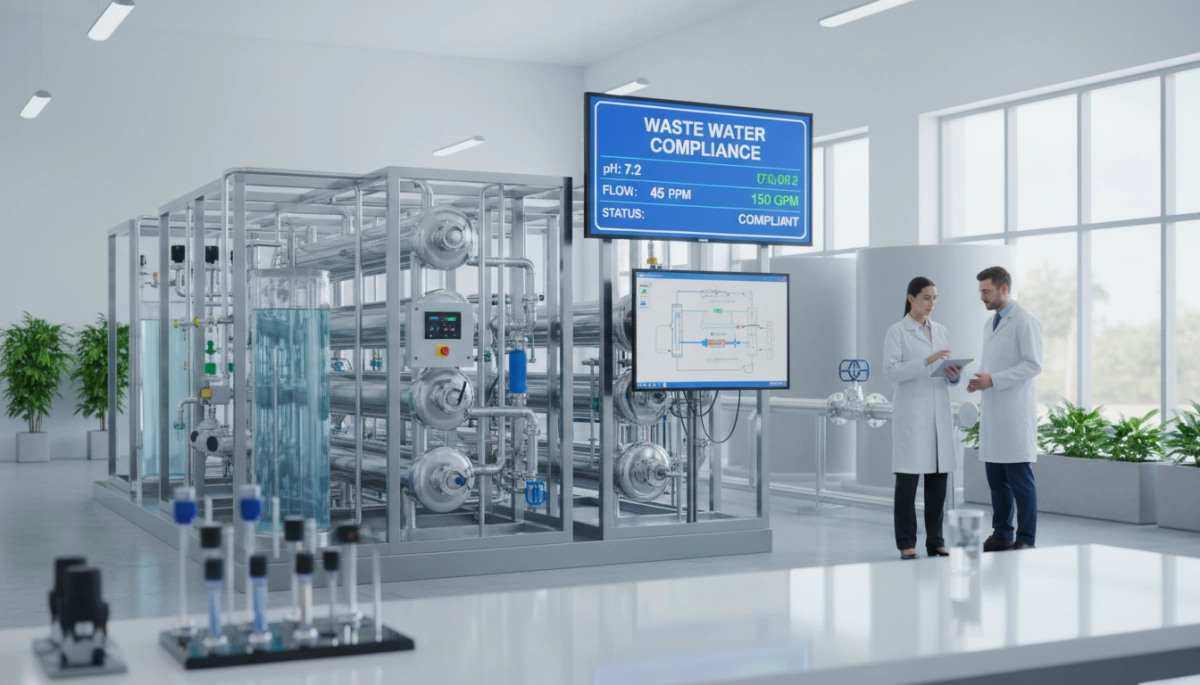
- Conduct Routine Water Quality Audits: Continuous monitoring is non-negotiable. Track pH, flow rates, and total dissolved solids (TDS) discharge limits in real-time. Automated tracking guarantees you consistently meet local wastewater limits without second-guessing your output.
Engineering for Waste Water Discharge Compliance for RO Systems: The Driplife Advantage
When managing drain water regulations for RO, true compliance begins on the manufacturing floor. As a leading industrial water filtration OEM manufacturer, we build systems designed specifically to navigate strict environmental rules for RO. We don’t just assemble filters; we engineer reliable solutions that protect your brand from compliance failures.
Built-In Efficiency for Heavy Demands
Reducing waste is the most direct way to achieve wastewater discharge compliance for RO. With over 15 years of dedicated R&D, our B2B commercial water filtration systems are optimized to squeeze maximum pure water from every drop.
- High Output: We deliver under-sink and commercial systems capable of a 2,000-gallon daily capacity with a rapid 5.2L/min flow rate.
- Low Waste: Advanced membrane configurations drastically lower the waste-to-pure-water ratio, directly helping you meet strict wastewater limits for RO.
- Consistent Quality: Just as understanding the nuances of still water vs. tap water drives consumer demand for better filtration, our engineering ensures that delivering premium water doesn’t result in excessive municipal waste.
Adapting to Global and Local Plumbing Codes
US municipalities have wildly different rules for what can go down the drain. We offer complete customization of RO product designs to ensure a seamless regulatory fit for RO in your specific market.
- US Market Focus: We tailor system recovery rates and pre-treatment stages to comply with strict local plumbing codes for RO.
- Global Standards: If your brand operates internationally, we are fully equipped to produce a WRAS compliant RO design or adapt to other rigorous global effluent standards, ensuring hassle-free installation compliance for RO anywhere.
Unmatched Manufacturing Scale in China
As a premier hub for water filter manufacturing in China, we back our engineering with massive production capabilities. We guarantee that every unit rolling off our line meets exacting disposal standards for RO.
| Driplife Manufacturing Scale | What It Means for Your Brand’s Compliance |
|---|---|
| 60,000 ㎡ Facility | Dedicated zones for advanced R&D and rapid, high-volume production. |
| Strict Laboratory Testing | In-house water quality auditing ensures no unit ships unless it operates within specified discharge limits. |
| 500,000-Unit Annual Capacity | Scalable, reliable output that supports global brands without sacrificing engineering precision or compliance. |