















Are you wondering how a water filter works to deliver clean, safe drinking water? Choosing the right water filtration system can transform your water quality and protect your health.
As water quality experts at driplife, we’ve seen firsthand how the right water filter can make all the difference. In this guide, we’ll break down the water filtration process, explore different types of water filters, and share why filtered water is a game-changer for your home.
Ready to dive into the world of clean water? Let’s get started!
What Is Water Filtration
Simple Definition of Water Filtration
Water filtration is the process of removing impurities, contaminants, and unwanted substances from water to make it cleaner and safer to use. It involves passing water through a filter medium that traps particles, chemicals, and microorganisms. The goal is to improve water quality by eliminating pollutants like sediment, chlorine, bacteria, viruses, and dissolved solids that can affect taste, odor, and safety.
Why Water Filtration Is Essential for Health and Safety
Clean water is vital for health and daily living. Without proper filtration, water can contain harmful contaminants such as heavy metals, pesticides, bacteria, and viruses that pose serious health risks. Using a water filtration system ensures:
- Removal of pollutants that cause waterborne diseases
- Reduction of chemical toxins like chlorine and volatile organic compounds (VOCs)
- Protection against unpleasant tastes and odors
- Improved water quality for drinking, cooking, and hygiene
In addition, filtered water supports overall wellness by reducing exposure to contaminants linked to long-term health issues. This is especially important in areas where tap water may not meet high purity standards. Water filtration is a simple yet effective step toward safer drinking water and greater peace of mind.
How Does a Water Filter Work

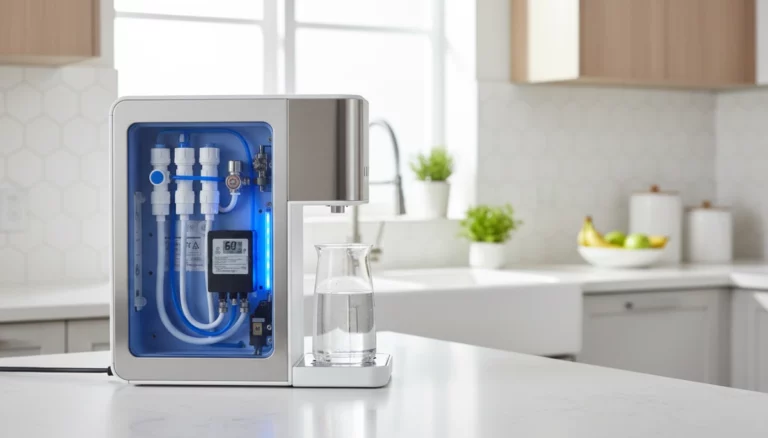
Water filtration works by removing impurities from your tap or well water to make it cleaner, safer, and better tasting. The water filtration process typically involves several layers or stages that target different types of contaminants. Here’s a breakdown of the most common filtration methods you’ll find in water purifiers for home use:
Mechanical Filtration Removes Particles
Mechanical filters act like a physical barrier. They trap larger particles such as dirt, sand, rust, and sediment from the water. This first step is crucial to protect other filter parts from clogging and to improve overall water clarity. Think of it as a fine mesh screen catching debris.
Activated Carbon Filtration Removes Chemicals and Odors
Activated carbon filters are popular because they work well at improving water’s taste and smell. They absorb chlorine, chloramine, volatile organic compounds (VOCs), and other chemicals that cause bad odors or taste off. This charcoal filter stage is especially useful for municipal tap water, where chlorine is common.
Reverse Osmosis Removes Dissolved Solids
Reverse osmosis (RO) systems use a semi-permeable membrane to remove dissolved solids such as salts, heavy metals, fluoride, and nitrates. Water is pushed through this membrane, leaving contaminants behind. This technology is highly effective for deep purification but can be slower and requires more maintenance compared to simpler filters.
UV Filtration Kills Bacteria and Viruses
Ultraviolet (UV) filtration uses light to destroy harmful microbes in your water. It’s a powerful method to kill bacteria, viruses, and other pathogens without adding chemicals or changing water taste. UV filters are common in well water systems or in areas with concern about biological contamination.
Ceramic Filtration Filters Out Bacteria and Sediment
Ceramic filters have tiny pores that physically block bacteria, sediment, and other microorganisms. They last a long time and can be cleaned on-site by scrubbing the ceramic surface. These are often found in portable water bottle filters or emergency water purification tools.
Each filtration method tackles different contaminants, and many home water filtration systems combine two or more to provide cleaner, safer water. Understanding these methods helps you choose the best filter for your needs—whether you want to improve taste, remove chemicals, or ensure your water is free of microbes.
Types of Water Filters and How They Work
When it comes to types of water filters, each serves different purposes depending on your needs, water source, and household setup. Understanding how they work helps you pick the right one to remove contaminants from water effectively.
Pitcher Filters
Pitcher filters are popular for their simplicity and convenience. They use a combination of activated carbon filtration and ion exchange to reduce chlorine, odors, and some heavy metals like lead. These are great for improving taste and odor but may not remove all contaminants.
- Best for tap water with low to moderate contamination
- Portable and easy to use
- Ideal for renters or small households
Check out options like the Water Filter Pitcher with Wooden Handle for a blend of style and function.
Faucet-Mounted Filters
These attach directly to your kitchen faucet, offering filtered water on demand. They often combine activated carbon and mechanical filtration, reducing sediment, chlorine, and some VOCs.
- Fits most faucets
- Convenient for daily cooking and drinking needs
- Moderate filtration capability for common tap water issues
Under-Sink Filters
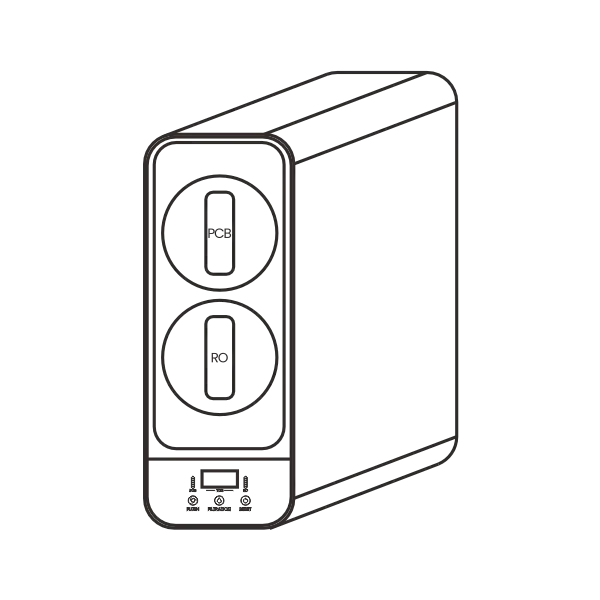
Under-sink systems are more robust, designed to treat larger volumes of water with multiple filtration stages. They often incorporate activated carbon, reverse osmosis systems, or ceramic filters.
- Ideal for households needing advanced filtration
- Can remove dissolved solids, heavy metals, and some microbes
- Hidden installation saves counter space
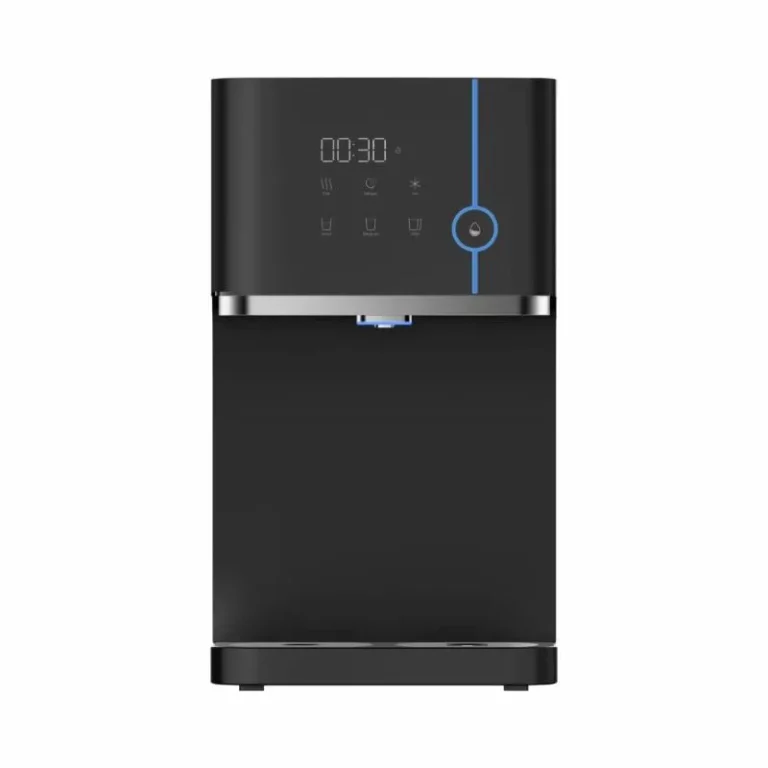
If you want to learn more about reverse osmosis tech, check this article on efficient countertop reverse osmosis systems.
Whole-House Filtration Systems
These systems filter water as it enters your home, ensuring every tap delivers clean water. They typically involve multi-stage filtration including sediment filters, activated carbon, and sometimes water softening.
- Best for comprehensive home water treatment
- Removes chlorine, sediment, and whole-house contaminants
- Useful for people with well water or city water with multiple issues
Portable Water Bottle Filters
Great for those always on the go, these bottles use small filters—usually activated carbon or ceramic—to reduce chlorine, odors, and some microbial content.
- Perfect for outdoor activities, travel, or daily hydration
- Lightweight and easy to clean
- Limited filtration capacity compared to home systems
Comparing Filter Types and Use Cases
| Filter Type | Filtration Method | Best For | Pros | Cons |
|---|---|---|---|---|
| Pitcher Filters | Activated Carbon, Ion Exchange | Improving taste and odor in tap water | Affordable, easy to use | Limited contaminant removal |
| Faucet-Mounted Filters | Activated Carbon, Mechanical | Quick filtering at the sink | Convenient, accessible | May reduce water flow |
| Under-Sink Filters | Multi-stage (RO, Carbon, Ceramic) | Advanced household filtration | High contaminant removal | Installation required, costlier |
| Whole-House Systems | Multi-stage (Sediment, Carbon, SOFTENING) | Entire home water supply | Comprehensive filtration | Higher upfront cost, plumbing needed |
| Portable Water Bottles | Carbon or Ceramic | On-the-go, travel, outdoor use | Portable, reusable | Limited filtration scope |
Choosing the right water filter depends on your specific water quality, budget, and convenience needs. Always consider what contaminants you need to target and how much filtered water your household consumes daily.
Benefits of Using a Water Filter for Cleaner Healthier Water
Using a water filter brings several important health and environmental benefits that go beyond just having clean water on hand.
Better Taste and Odor
One of the first things you’ll notice when switching to filtered water is the improved taste and smell. Filters like activated carbon effectively remove chlorine and other chemicals responsible for unpleasant odors and flavors. This not only makes drinking water more enjoyable but also better for cooking and making beverages like coffee or tea.
Removes Harmful Contaminants
Water filters are designed to eliminate a wide range of contaminants that can impact your health. This includes:
- Sediment, dirt, and rust
- Chlorine and chloramine
- Volatile organic compounds (VOCs)
- Heavy metals like lead and mercury
- Microorganisms such as bacteria and some viruses (depending on the filter type)
By reducing these elements, filtered water lowers your exposure to pollutants and harmful chemicals that may cause long-term health issues.
Health Protection
Drinking filtered water supports overall health and safety. It helps reduce risks related to waterborne contaminants which can cause gastrointestinal problems or more serious illnesses. For households with children, elderly, or individuals with weakened immune systems, using a quality water filter is especially important.
Environmental Benefits
Using a water filter greatly cuts down on bottled water consumption, which helps reduce plastic waste and environmental pollution. Choosing filtered tap water means:
- Less reliance on single-use plastic bottles
- Lower carbon footprint from water transportation and packaging
- A more sustainable and eco-friendly way to stay hydrated
Making the switch to filtered water not only benefits your home but also contributes to protecting the environment.
For those interested in how different filters tackle odors and contaminants, you may find our guide on what does a carbon filter do for water helpful.
By choosing the right filtration system, you ensure you get cleaner, safer water that tastes better, protects your health, and supports a greener lifestyle.
How to Choose the Right Water Filter for You
Picking the best water filter depends largely on your specific needs and the quality of your water source. Here’s what to focus on to make a smart choice:
Understand Your Water Source and Contaminants
- Test your water first. Knowing if you have hard water, chlorine, lead, sediment, or bacteria will guide you to the right filtration type.
- Common problems like chlorine and odors can be handled by activated carbon filters.
- For heavy metals and dissolved solids, consider systems with reverse osmosis.
- If bacteria or viruses are a concern, look for filters with UV purification or ceramic filtration.
Consider Your Budget and Maintenance
- Filters vary widely in price—from affordable pitcher filters to full whole-house filtration systems.
- Ongoing costs matter: replacement cartridges, power for systems like reverse osmosis, and filter lifespan should fit your budget.
- Maintenance is key to efficient filtration, so choose systems with easy-to-replace filters and clear care instructions.
Look for Trusted Certifications
- Choose water filters certified by NSF International or the Water Quality Association (WQA).
- These certifications confirm the filter effectively removes contaminants as advertised.
- Certified filters offer peace of mind that your investment truly improves water quality.
Match Filter Type to Your Lifestyle
- If you want convenience and portability, a pitcher filter or portable water bottle filter might work best.
- For reliable, everyday tap water filtering, under-sink or faucet-mounted filters offer great balance.
- Whole-house systems are ideal if you want filtered water from every tap, including showers and laundry.
By considering your water source, budget, maintenance needs, and certifications, you’ll choose the right water filter that fits your lifestyle and keeps your drinking water clean and safe.
Maintenance Tips to Keep Your Water Filter Efficient
Keeping your water filter working well means regular care and timely replacements. This ensures you get clean, safe water without any drop in quality. Here’s what you need to know about water filter maintenance and how to extend the life of your system.
When to Replace Your Water Filter
- Follow manufacturer’s guidelines: Most filters come with recommended replacement schedules, usually every 3 to 6 months for pitcher or faucet filters, and up to 12 months for under-sink or whole-house systems.
- Watch for changes in water taste and odor: If your water starts tasting or smelling off, it’s a sign your filter is no longer effective and needs replacement.
- Lower water flow: A drop in water pressure can indicate a clogged filter that requires changing.
- Check filter life indicators: Some advanced water filtration systems, including reverse osmosis or UV filters, have built-in meters or alerts for filter replacement.
How to Replace Filters Properly
- Turn off the water supply to avoid leaks or spills.
- Remove the old filter carefully to prevent contamination.
- Install the new filter tightly according to the instructions to ensure no gaps or leaks.
- Flush the new filter for a few minutes before drinking water to clear any loose carbon dust or particles.
Cleaning Recommendations for Water Filters
- Clean housings and tanks regularly: When you change filters, wash the inside of filter cases with mild soap and water to stop bacteria build-up.
- Avoid harsh chemicals: Use only gentle cleaning agents to avoid damaging your filters or water filtration system.
- Sanitize with diluted bleach occasionally: For whole-house systems or under-sink units, a mild bleach solution can disinfect without harming the system. Rinse thoroughly afterward.
- Check seals and hoses: Regularly inspect rubber seals and hoses for cracks or buildup and replace them to maintain efficiency.
Additional Tips for Long-Lasting Water Filters
- Use pre-filters if needed: In areas with hard or sediment-heavy water, a sediment pre-filter extends the life of your main filter.
- Keep your system dry during storage: If you won’t use your filter for a while, dry the components to avoid mold or bacteria growth.
- Keep track of replacement dates: Set reminders or note replacement times in a calendar or app to stay consistent.
By following these simple and effective water filter maintenance tips, you’ll enjoy fresh, clean water longer, protect your home filtration system, and get the best performance from your water purifier.
Frequently Asked Questions About How Water Filters Work
Do Water Filters Remove Bacteria and Viruses
Not all water filters can remove bacteria and viruses. Basic filters like activated carbon mainly focus on improving taste and reducing chemicals such as chlorine and VOCs but don’t kill microorganisms. For effective removal of bacteria and viruses, look for filters with UV filtration or ceramic filters, or systems that use reverse osmosis combined with UV. These technologies can kill or block harmful pathogens, making your water safer to drink.
Can All Water Filters Remove Lead
No, not every water filter removes lead. Lead is a heavy metal that requires specific filtration technology. Filters with activated carbon or reverse osmosis membranes are generally effective at reducing lead levels. Always check if the filter is NSF certified for lead removal—this certification guarantees it meets strict standards for filtering heavy metals.
Is Filtered Water Better Than Bottled Water
In most cases, filtered water is better than bottled water. When you use a home filtration system, you get fresh water free from unwanted chemicals, odors, and contaminants without the environmental impact of plastic bottles. Plus, filtered water is more economical over time and reduces your reliance on single-use plastic. Just make sure you maintain your water filter properly so it continues working effectively.
How Long Does a Typical Water Filter Last
The lifespan of a water filter depends on the type of filter and your water usage. Here’s a quick guide:
- Pitcher and faucet filters: Usually last about 2-3 months.
- Under-sink and whole-house systems: Can last 6 months to 1 year or more depending on filter types.
- Reverse osmosis membranes: Typically replaced every 2-3 years.
- UV filters: Bulbs usually last around 1 year.
Always follow the manufacturer’s recommendations and keep an eye on the flow rate and taste of your water. Regular filter replacement is key to maintaining water quality and system efficiency.
Why Choose Driplife Water Filters
When looking for reliable water filtration systems at home, Driplife stands out because of its strong commitment to quality and innovation. They focus on creating filters that combine the latest water filter technology with practical designs that fit everyday American households.
Advanced Filtration Technology
Driplife uses a variety of proven filtration methods to tackle common contaminants such as chlorine, lead, VOCs, and even microbes. Their products often feature activated carbon filters to improve taste and odor, alongside other technologies like reverse osmosis and ceramic filtration. This ensures you get cleaner, safer water whether you’re using a pitcher filter, faucet-mounted system, or under-sink filter.
Wide Product Range for Every Need
Whether you want a simple portable water bottle filter or a robust whole-house filtration system, Driplife offers options designed to handle different water sources and budgets. This gives you flexibility to choose what fits your home setup and water quality challenges best.
Customer Satisfaction and Guarantees
Driplife backs its products with solid guarantees and responsive customer support. They provide clear maintenance tips to keep your water filter efficient and easy-to-understand guidelines for filter replacement. This transparency helps protect your investment and ensures you always have fresh, clean water.
of Benefits
- Trusted filtration technology proven to remove contaminants from tap water
- Versatile product lineup from small filters to whole-home systems
- Strong focus on customer satisfaction and reliable warranties
- Designed for easy maintenance and long-lasting performance
Choosing Driplife means investing in a home filtration system that delivers clean, great-tasting water while protecting your family’s health and the environment.